
On this page8 sections
A standing ticket at the Vienna State Opera puts you in the same room, on the same night, hearing the same orchestra as the person who paid two hundred euros to sit forty feet away. That gap is not an accident. Most of the great houses deliberately hold back a block of cheap places, and they have done it for so long that the arrangements have names, queues and folklore of their own.
What follows is nine of them, and the test for getting on this page was strict. The scheme has to be official — run by the venue, not a resale site. It has to recur, so you can plan a trip around it rather than getting lucky. And a visitor has to be able to buy it: no membership you can only get by living there, no student card, no local ID. Everything below was read off the venue’s own page in September 2026. Where a house does not publish its cheap price in advance, this page says so rather than repeating a number from somewhere else — and where a famous scheme’s own page would not load for us at all, it is at the bottom of this article with no figures beside it.
The nine, at a glance
Scroll the table sideways on a phone.
| Venue | City | What you get | Price | How to buy | The catch |
|---|---|---|---|---|---|
| Berliner Philharmonie | Berlin | Lunch concert in the foyer, 40–50 min | Free | Turn up, take a chip at the door | No seating at all; Wednesdays only, September to June |
| Kabuki-za | Tokyo | One act of the day’s kabuki program, 4th floor | ¥600–¥2,800 (about $4–$18) | Online from noon the day before | Top floor; part of the stage may be out of sight |
| Shakespeare’s Globe | London | Standing in the yard, in front of the stage | £5 or £10 (about $7 or $13) | Online any time; £5 Rush Fridays at 11am | No roof, no umbrellas, a whole play on your feet |
| Palais Garnier | Paris | A category 6 seat in the house Garnier built | €10 (about $11.50) | Box office only, 2 hours before | Very limited view or none; 2 per person, no waiting inside |
| Four Seasons Centre | Toronto | Standing at a leaning rail, Ring 3 or 4 | CA$15 (about US$11) | Box office only, 11am on the day | Some places have the surtitles blocked; stand the whole opera |
| Ryōgoku Kokugikan | Tokyo | A reserved chair seat at a sumo tournament | ¥3,500–¥4,000 (about $22–$26) | Online when the tournament goes on sale | Second floor, far from the ring; three Tokyo tournaments a year |
| Deutsche Oper | Berlin | Opera Day: any seat in the house, flat price | €34 (about $39); €10 up to age 18 | Normal booking, on eight dates a season | Eight nights only — the date picks the opera, not you |
| Vienna State Opera | Vienna | One of 435 standing places | From €4 with the house card; walk-up price not published | Online from 10am on the day of the performance | The house publishes no walk-up price in advance |
| Hungarian State Opera | Budapest | Standing room in an 1884 opera house | Not published in advance | From 2 hours before the performance | The house states the view from standing places is limited |
The ones you buy on the day
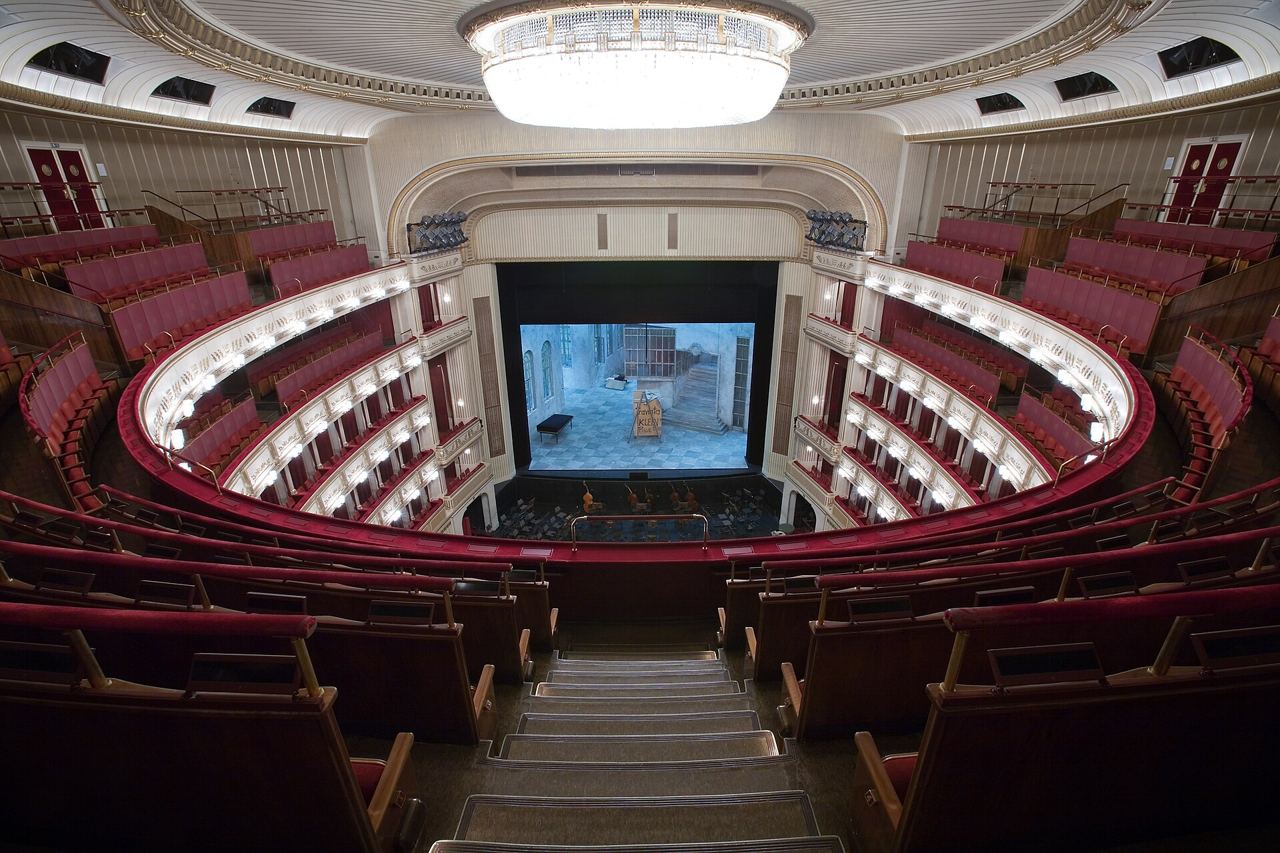
Vienna State Opera, Austria. The house keeps 435 standing places and sells them, in its own words, exclusively on the day of the performance, online from 10am. Every place in the building, standing included, has its own screen for subtitles in up to eight languages, with English, German and the original language always available — which is the detail that makes standing here bearable for four hours of Wagner. The honest part: the only standing price the house publishes is a starting price of €4 (about $4.50) tied to its own BT-Card, and it prints no walk-up figure anywhere we could read. Treat the number as something you find out in the shop at 10am, and treat the room as the reason you are there.
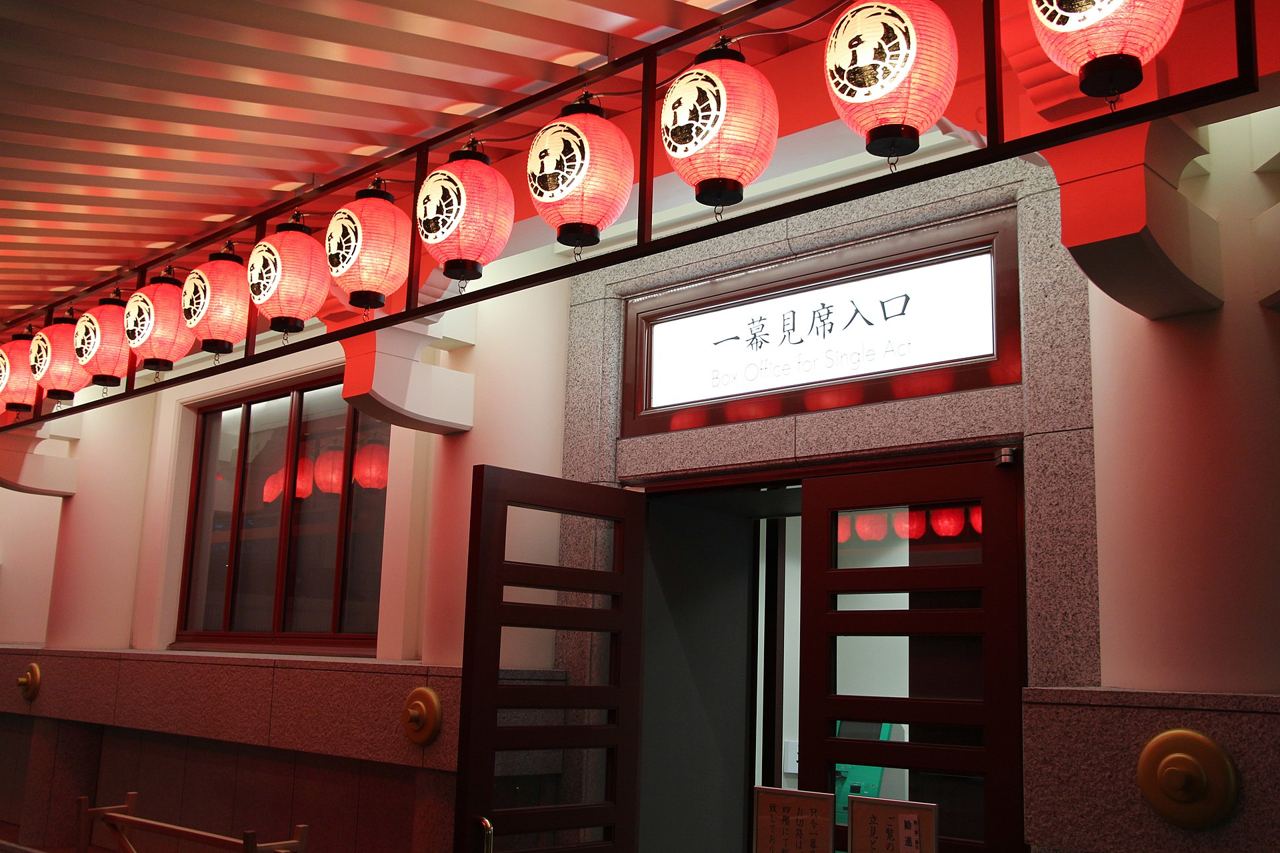
Kabuki-za, Ginza, Tokyo. Kabuki runs in parts of three or four hours, and almost nobody outside Japan wants to start with four hours. The single-act ticket, hitomakumi, sells you exactly one act. Prices run ¥600 to ¥2,800 (about $4 to $18) depending on the act, plus a ¥110 system fee per ticket. Tickets go up at noon the day before the performance, maximum four per person. You sit on the fourth floor, and the theater says plainly what that means: it is the top of the house and the furthest point from the stage, so part of the stage and the hanamichi walkway may be out of sight, and holders of these tickets cannot go down to the first three floors. Every act is a complete turnover, so the floor empties between them. Use the separate single-act entrance on the left of the building as you face it. Kabuki-za pairs naturally with the rest of a Tokyo itinerary, since it is a ten-minute walk from the middle of Ginza.
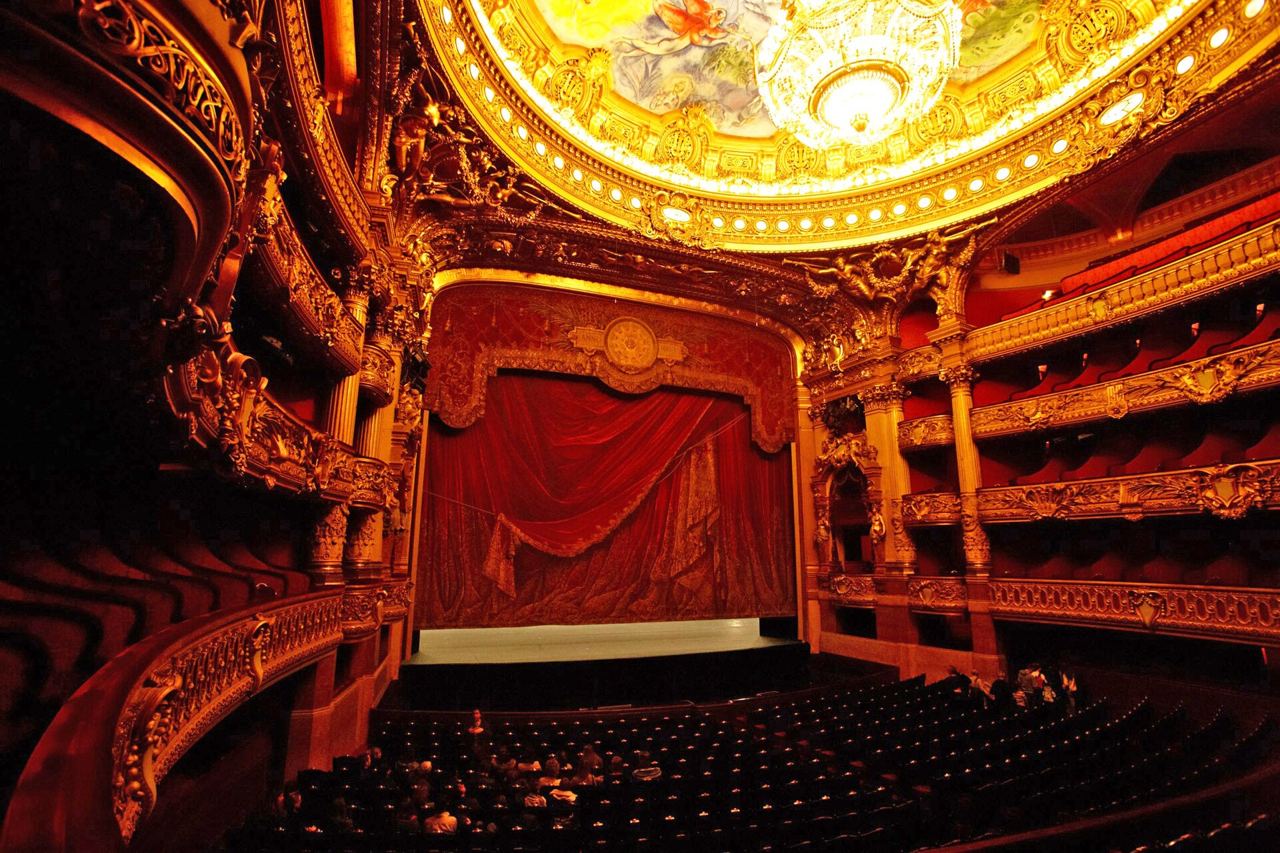
Palais Garnier, Paris. The Paris Opera sells category 6 seats at the Palais Garnier for €10 (about $11.50), and it is completely upfront about what they are. They go on sale two hours before the performance, at the Palais Garnier box office only, two per person, and one hour before on Sundays and public holidays. You are not allowed to wait inside the theater before the sale starts. The house’s own description is that these seats offer a very limited view or no view of the stage depending on where they are, but that they let you hear the music played by the orchestra and sometimes catch a glimpse of what is happening on stage — and where the seat is at the rear of a box, you can stand. Category 5 seats, also restricted view, run €10 to €25 (about $11.50 to $29) and are sold at the box office of both theaters on the normal booking calendar. If the point of the evening is the Palais Garnier itself, €10 gets you inside it.
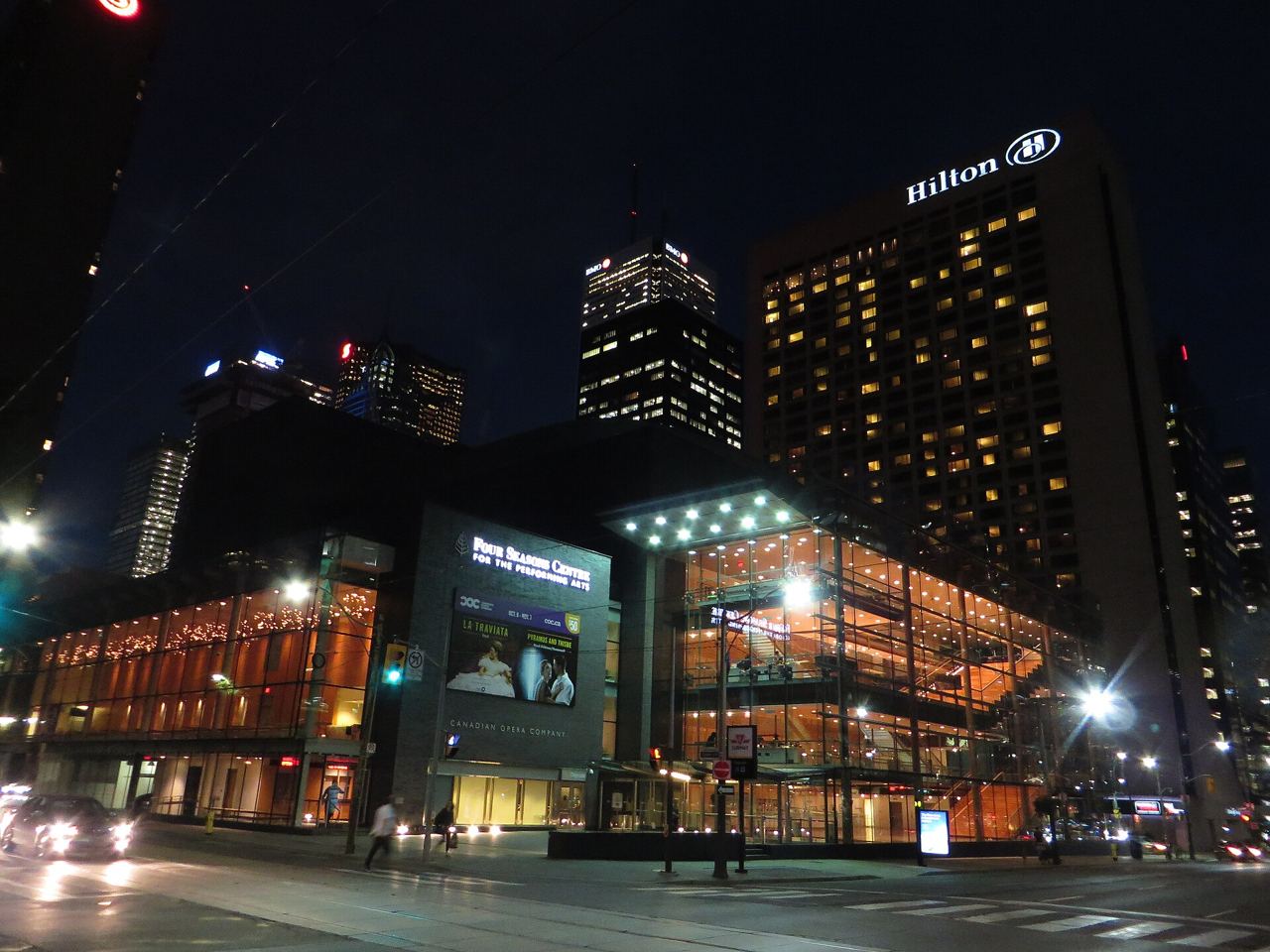
Canadian Opera Company, Four Seasons Centre, Toronto. About 60 standing places go on sale for every performance at CA$15 (about US$11), in person only, from 11am on the day, two per person. They are in Ring 3 and Ring 4, and each place has a leaning rail at 120 centimeters. The company publishes the drawbacks itself, which is rare and useful: some Ring 3 locations have the surtitles obstructed, the suggested minimum height is 145 centimeters, portable seating devices are not permitted, and you may not sit on the railings or the stairs. Wear shoes you can stand in for three hours. Rush tickets are a separate scheme — online from 4pm for evening performances and noon for matinees with the promo code COCRUSH, or from 11am in person, two per person, all sales final. The company does not publish the rush price in advance.
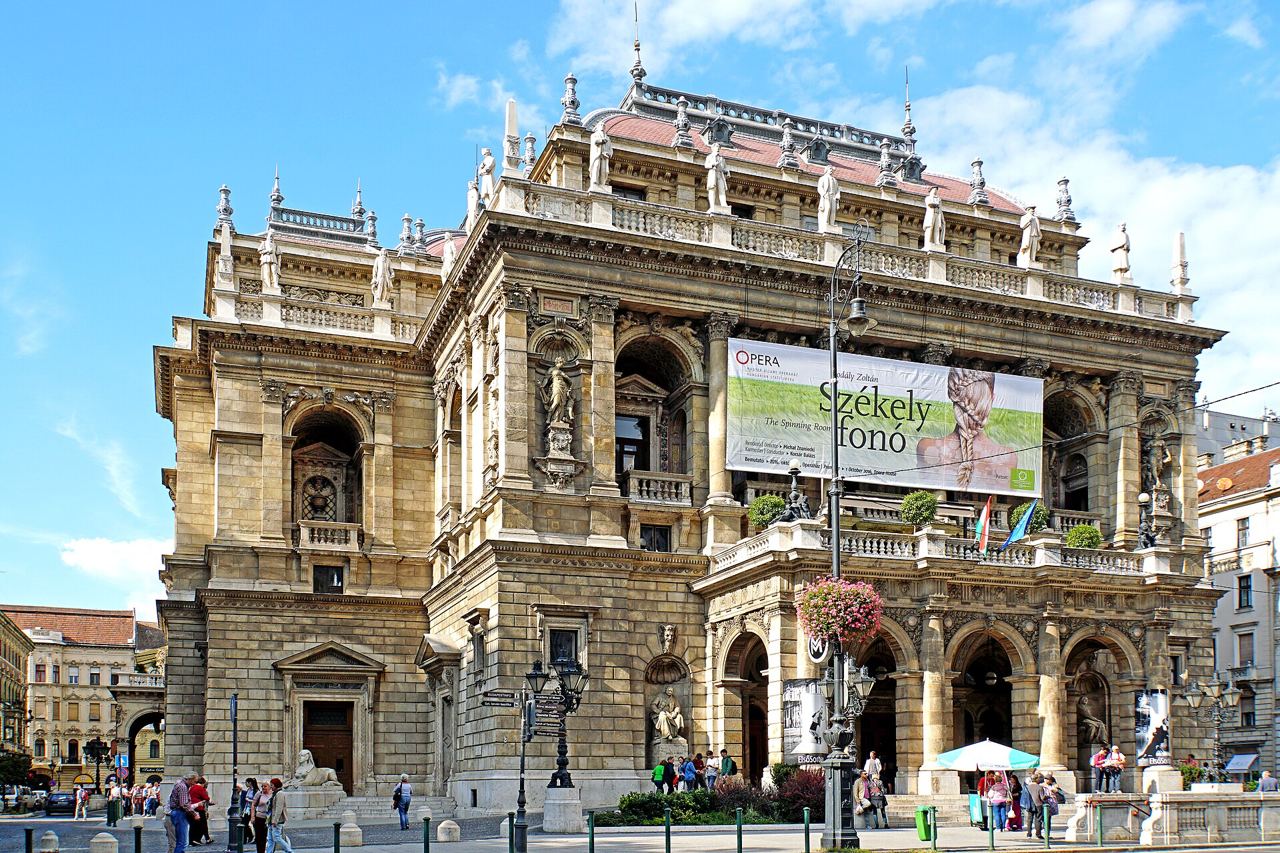
Hungarian State Opera, Budapest. The Ybl opera house on Andrássy Avenue sells standing room from two hours before an evening performance and one hour before a morning one. That is the whole scheme, and it is the one entry here we cannot price: the house publishes the rule but not the number. It does tell you what you are buying — the view is limited from the standing places, from the third-floor wing seats and from the second row of the boxes. Treat it as the cheap way into one of the most beautiful rooms in Europe, and ask the price at the window.
The ones you can book from home
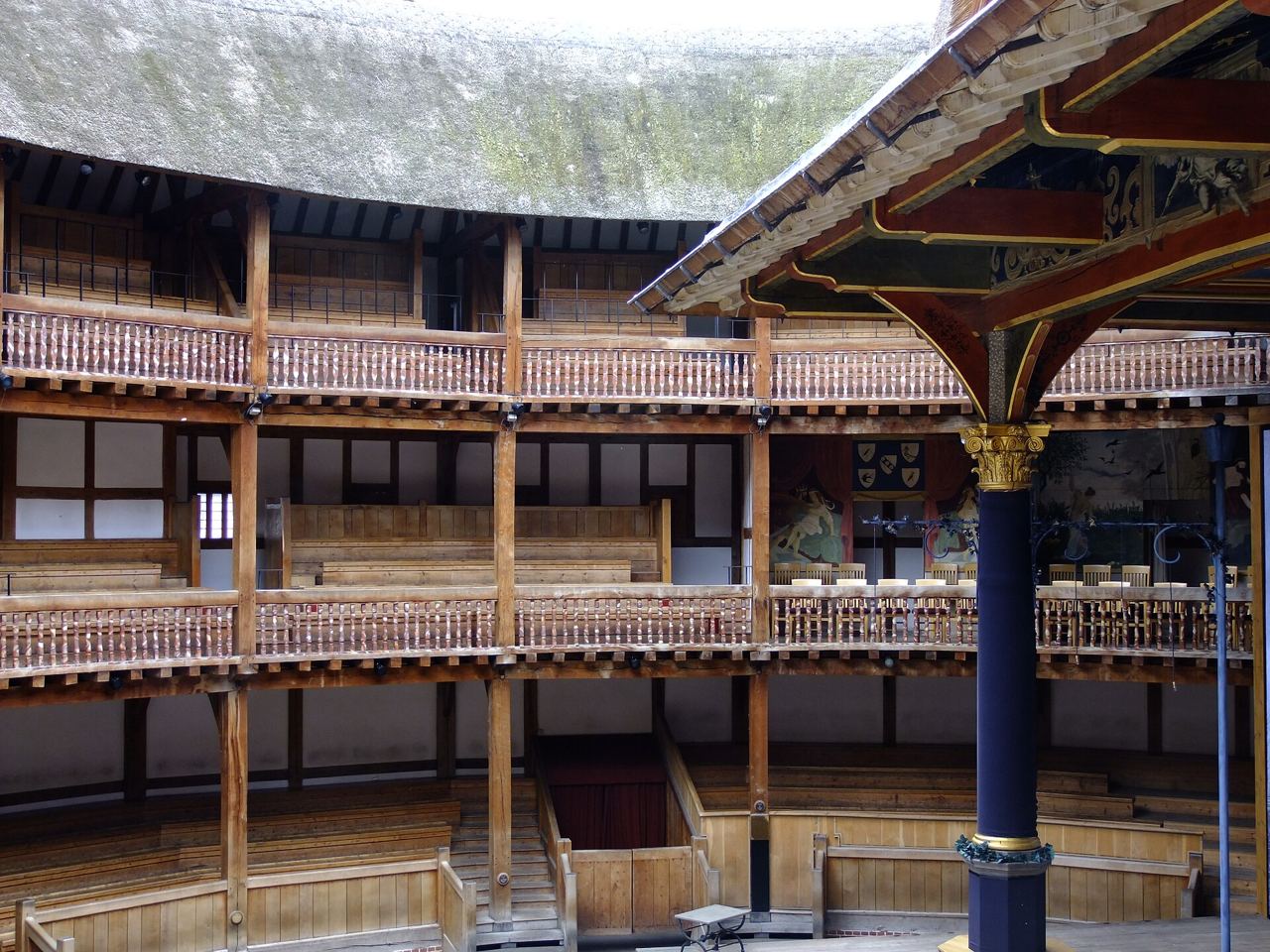
Shakespeare’s Globe, London. The famous one, and it is exactly as advertised. Standing tickets in the yard are £5 and £10 (about $7 and $13), booked online like any other ticket, with a £3 transaction fee per order. If a summer show has sold out its £5 places, the theater releases more every Friday at 11am for the following week — that is the £5 Rush, and it is the reason a sold-out sign is not the end of it. The cost is physical: the Globe is an open-air theater with no roof over the yard, umbrellas are not allowed inside, ponchos are sold outside the doors when it rains, and you are on your feet for the whole play. Dress for the weather London actually gives you rather than the weather you booked for.
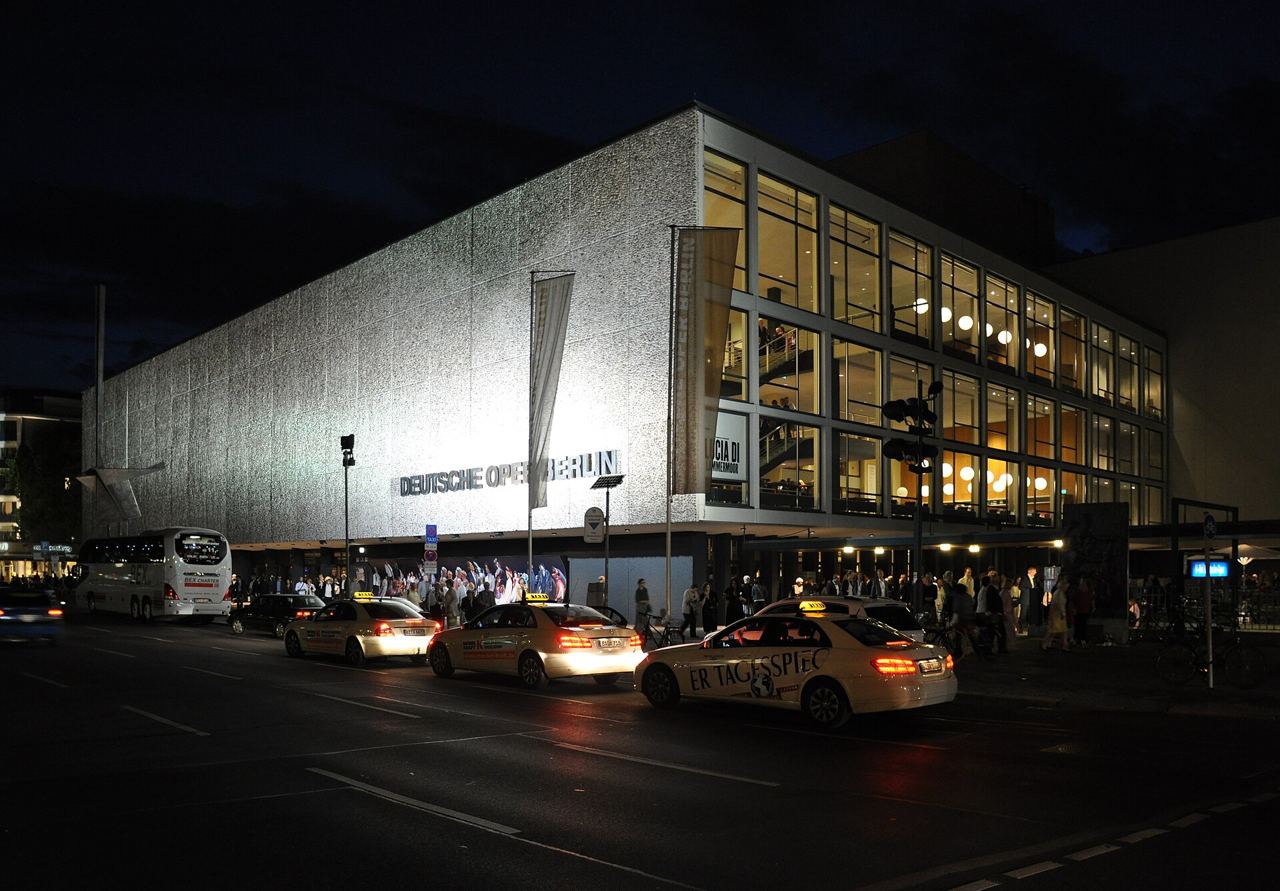
Deutsche Oper Berlin, Germany. The cleverest scheme on this list, because it removes the trade-off entirely. Eight times in the 2026/27 season the house runs an Opera Day: a flat €34 (about $39) for everyone and €10 (about $11.50) for children and young people up to age eighteen, regardless of seat selection. Not a restricted view, not the back of the gallery — any seat in the house, including the ones in a category that starts at €149 the rest of the year. Opera Days are among the fixed-price performances the house exempts from the dynamic pricing that moves every other ticket, and the dates are published in the house calendar. The catch is that eight dates a season is eight dates: the date decides which opera you see. If you are in Berlin on one of them, book it.
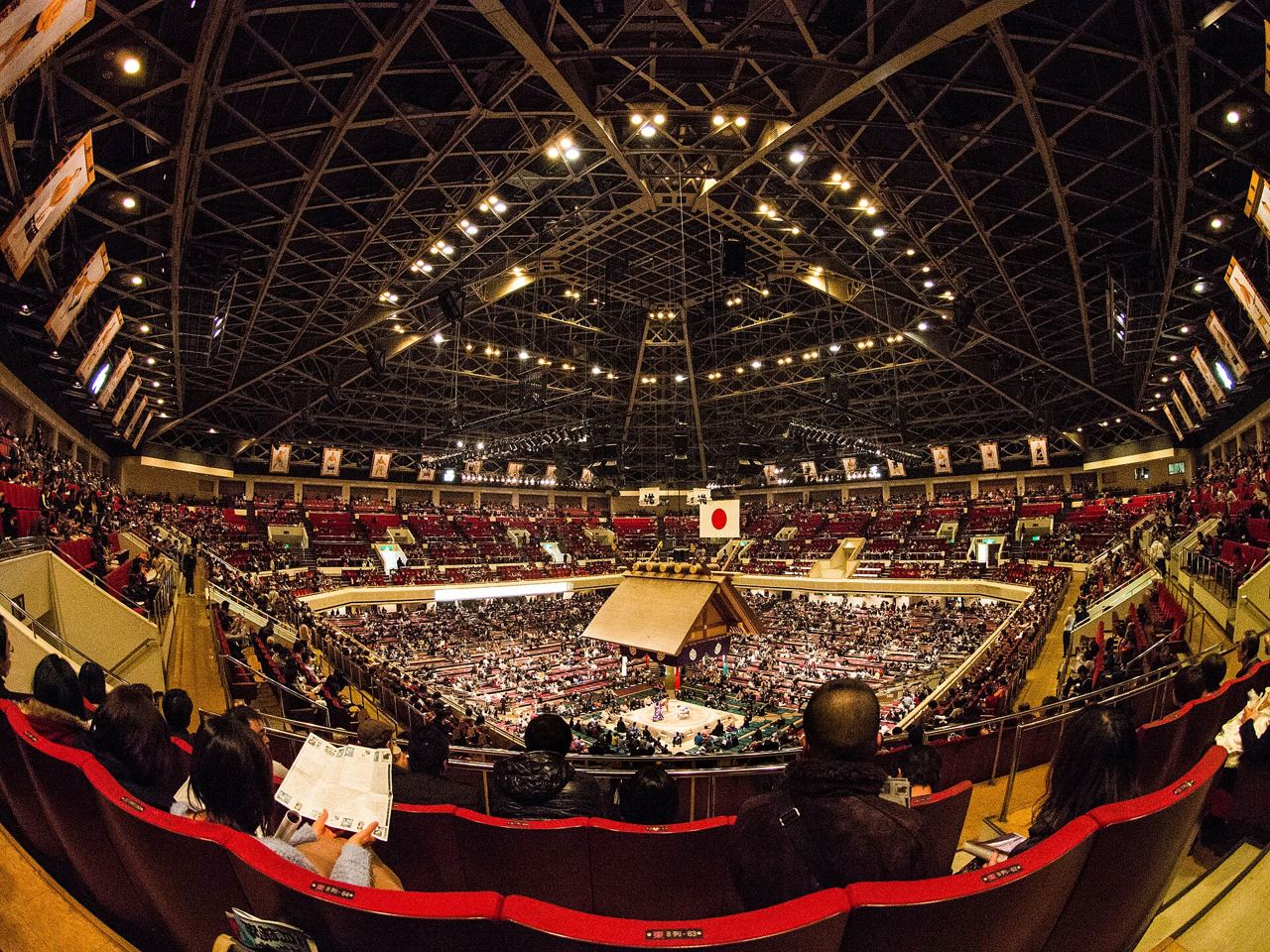
Grand sumo, Ryōgoku Kokugikan, Tokyo. Not a rush scheme — just the cheapest reserved seat at one of the great spectacles, and worth knowing because most visitors assume sumo is expensive. For the September 2026 tournament at the Kokugikan, the Japan Sumo Association’s own ticket service put Chair Seat C at ¥3,500 (about $22) on a weekday and ¥4,000 (about $26) at a weekend, with Chair Seat B at ¥5,000 and ¥5,500. For comparison, a Masu box — the Japanese-style box where you sit on the floor — starts at ¥34,000 for the box of four. Chair seats are on the second floor, a long way from the ring, and that is the trade. A tournament day runs from morning into the evening and the top division does not fight until late afternoon, so a cheap seat and a late arrival is a completely reasonable plan. Prices are set per tournament and per venue, so check the page for the tournament you want: three of the six a year are in Tokyo, and the others carry different numbers.
The one that costs nothing at all
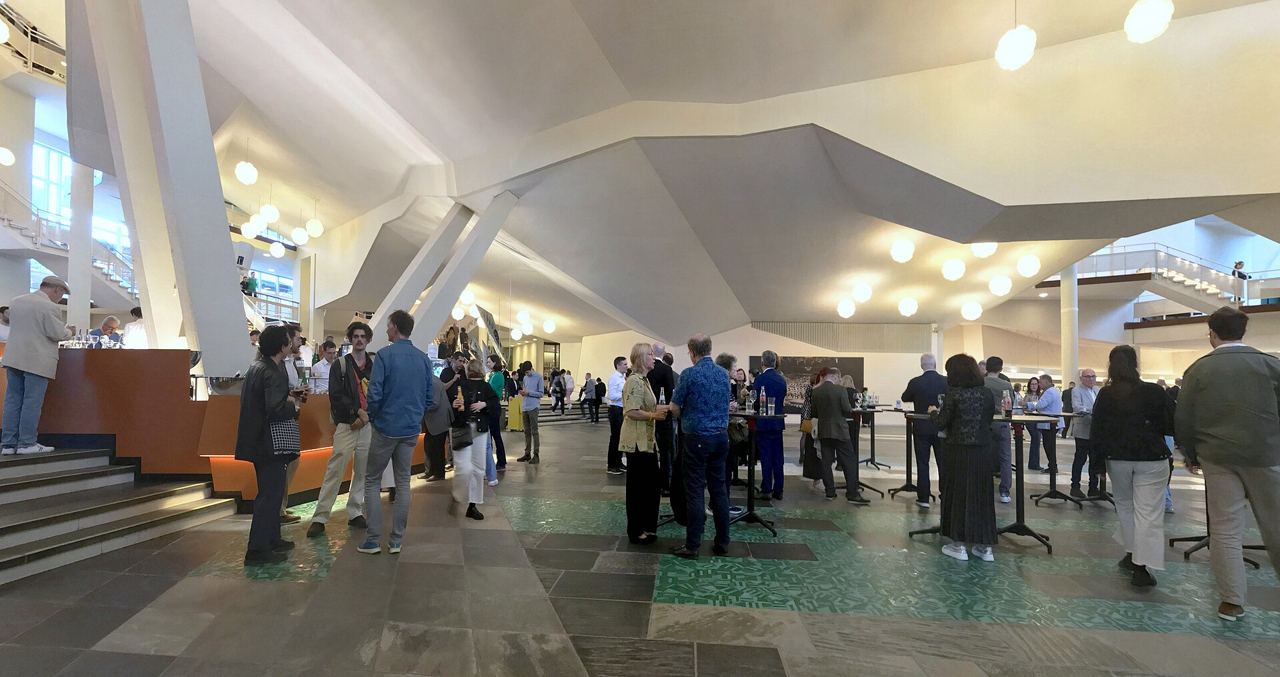
Lunch concerts at the Philharmonie, Berlin. Every Wednesday at 1pm from September to June, the foyer of Hans Scharoun’s main hall fills up for a free concert of about 40 to 50 minutes. Admission is free and there is no ticket and no reservation: every visitor takes a chip at the entrances to the Philharmonie and hands it back on passing through the barrier into the foyer. The house limits the number of listeners for security reasons, which is the real constraint — arrive early rather than on time. You cannot reserve a chip, and you cannot take one and leave the building.
There is no seating. None, except a limited number of places for visitors with a valid disabled pass, and folding chairs are not permitted for safety reasons. So it is three quarters of an hour standing on a concrete floor listening to members of the Berlin Philharmonic and its Karajan Academy, with guests from the Deutsches Symphonie-Orchester, the Staatskapelle Berlin and the city’s conservatories, and it costs nothing. Food is sold in the foyer from noon to 12:50, and you may not bring your own. Children are welcome, with the house’s own caveat that a child needs to be able to stay quiet for about 45 minutes.
What the cheap ticket actually costs you
Five of the nine mean standing, and standing is not a detail. At the Globe that is a whole play in the open air in whatever London weather arrives, with no umbrella allowed. Berlin is 45 minutes on a concrete floor. Toronto gives you a rail to lean on and Vienna gives you a subtitle screen, which are genuine kindnesses, but both still end with a three-hour opera and no chair.
Two of them mean not seeing properly. Paris says outright that a category 6 seat may have a very limited view or no view of the stage; Budapest says the view from its standing places is limited; Toronto warns that some of its Ring 3 places have the surtitles obstructed; Tokyo says part of the stage and the hanamichi may be out of sight from the fourth floor. If reading the words matters to you, that is the thing to check before you buy.
And most of them mean being somewhere at a particular minute. 10am in Vienna, noon the day before in Tokyo, 11am at a window in Toronto, two hours before curtain at the Palais Garnier, 11am on a Friday for the Globe’s rush release. Build the day around the sale, not the performance — it is the same discipline as the booking windows in our week-by-week calendar, just compressed into a single morning.
Four famous ones we could not verify
These schemes are real and widely reported. They are not on the list because we could not read the price and the rules on the venue’s own page, and a number repeated from a blog is not a number we will print. Every one of them is worth checking yourself before you travel.
The BBC Proms, Royal Albert Hall, London. Promming — standing in the Arena or the Gallery for a fraction of a seated ticket — is the most famous cheap ticket in classical music, and it is the one entry here that hurts to leave out. Neither the BBC’s Proms pages nor the Royal Albert Hall’s ticket pages would serve us their content when we checked, so there is no price, no on-sale time and no season date on this page. Go to bbc.co.uk/proms and royalalberthall.com directly, and note that the season is a fixed stretch of summer rather than a year-round scheme.

The Metropolitan Opera, New York. The Met runs rush tickets, and its ticketing pages sit behind a queueing system that would not serve us the content. Check metopera.org directly.
Teatro alla Scala, Milan. La Scala’s gallery entry tickets are the legendary cheap way in, and the house’s English ticket pages served us an unfinished template with the prices missing. We have no figure and no rule we can stand behind here, only the advice to look at teatroallascala.org rather than at a listicle.
The Royal Ballet and Opera, London. Friday Rush is a long-running weekly release at Covent Garden. The page returned a server error for us, so there is nothing here we can stand behind.
How to fit one into a trip
Start with the fixed ones, because they choose your dates rather than the other way round. Berlin’s lunch concerts are Wednesdays, September to June. Sumo happens six times a year, three of them in Tokyo. The Deutsche Oper’s Opera Days are eight published dates. Everything else — Vienna, Kabuki-za, the Globe, Paris, Toronto, Budapest — runs on most performance days through the season, so those you can slot in once the fixed ones are pinned.
Then budget honestly. Seven of the nine publish a price, every one of those is under $40, and five are under $15 — which means an evening at a world-class house can cost less than the dinner before it — a useful correction to the numbers in our real daily budget guide. And check the season: these are all city-center evenings in places where the shoulder months are cheaper and quieter, which our when not to go guide covers city by city.
The pattern underneath all nine is the same, and it is worth naming. These houses are not discounting; they are selling the places that were always awkward — the top floor, the back of a box, the standing rail, the lunch hour — at what those places are honestly worth. Nobody is doing you a favor, which is exactly why the arrangement is stable enough to plan a trip around.
So the practical version is short. Pick the city first, check the one page linked beside its name here, and put the sale time in your calendar rather than the curtain time. Then confirm the figure on the house’s own site in the week before you travel, because prices move and this page is a snapshot of September 2026.