
The test: can you actually go down there?
Half the places sold as underground tours are a museum at street level with a short stretch of tunnel at the end, and the other half are not tunnels at all — they are cellars, vaults, or a buried street. That distinction matters more than the ticket price, because underground is the whole reason to go. What follows is sorted by that one question. Seven places put you inside real sewer, drainage or water-supply infrastructure on a normal ticket. Three more open a few days a year and cannot be planned around. Three are famous, are underground, and are not sewers. Four you simply cannot do.
The other reason to know these: they are the best rain day in the city. An underground gallery does not get wetter. Paris, Brussels, Kasukabe and Puebla are fully enclosed, hold a steady cool temperature, and take about the same time as lunch — the kind of indoor anchor our rain playbook is built around.
The ones you can book
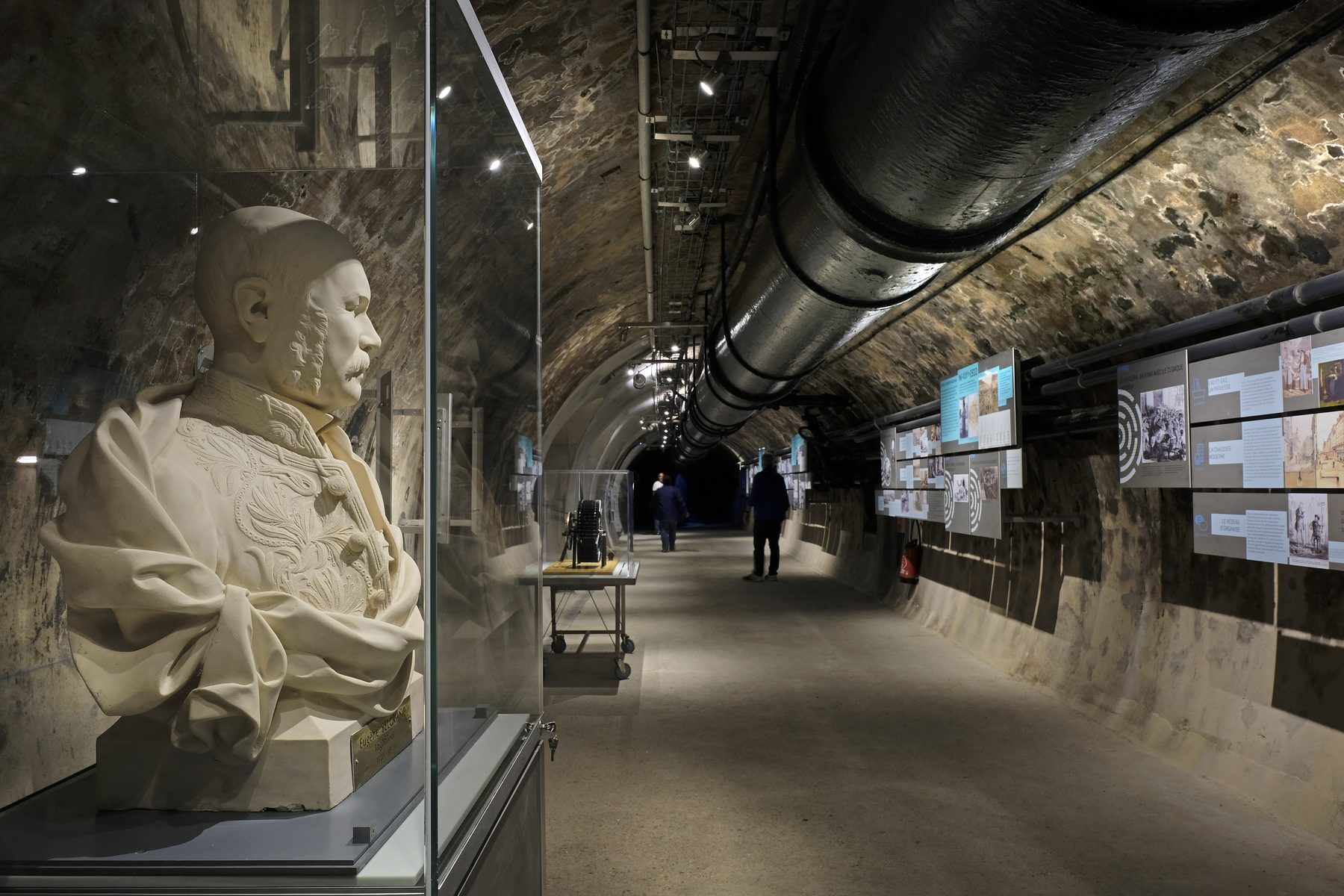
Musée des Égouts de Paris, France. The benchmark, and the one most people mean. You descend into a working section of the Paris sewer system and walk 500 meters of real gallery with museum panels set along live infrastructure. It takes 45 minutes to an hour and a quarter. Entry is €9 (about $10.50), €7 (about $8) reduced for seniors and large families, free under 26 for EU nationals and free under 18. Open Tuesday to Sunday, 10am to 5pm, last admission 4pm, closed May 1, December 25 and the first fifteen days of January. Book online, or email for a group. Not recommended for pregnant women or children under 5, and children must be accompanied. It is 13 degrees down there year-round, so it is a rain day and a heat day both. The entrance is on the Left Bank at the Alma bridge, Place Habib Bourguiba in the 7th — Alma-Marceau on Métro line 9, or RER C to Pont de l'Alma. Wheelchair accessible by elevator, and free for disabled visitors and a companion.
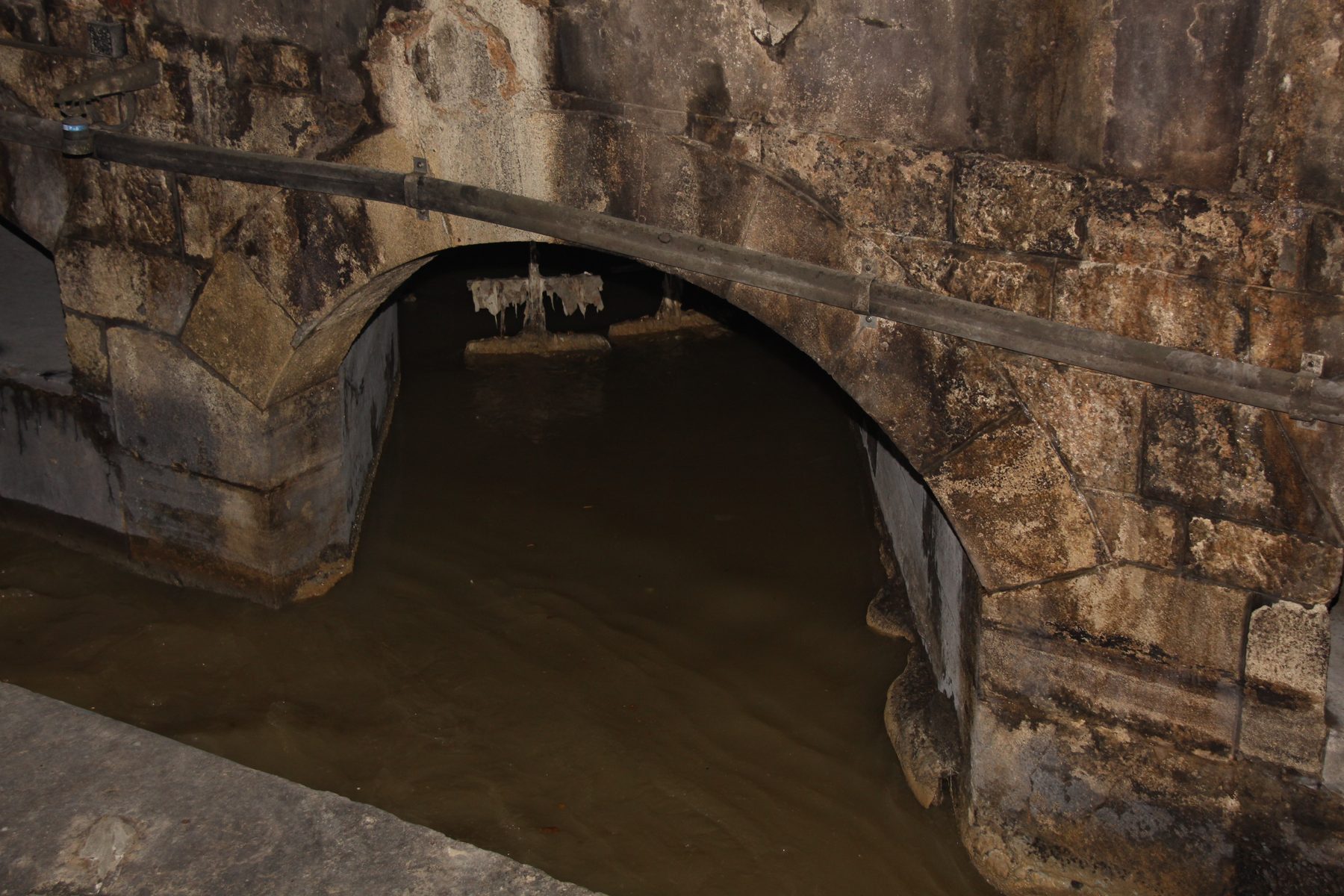
The Third Man Tour, Vienna, Austria. Run with Wien Kanal, the city sewer utility, through the same tunnels used for the chase in the 1949 film. It is a real working sewer, not a reconstruction. Tickets are €18 (about $21), €14 (about $16) reduced for students, civil servants and Vienna City Card holders, and €9 (about $10.50) for ages 12 to 18. The constraint is the season: May to October only, Thursday to Sunday, on the hour from 10am with the last tour at 7pm. English is at 3pm daily and every other departure is in German, so there is exactly one English tour a day. Reserve by phone on +43 1 4000-3033, Monday to Friday 7:30am to 4:30pm, or online; you collect and pay at the counter. Reservations for the year open in January. Meet at Karlsplatz-Girardipark in the 1st district, opposite Café Museum. Excellent in rain — if you are there in the right six months.
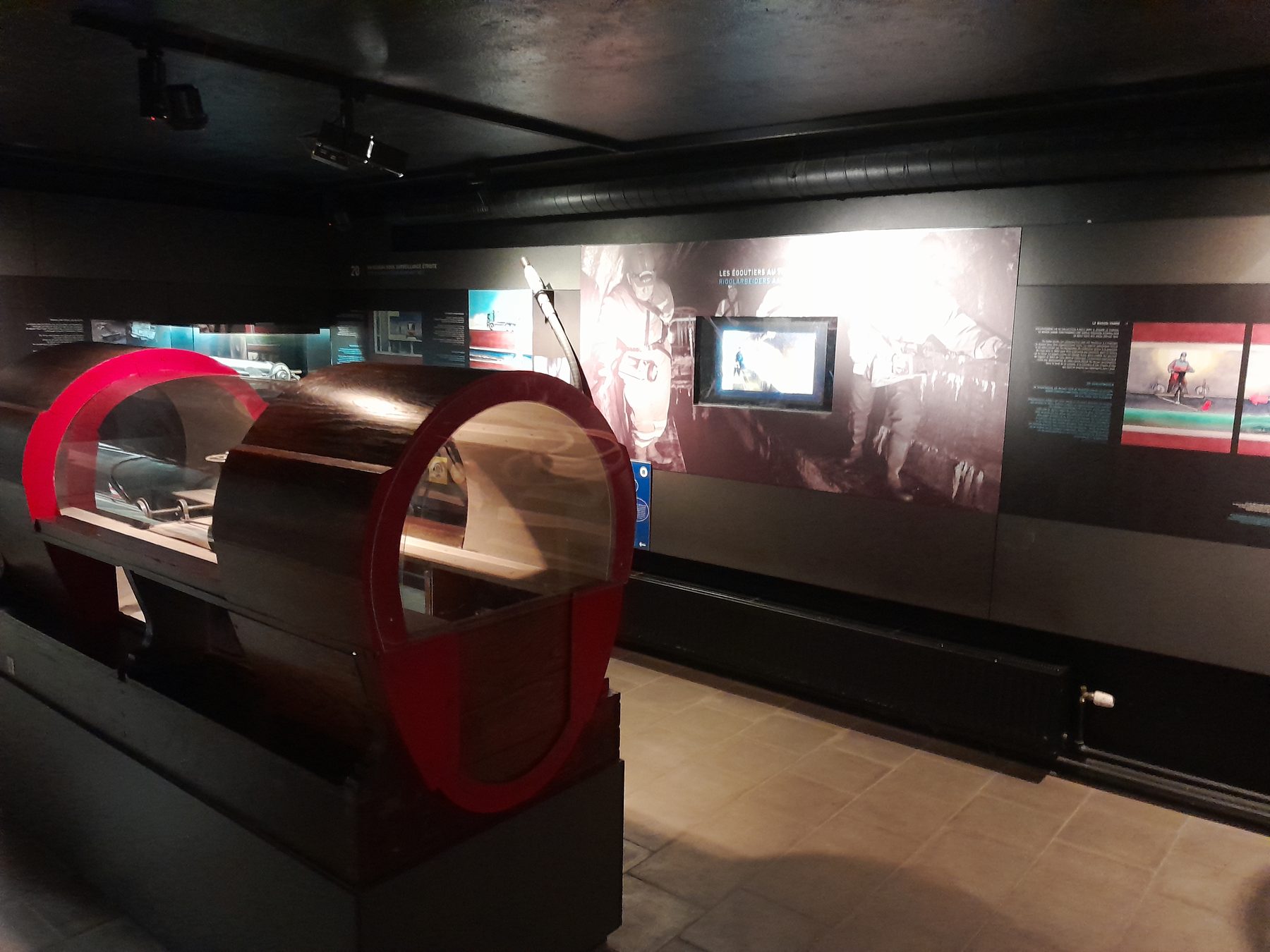
Sewer Museum, Brussels, Belgium. Run by the city with Vivaqua, the sewer utility, in a former toll house on the Porte d'Anderlecht, with a stretch of real Brussels sewer tunnel below the exhibits. Open Tuesday to Sunday, 10am to 5pm, closed Monday. Reserve through the online form and pay on site or by invoice. English, French and Dutch. Groups are the clearly priced option: €7 (about $8) a person without a guide, minimum 12 and maximum 25, or €100 (about $116) plus €7 a person with a guide. The walk-up adult price is not stated on the operator's own page — check it before you go rather than trusting a figure from elsewhere. Fully indoor and underground.
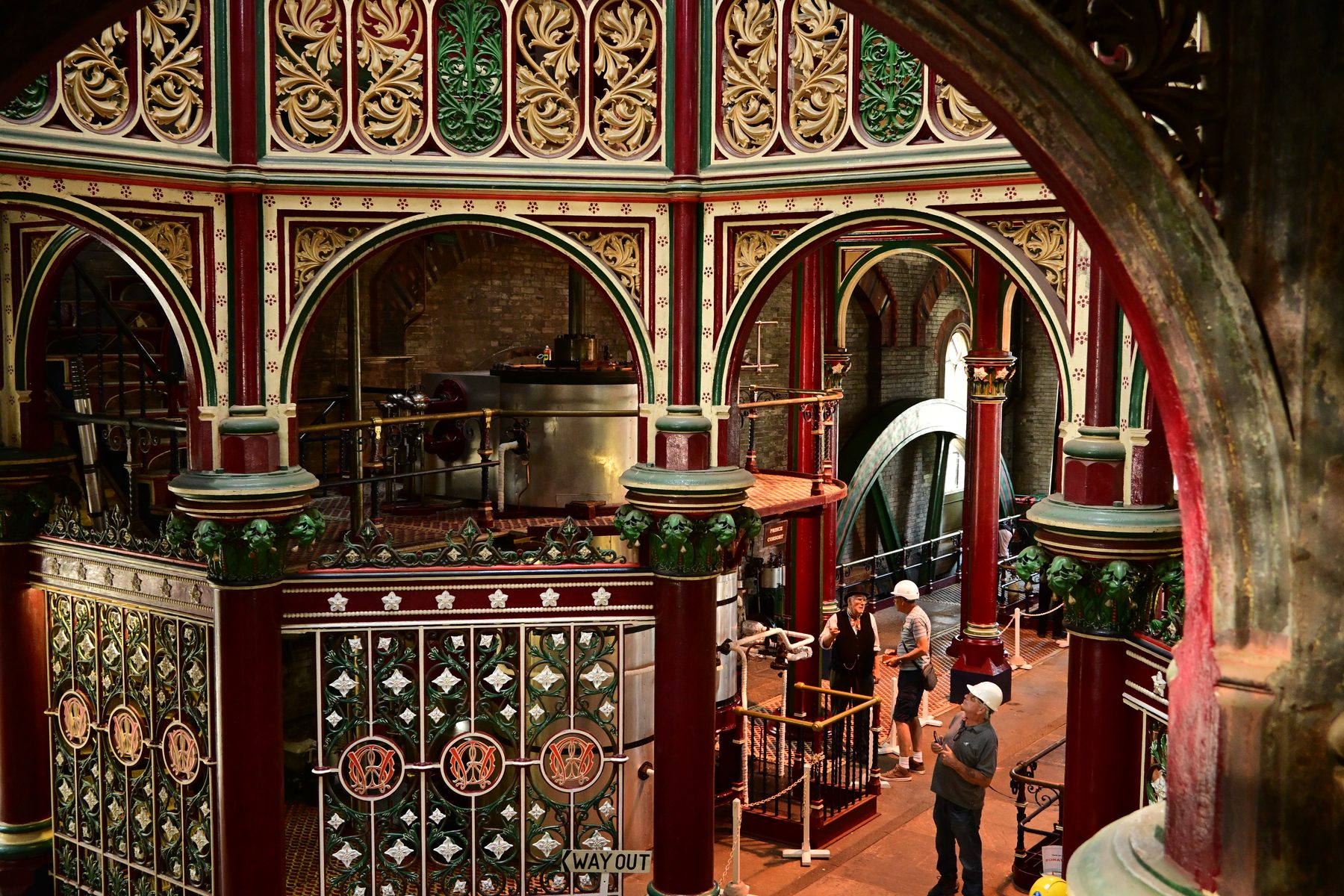
Crossness Pumping Station, Abbey Wood, London. Be clear on what this is: it is not a walkable sewer tunnel. It is the engine house of Sir Joseph Bazalgette's sewer system, and its cast-iron interior is the most ornate industrial room in Britain — painted Victorian ironwork wrapped around four beam engines. Adult tickets are £20.37 (about $27), or £22.50 with Gift Aid; children 5 to 17 are £7.19 (about $10), under 5 free, and families run £27.26 to £45.43 (about $37 to $61). It opens on selected dates only — Steaming Days and booked guided tours, never daily — and events often sell out, so book online well ahead. Indoor, but there are stairs and uneven surfaces, so it is not step-free. Abbey Wood station puts you there on the Elizabeth Line, National Rail or Thameslink, with a free vintage bus on event days.
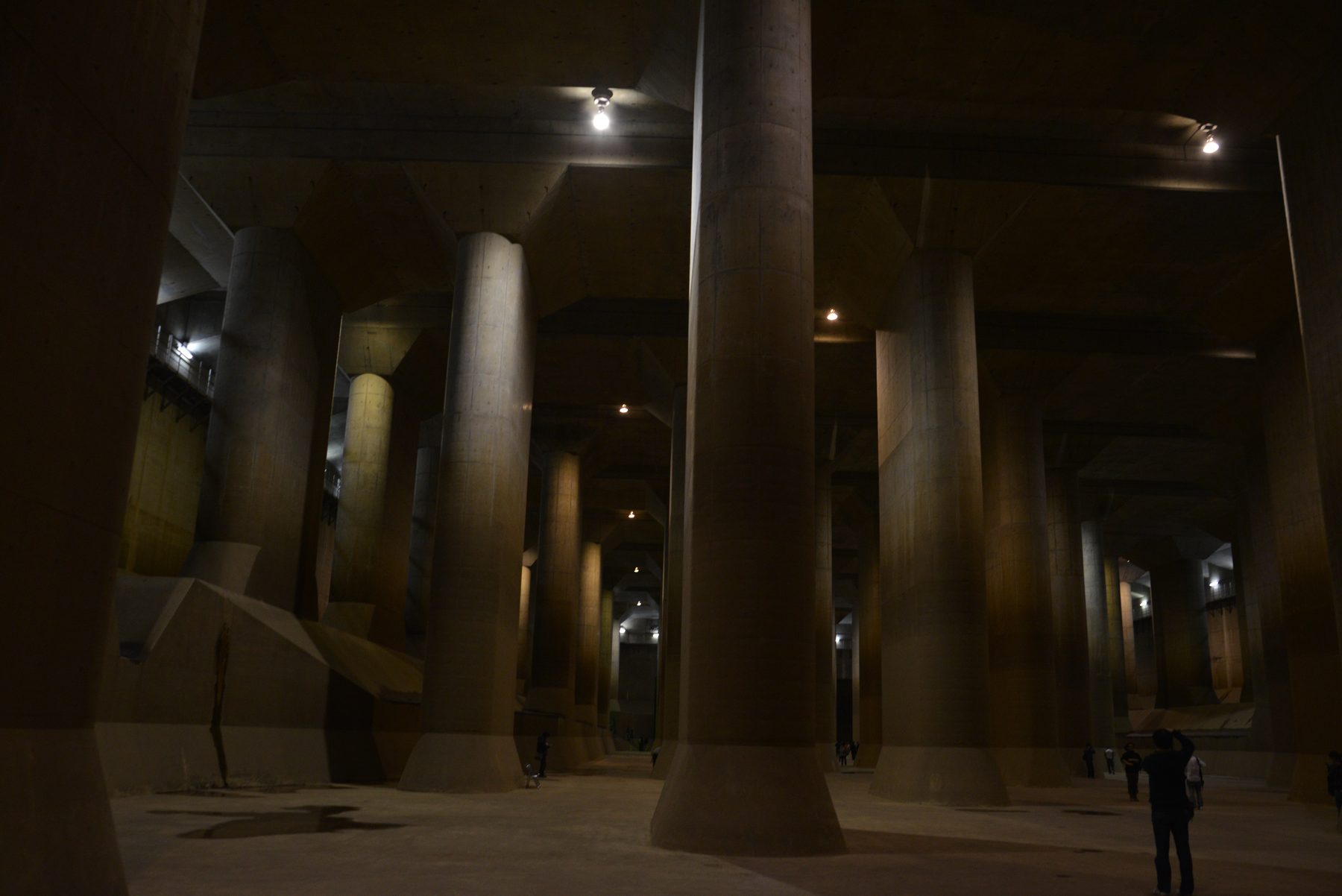
The Metropolitan Area Outer Underground Discharge Channel, Kasukabe, Japan. Flood control rather than sanitary sewer, and the most photographed underground space on this list: a hall held up by 59 concrete pillars, which is why everyone calls it the underground temple. Tours are booked through Tobu Top Tours under Japan's transport ministry, and there are four. The Underground Shrine Course is about 55 minutes, up to 50 people, ¥1,000 (about $6.50). The Pump Course is about 100 minutes, up to 20 people, ¥2,500 (about $16). The Vertical Shaft Experience Course is about 110 minutes, up to 20 people, ¥3,000 (about $19.50). School trips are ¥500 (about $3.25). Hours are 10am to 4pm and every course needs an advance reservation through the booking site named on the ministry page; the visitor line is 048-747-0281. Nearest station is Minami-Sakurai on the Tobu Urban Park Line, then a short hop by community bus or car. Prices quoted elsewhere differ from these — the ministry's own figures are the ones above.
The old wastewater treatment plant at Bubeneč, Prague, Czechia. William Heerlein Lindley's plant of 1895 to 1906, kept as a protected national monument: treatment equipment, sludge-handling machinery, and a steam engine room and boiler house that still work. Guided tours only, and only on Saturday and Sunday, at 10:00, 11:30, 13:30 and 15:00 — the 15:00 slot is built for ages 3 to 7, so pick another if you are not bringing a small child. Book online through vstupenky.staracistirna.cz. Groups need a minimum of ten paying visitors. The price is not published on the pages we could reach, so confirm it on the ticket site. Partly indoor: the operations building is enclosed, the plant grounds are not, so it is a good rain plan rather than a perfect one.
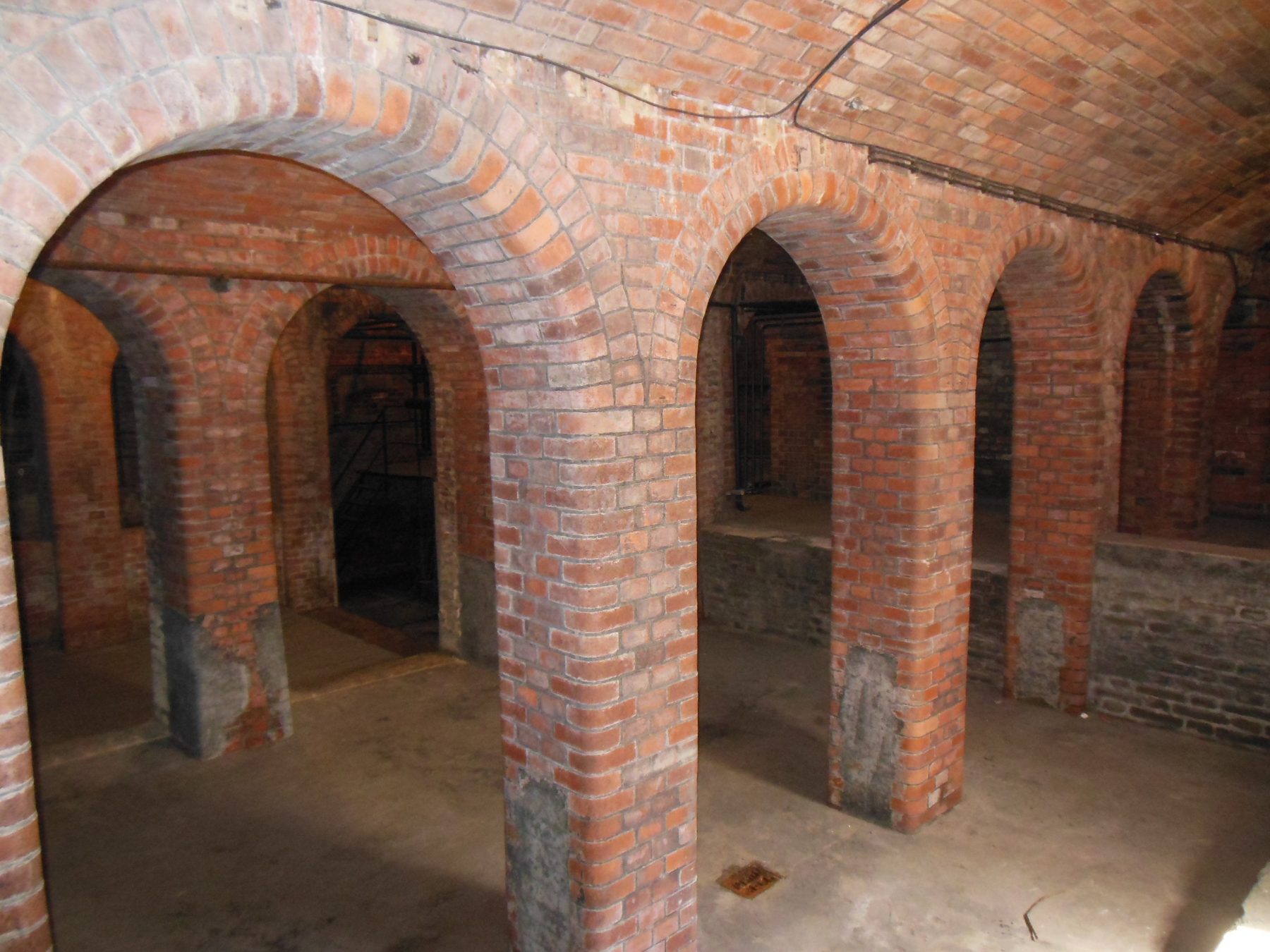
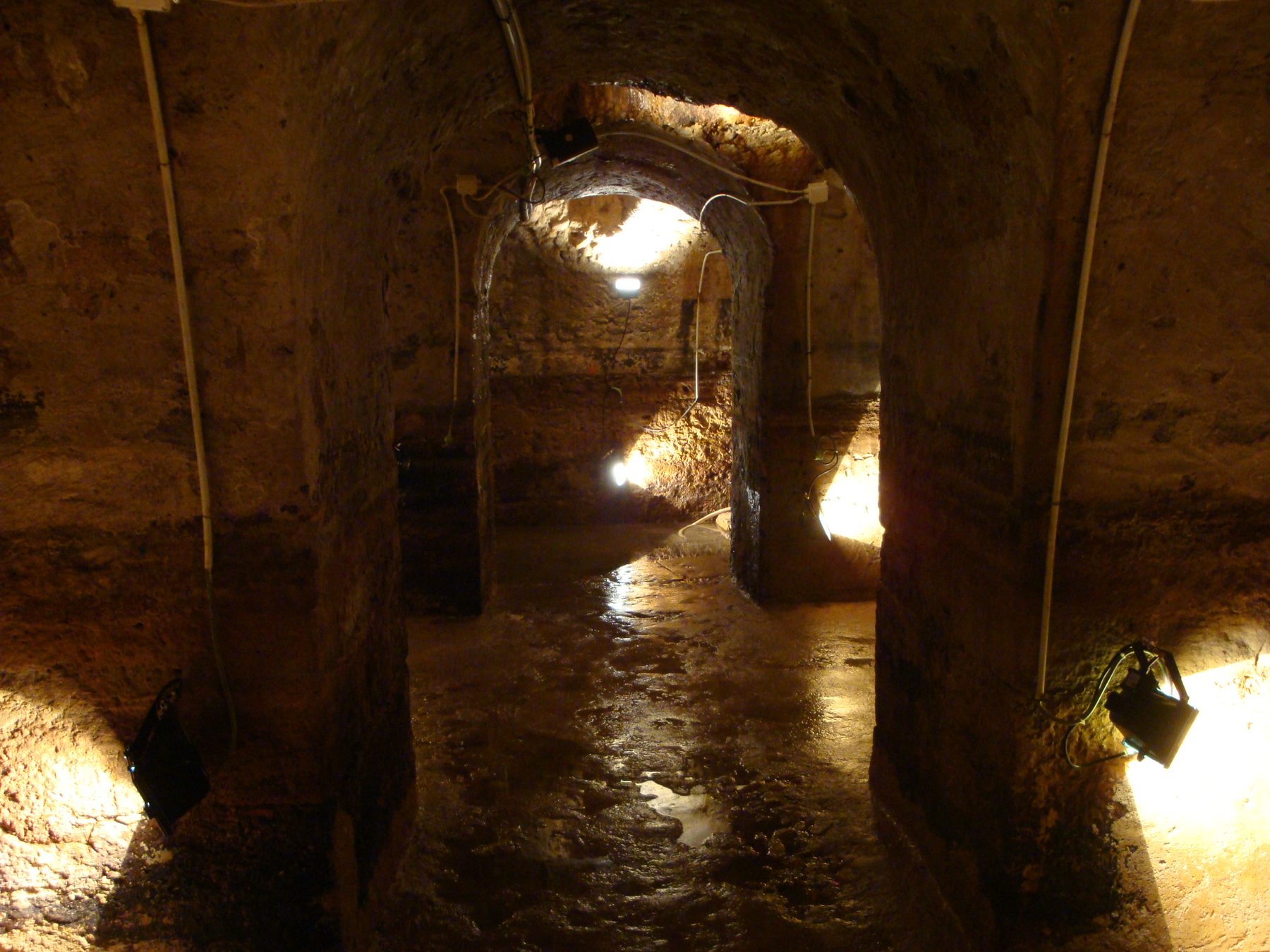
Secretos de Puebla, Puebla, Mexico. The cheapest real underground walk anywhere on this page and the one nobody outside Mexico has heard of. These are colonial water channels — an acequia maestra built between 1531 and 1606 to feed orchards and turn mill wheels, lost, and rediscovered in 2011. Not sewers, but genuinely subterranean: 477 meters of tunnel are open to walk. General admission is 34 pesos (about $2), students, teachers and seniors pay 15 pesos (about $0.90) with valid ID, under-12s are free, and every Tuesday is free for everyone. One ticket covers both the Pasaje Histórico 5 de Mayo and the Puente de Bubas. Open Tuesday to Sunday, 10am to 4pm, with free guided walks included and no reservation needed. Calle 2 Norte 2602-A, Barrio de Xanenetla.
The rare open days you cannot plan a trip around
Three places open a handful of days a year, on dates that move. Treat them as a bonus if your trip happens to land on one, never as the reason to fly.
Galerias Romanas, Rua da Prata, Lisbon. First-century Roman galleries under a downtown street — a cryptoporticus, built as structural support, not a sewer, and flooded for most of the year. The usual pattern is a few days in April and a few in September, but the operator states that the April 2026 opening did not go ahead, and dates vary from year to year. Watch the Museu de Lisboa's own page rather than a listicle, and expect the openings to be announced late.
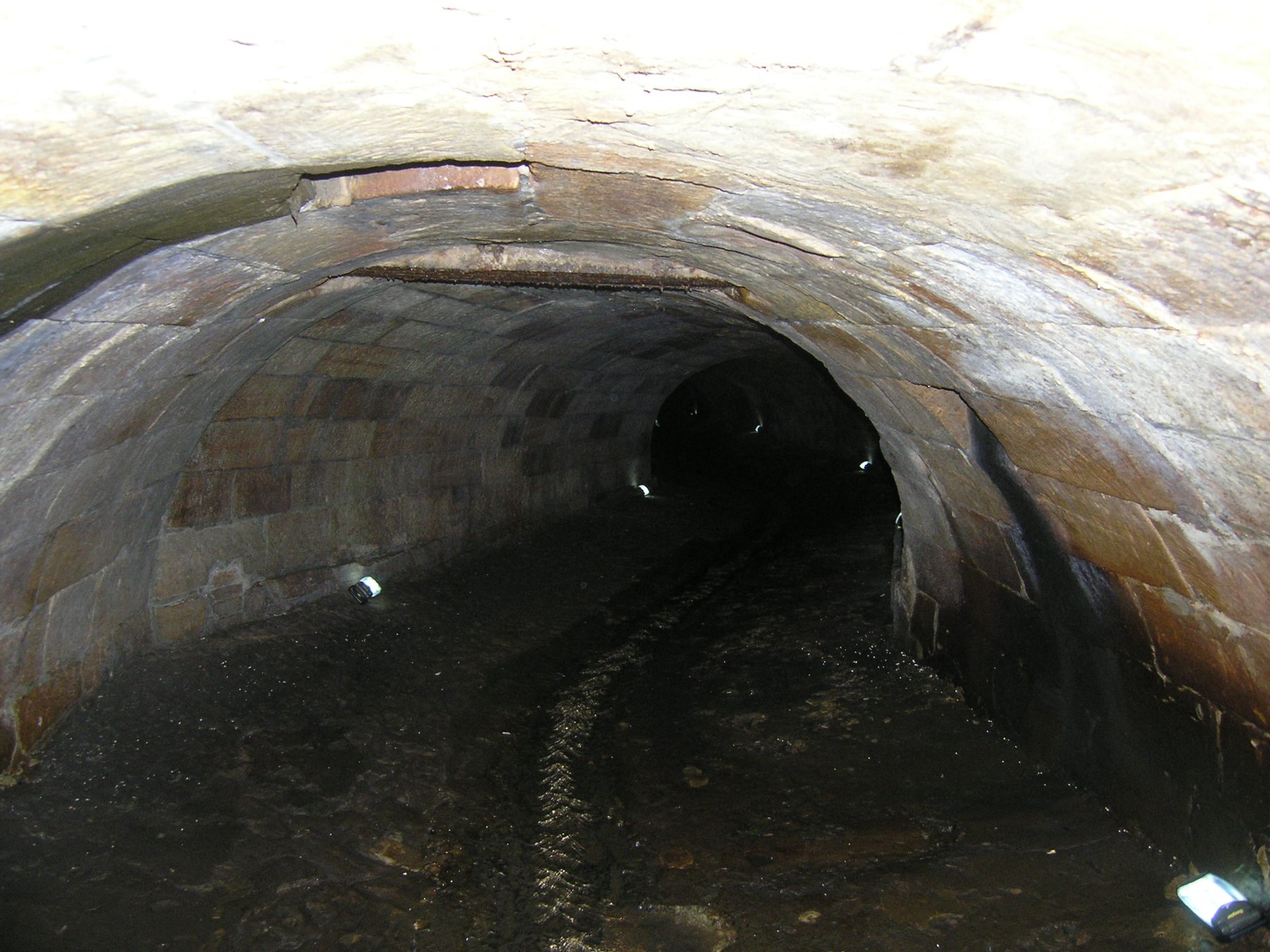
The Tank Stream, Sydney, Australia. Sixty meters of the colonial-era stone channel that was Sydney's first water supply, later used as a drain, now sealed under the central business district. Access has historically come through Sydney Open, the annual open-buildings day run by Museums of History NSW with Sydney Water. The lineup for a given year is published shortly beforehand, and the Tank Stream is not guaranteed to be in it. Rare open days, confirm on the operator's site.
Spotswood Pumping Station, Melbourne, Australia. A real municipal sewage pumping station that moved Melbourne's sewage from 1898 to 1965, preserved at Scienceworks with its steam engines and boilers demonstrated on compressed air, including the Austral Otis engine. Guided access is limited and scheduled. Rare open days, confirm on the operator's site.
Underground, popular, and not sewers
Three tours come up in every search for this and are none of them sewers. They are all worth doing. They are just a different thing.
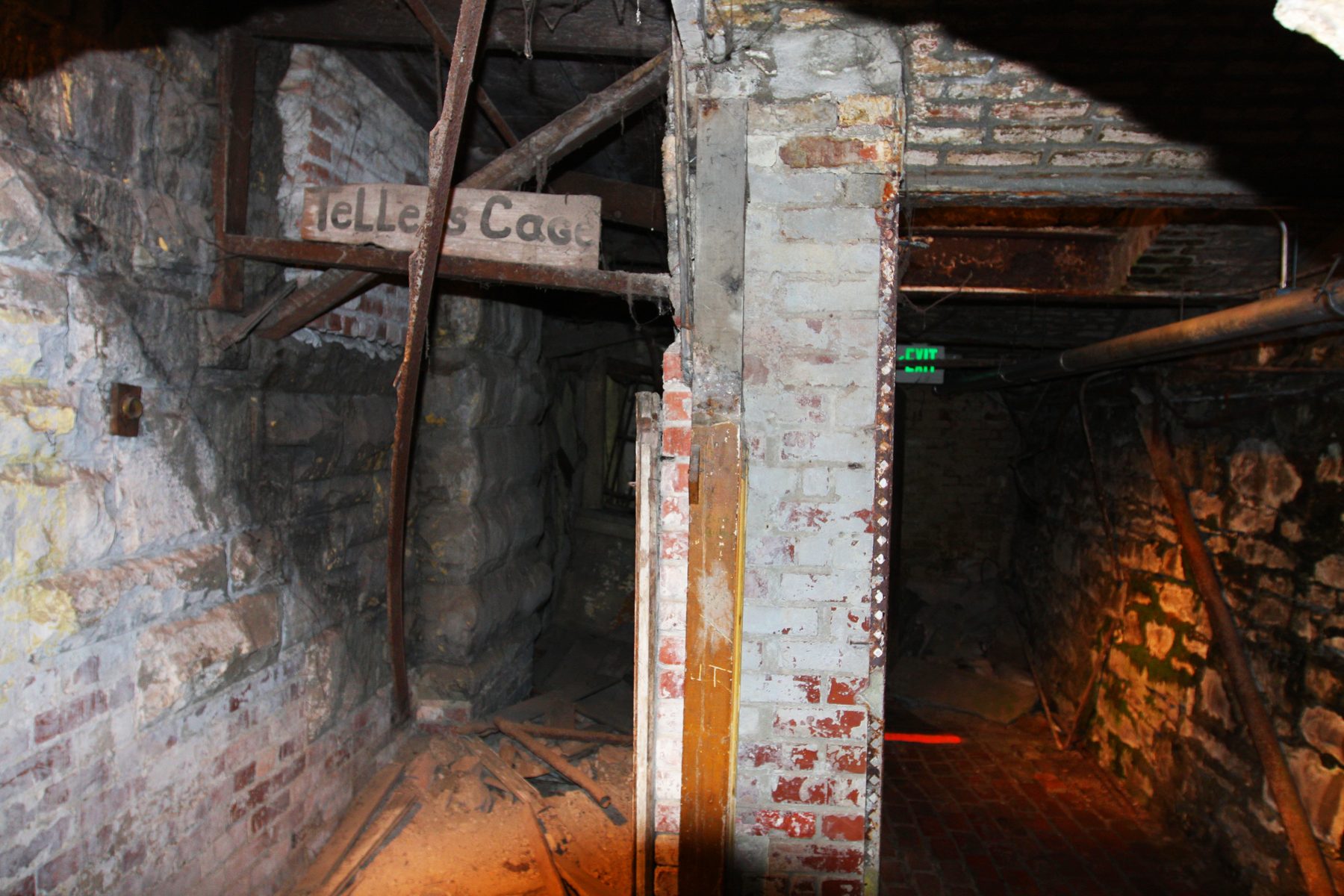
Bill Speidel's Underground Tour, Seattle. Storefronts and sidewalks at the old street level, entombed when the city regraded after the 1889 fire — buried city, not utility infrastructure. Seventy-five minutes, daily, 10am to 6pm, from Pioneer Square.
Berliner Unterwelten, Berlin. Cold War bunkers and the Rudow spy tunnel. The 90-minute Subways, Bunkers, Cold War tour is €18 (about $21), €13 (about $15) reduced, booked online only, starting at Gesundbrunnen.
The Edinburgh vaults. The South Bridge vaults and Mary King's Close are storage and dwelling spaces under bridge arches and closes. Genuinely underground, genuinely old, and not drainage of any kind.
The ones you cannot do
The Cloaca Maxima, Rome. The most famous sewer in the world, still partly functioning after 2,500 years, and closed to the public for safety and preservation. You can see the arched mouth on the Tiber embankment between Ponte Palatino and Ponte Rotto, and a door to it by the Basilica Julia stairs in the Forum. Viewable, never enterable.
Brighton, England. Southern Water ran a walk through a working Victorian sewer from the Palace Pier to Old Steine Gardens for more than fifty years, about 366 meters, roughly an hour, capped at 25 people. The booking domain no longer resolves. What Southern Water runs now, Beyond the Drain, is a free educational visit to working wastewater treatment works at Peacehaven, Hastings and Havant, aimed at school groups — not a tunnel walk.
Hamburg, Germany. The city's sewer museum closed in March 2009 and nothing replaced it. Hamburg Wasser runs treatment plant tours and occasionally opens the Alsterdüker on the Day of Open Monuments; neither is a sewer walk.
Copenhagen, Denmark. There is no sewer museum and no sewer tour. The Cisternerne under Frederiksberg is a former drinking-water cistern turned art space, which is a lovely afternoon and a different subject.
How to fit one into a trip
Four of the seven bookable ones close on Monday, and Prague opens only on weekends — so an underground day is a Tuesday-to-Sunday decision, the same constraint our week-by-week calendar tracks for everything else. Vienna is the one to check first, because it disappears entirely from November to April. Book Crossness and Kasukabe well ahead; walk up in Puebla; reserve online in Paris the morning of, if you want to.