
The trip was booked eight months ago, on an afternoon when three tabs were open and one of them said October is the perfect time to visit. It is now October. It has rained for four days. The thing you flew for is a shape behind cloud, the cafe you are sitting in is the third cafe you have sat in today, and someone at the next table is saying that you really want to come back in April.
Nothing went wrong, exactly. You did the research. The problem is what travel research is made of: best time to visit, top ten months, when to go. Written to be agreeable, optimized for a search phrase, and almost never willing to name the fortnight that will cost you the trip — because naming it means telling somebody not to come.
So this is the inverse article. Twenty cities, the window to keep off the calendar, and the specific reason: a monsoon, a mean daily maximum, a festival hiding inside what looks like shoulder season. Every figure here was verified for an earlier PoppaTrip guide rather than gathered fresh for this one, and where we could not honestly name a better week, the row says nothing instead of guessing.
The twenty windows
Read the reason column before the month. A rain month and a crowd month are not the same kind of problem, and they do not deserve the same response: you can plan around rain inside the day, but you cannot plan your way out of a city where every room is booked and every ticket is gone.
The four categories below are: rain, where the climate is against you for weeks at a time; heat, where the average afternoon is genuinely dangerous rather than merely unpleasant; crowds, where the weather is fine and the city is full; and myth, where the month everybody avoids is not actually the bad one.
| City | Avoid | Reason | Why, exactly | Go instead |
|---|---|---|---|---|
| Tokyo | Early June to mid-July | rain | The tsuyu, or plum rain: it opens around June 7 and breaks around July 19 on the long-run average, and June averages about 168mm. October is the wettest month of all by the normals, which is the trap, because it is the month sold as crisp autumn. | Mid-May, after Golden Week |
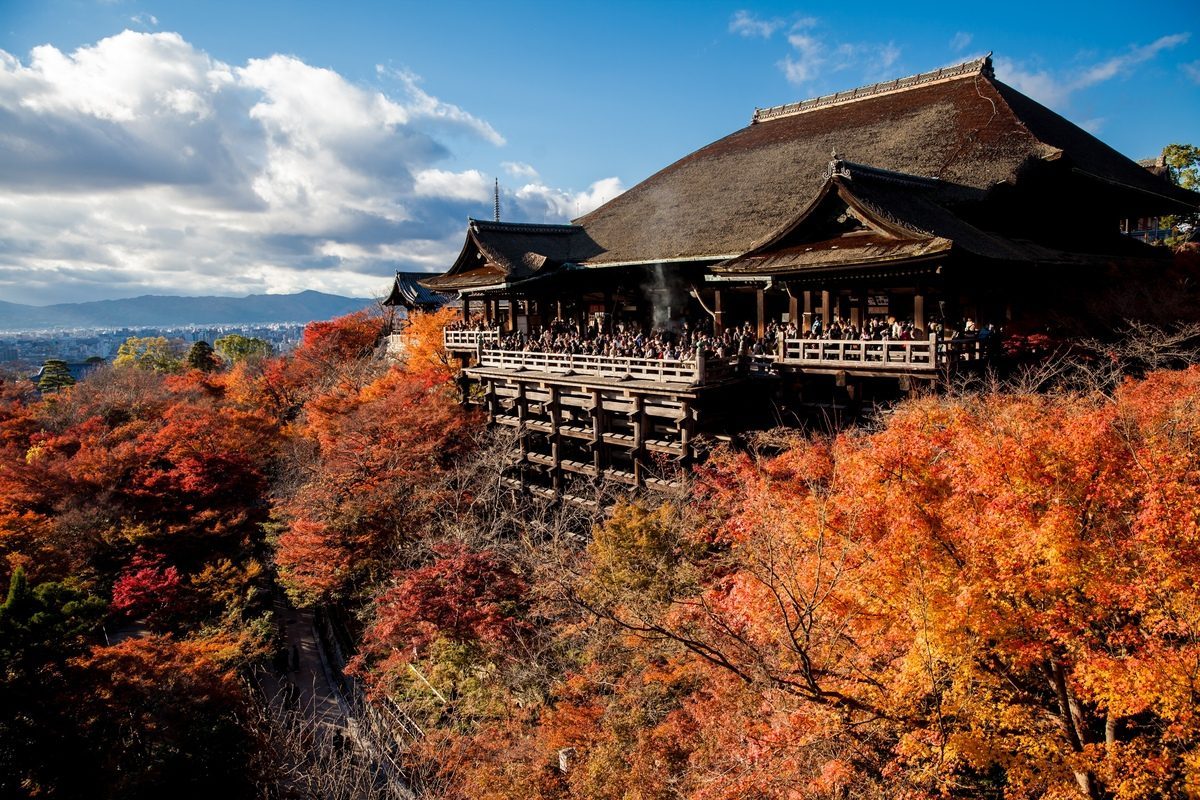
| Kyoto | The last two weeks of November | crowds | Peak foliage and the heaviest crowd of the Kyoto year are the same fortnight. The leaves are real; so is standing in a line at Kiyomizu that does not move. | The first week of December |
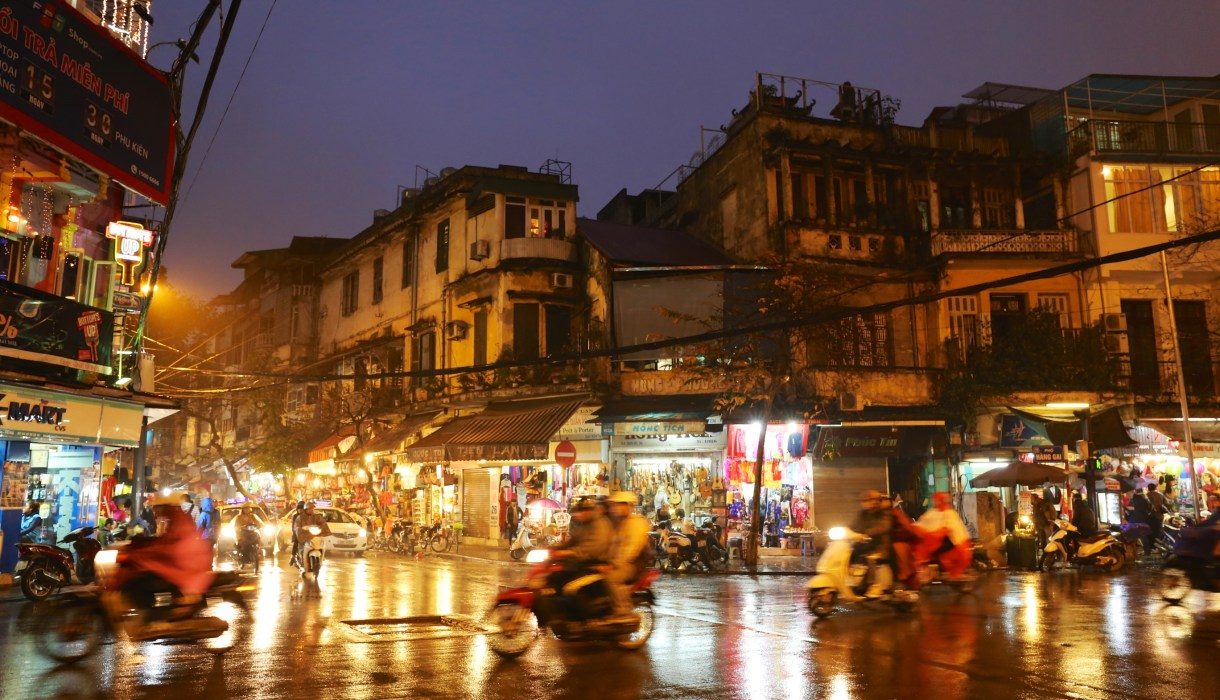
| Hanoi | May to September | rain | Over 250mm a month from June through September. August is the wettest at around 338mm across roughly seventeen rainy days. | no better week we can verify |
| Mumbai | June to September | rain | The southwest monsoon, usually onset in the first half of June. More than 2,000mm falls inside those four months, most of it in July. | no better week we can verify |
| Cape Town | May to August | rain | Southern-hemisphere winter, which catches out anyone reading the months as if they were European. June peaks near 93mm; the summer months are close to bone dry. | no better week we can verify |
| Porto | The week of June 23 | crowds | Sao Joao is the biggest night of the year dropped into the middle of a month that reads as quiet shoulder season. Separately, December peaks near 170mm of rain over fifteen or sixteen days. | The second week of June |
| Delhi | April to June | heat | The pre-monsoon build. May averages a daily high of 41.2C at Ayanagar and June is barely cooler; the all-time high is 49.9C. This is not a heatwave, it is the season. | no better week we can verify |
| Dubai | June to September | heat | August averages 42.1C and July 41.7C. Of every city on this page, this is the one where 38C would count as a mild afternoon. | no better week we can verify |
| Phoenix | June to September | heat | July averages 41.4C. In 2023 the city ran thirty-one consecutive days at or above 43C, and reached it on fifty-four days in all. | no better week we can verify |
| Seville | June to September | heat | July averages 36.3C at the airport, and the city holds a 46.6C reading from July 1995. Andalusia is where a European summer stops being rhetorical. | no better week we can verify |
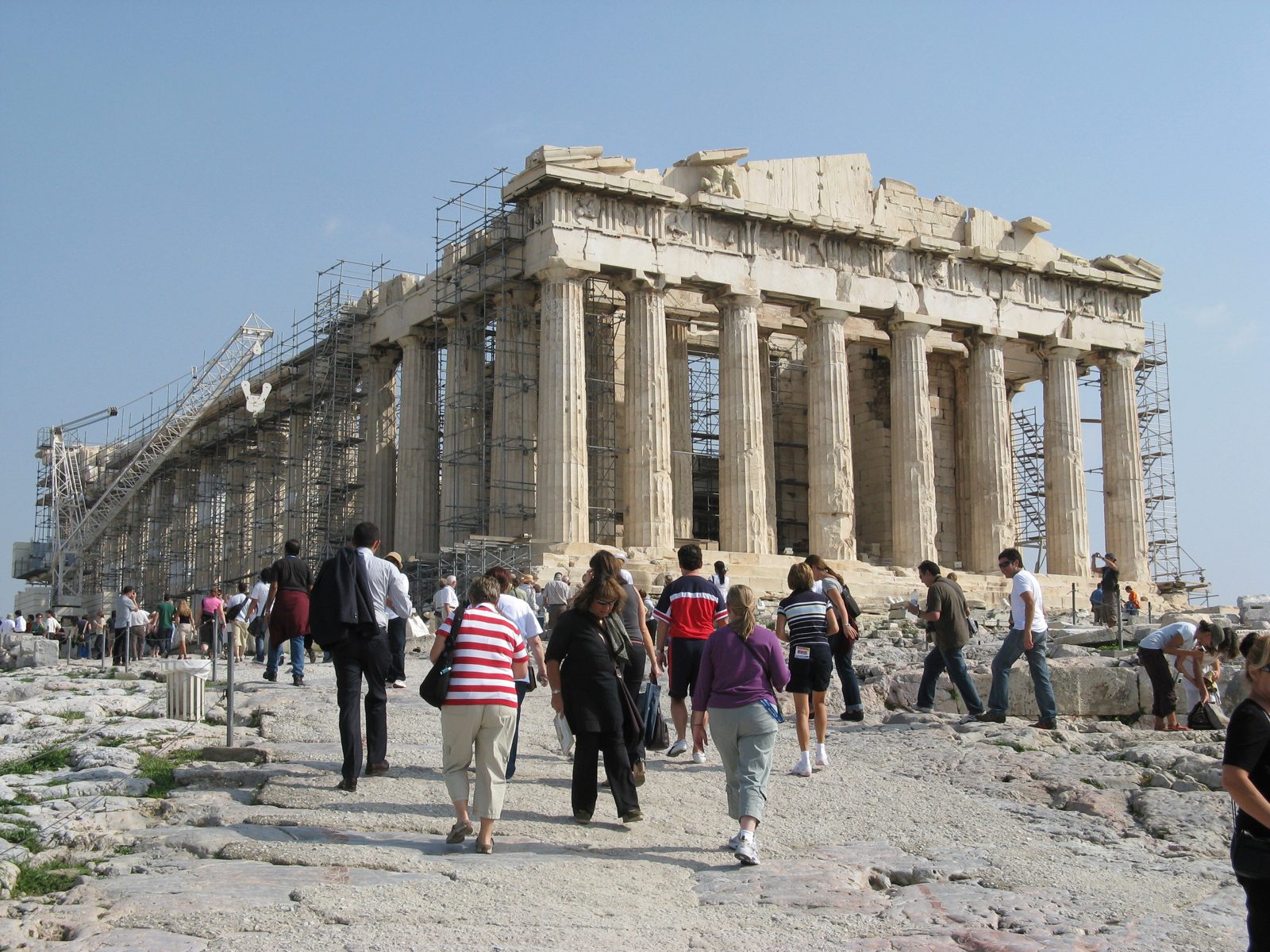
| Athens | June to August | heat | Downtown averages 34.3C in July and August, against 32.2C at a coastal station — the gap is the point. The metropolitan area also holds Europe’s highest officially recorded temperature, 48.0C in July 1977. | no better week we can verify |
| Rome | March 21-28, 2027 | crowds | Easter falls about as early as it can in 2027 — March 28 — which drags the whole Holy Week crush back into a March that otherwise looks like low season. | The second week of January onward |
| Shanghai | October 1-7 | crowds | Golden Week. The weather one week later is the same weather, without the crowd — this is the cleanest single-week swap on the whole list. | October 8-14 |
| Beijing | October 1-7, and the May 1 holiday week | crowds | The Forbidden City, the National Museum and the Temple of Heaven all run on real-name passport reservations released about seven days ahead. In a national holiday week they are gone in minutes, and no amount of turning up early fixes it. | no better week we can verify |
| New York City | The third week of September | crowds | The UN General Assembly, which is invisible on every season chart and closes streets, moves motorcades through midtown and takes the hotel rooms with it. | Mid-January to mid-February |
| Paris | Late September into early October | crowds | Fashion Week sits precisely inside the shoulder window that every best-time-to-go article recommends. The weather is lovely and the rooms are not available. | The first three weeks of August |
| Mexico City | Late October to mid-November | crowds | Day of the Dead, the Grand Prix and concert season stack into the same three weeks. Worth going for on purpose; expensive to walk into by accident. | All of July |
| Los Angeles | Early June | myth | June Gloom: gray coastal mornings that burn off late, charged at full summer prices. The month people book for the beach is the month the beach is overcast. | The two weeks after Labor Day |
| Istanbul | Mid-April weekends | myth | The Tulip Festival fills a month that reads as quiet spring. The heat, meanwhile, is overrated as a reason to avoid summer: the July and August mean daily maximum is 29.7C — the problem is that almost every line in the city is in direct sun. | The last two weeks of September |
| Bangkok | March to May — not the summer holidays | myth | The hottest month is April, averaging 35.7C, and Bangkok has never officially recorded 38C in July or August. Everyone avoids the wrong months here. | no better week we can verify |
Rain is a season, not a forecast
The mistake is checking a ten-day forecast for a decision made three months out. What you want at booking time is the climatology — does this city have a wet season, and are you walking into the middle of it? That question has a boring, stable, reliable answer, which a weather app does not.
The distinction that matters inside a wet season is frequency versus duration. Singapore's wet phase brings around 270mm across roughly twenty-five days in December: it rains often, not all day, and an itinerary with covered ground in it barely notices. Mumbai in July is the other thing entirely — more than 2,000mm falls across the monsoon, and no amount of clever sequencing turns that into a walking holiday.
Tokyo is the one worth staring at, because it breaks the rule everyone has internalized. The tsuyu in June is well known and duly avoided. October, sold everywhere as the crisp autumn month, is by the normals the wettest month of Tokyo's year.
Heat is the one where the average is the whole story
For most of the crowd entries on this list, the worst case is a wasted weekend. For the heat entries it is a hospital, and the people it takes are disproportionately the older ones. That asymmetry is why the heat rows name seasons rather than weeks.
There is a real difference between a city where 38C is an event and a city where it is Tuesday. Rome and Athens spike; Delhi in May and Phoenix in July simply are that. Delhi averages 41.2C in May at Ayanagar. Phoenix ran thirty-one consecutive days at or above 43C in 2023. Those are not warnings about a bad year, they are the ordinary shape of the season.
The corollary is that some famously hot places are miscast. Bangkok's hottest month is April, not August, and it has never officially recorded 38C in July or August at all. Istanbul's July and August mean daily maximum is 29.7C. Both get avoided in the wrong months by people who have never looked at the numbers.
The trap week hides inside the good month
The crowd entries are the ones that genuinely catch experienced travelers, because they are invisible at the resolution most planning happens at. Nobody books a month; they book a week. But every seasonality chart, every when-to-go article and every price graph is drawn by month, and a monthly average cannot show you that the third week of September is the week the United Nations meets in midtown Manhattan.
The pattern repeats: Fashion Week inside the perfect-looking Paris shoulder, the Tulip Festival inside quiet Istanbul spring, Sao Joao inside a soft June in Porto, Day of the Dead and a Grand Prix and concert season stacked into three Mexico City weeks. In every case the month is a good month. The week is not.
Golden Week in Shanghai is the cleanest illustration on the page, because the fix costs nothing: October 1 to 7 and October 8 to 14 are the same weather in the same city, and only one of them has the crowd. Beijing is the same holiday with a harder edge, because its major sites run on real-name passport reservations released about a week ahead — in a national holiday week those are gone in minutes, and arriving early does not help.
And 2027 moves one of them. Easter falls on March 28, about as early as it can, which pulls the Holy Week crush in Rome back into a March that every chart still colors as low season.
What to do with a bad month you cannot move
Most of the time the dates are not yours to choose. School holidays, someone else's wedding, the only week of leave you were given. In that case the useful question is not whether to go but what to change, and the answer differs by category.
In a rain month, change the shape of the day: put an indoor anchor in every afternoon, keep the outdoor thing early, and hold one covered fallback within walking distance of wherever you will be at three o'clock. In a heat month, change the hours — leave a deliberate hole in the middle of the day and do the exposed sites at opening. In a crowd week, change the sequence: book the ticketed things the instant the window opens, and move everything unticketed to the days either side of the peak.
That is the part PoppaTrip does for you. The wizard asks how you handle rain and heat, and the planner keeps exposed stops out of the wrong hours and puts the covered options where a bad afternoon can find them.
None of this is a reason not to go. Kyoto in peak foliage is genuinely spectacular and so is Day of the Dead in Mexico City — the entries above are only saying that they are worth choosing on purpose rather than walking into by accident, at the price the week actually charges.
The habit worth keeping is small: before booking, look up what is on that week, not just what the month is like. Nearly every trap on this page would have been caught by that one question.