

Fifty dollars a day sounds like one number. It is not. In Hanoi it is more money than a full sightseeing day needs — street food, a taxi or two, a temple, coffee, and change left over. In New York it does not cover a real day at all: by the time a subway pass, two meals and one paid attraction are on the page, fifty dollars is already gone before dinner.
Every travel-budget post promises a single number for a city and moves on. The honest version is messier and more useful: what a dollar buys depends entirely on where you spend it, and the gap between cities at the same budget is the actual story.
So here is the same three numbers — $50, $100, $200 a day, per person, food plus transit plus one attraction plus a coffee — run against twelve cities, with the hotel room deliberately left out and priced separately, and with the honest caveat that every figure below is triangulated from 2025-2026 travel-cost blogs and roundups, not audited prices. Individual sources disagree by 20-40% on any given city. Treat these as roughly right, not exact — that disagreement is itself one of the findings.
The same number, a completely different day
The table below is the whole article compressed. Read it city by city and the pattern is immediate: $50/day is an “excess” word in Hanoi and Bangkok and a “does not cover it” sentence in New York. $200/day is quoted as the local luxury ceiling in Prague and Bangkok, but merely “comfortable, not yet luxury” in Tokyo and Barcelona. That gap — not the raw dollar figures — is the actual finding here.
One row needs a footnote before you trust it: Cusco. Its $50/100/200 figures cover food, transit, one attraction and coffee like every other row — but deliberately exclude the Boleto Turístico (the regional tourist pass) and the Machu Picchu entry, which are bought once, separately, and don't fit a daily figure. More on that below.
| City | $50/day | $100/day | $200/day |
|---|---|---|---|
| Hanoi | A generous mid-range day, taxis included | A luxury local day with a private driver | More than a full day needs — souvenirs and extras |
| Mexico City | A comfortable mid-range day | Two nice meals plus a day trip | Fine dining and a private guide |
| Istanbul | A full day, comfortably, with money left | A headline site plus a proper dinner | Top restaurants, Bosphorus views |
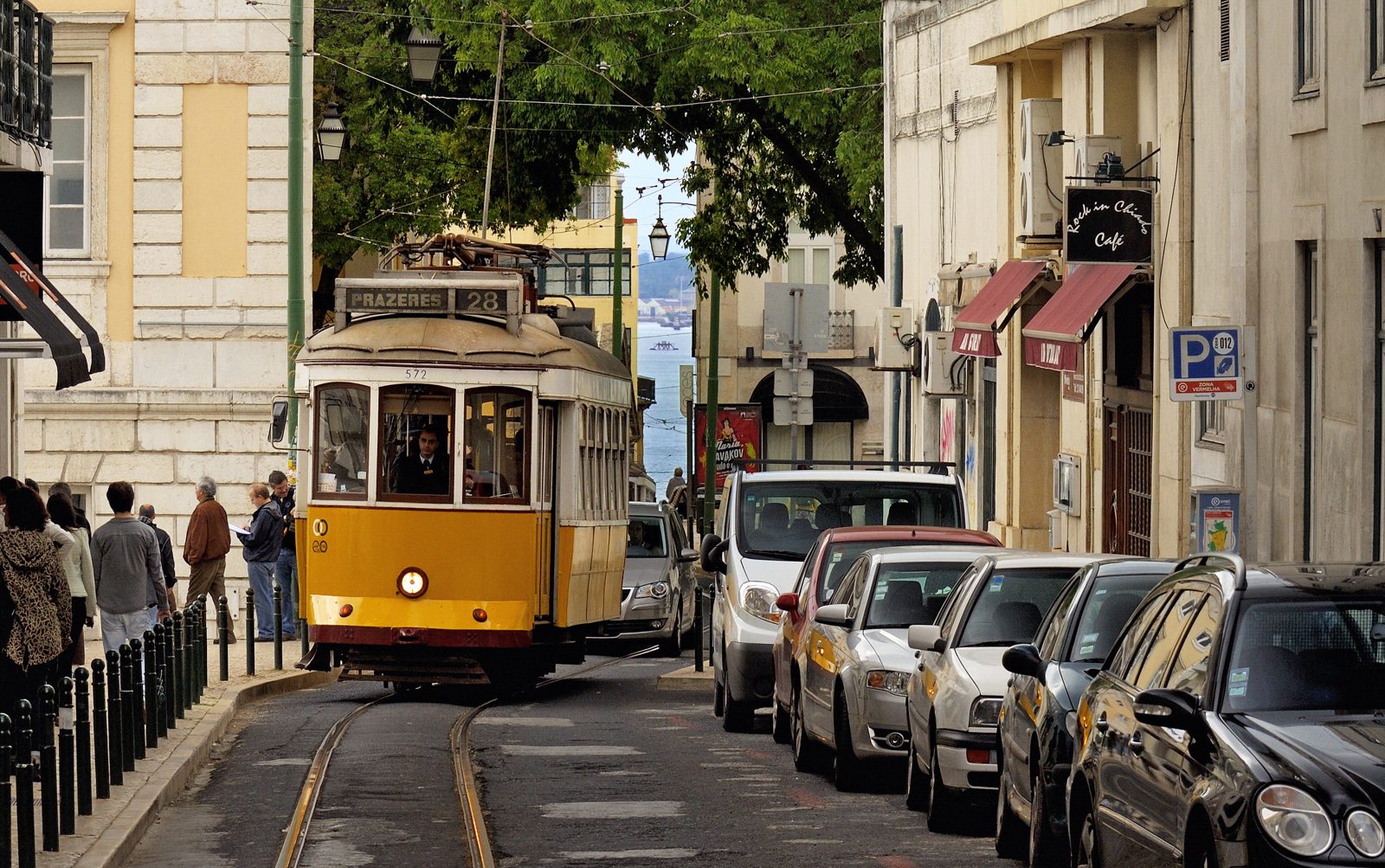
| Lisbon | A comfortable mid-range day | Two restaurant meals, multiple sights | Fine dining, private tours |
| Bangkok | Generous, with money left over | Excess for a normal day | A luxury splurge, even by local standards |
| Prague | Comfortable | A no-compromise day | Matches the local “luxury” bracket |
| Tokyo | Tight — one cheap sight only | Comfortable mid-range | Solid mid-to-comfortable, not luxury yet |
| Barcelona | Comfortable, with one major sight | Two sights plus a nicer dinner | Upper-mid, near the luxury threshold |
| New York City | Does not cover a real day here | The realistic floor for a real day | A comfortable mid-range day |
| London | Workable — because the major museums are free | Comfortable, with one paid attraction | Mid-to-comfortable |
| Cusco | A comfortable local day | Mid-range, with room to spare | Comfortable — but Machu Picchu entry is separate, not included |
| Kyoto | Comfortable | Generous | Past what a normal sightseeing day needs |

Free museums are a budget lever, not a coincidence
London's $50/day only works because its major museums — the British Museum, the National Gallery — are free. Pull that one fact out and London's food and transit prices alone would push a comfortable day closer to $100. A city's $50-day feasibility often hinges on whether its headline sights are free, not on how cheap the food is.
It's not universal: Barcelona's, Istanbul's and New York's headline sights are typically paid, which is part of why $50 stretches further in London than in any of those three despite broadly similar food costs.
A transit pass only pays off past a threshold
“Always buy the day pass” is bad advice on its own. Prague's 72-hour pass works out to roughly $4.20/day and Bangkok's day pass to about $4 — but both only beat paying per ride once you're taking four or more rides that day. A light user doing two rides is usually better off paying per ride and pocketing the difference. Do the math for your actual day, not the pass that looks efficient on a poster.
A meal and a restaurant meal are two different economies
The single most volatile line in every city's data is “dinner for two.” Sourced ranges disagreed by 30-50% depending on whether the post assumed a tourist-district restaurant or a locals' spot one street over — clearest in Istanbul, where a lokanta plate runs $4-8 and a quoted three-course tourist dinner runs about $27 per person. Treat “what does dinner cost here” as two separate answers, not one number, in every city on this list.
Where the money actually leaks
No single source audits this across cities, but the same three leaks show up again and again in the cost reports behind this article.
The airport transfer
A taxi from the airport can run $20-100+, and in Barcelona, Bangkok, Istanbul, New York and Tokyo there's typically a metro or rail link that covers the same distance for a fraction of that — usually cheaper than the taxi where the option exists.
Paying at the gate
Buying an attraction ticket at the door instead of booking ahead is reported as the more expensive way to walk through the same door, consistently enough to be worth checking before you queue. It's a small leak per stop, but it repeats every day of the trip.
Assuming the hotel scales like the day does
Usually it doesn't. In Kyoto, the jump from a business hotel to a ryokan is proportionally far bigger than the jump from a ramen dinner to a nicer restaurant one. Lodging tiers and daily-spend tiers tend to move at different rates — price them separately, which is exactly why this article keeps them apart.
The Cusco exception
Cusco's row in the table above is real, but it's answering a narrower question than the other eleven rows. A comfortable local day runs near the top of a $40-60 range, and $200/day sits comfortably into mid-range-to-luxury dining — but neither figure includes the Boleto Turístico (the multi-site regional pass) or the Machu Picchu entry, both bought once, separately, outside any single day's spend. Budget for those as a one-time line item on top of the daily number, not folded into it.
What PoppaTrip does with this
One narrow, checkable claim: PoppaTrip's wizard computes its own destination-relative daily budget bands for whatever city you're planning — grounded in web searches at the time you plan, not the static numbers in this article — and uses them to label the wizard's budget steps and the hotel tier chips. The two are not the same data. This article's $50/100/200 figures were researched once and written down; the wizard's bands are computed fresh, per destination, when you use it.
The Daily budget step in the wizard is where you pick your own tier — backpacker through luxury — for your actual destination, not for the cities in this table.
The number that matters isn't $50 or $100 or $200 in the abstract — it's what that number buys in the specific city you're going to, and the gap between cities at the same budget is bigger than most single-city budget posts let on.
Price the hotel separately, check whether the headline sights are free, and do the transit-pass math for the day you're actually planning, not the average one.