
Almost every “best time to visit” answer is given in seasons, and seasons are the wrong unit. Shanghai in October is either the finest week of the city's year or one of the most crowded weeks on earth, and the difference is seven days. Kyoto in late autumn is either an empty temple with the maples still turning or a queue, and the difference is one week. The season is identical. The trip is not.
That gap is where the money is. A week-level shift usually buys near-identical weather at a fraction of the crowd and the room rate — and, going the other way, a week that looks perfect on a seasonal chart can carry a price spike bigger than the whole summer-to-winter swing, because a festival, a fashion show or a domestic holiday landed on it.
So here are ten cities read by the week rather than the month: two or three windows worth buying, the weeks that fool people, what the rain actually does, and one thing per city that the seasonal charts hide. Price and crowd claims are triangulated from 2025-2026 travel and hotel-rate roundups — directionally right, not audited. Rain claims come from climate normals. Where a number could not be pinned down, the window is described without one rather than dressed up.
The week to buy and the week to dodge
This table is the article compressed. The left column is where the value is; the right two columns are the weeks that look fine until you try to book them.
| Destination | Sharpest-value week | Sneakiest trap week | Why the trap fools people |
|---|---|---|---|
| Istanbul | The last two weeks of September | Mid-April weekends | The Tulip Festival fills a month that reads as quiet spring |
| Kyoto | The first week of December | The last two weeks of November | Peak foliage is also the year’s heaviest crowd |
| Los Angeles | The two weeks after Labor Day | Early June | Grey coastal mornings at full summer prices |
| Mexico City | All of July | Late October to mid-November | Day of the Dead, the Grand Prix and concert season stack up |
| New York City | Mid-January to mid-February | The third week of September | The UN General Assembly, invisible on every season chart |
| Porto | The second week of June | The week of June 23 | São João is the biggest night of the year, in a “shoulder” month |
| Shanghai | October 8-14 | October 1-7 | Golden Week — same weather one week later, without the crowd |
| Tokyo | Mid-May, after Golden Week | October, booked for “crisp autumn” | October is the wettest month by climate normals |
| Paris | The first three weeks of August | Late September into early October | Fashion Week sits inside the perfect-looking shoulder |
| Rome | The second week of January onward | March 21-28, 2027 | Easter falls about as early as it can, moving the trap into March |
The one-week rule beats the season rule
Shanghai on October 1-7 against October 8-14. Porto on June 16-22 against June 23-29. Kyoto on November 23-30 against December 1-7. Tokyo on April 29 - May 5 against the fortnight after. In every one of those pairs the weather is effectively the same and the crowd and the price are not, because a holiday or a festival sits on one side of the line.
It follows that the first question is not “which season” but “what is happening that week.” Seasonal averages smooth away exactly the thing that determines what you pay, and a single week's shift moves the needle further than choosing a different month.
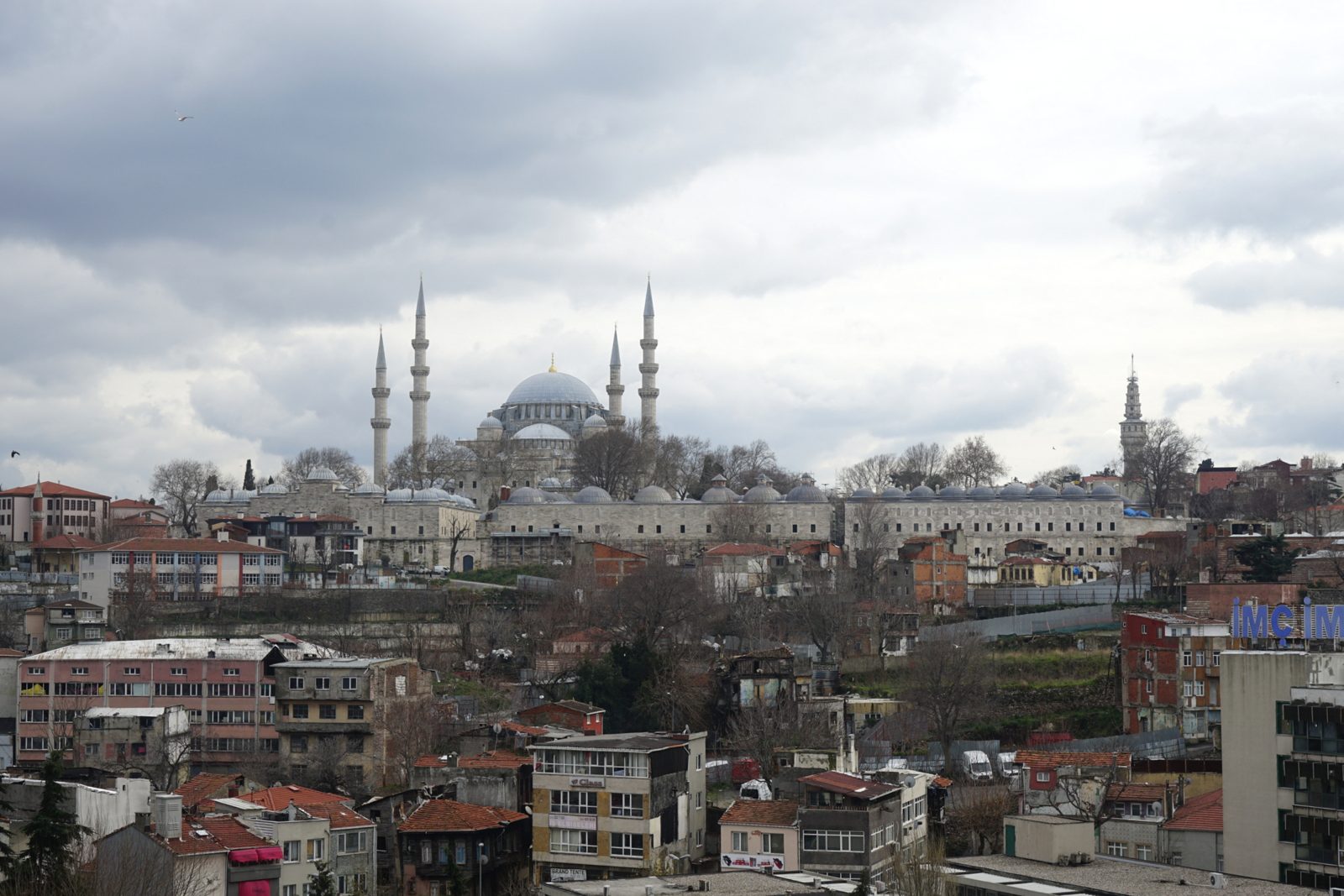
Istanbul: September, not “autumn”
The best-value stretch is the last two weeks of September into the first week of October. European school holidays end and demand drops quickly while the air is still 20-27°C; mid-range Sultanahmet and Beyoğlu rooms are quoted around $70-120 a night against $120-200 at the height of summer. Second choice: the first two weeks of March, when winter's discounting mostly still holds and the rain is tapering. Third, for anyone who will trade weather for price: mid-to-late January, outside New Year week, which is the year's floor for both flights and rooms.
The trap is April. It reads as a quiet spring month and it is not — the Tulip Festival runs the whole month with peak colour mid-month, filling Emirgan and Gülhane and lifting spring demand, and April 23 adds a public holiday. The other trap moves: Eid al-Fitr falls March 9-11 in 2027 and Eid al-Adha around May 16-19, and both are domestic travel surges with roads, intercity transport and hotels booked well ahead. In 2027 that puts one directly inside Istanbul's best-weather month, so shift the March window to mid-March that year.
Rain reality: December to February run 14-17 wet days a month, with January the wettest. April to June and September to October are the dry, comfortable bands at 17-27°C. Summer is dry, hot and priced at peak.
The non-obvious part is that the value point is September specifically, not “autumn” generally. Prices fall the moment European school holidays end while the sea and the air are still summery, and by late October the rain days are climbing again.
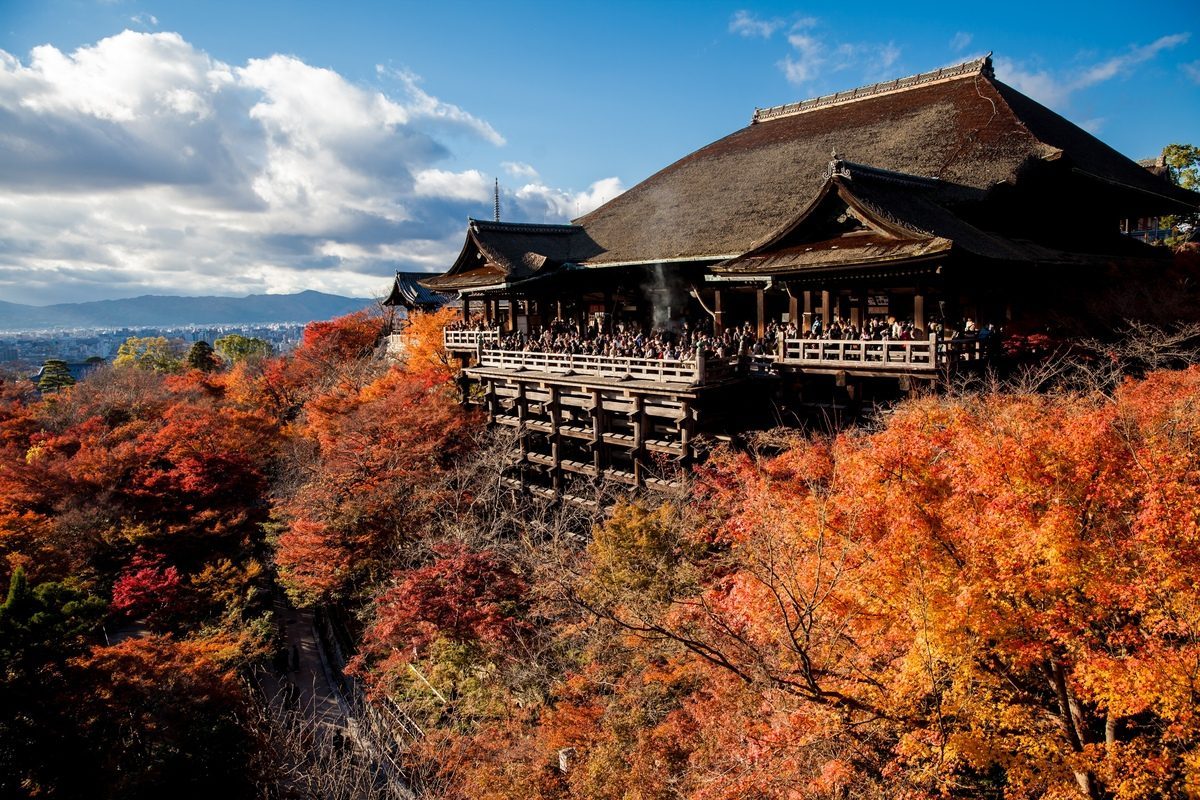
Kyoto: the first week of December is the smartest week of the year
Foliage lingers at the late-turning temples to roughly December 5-7, but the late-November crowd wave and the room premiums that ride with it have broken by then. That single week stands out as the best-value week on this entire list. The other two windows: mid-January through February, skipping New Year week, which is Japan's annual price and crowd floor with cold, dry, photogenic temples; and the first two weeks of June, after Golden Week demand collapses and before the tsuyu rains fully set in mid-month, when you get rainy-season pricing on days that are often still dry.
The traps are the famous weeks. The last two weeks of November are peak foliage and among the most crowded stretches of Kyoto's year, with the Nov 3 and Nov 23 long weekends the worst days in it. Golden Week runs April 29 - May 5 in 2027: national holiday, sold-out trains, packed temples. Obon is August 13-15 in 2027, a domestic travel wave inside an already-hot month. And cherry blossom — full bloom around April 3-10, a few days behind Tokyo's — carries hotel premiums reported at 30-60%. Beautiful; not shoulder season.
Rain reality: November is the dry jewel, with only five to seven rain days and brief showers. The wet months are tsuyu, mid-June to mid-July, and September's typhoon tail. Winter is dry and genuinely cold — late-November evenings can drop below 5°C.
The non-obvious part: inside the peak weeks, the crowd problem is solved by the clock rather than the calendar. The main temples are manageable before 10am on a weekday, and before 8am around the November holidays.
Los Angeles: the beach is better in September than in June
The two weeks after Labor Day, running through October, are the buy: the warmest ocean of the year, the summer crowds gone, mid-range rooms easing to around $195-225 a night, and effectively no rain. Second window: the second week of January through early February, the annual floor for both hotels and airfare, mild at 55-68°F, with LA's modest rainy season as the trade. Third: late April into early May, before Memorial Day pricing, near-permanent sun and moderate rates around $210-240.
The trap is early June. It looks like the start of summer and prices like it, but June Gloom keeps coastal mornings grey into early July — so beach trips booked for June are paying August rates for overcast mornings. Awards weekends are the other one: the Grammys in early February and the Oscars in mid-March lift rates sharply at the top hotels, which can turn a cheap-looking winter week into an expensive one. Check the dates before booking those two months. The Christmas-to-New-Year fortnight stays busy and priced up despite being winter.
Rain reality: close to binary. December through February carry nearly all of the year's rain, and it is still mild; April through November run zero to two rain days a month. Rain is not what moves prices here — events are.
The non-obvious part is that Los Angeles inverts the usual coastal rule. The best beach weather — warmest water, clearest skies — arrives after the peak-priced June-to-August window, and June, the most-booked month of them all, has the greyest mornings.

Mexico City: the rainy month is the smart buy
July is the counterintuitive winner — among the quietest and cheapest months, and the rainy-season pattern here is bright mornings followed by a brief, predictable late-afternoon downpour, so a sightseeing day still works. The dry-season pick is the last week of January through February, avoiding holiday weekends, with the jacaranda bloom starting late in February. Third: the first two weeks of December, dry and festive, before the Christmas-and-New-Year surge that brings reported rate increases of 60-100%.
The trap runs from late October to mid-November, when Day of the Dead, the Formula 1 Grand Prix and major concerts stack into one window — the city's most competitive hotel stretch, and one to book two to three months out or pay for. March and April are the priciest of the dry season, and Holy Week (March 21-27, with Easter on March 28 in 2027) is odd in a way worth knowing: locals leave, so the streets are calmer, but resort-style pricing hits anything bookable. September looks like leftover summer value and is in fact the heaviest rain month, with Independence Day crowds mid-month.
Rain reality: dry from November to April with a few rain days a month; wet from May to October, with July and August at roughly 17-22 rain days and September heaviest at 130-160mm. The storms come in the afternoon and evening; mornings are reliably clear.
The non-obvious part: here the rain calendar and the price calendar run in opposite directions. The wettest weeks are the cheapest and quietest, and because the rain keeps an afternoon schedule, a morning-loaded itinerary gives up very little. It is the rare case where the rainy season is the correct purchase.
New York City: pick the week on price, because the rain will not help you
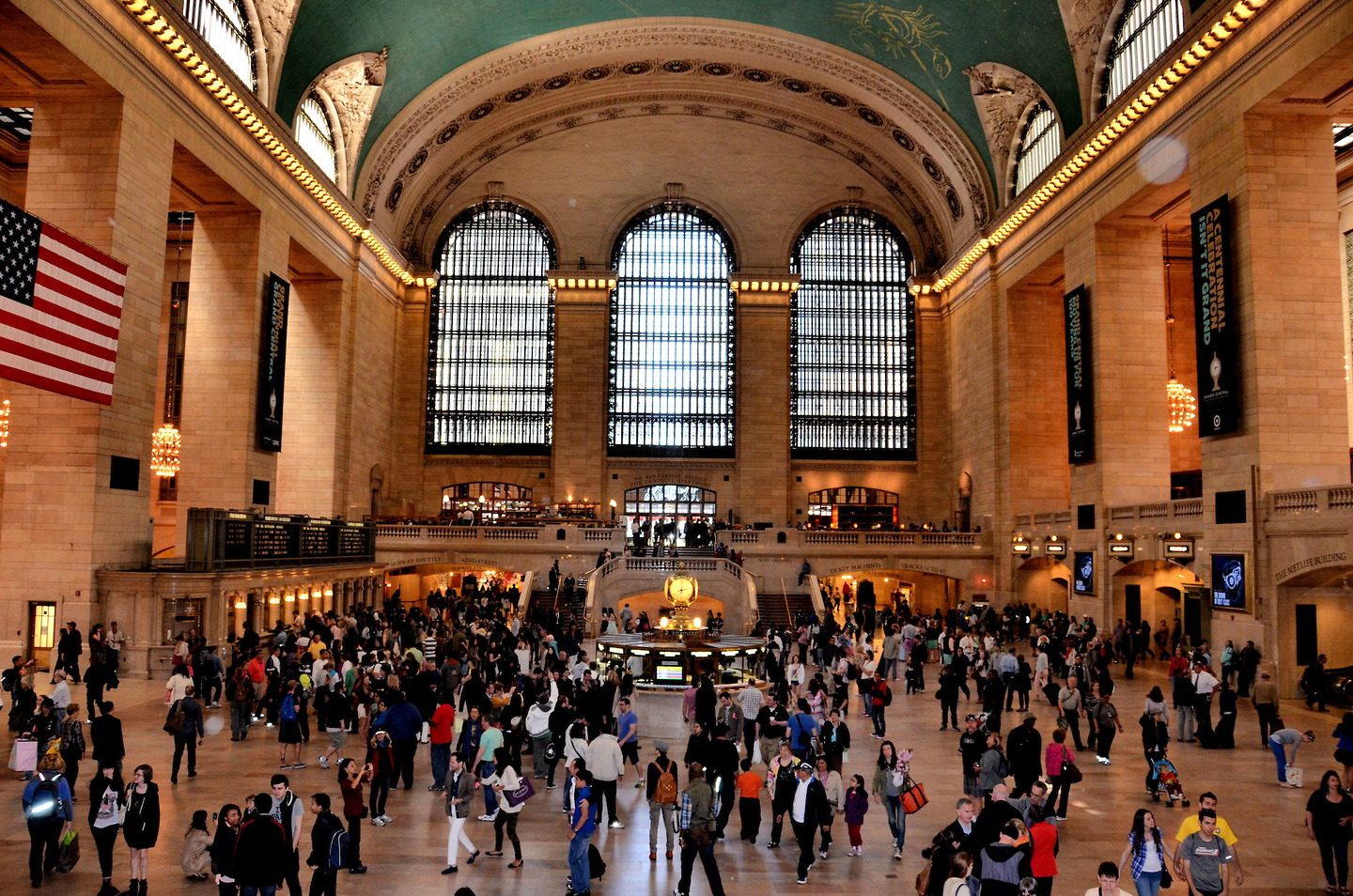
The value window is the city's own: the second week of January through mid-February. January hotel rates average around $196 a night, some 42% below the city's annual average and against roughly $541 in December, and NYC Hotel Week (around 23% off) runs from early January into mid-February with Broadway Week and Restaurant Week clustered alongside. It is cold, and it is the floor. The second window is early March, after the February deals have run and before spring pricing arrives.
The trap is the sneakiest on this list: mid-to-late September. It reads as pleasant shoulder season, but Fashion Week lifts average rates from about $347 to about $526, and then the UN General Assembly in the third week pushes averages toward $653 a night. The New York City Marathon weekend, the first weekend of November, is top dollar citywide, and Thanksgiving through New Year is the most expensive stretch of the year.
Rain reality: not a useful week-picker here. New York's rain is not concentrated into one season the way Porto's or Shanghai's is, so it does not separate a good week from a bad one. Choose the week on price.
The non-obvious part is that General Assembly week is invisible on every best-time-to-visit chart. Late September reads as ideal weather plus post-summer calm, and it is the single most expensive ordinary week of the New York hotel year.
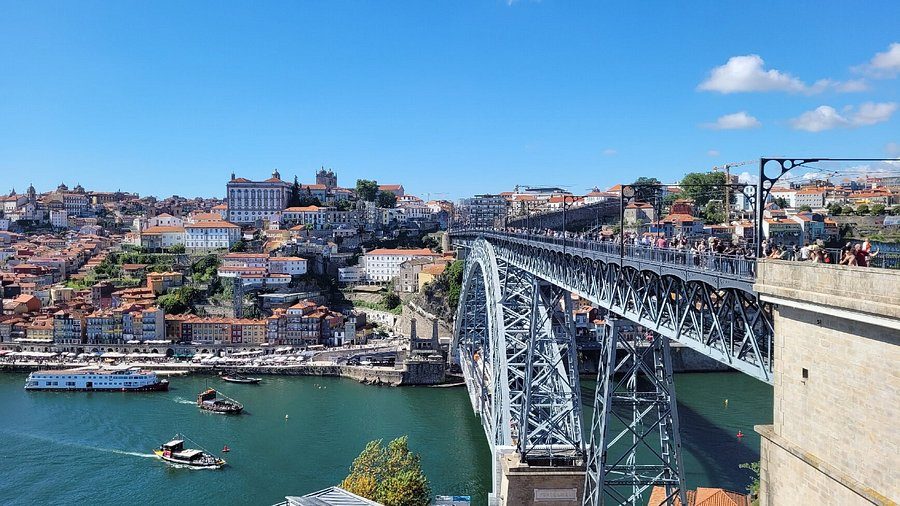
Porto: one week earlier than São João
The second half of May into the first two weeks of June is the value band — pre-peak weather, low rain, lively streets, prices under the July-August ceiling. September into early October is the other strong window: the summer crowds gone, the ocean and the weather still good, rates easing, and the autumn rain not yet arrived. March into early April is cheap and quiet, a genuine gamble on spring showers, and worth avoiding Holy Week (March 21-27 in 2027, Easter on the 28th), which Portugal observes heavily.
The trap is the week of June 23-24. São João is Porto's biggest night of the year and the whole city is out until dawn — magnificent if that is the plan, and the events themselves are free, but hotels around that week book out and price up, and anyone expecting a sleepy shoulder-season city gets the exact opposite. July and August are peak on every axis at once, with August adding the Europe-wide holiday wave.
Rain reality: sharply seasonal. November through January are the wet core — November around 163mm over some 15 rain days, December around 181mm, January around 160mm over about 13 days. May to September is the dry band. Porto in late autumn is a genuinely rainy city, wetter than Lisbon's gentler numbers suggest.
The non-obvious part: June is simultaneously Porto's best month and its trap month. The same calendar that makes the São João week the most alive week of the year makes it the one early-summer week where affordable rooms disappear — and one week earlier buys nearly the same weather at shoulder pricing.
Shanghai: October 8 is a different city from October 1
Mid-October after the 8th, through early November, is the classic move: Golden Week crowds evaporate overnight, the autumn air is clear, and typhoon risk has dropped sharply since mid-September. The spring equivalent is the last week of March through mid-April, before the May 1 holiday — mild, blossom season, moderate rain. A third, colder option is late February into early March 2027, after the Lantern Festival around February 20, when the post-New-Year lull leaves the city quiet and functional.
The traps are all holidays. National Day Golden Week, October 1-7, is one of the largest domestic travel weeks on earth: the Bund and every attraction jam, transport sells out, prices spike. The Chinese New Year window runs roughly February 5-13 in 2027, with the new year on the 6th — the world's largest annual migration, with many small businesses closed and intercity transport packed; the city itself is quiet mid-holiday, but getting in and out is the problem. May Day, roughly May 1-5, is the same pattern in a smaller dose. And mid-June to early July is meiyu, the plum rains, averaging about June 19 to July 10.
Rain reality: June is the wettest month at around 15 rain days of humid grey, which is why it reads as “early summer” and behaves as nothing of the kind. Typhoon season runs July to mid-September, with September at about 13 rain days. October-November and March-April are the dry, comfortable bands.
The non-obvious part is that the rule in China is plus-or-minus one week around the holiday, not the season. October 8-14 delivers exactly the weather that October 1-7 promises, at a fraction of the crowd and the price.

Tokyo: November is the crisp autumn month, not October
The two weeks after Golden Week, in mid-May, are the pick: May is the most pleasant weather of Tokyo's year and the post-holiday crowd relief is well documented. Mid-January through February, skipping New Year week, is the annual floor for rooms and crowds, with cold, clear, dry winter skies. And the first half of June is a real bargain in disguise: rainy-season pricing arrives before the worst of the rain does, and while roughly half of June's days see rain, the rest run cloudy to clear.
The traps: the cherry-blossom fortnight, roughly March 24 to April 7 with average full bloom on March 31, carries reported hotel premiums of 30-60% and the year's biggest tourist wave. Golden Week, April 29 - May 5 in 2027, has a nuance worth printing — residents leave, so central Tokyo's sights are surprisingly manageable, but hotels and intercity trains still sell at peak and the day trips out of the city are jammed. Obon, August 13-15 in 2027, is a domestic travel wave in the worst of the heat. And the September-October typhoon tail can drop a storm week into a trip booked for crisp autumn; on average one to two typhoons affect the Kanto region between late August and mid-October.
Rain reality, per Japanese climate normals: tsuyu runs early June to mid-July with June around 168mm and rain on roughly half the days; September and October are the heaviest months overall, October at about 211mm; December through February are markedly dry.
The non-obvious part: Tokyo's driest pleasant autumn month is November, not October. October's postcard reputation hides that it is the wettest month of the year by normals, while November pairs the foliage with winter-grade dryness.
Paris: August is the discount season
The first three weeks of August are the famous inversion. Parisians leave in bulk — the city's population drops by roughly a third — luxury hotels discount 30-40%, and the August hotel average of around $235 is less than half of December's $370 and well under September's $354, with the Louvre and Versailles running some 15-20% below July attendance. The trade-offs are honest ones: some neighbourhood shops and restaurants close for the month, and the headline sights are still summer-busy. The other window is mid-January through February, dodging the fashion weeks, where rooms sit roughly 35-40% under the summer peak (February averages about $186) and the museums are at their quietest. The second half of November, before about December 10, is a genuine lull between the autumn season and Christmas-market pricing.
The trap is late September into the first week of October, when Women's Fashion Week lands squarely inside what looks like ideal shoulder season — part of why September is one of the priciest hotel months of the year. Early-to-mid July stacks haute couture week, peak season and the July 14 Bastille Day crowds together. And the European family-travel wave around Easter (March 28 in 2027) and the rotating French school holidays lifts April weekends.
Rain reality: frequent but light and evenly spread — roughly 110 rain days a year with no dry season, slight peaks in May-June and December, and March the driest month. As in New York, rain should not pick your week here. Price should.
The non-obvious part: August is one of the two cheapest hotel months of the Paris year, effectively tied with February. High summer everywhere else in Europe is Paris's discount season, because business travel stops and the locals go away.
Rome: in 2027 the Easter trap moves into March
The second week of January through February is the quietest and cheapest of the Roman year, with the Vatican and Colosseum lines at their shortest and weather that is mild-cold and reasonably dry. The last two weeks of November — after about the 15th, before the Immaculate Conception on December 8 starts the holiday season — buy low prices and thin crowds, with the city's rainiest month as the trade. The last two weeks of October are the warm option: still-golden ottobrata days, the summer crowds gone, the November rain not yet arrived, and prices easing.
The trap is Holy Week and Easter, March 21-28 in 2027, plus the fortnight around it: the single biggest religious-tourism spike of Rome's year, with prices up citywide and papal events filling the centre. The week of Ferragosto, August 15, is a double trap — peak international pricing and many family-run restaurants and shops closed as Romans leave, in the worst of the heat. And the late-April cluster of Liberation Day on the 25th and Labor Day on May 1 creates Italian long-weekend surges inside prime spring weather.
Rain reality: November is the wettest month at eight or nine rain days and over 100mm; summer is very dry; January and February are moderate at seven to eight rain days and are the year's crowd floor.
The non-obvious part is a 2027 quirk. Easter lands about as early as Easter ever does, on March 28, so the usual advice — March is safe, April is the Easter trap — flips. In 2027 late March is the trap, and mid-to-late April, outside the April 25 to May 1 window, is the cleaner spring choice.
The dates that move — print the year, not the rule
Half the trap weeks on this page are moveable, which is why “avoid Easter week” or “avoid Chinese New Year” is useless advice on its own. For 2027: Easter is March 28, with Holy Week March 21-27. Chinese New Year is February 6, with the Spring Festival window running roughly February 5-13 and the Lantern Festival around February 20. Ramadan runs approximately February 8 to March 8, with Eid al-Fitr on March 9-11; Eid al-Adha falls around May 16-19, subject to moon sighting. Japan's Golden Week is April 29 - May 5 and Obon is August 13-15.
Two of those genuinely rearrange the advice. Easter this early pushes Rome's spike back into March, and Eid al-Adha in mid-May drops a domestic travel surge into what is otherwise Istanbul's best-weather month.
There is a booking order that follows from all of this. Domestic holiday waves — the two Golden Weeks, Obon, the Turkish bayrams, Semana Santa — hit transport before they hit hotels. The train or the flight sells out first. If your dates touch one of those weeks, book the intercity transport before you book the room.
When rain should decide the week, and when it should not
Rain is only a useful week-picker where it is seasonal. In Porto and Shanghai it very much is: Porto's November-to-January wet core and Shanghai's meiyu weeks in June are real, concentrated, and worth planning around. In Paris and New York it is not — the rain is spread thinly enough across the year that choosing a week by it tells you nothing, so those two cities should be booked on price alone.
And in two places rain and price run in opposite directions, which makes the wet week the smart buy. Mexico City is the clean case: afternoon-scheduled storms, with July the cheapest and quietest month of the year. Tokyo's first half of June is the milder version of the same trade — rainy-season pricing on days that are often dry.
The general shape: event spikes are invisible on seasonal charts and are frequently bigger than the seasonal swing itself. New York's Fashion Week and General Assembly stacking, Los Angeles's awards weekends, Mexico City's Day of the Dead-plus-Grand-Prix pile-up. A “shoulder season” average hides week-level spikes larger than the gap between summer and winter.
What PoppaTrip does with this
The figures on this page are editorial: researched once, written down, and dated. They are not the data PoppaTrip plans with, and it would be dishonest to imply otherwise.
What the product does do is ask the same two questions this article is built around. The Rain tolerance step in the wizard is where you say how much wet weather a trip can absorb — which is exactly the Mexico City trade above, made into a setting — and the budget steps are labelled with bands computed for your destination's own cost of living rather than generic dollar signs.
The season tells you almost nothing. What determines the price of the room and the length of the queue is which week you land on, and whether something is happening on it.
So before you book: check the week, not the month; look up the year's actual festival dates rather than the rule of thumb; and if your dates touch a domestic holiday, book the train before the hotel.