
historic
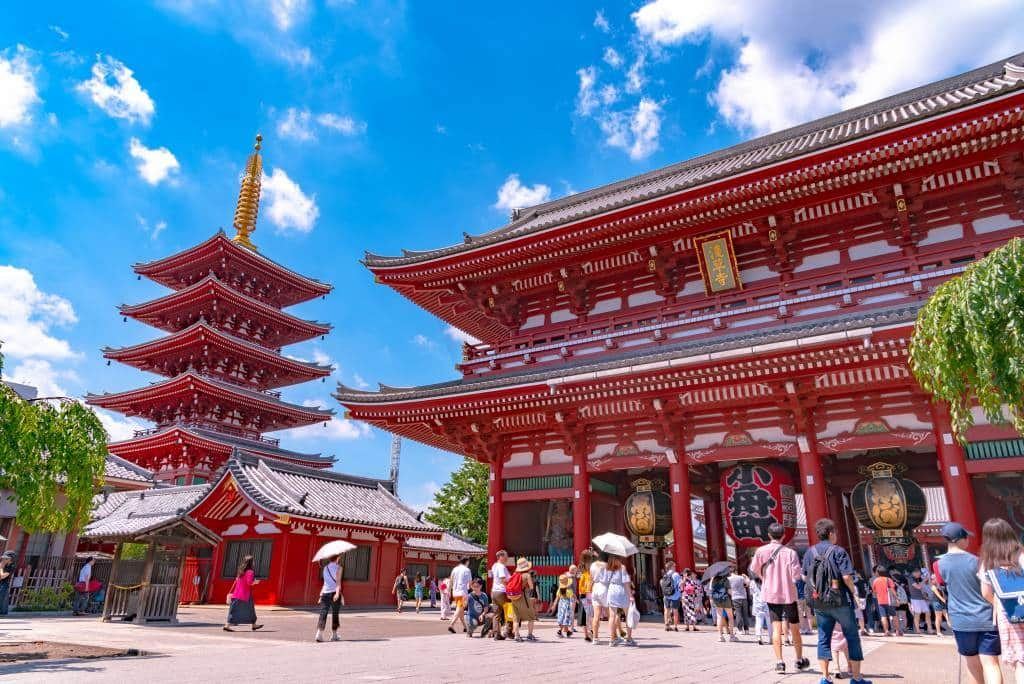
Senso-ji Temple, Asakusa
Tokyo's oldest temple, approached through the Kaminarimon gate and a long lane of snack and souvenir stalls.
The city has no single center, which is exactly why it works. Pick a neighborhood, walk it until it runs out, get back on the Yamanote line, and repeat.
12 places we would actually send someone to, across 8 categories. Photos are in the written guide below, and every photo is of that specific place.
Tokyo's oldest temple, approached through the Kaminarimon gate and a long lane of snack and souvenir stalls.
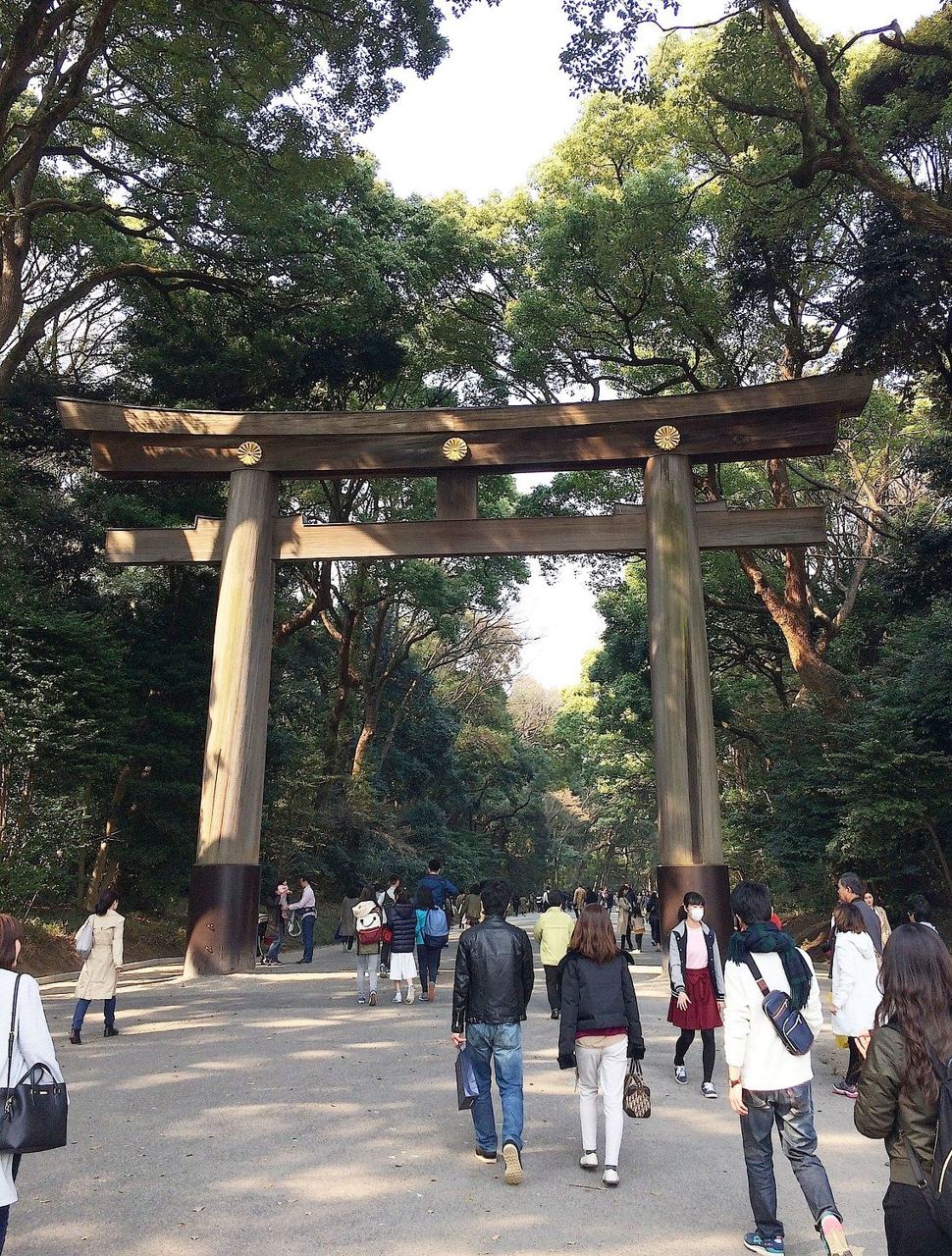
A Shinto shrine set inside a planted forest of 100,000 donated trees, a few steps from Harajuku station.
The all-directions crossing outside Shibuya station, best watched from above as a few thousand people cross at once.
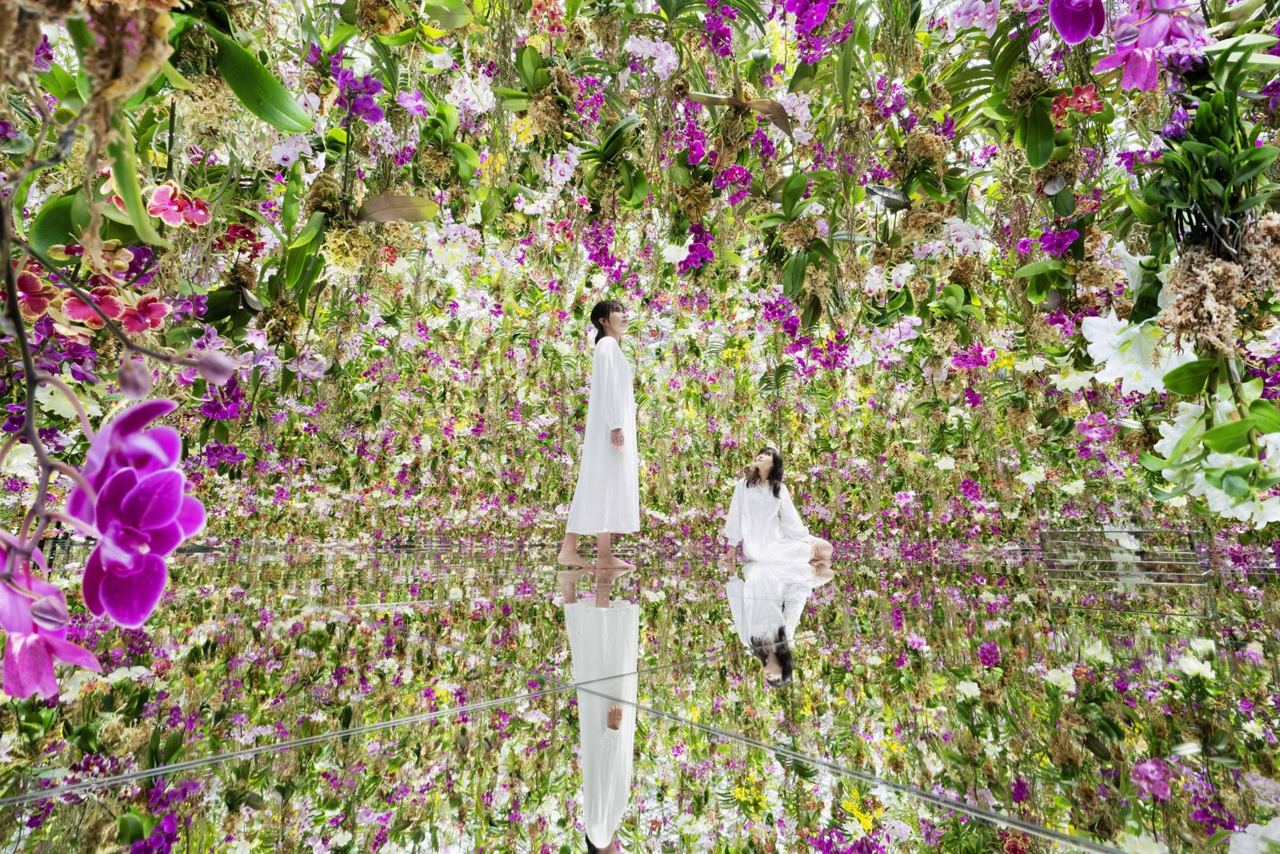
A barefoot digital art museum in Toyosu — knee-deep water rooms, mirrored floors and projected gardens.
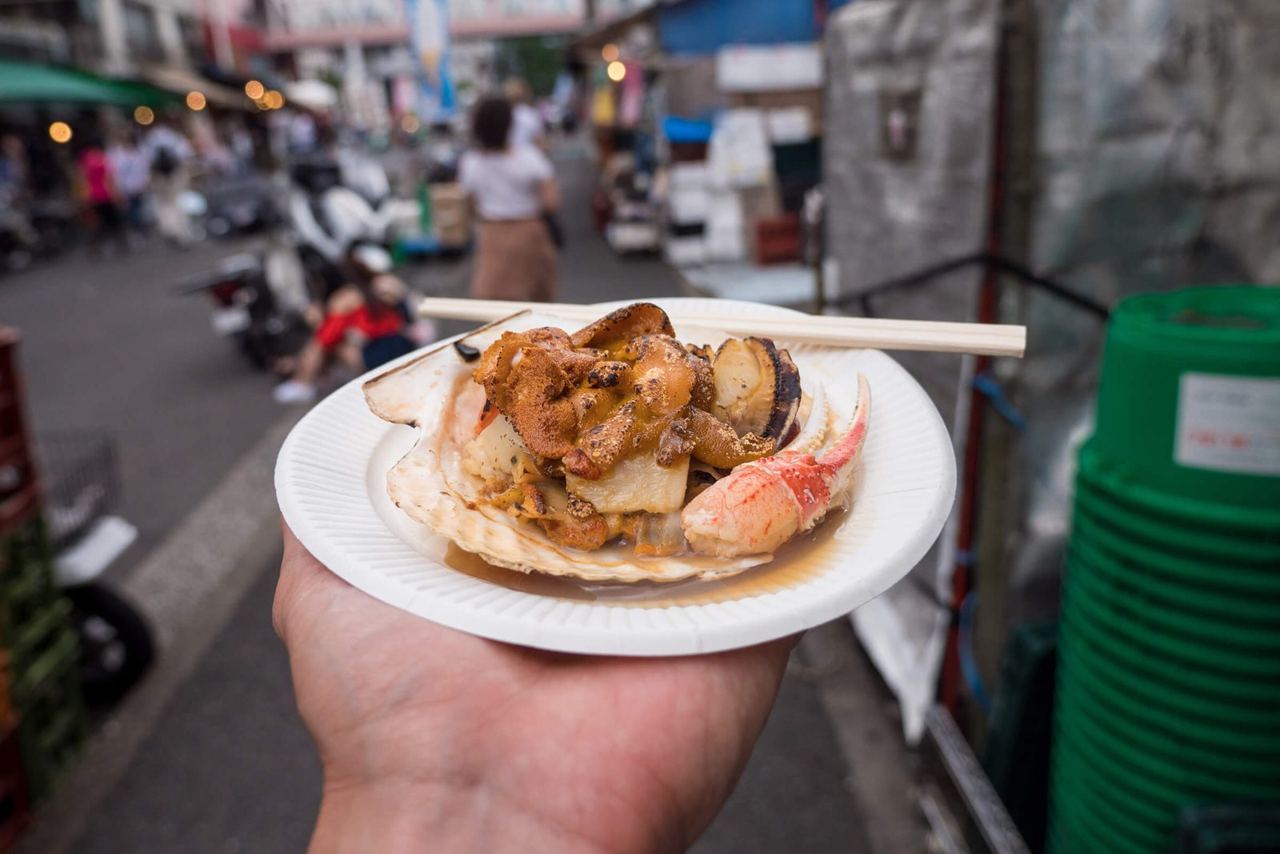
The market lanes the wholesalers left behind — tamagoyaki, grilled scallops, knives and dried fish, best before 10am.
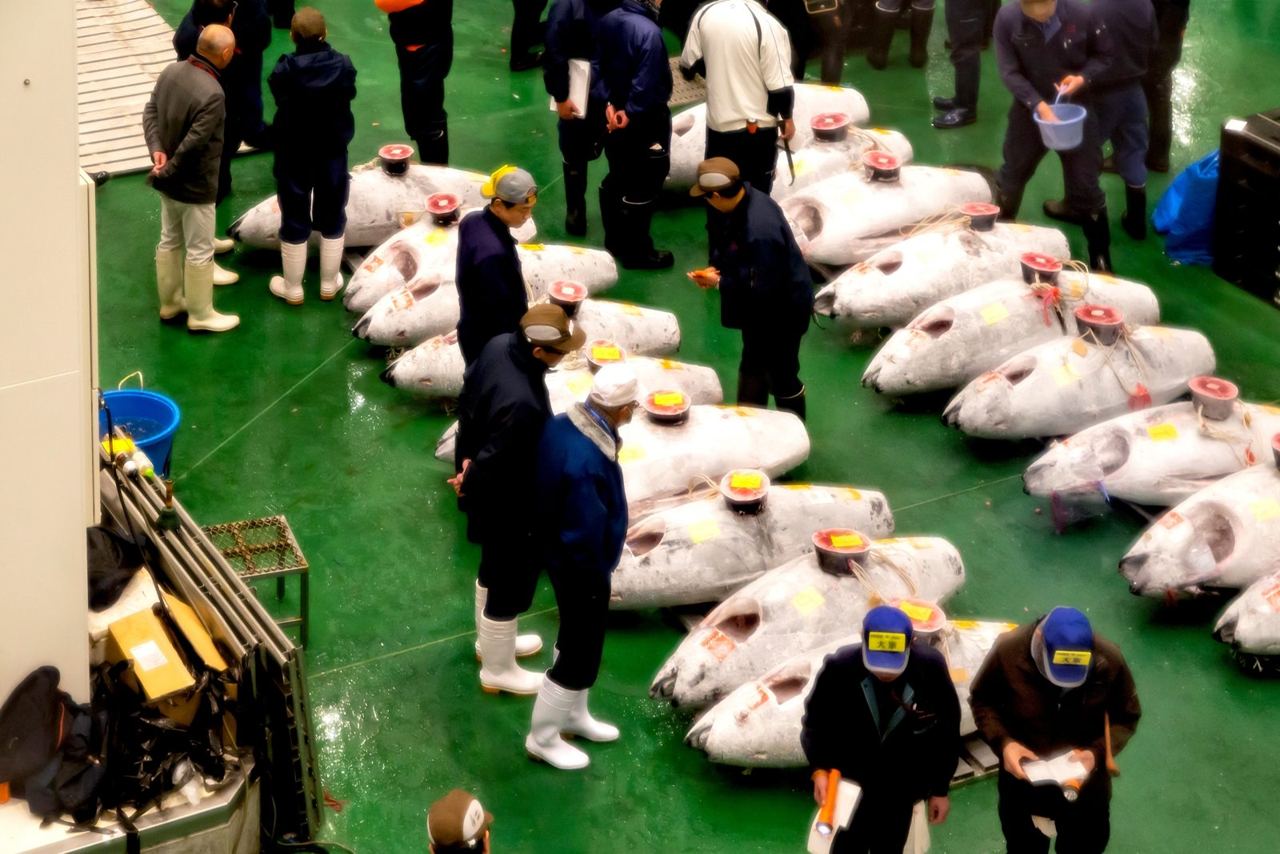
The world's largest fish market, with the pre-dawn tuna auction visible from an observation deck above the floor.
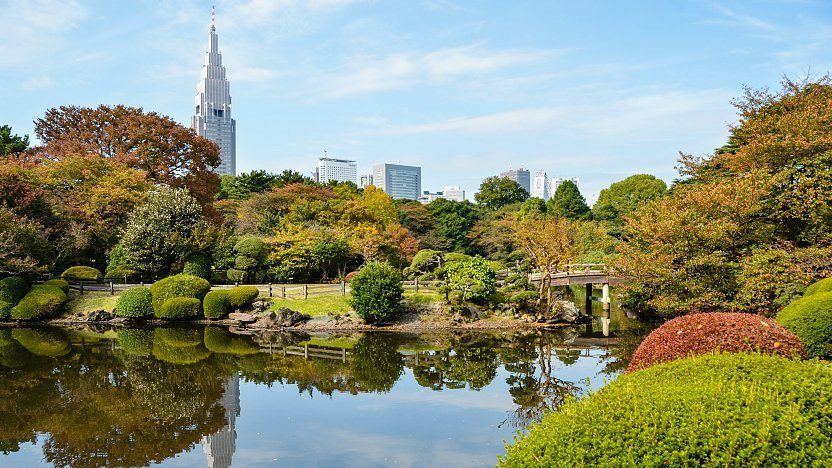
A former imperial garden of 58 hectares — English lawn, French parterre and Japanese landscape gardens in one wall.
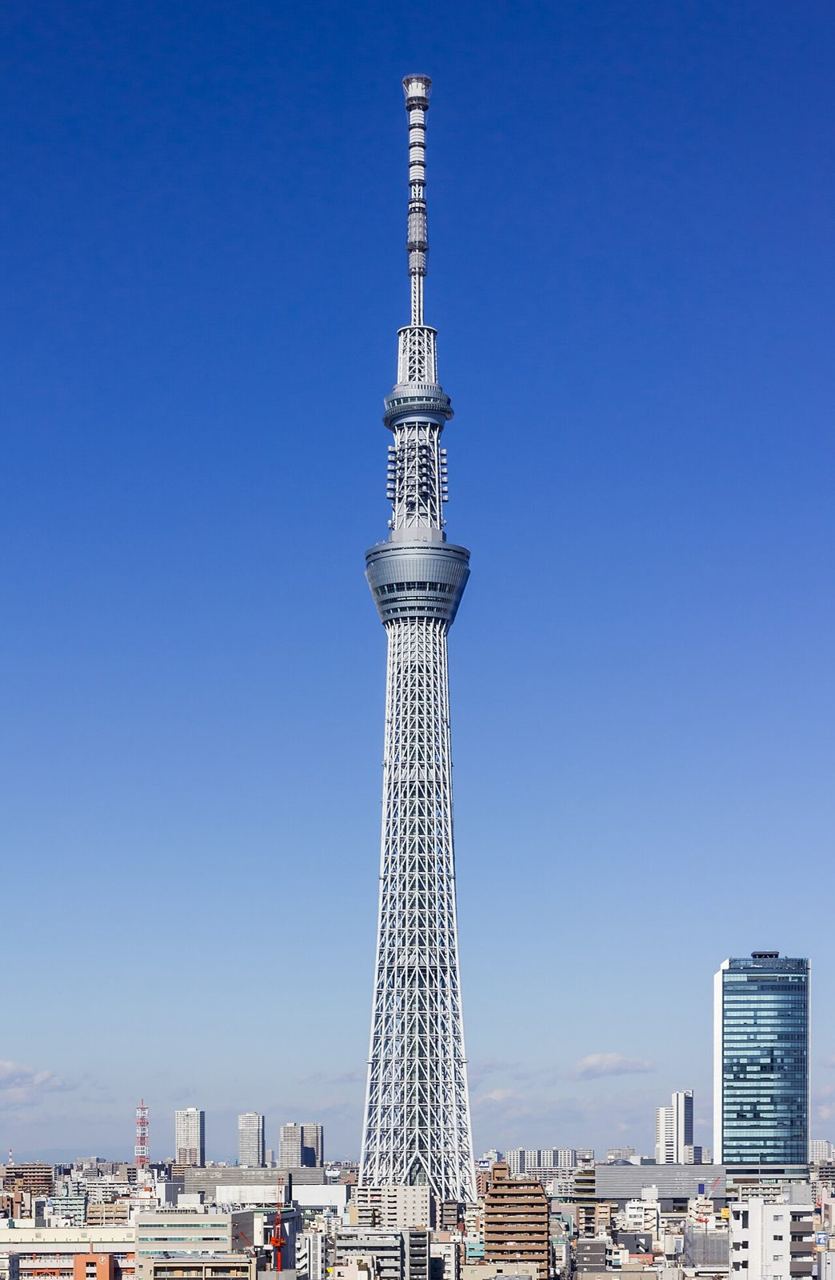
At 634m the tallest tower in the world, with two decks and, on a clear winter morning, Mount Fuji on the horizon.
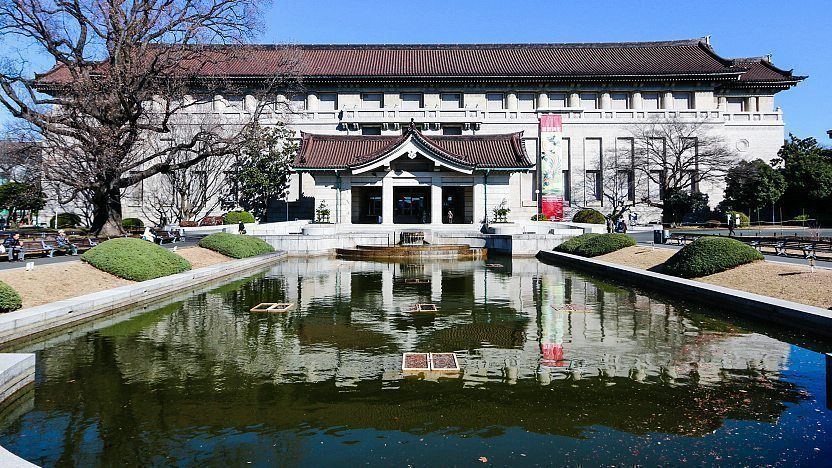
Tokyo's museum district in a single park — the national collection of Japanese art, plus temples, a pond and 1,000 cherry trees.
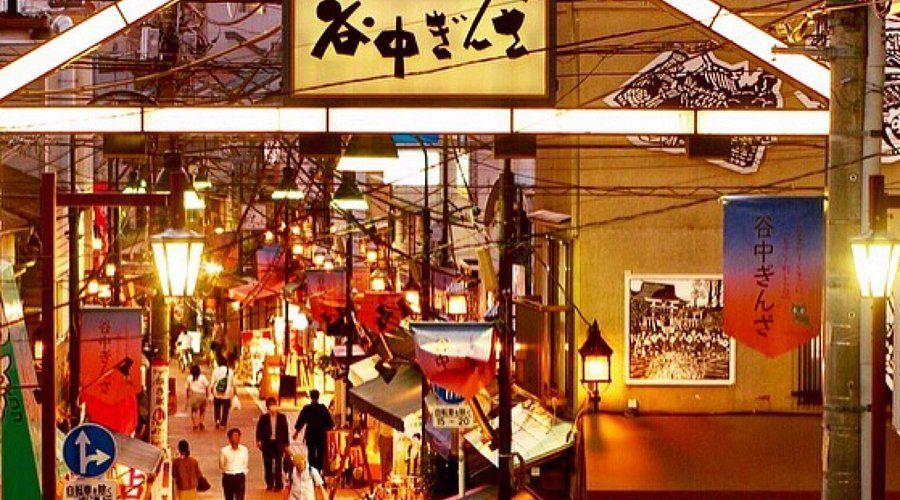
A low-rise shopping street in one of the few neighborhoods to survive both the 1923 earthquake and the war.
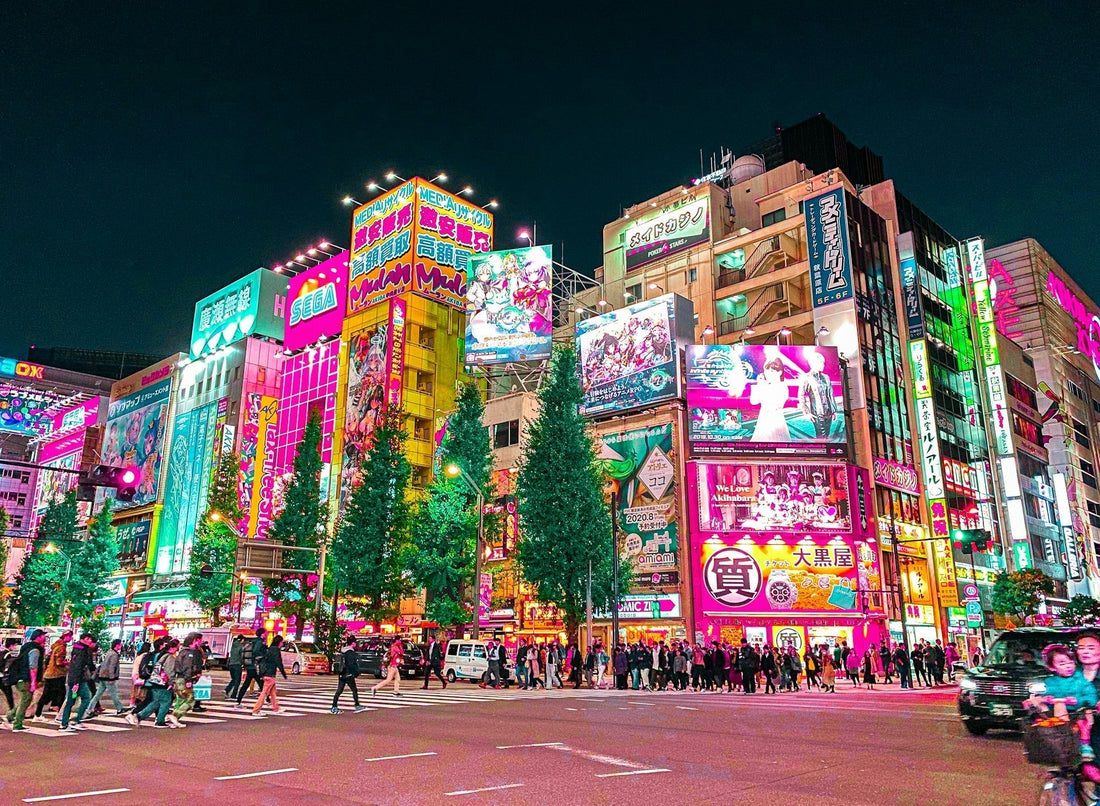
Multi-story electronics, game and hobby buildings stacked along the tracks, loudest and brightest after dark.
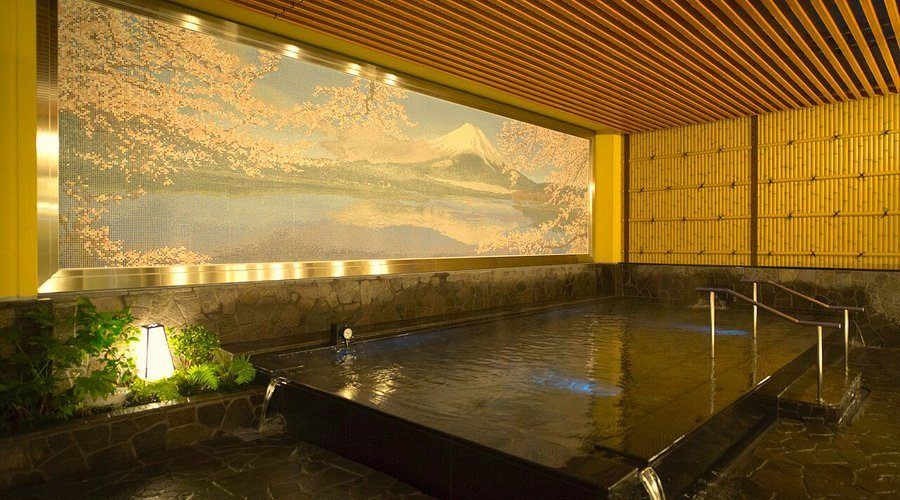
A real hot-spring bathhouse in central Shinjuku, open 11am through 9am the next morning — you can stay the night.
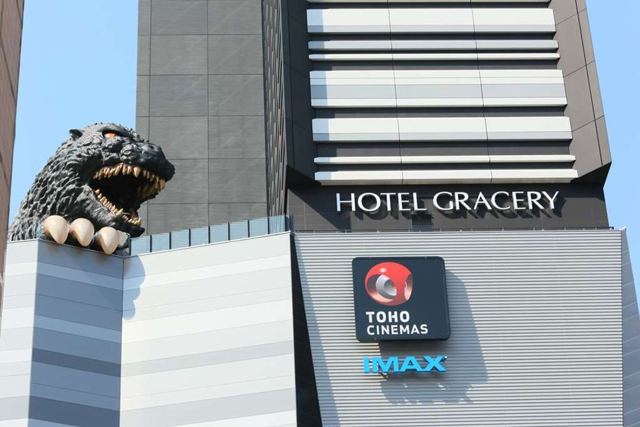 Our base for this trip
In Tokyo the only hotel question that matters is how far you are from a Yamanote line station, and Shinjuku is the busiest one on the loop — everything in this guide is a direct train or one change away. The Gracery sits above the Toho cinema with the Godzilla head on its terrace, which is either a reason to book it or a reason not to, and Thermae-Yu is a ten-minute walk. If Shinjuku feels too loud, the same logic points to Tokyo Station or Ueno; what you should not do is save money on a place that is twenty minutes from the nearest loop station.
Kabukicho, Shinjuku — a few minutes from Shinjuku station
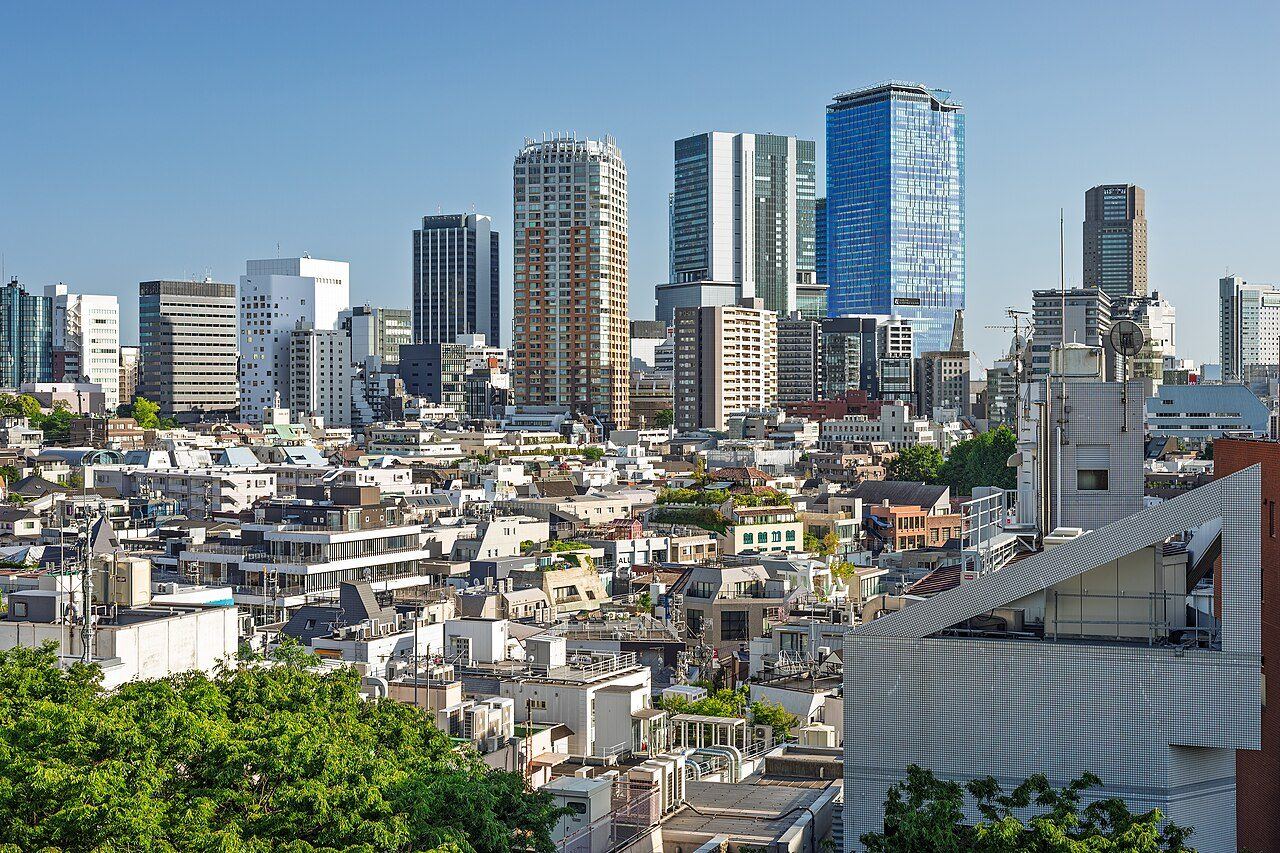
Tokyo looks impossible on a map. Thirteen million people, twenty-three wards, a subway diagram that resembles spilled spaghetti, and no center — no single downtown that everything else is a suburb of. Visitors arrive braced for a struggle.
And then, within about a day, it turns out to be the easiest big city in the world to move around, because of one train line. The Yamanote loop runs in a rough circle and strings together nearly everywhere you want to go: Shinjuku, Harajuku, Shibuya, Tokyo Station, Akihabara, Ueno. It comes every few minutes. It is announced in English. You tap in with a card you bought at the airport and stop thinking about tickets for the rest of your trip.
So plan by neighborhood, not by attraction. Each district here is its own small city with its own volume and its own smell, and the pleasure is picking one, walking it until it runs out, eating there, and getting back on the loop. Chasing famous names across the map is how people end up spending a week on trains and remembering nothing.
The Yamanote loop is the spine, and four of its stops carry most of this guide without a single transfer: Shibuya puts you at the scramble crossing and, one stop on, at Harajuku for the shrine forest; Akihabara is the electronics-and-arcade stop on the same loop; Ueno is the museum-and-park stop; and Shinjuku is the interchange for the one place in this guide that sits a short walk off the loop rather than on it. Everywhere else, one Tokyo Metro or Toei subway line — or, twice, a small automated one — does the rest of the work. Station names, lines and exits below are read from each operator's or venue's own access page in September 2026; where a page names no exit, that is written as such rather than guessed.
Senso-ji sits at Asakusa station, where the Tokyo Metro Ginza Line, the Toei Asakusa Line, the Tobu Skytree Line and the Tsukuba Express all converge — the temple's own access page puts every one of them at a five-minute walk, and only the Toei Asakusa Line names an exit, A4. None of those four lines reaches Yanaka, though; that half of the same morning is a change onto the Tokyo Metro Chiyoda Line to Sendagi station, where the Dokan Exit is a three-minute walk from Yanaka Ginza, by the Tokyo tourism board's own page.
The fish-market day rides two more lines. Tsukiji Outer Market's own access page names Tsukiji station on the Tokyo Metro Hibiya Line and Tsukijishijo station on the Toei Oedo Line, both a one-minute walk and neither with an exit letter published. Across the water, Toyosu Market and teamLab Planets share a single line, the small automated Yurikamome, one stop apart — Shijo-mae for the market, whose own operator page puts it right by the building, and Shin-Toyosu for teamLab, whose own ticket page gives the walk from the station's north exit as one minute.
The loudest day is the simplest to place: Shibuya, Harajuku and Akihabara are all Yamanote loop stations. The crossing is right outside Shibuya station — GO TOKYO's own page names the station and its four lines but not a specific exit, so look for the Hachiko-side gates once you're through the ticket barriers, which is what most visitors do. Meiji Jingu is a short walk from Harajuku, or directly from Tokyo Metro's Meiji-jingumae station on the Chiyoda or Fukutoshin lines — the two stations sit side by side. And Akihabara's own Electric Town Exit, five minutes on foot from the station by the Tokyo tourism board's page, drops you straight into it.
The rest of the guide splits across three more lines. Tokyo Skytree's own site names the Tobu Skytree Line to Tokyo Skytree station or the Tokyo Metro Hanzomon Line to Oshiage, without stating a walk time for either. Shinjuku Gyoen is a Tokyo Metro Marunouchi Line stop, Shinjuku-Gyoemmae, with Exit 1 five minutes from the Shinjuku Gate by the Ministry of the Environment's own page; Ueno Park and the Tokyo National Museum are back on the Yamanote loop, at Ueno station — a ten-minute walk the museum's own page states, though it names no particular exit. And Thermae-Yu is not actually in Shinjuku station's shadow at all: its own access page puts it two minutes from Exit E1 of Shinjuku-Sanchome station, one stop from Shinjuku on the Marunouchi Line, the Toei Shinjuku Line or the Fukutoshin Line.
The great red lantern at the Kaminarimon gate — five minutes on foot from Asakusa station on the Ginza Line, the Toei Asakusa Line, the Tobu Skytree Line or the Tsukuba Express, whichever one puts you closest to your last stop — weighs about 700 kilos and by eleven in the morning there will be two hundred people photographing it. At eight there are five, and a woman sweeping, and the smell of incense drifting down the approach from the temple.
Walk up Nakamise, the stall street leading to the main hall, while the shutters are still going up — rice crackers grilling, bean-paste cakes stamped in molds, folding fans, wooden combs. At the top, do the things everyone does, because they are good: wave the smoke from the big bronze censer over whatever part of you needs help, and shake the numbered stick out of the metal tin to draw a fortune. If you get the bad one — and Senso-ji is famous for handing out a lot of them — tie it to the rack provided and leave it behind. That is the system.
Senso-ji dates from 645, which makes it the oldest temple in Tokyo, though almost nothing you are standing in is original: this city has burned down, shaken down and been bombed flat within living memory, and rebuilt every time. Which is why Yanaka is worth an afternoon — a change onto the Chiyoda Line gets you to Sendagi station, and the Dokan Exit there is a three-minute walk from Yanaka Ginza. It is one of the few neighborhoods that largely survived both the 1923 earthquake and the war, and walking its low wooden shopfronts and temple lanes — with the famous population of unbothered cats — is the closest you can get to the city that stood here before the towers.
The wholesalers moved to Toyosu in 2018, but the outer market at Tsukiji stayed exactly where it was — one minute on foot from Tsukiji station on the Hibiya Line, or the same one minute from Tsukijishijo station on the Toei Oedo Line — and it is the best breakfast in Tokyo. Narrow lanes, stalls a meter wide, everything cooked in front of you: tamagoyaki, hot and sweet, on a stick. Scallops the size of a fist grilling in their shells. Sea urchin. Tuna cheek skewers. Strawberries in winter that taste like someone concentrated them.
It is a morning place. By early afternoon the shutters come down. Go hungry, eat across a dozen stalls, and spend some time in the knife shops even if you have no intention of buying — the craftsmanship is extraordinary, and someone will happily explain the difference between the steels to you for twenty minutes.
If you want the real theater, though, it is across the water on the Yurikamome line — the same small elevated train that reaches teamLab Planets one stop later, at Shin-Toyosu. Get off at Shijo-mae, right by the market, where the tuna auction starts around 5:30 in the morning; the free second-floor Visitor's Walkway needs no booking, or you can enter the monthly lottery for the closer observation deck above the floor: rows of frozen bluefin laid out like ordnance, buyers crouching with flashlights to inspect the tail cuts, and then a bell and a burst of hand signals and shouting that is over almost before you have understood it. Fish the size of a person changing hands for the price of a car, at an hour when the rest of the city is still asleep.
The Shibuya scramble is the single best piece of choreography in any city. The lights change, traffic stops in every direction at once, and up to three thousand people step off the curbs and cross diagonally, straight through each other, and nobody collides. Nobody even breaks stride. Watch it from above — the station walkway or a window seat in one of the cafés overlooking it — and then go down and do it yourself several times, which is not embarrassing and which everyone does.
Then walk fifteen minutes north-west — or take the Yamanote line one stop to Harajuku, which is what most people do at the end of a long day — and the volume simply stops. You pass under a cypress torii twelve meters high and you are in a forest: a hundred thousand trees, donated from every province of Japan and planted by volunteers a century ago, designed to mature into exactly the woodland you are now standing in. The gravel crunches. The traffic disappears within about thirty meters. At the shrine at the center you may well walk into a wedding procession — a bride under a white silk hood, a priest in front, everyone moving very slowly across the courtyard.
That these two places sit a mile apart is the entire argument for Tokyo. And if you want the volume back, it is a straight run around the Yamanote loop to Akihabara — take the Electric Town Exit and you are already there — where the district after dark is six-story buildings of games, electronics, models and arcades, all lit like a landing strip, with the trains going past overhead.
At teamLab Planets — a one-minute walk from the north exit of Shin-Toyosu station on the Yurikamome, one stop past the fish market at Shijo-mae — you take your shoes off at the door, roll your pants to the knee, and then spend an hour walking barefoot through water in the dark while koi made of light swim around your legs and burst into flowers when you touch them. There is a room of hanging orchids that lifts as you approach and closes behind you. There is a mirrored hall where you genuinely cannot tell where the floor ends. Book a slot well ahead and wear something that rolls up.
The Skytree — reached by the Tobu Skytree Line to Tokyo Skytree station, or the Tokyo Metro Hanzomon Line to Oshiage — is 634 meters of tower and the view is the entire Kanto plain, which from that height reads less like a city than like a geological feature. On a cold, clear winter morning Fuji appears on the western horizon, floating above the haze. That is worth planning around rather than hoping for.
And then, when the noise has accumulated — and it does accumulate — there is Shinjuku Gyoen: the Marunouchi Line to Shinjuku-Gyoemmae station, and Exit 1 puts you at the Shinjuku Gate five minutes later. Fifty-eight hectares of former imperial garden with English lawn, French parterre and Japanese landscape gardens inside one wall, a short ride from the busiest train station on the planet. In early April it is a cherry-blossom event of national significance; the rest of the year it is simply the best place in central Tokyo to sit down. Ueno Park does something similar with museums attached, back on the Yamanote loop at Ueno station — the national collection of Japanese art, a pond covered in lotus, temples, and a thousand cherry trees.
The trains stop around midnight, and the entire nightlife of this city is arranged around that fact. You either leave in time, or you commit — and committing, in Shinjuku, means Thermae-Yu.
It is a genuine hot-spring bathhouse in the middle of the densest entertainment district in Tokyo — a two-minute walk from Exit E1 of Shinjuku-Sanchome station on the Marunouchi Line, the Toei Shinjuku Line or the Fukutoshin Line, or about nine minutes on foot from the East Exit of Shinjuku station itself if you would rather skip the change — with real onsen water trucked in, indoor and outdoor baths, saunas, and rows of reclining loungers. It opens at eleven in the morning and stays open until nine the following one. There is a late-night premium after midnight, roughly what a cheap capsule hotel would cost, and for that you can sit outside in hot water at two in the morning with the neon of Kabukicho glowing over the wall, then sleep in a chair and walk out at eight into a completely ordinary Tokyo morning.
Two practical things, said plainly rather than glossed. Bathing is unclothed and separated by gender, and you wash thoroughly at the seated showers before you get in — this is not optional and everyone will notice. And tattoos are still restricted at many traditional baths in Japan, so if you have visible ink, check the current policy before you build an evening around it. That is not squeamishness; it is just how it works, and being told in advance is better than being turned around at the door.
Five days covers these twelve stops comfortably, at roughly one neighborhood per half-day.
The Yamanote line — a loop connecting Shinjuku, Harajuku, Shibuya, Tokyo Station, Akihabara and Ueno. Get an IC card at the airport and tap in and out.
Within a few minutes of a Yamanote line station. Shinjuku is the most connected; Tokyo Station and Ueno are quieter alternatives.
Toyosu Market, from an observation deck above the floor, at around 5:30am. The old Tsukiji site now has only the outer market — which is still the best breakfast in the city.
Yes. Thermae-Yu in Shinjuku is open 11am to 9am the next morning; a late-night premium applies after midnight, comparable to a cheap capsule hotel.
Around 8am or after dark. The grounds are lit at night and nearly empty; midday is extremely crowded.
Anyone happy to plan by neighborhood and let one train line — the Yamanote loop — do the moving; tap in once and stop thinking about tickets. It suits people who want the city's two speeds side by side, from the Shibuya scramble and Akihabara at full volume to a shrine forest fifteen minutes away where the traffic disappears. And it suits eating early: Tsukiji's outer market is the best breakfast in the city here, and it closes by early afternoon.
Tell PoppaTrip your travel style in the wizard and we'll build a day-by-day itinerary with hotels, routing, and booking links. Answering the wizard and previewing your destination is free; building and unlocking your complete trip is a one-time $9.99.
Yes — every photo is a real photo of that specific place, never a stock image.
Tokyo is best planned by neighborhood — the right grouping turns five days into a walk rather than a commute.
Prices/photos from our trip-planning engine.
In ten cities around the world you can pay less than a hostel bed and be handed pajamas at the door. You sit in hot water at three in the morning and sleep until the trains start again. Almost no travel guide mentions it.
Read the article →The best performance you will see this year may cost less than a sandwich. Nine of the world’s great houses sell a cheap ticket on purpose: standing room, single acts, day-of sales, one flat-price night a month. None of it is a trick or a discount site. Here is what each one costs, how you buy it, and what you give up to get it.
Read the article →In seven cities you can go down into real sewer, drainage or water-supply works on an ordinary ticket: Paris, Vienna, Brussels, London, Kasukabe, Prague and Puebla. Here is what each one is, what it costs, and which days it opens. The test for every entry is simple: do you actually go down there, or are you buying a room with photographs of the place? A sewer also ignores the weather. The Paris galleries sit at 55°F (13°C) in July and in a downpour.
Read the article →Seven canal towns within reach of Shanghai, sorted by the effort it takes to reach them: what each one actually is, what it costs, and the three we dropped.
Read the article →