
You walked to the wrong license
You’ve read that Japan’s bathhouses run all night. You walk to the little neighborhood one at 11:30pm and the shutters are down — typically has been since 11 or midnight, and Tuesday might be its day off altogether. Nothing went wrong. You went to the wrong license.
The bath that is public infrastructure
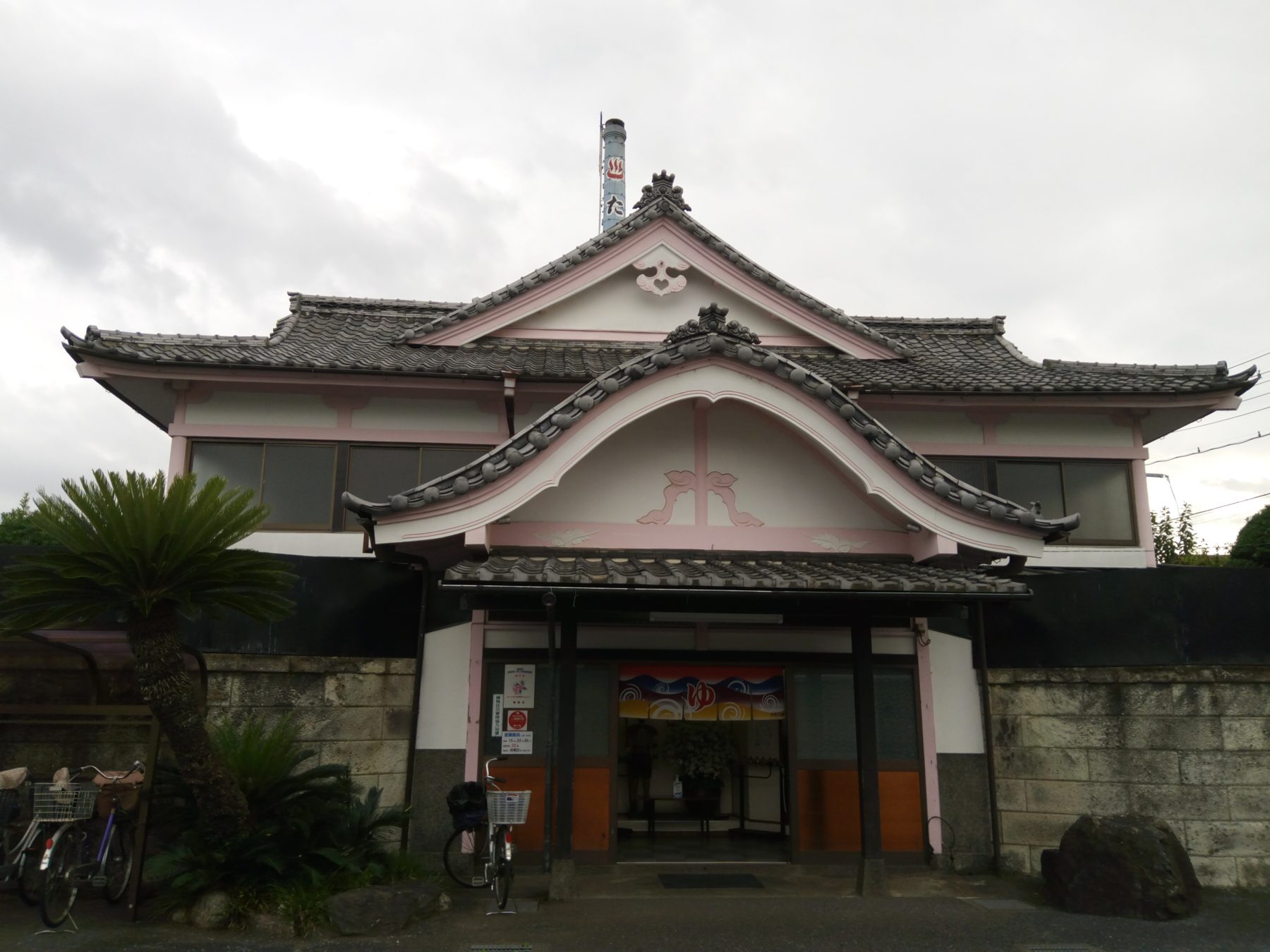
Japan’s Public Bath Act dates from 1948, when most homes had no bath of their own. The neighborhood sento is licensed as an ordinary public bath (一般公衆浴場) — legally a piece of daily hygiene infrastructure, not a leisure business. A separate 1981 act on securing public baths reinforces that framing, describing them as necessary to residents’ daily life. Because it is considered essential, its admission price is capped under rules descending from the postwar Price Control Ordinance, with each prefectural governor designating the ceiling by public notice — typically after consulting an advisory fee council (Osaka’s is the Public Bath Admission Fee Council).
The ceilings, as of August 2026: Tokyo ¥600 (raised from ¥550 on 1 August 2026), Osaka ¥600, Kanagawa ¥570, Kyoto ¥550, Hokkaido ¥500. Ceilings move, too: Tokyo’s has risen five times in six years — ¥480 in 2021, then 500, 520, 550, and 600. Same country, five different maximums, and those five are only the top of the range: the floor is lower, with Kagawa, Kochi and Miyazaki capped at ¥450 and Yamaguchi at ¥480, putting the real national spread at ¥450 to ¥600 — a third cheaper at one end than the other, for the exact same legally defined service, which is why any guide quoting one national "sento price" is wrong by construction. (These are ceilings, not set prices: a bath may charge less.) Sento keep neighborhood hours — usually afternoon to late evening (plenty open at 2pm or earlier, a few even in the morning), often one closing day a week. They are bathing facilities, not lodging — a sento has no accommodation license; letting anyone stay the night would need a separate license under the Inns and Hotels Act. (People do doze in the lounge, and nobody minds.)
The bath that is a business
The super sento, the kenko land, the all-night sauna complex: these hold the other license — "other public baths" (その他の公衆浴場) — the category for leisure rather than daily hygiene. No price cap, no obligation to be cheap. That freedom is what pays for the towels, the restaurants, the lounger floors, and the 24-hour operation with its late-night surcharge. This is the category our 24-hour bathhouses guide covers — the overnight stay everyone means when they say "you can sleep in a Japanese bathhouse" exists only on this side of the line.
Why the cap survives
The regulated price is a fossil of the era when the bath was a utility — and it is also why the sento experience survives at all. ¥600 in Tokyo buys the same hot water as the ¥3,000 complex across the street, minus the loungers. The cap has been inching up nationwide (Tokyo, Osaka and Kanagawa all raised theirs in 2026, citing fuel costs), but the two-tier structure itself hasn’t moved since the 1950s.
Which one you want tonight
- Before about 10pm, and you want the real neighborhood thing: sento. Bring your own towel and soap, carry cash, check its closing day.
- Missed the last train, or want to stay until morning: super sento — pick from the 24-hour guide.