
On this page14 sections
A 24-hour bathhouse is a public bath you can sleep in, and ten cities on this page have one: Tokyo, Osaka, Seoul, Shanghai, Taipei, Los Angeles, New York, Chicago, Atlanta and Dallas. The first time somebody explains it to you, it sounds like a misunderstanding. You pay about the price of two coffees. They give you a locker, a towel and a set of house pajamas. You wash and sit in hot water at whatever temperature suits you. You eat something, lie down in a dim room full of other people doing the same, and sleep until morning. Nobody moves you along. That is the whole business.
In large parts of East Asia this is as ordinary as a Tuesday. The trains stop, the last one goes without you, and instead of paying for a hotel you go to the bathhouse. Salarymen do it. Students do it. Families do it on purpose on weekends. Because it is so unremarkable locally, guides written for visitors barely mention it. Those visitors then spend a small fortune on an airport hotel for five hours' sleep.
It is one of the best things you can do with a jet-lagged night. Say you land at nine in the evening, wrecked and stiff from a fourteen-hour flight. You sweat, plunge into cold water, eat noodles at two in the morning in borrowed clothes, and sleep. You wake up in the city, already clean, having spent about twenty dollars.
Below is what each city costs, and where the local version is different enough that you should know before you turn up.
Tokyo
Tokyo's trains stop just after midnight, and a whole category of business exists because of it. The super sento is a big, modern public bath with saunas, restaurants and reclining chairs. It is where the city goes after missing the last train, and for a visitor it is the best-value night in town.
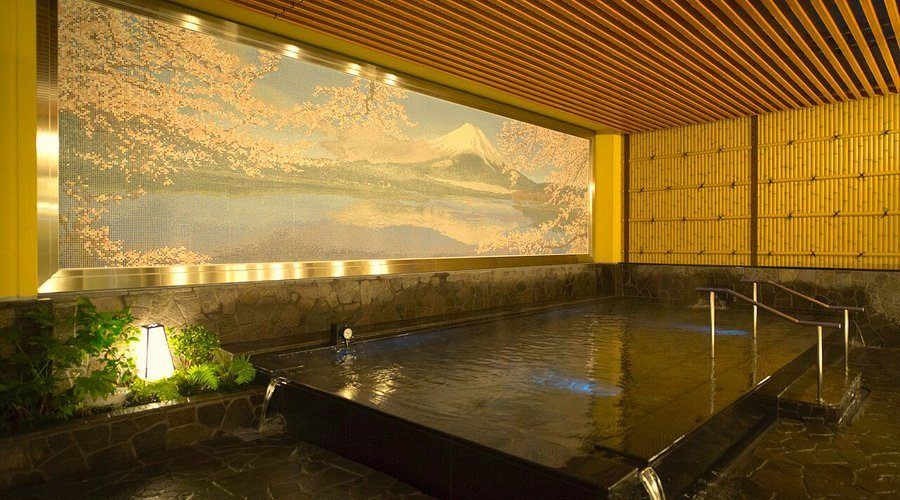
Thermae-Yu Standard
Real hot-spring water trucked into the middle of Kabukicho, with indoor and outdoor baths and rows of reclining loungers. The most convenient of the lot if you are staying anywhere near Shinjuku.
Times Spa Resta Standard
A calm, well-run bath on top of a parking garage by Ikebukuro station. It is nowhere near as glamorous as that sounds, and it is one of the best-value overnight options in the city.
Toyosu Manyo Club Luxury
Hot-spring water shipped in from Yugawara and Atami, an open-air foot bath on the roof with Tokyo Bay in front of it, and proper rooms if you want a bed rather than a lounger. This is the version to pick if you want the experience without sleeping in a chair.
Osaka
Osaka's contribution is Spa World, an eight-story bathhouse organized as a world tour. A European floor has Roman and Finnish baths and an Asian floor has Balinese and Persian ones. The two swap by gender every month, so everybody eventually gets both.
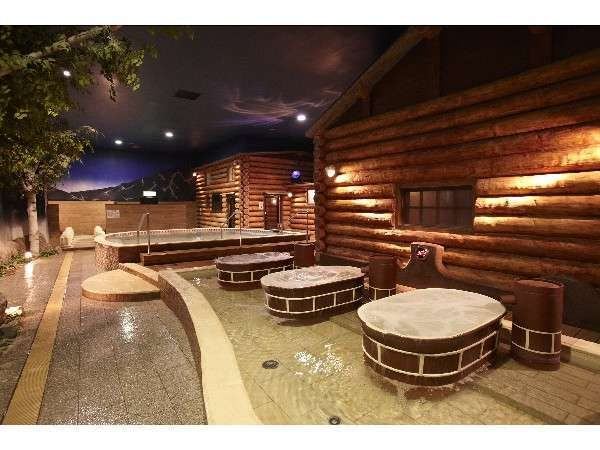
Spa World Standard
Themed baths, stone saunas on the third floor for an extra fee, and hotel rooms upstairs if you would rather not doze in the lounge. Attached to the Shinsekai district, which is worth an evening on its own.
Solaniwa Onsen Luxury
Included as the honest exception. It is the most beautiful bath in Osaka, a recreated Edo-period bathing town with ten private spring-water baths, and you cannot sleep there. Go in the afternoon and stay at Spa World if you want the night.
Seoul
Korea is where this idea is most thoroughly normal. The jjimjilbang is a neighborhood institution. You start in the gender-separated wet baths, then move to a big communal floor in issued shorts and a T-shirt. Whole families eat, sleep, watch television and stay the night there for about ₩12,000.
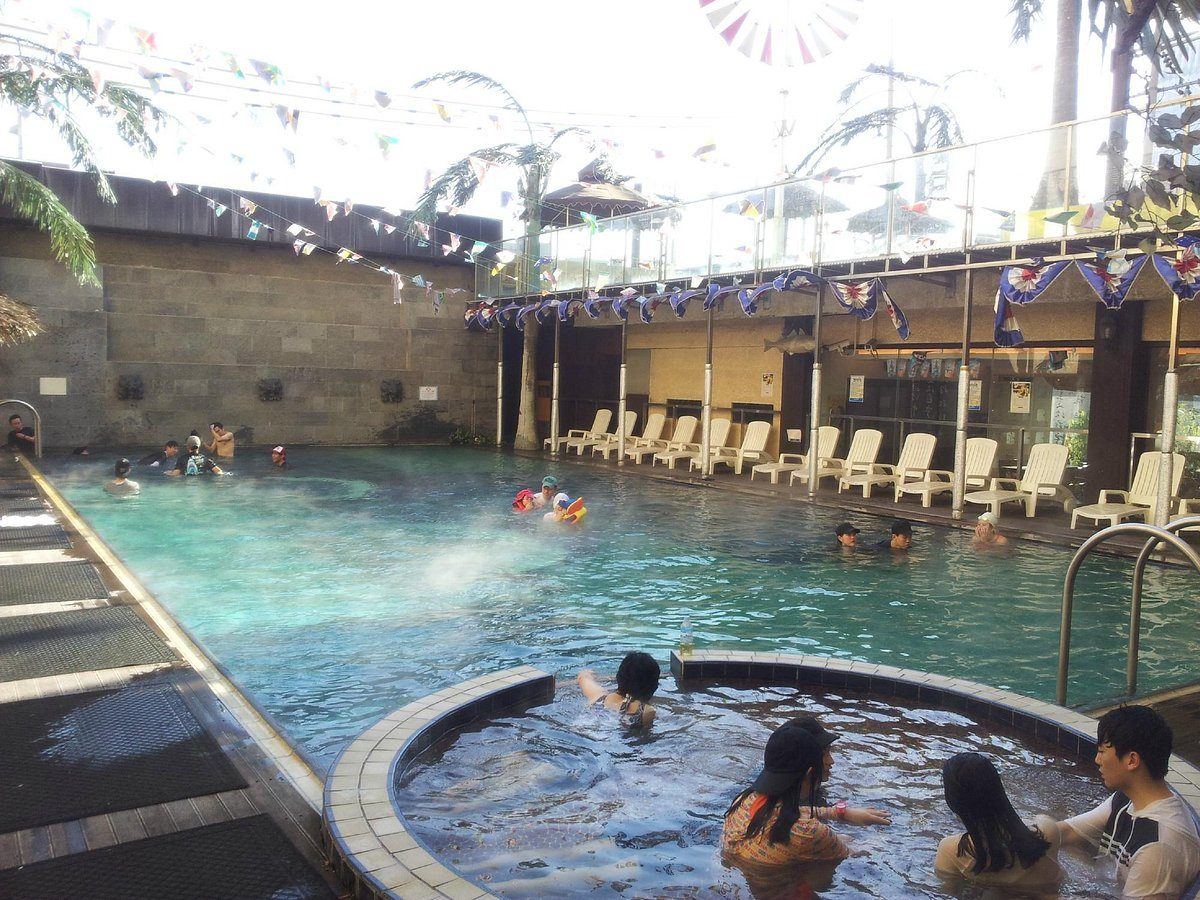
Dragon Hill Spa Standard
Seven floors, an outdoor garden bath, a cinema room, food stalls, and the one most visitors end up at because it is next to Yongsan station and used to foreigners. Famous from about a dozen K-dramas.
Siloam Sauna Standard
Older, plainer and less touristed. It is a five-minute walk from Seoul Station, which makes it the obvious move on the night you land or the night before an early KTX (Korea's high-speed train).
Shanghai
China took the Japanese format and made it enormous. A Shanghai bathhouse is a whole floor of graded hot pools and saunas attached to a buffet, a cinema, a nail salon and a hall of sleeping cabins. The overnight package is priced on purpose against the cost of a hotel room.
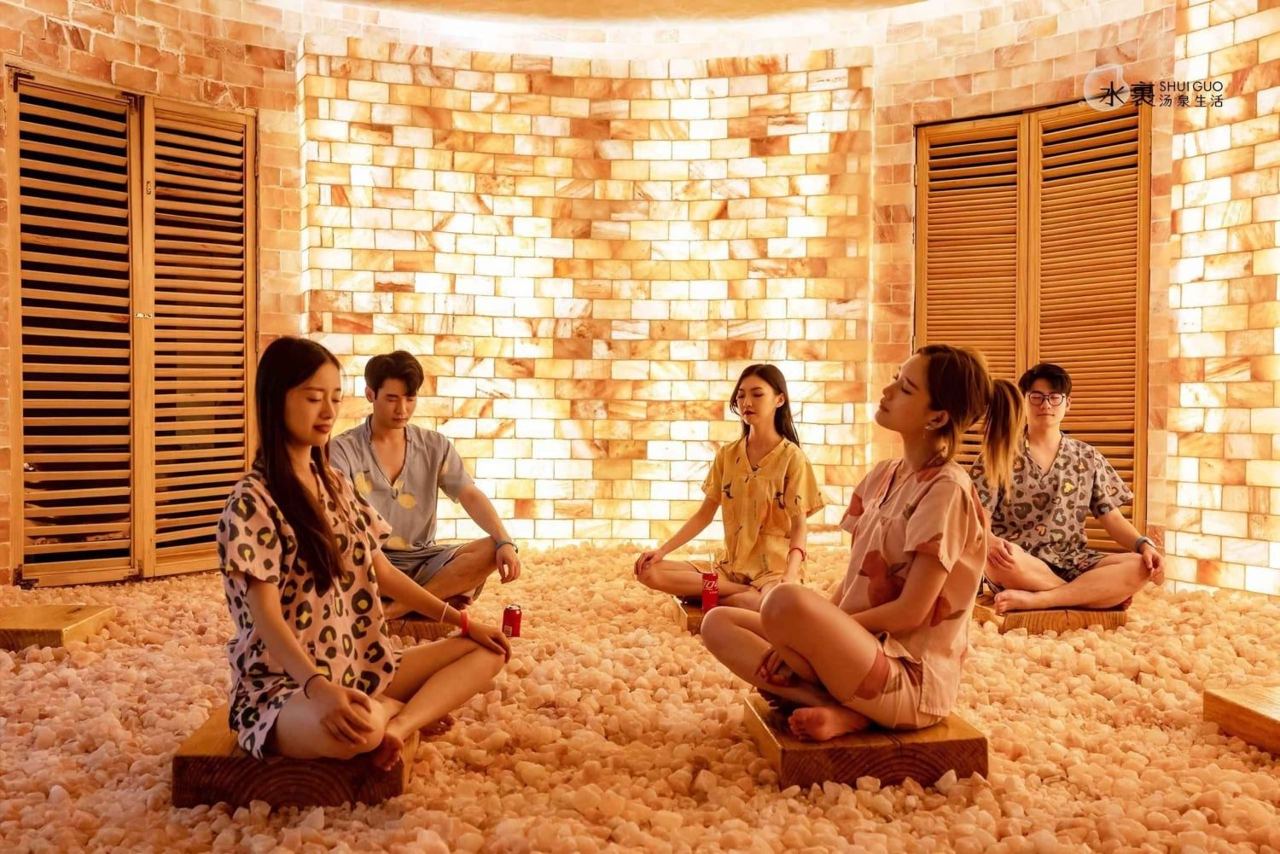
Shuiguo Spa (水裹汤泉) Standard
Reachable underground from Hongqiao train station, which makes it unreasonably convenient if you are arriving late or leaving early. House pajamas, a locker room stocked like a department store, and sleeping cabins with blankets.
Yashui Onsen Luxury
The top of the market: five buffet services across the stay, sashimi and caviar among them, and a changing room stocked with luxury brands. Absurd, and cheaper than the equivalent night in a five-star hotel with room service.
Taipei
Taipei does it differently, and it is worth knowing before you turn up expecting a sleeping hall. Beitou, in the north of the city, sits on real sulfur springs. The local model is a private room rented by the hour (many are open around the clock), not a communal floor you can bed down in.
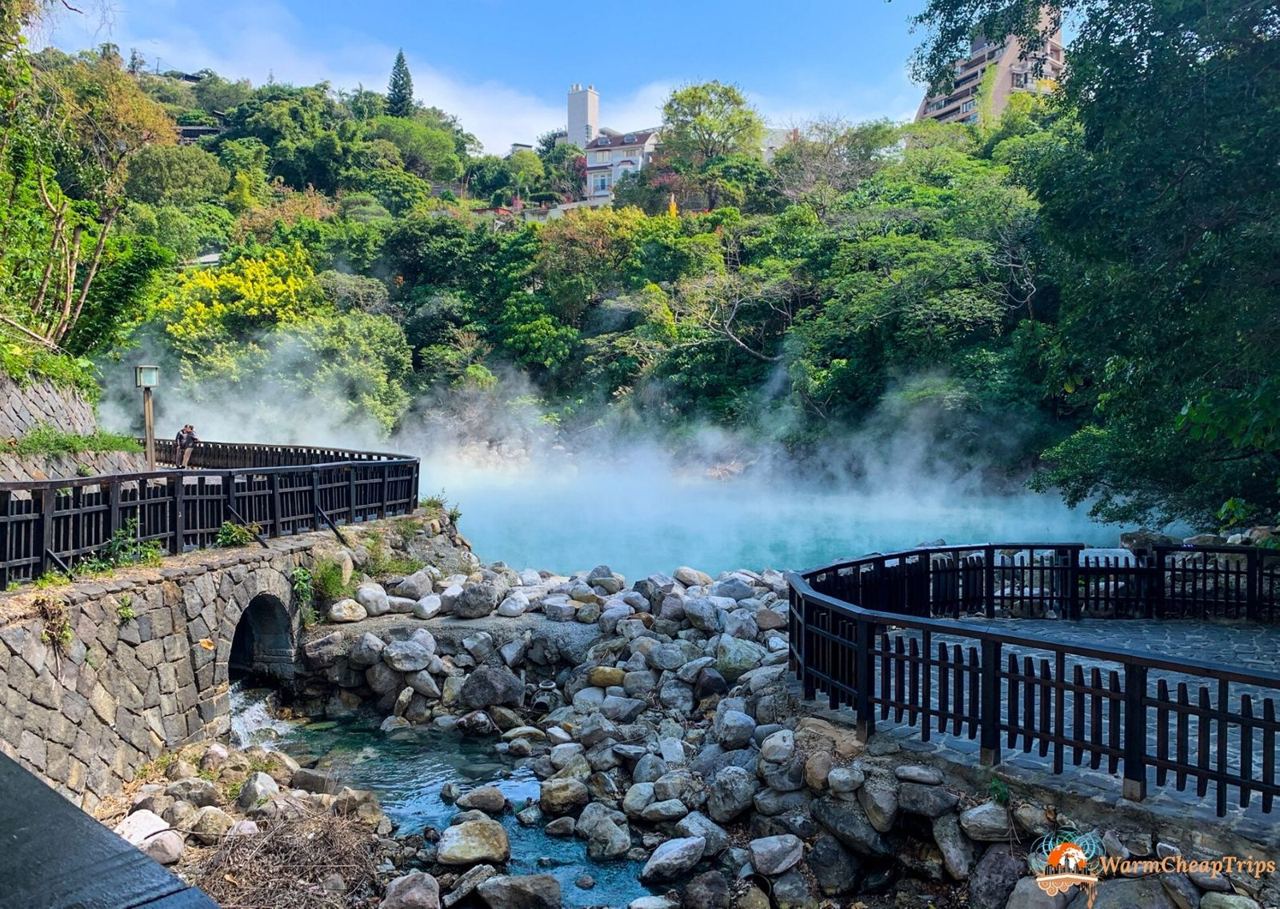
Beitou Shanle Hot Spring Standard
Two minutes from Xinbeitou MRT. Each room has hot and cold pools, a shower and its own relaxation area. The format is closer to a private bath than a bathhouse, and it is available at four in the morning.
Spring City Resort Luxury
The resort version: proper rooms upstairs if you want to sleep, and private spring baths downstairs if you only want the water.
Los Angeles
Los Angeles has the largest Koreatown outside Korea, and it imported the institution intact. For a city with famously nothing to do after 11pm, it has several floors of hot water open at four in the morning.
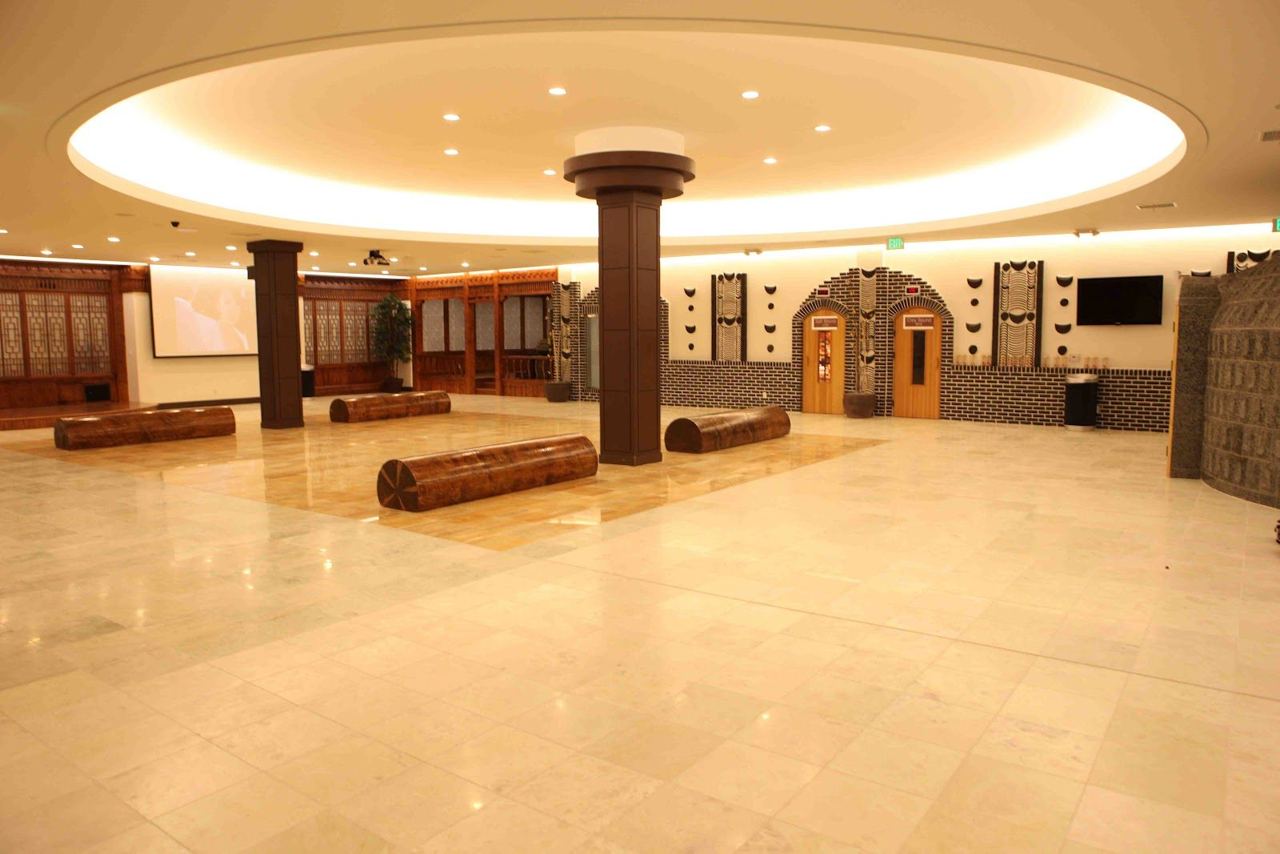
Wi Spa Standard
Hot tubs, dry and steam saunas, and five therapy rooms (salt, jade, clay, a bulgama kiln and an ice room). There is also a rooftop terrace, a restaurant serving at 3am, and floors of sleeping areas.
Century Day & Night Spa Standard
Cheaper, plainer, more local, and the name is not being coy about the business model.
Centurion Spa Luxury
Newer and smarter, with one of the largest bulgama kilns in California.
New York
New York's version is smaller and stranger: an unmarked floor of an office building on West 32nd Street, above Koreatown, that never closes.
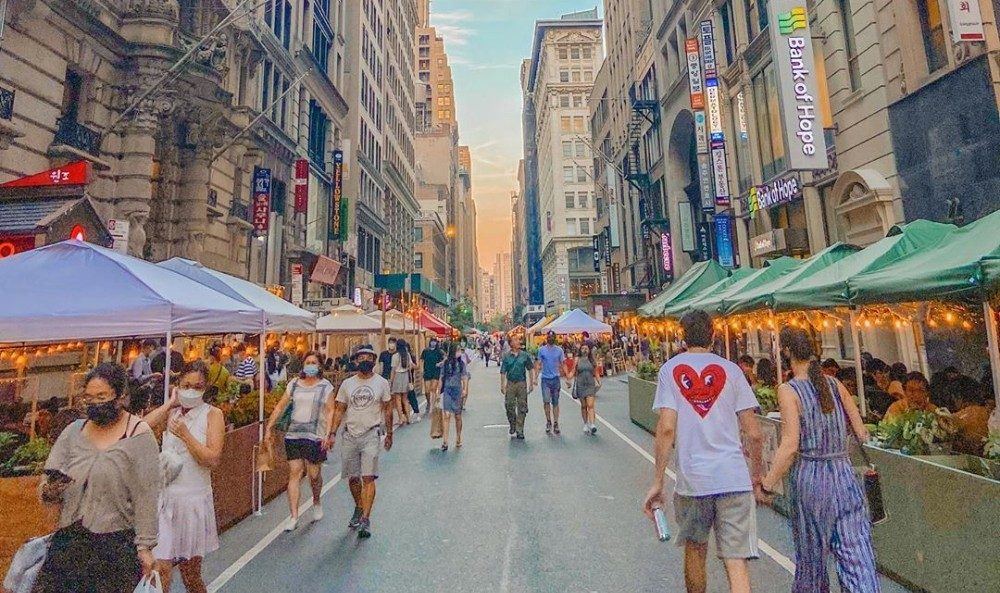
Juvenex Spa Standard
A jade igloo sauna built from twenty tons of semi-precious stone, a herbal steam room and Japanese-style soaking pools. Long a post-curtain habit for Broadway performers, which tells you what time it fills up.
Spa Castle Luxury
The big one, with four pools, eight saunas and an actual sleeping room. It closes at 9:30pm, though, so it is on this page as the near-miss, not the option.
Chicago
The largest Korean spa in the United States is not in Los Angeles or New York. It is in Niles, twenty minutes northwest of downtown Chicago, and it runs around the clock.
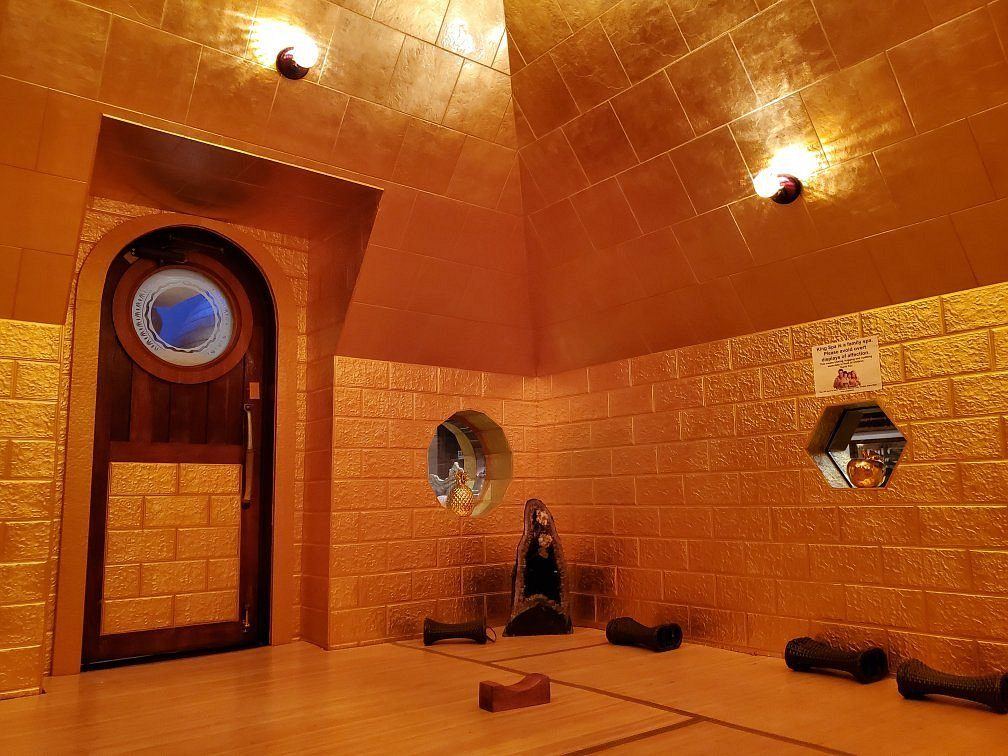
King Spa & Sauna Standard
Nine themed sauna rooms, a full restaurant, a cinema room and dedicated sleeping areas. Note the entry window: you can stay through the night, but you cannot arrive in the middle of it.
Atlanta
Atlanta's Korean community is concentrated up in Gwinnett County, and so is its bathhouse. It is enormous, and open every hour of the year.
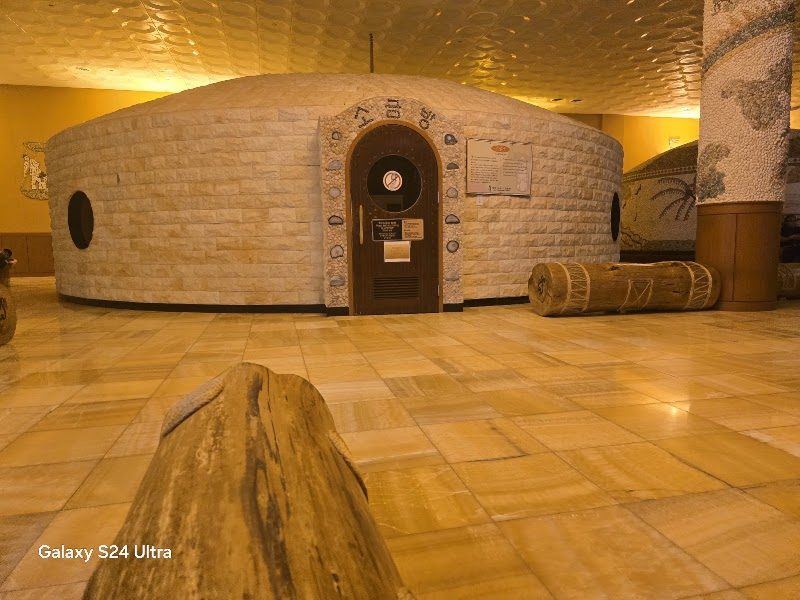
Jeju Sauna Standard
Multiple floors of themed kilns and pools with a restaurant and sleeping areas. Treatments keep ordinary hours even though the bathhouse does not, so book a scrub for the daytime.
Dallas
Texas's entry is a Korean spa with a waterpark attached, on Royal Lane in north Dallas.
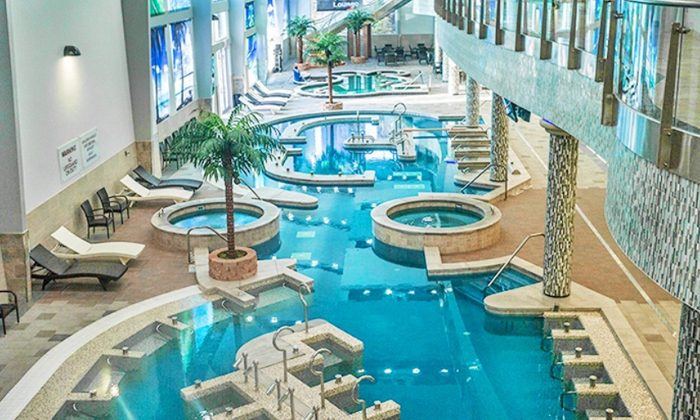
King Spa & Waterpark Standard
Nine healing sauna rooms, a cinema room, acupressure and a waterpark. One admission buys the full day, which is what makes the overnight math work.
How to not embarrass yourself
- You bathe unclothed, and the wet areas are separated by gender. This is not negotiable and nobody is looking at you.
- Wash properly at the seated showers before you get into any shared water. Sit down, use the soap, rinse off. This is the one rule where getting it wrong is truly rude.
- The communal floor, where the sleeping happens, is mixed, and everybody wears the house-issued shorts and T-shirt.
- Tattoos are still restricted at many traditional baths in Japan. Some venues allow them, some ask you to cover them, some refuse entry. Check the specific venue's current policy rather than assuming.
- Bring nothing. Towels, clothes and toiletries are issued at the door, and lockers are included in the entry price.
- Hours and prices change more often than you would think. Everything here was checked in August 2026; confirm before you plan a night around it.
The money is remarkable, but it is not the real reason to go. A bathhouse night drops you into the ordinary life of a place at an hour when tourists are asleep. At two in the morning in a Seoul jjimjilbang there are teenagers playing cards, a couple of old men asleep in armchairs and someone's grandmother eating a boiled egg. And there is you, in the same shorts as everybody else, entirely unremarkable.
You will not get that from a hotel. And in the morning you walk out into the city already showered, with your first day intact.
If a bathhouse night is the plan, mark spa as a must-have in PoppaTrip's wizard so the planner actually goes looking for one, and set your pace loose enough to leave a late evening free.
Want more on Beitou? A guide from someone who stayed there
This article covers Taipei in one section; this next one is a whole guide to Beitou by a traveler who spent two nights in it.
- Taipei (Beitou) — Beitou Hot Springs Guide: Everything You Need to Know (From My Visit) — Between England & Everywhere — A first-person walk through Beitou with entry prices in NT dollars and a two-night stay in a hot spring hotel room with a private bath in it. It also covers the public foot spas, Thermal Valley and the hot spring eggs that our single Taipei section has no room for.