
historic
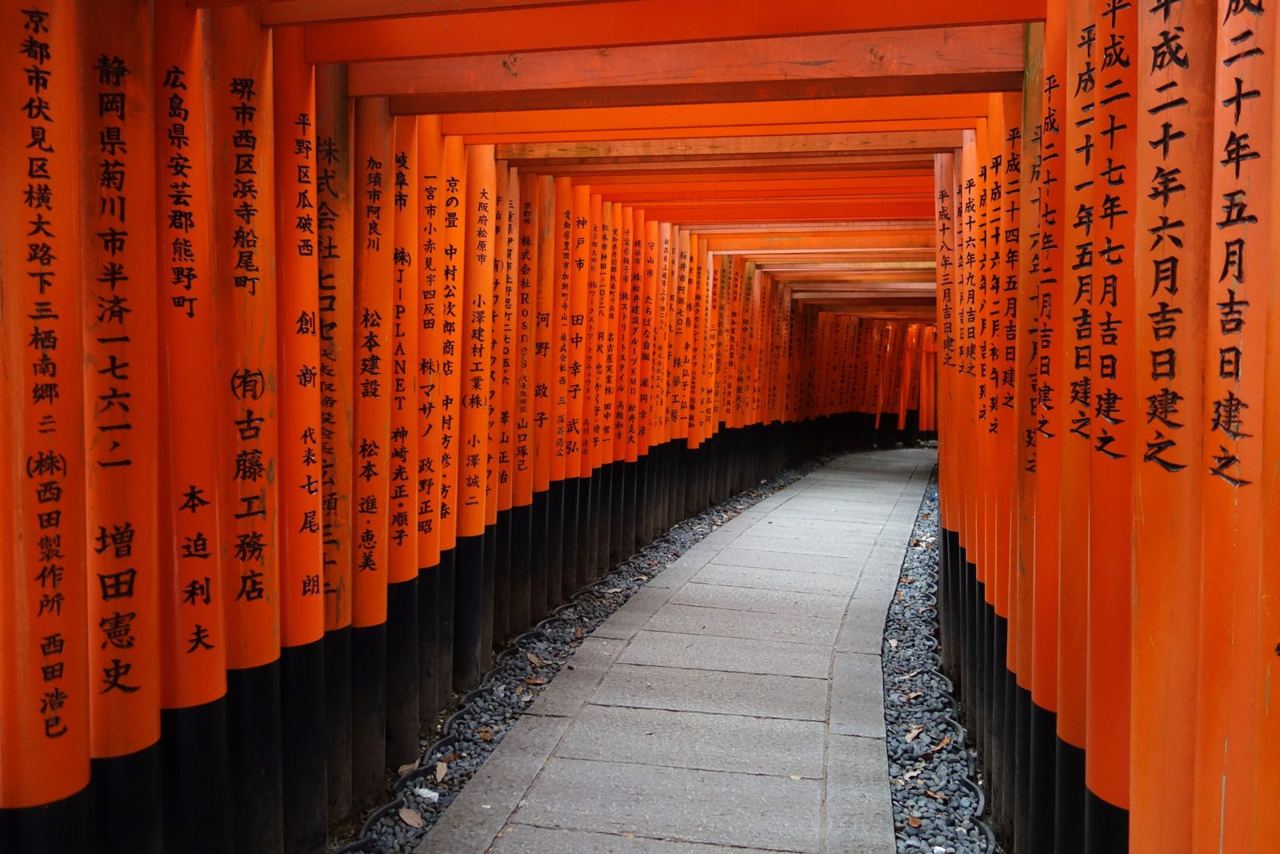
Fushimi Inari Taisha
A shrine mountain roofed in thousands of vermilion torii gates, open around the clock and free to walk.
The most visited old city in Japan is also the easiest one to have to yourself, because almost everybody arrives at the same hour. Be on the mountain at seven, hide indoors at midday, and come back out when the tour buses leave.
12 places we would actually send someone to, across 6 categories. Photos are in the written guide below, and every photo is of that specific place.
A shrine mountain roofed in thousands of vermilion torii gates, open around the clock and free to walk.
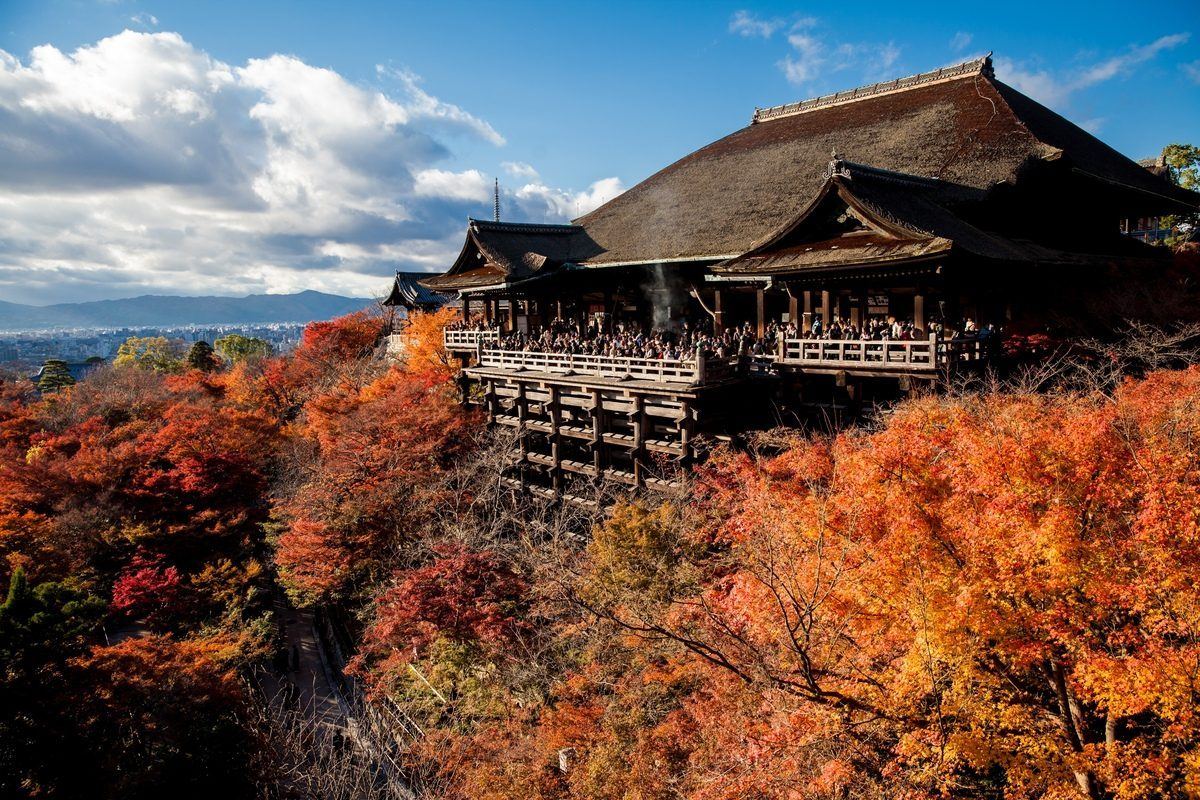
The hillside temple on its enormous wooden stage, open from six in the morning, with the Otowa spring running underneath it.
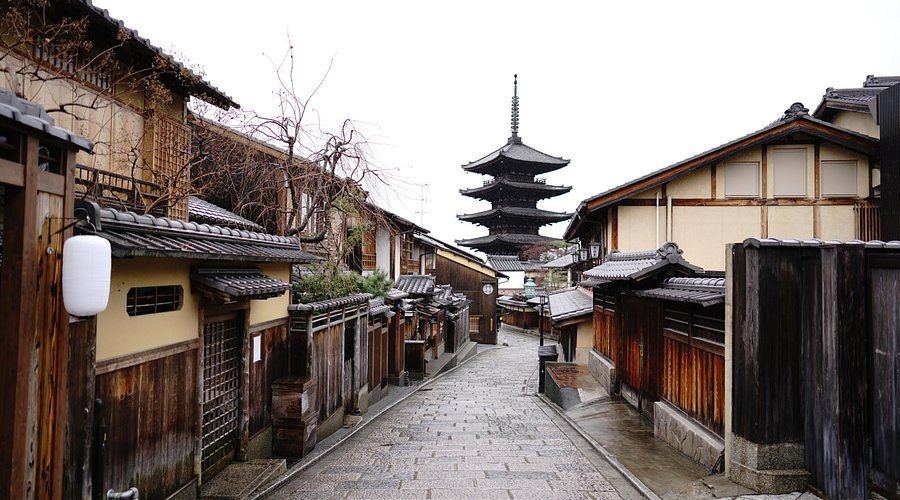
Two stone-paved lanes below Kiyomizu-dera, laid in 807 and 808 and protected as a preservation district since 1975.
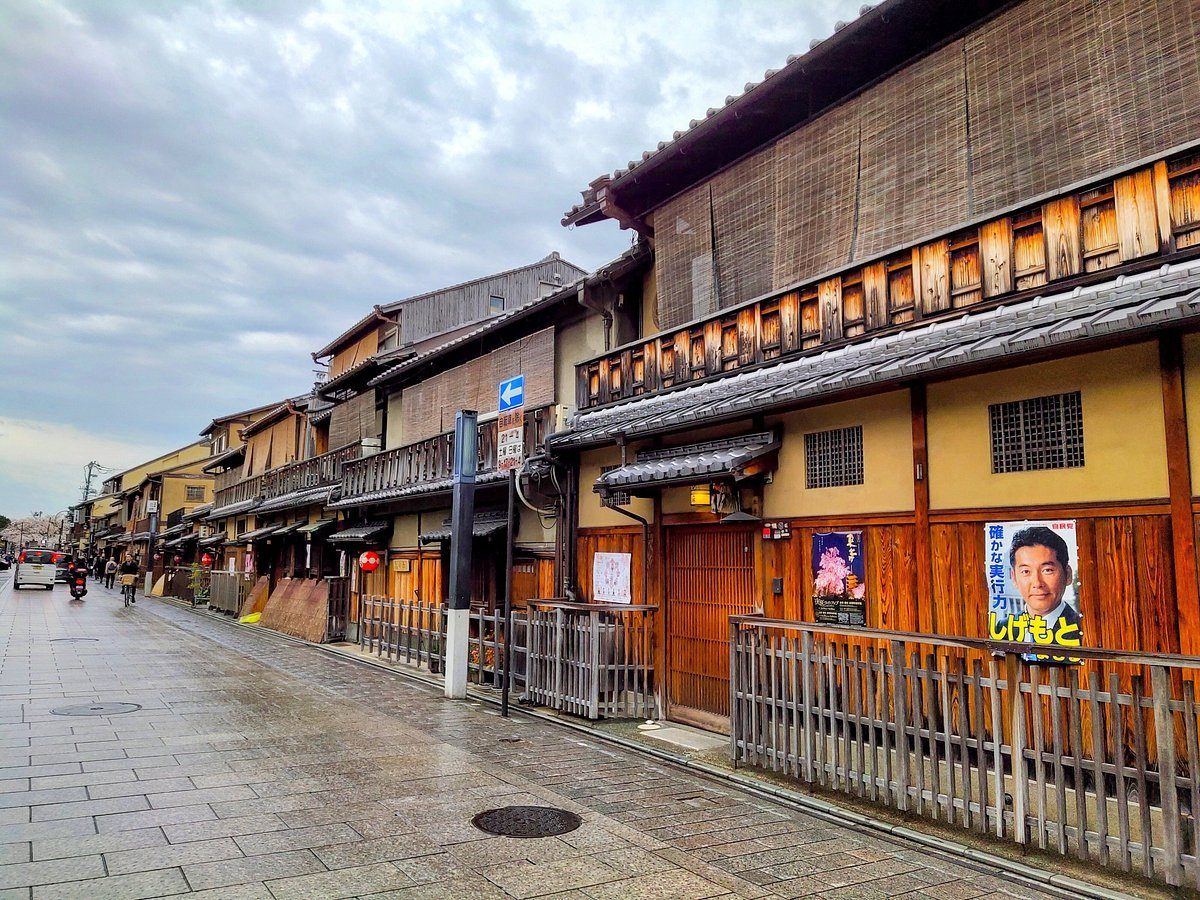
Kyoto's teahouse district: one public street of wooden machiya, and side lanes that are private property and closed to visitors.
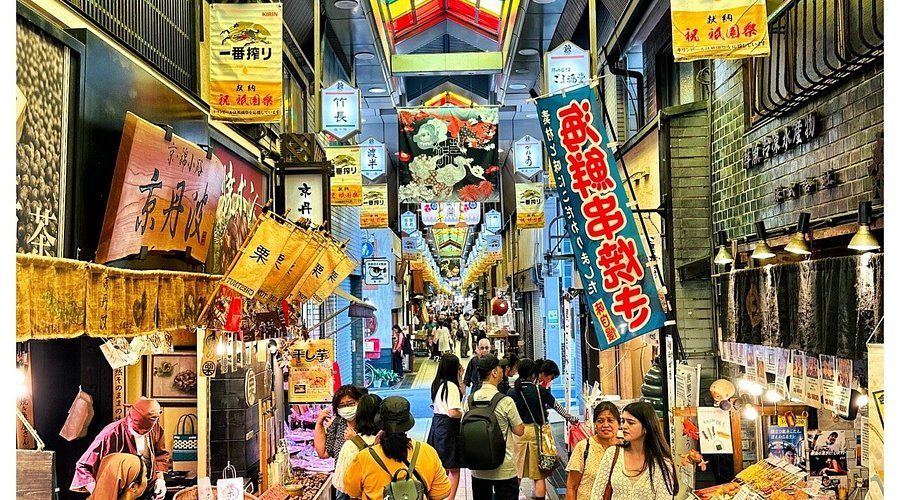
Four hundred meters of covered market, 'Kyoto's kitchen', where the rule is to eat standing at the stall you bought from.
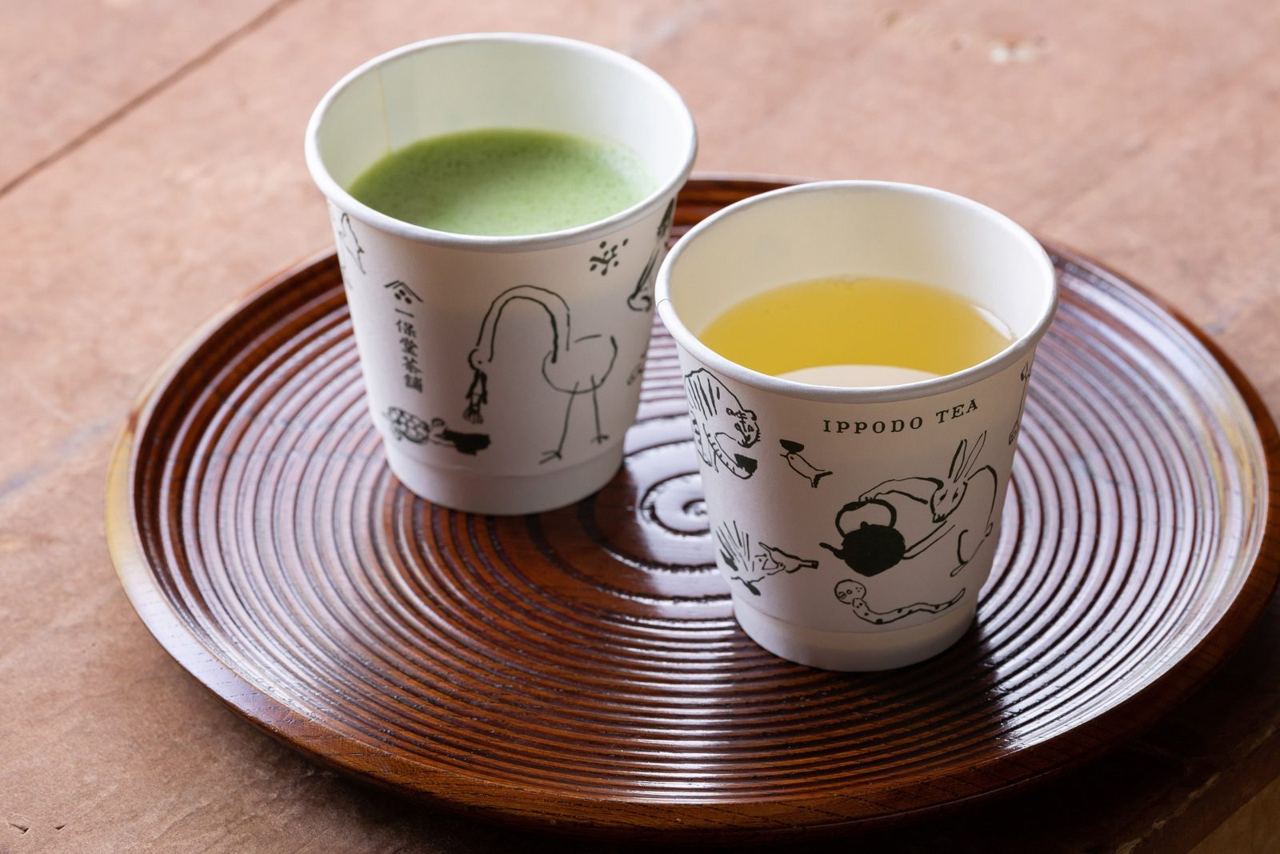
The tearoom beside a tea merchant trading on Teramachi since 1717 — matcha whisked for you, with a wagashi sweet.
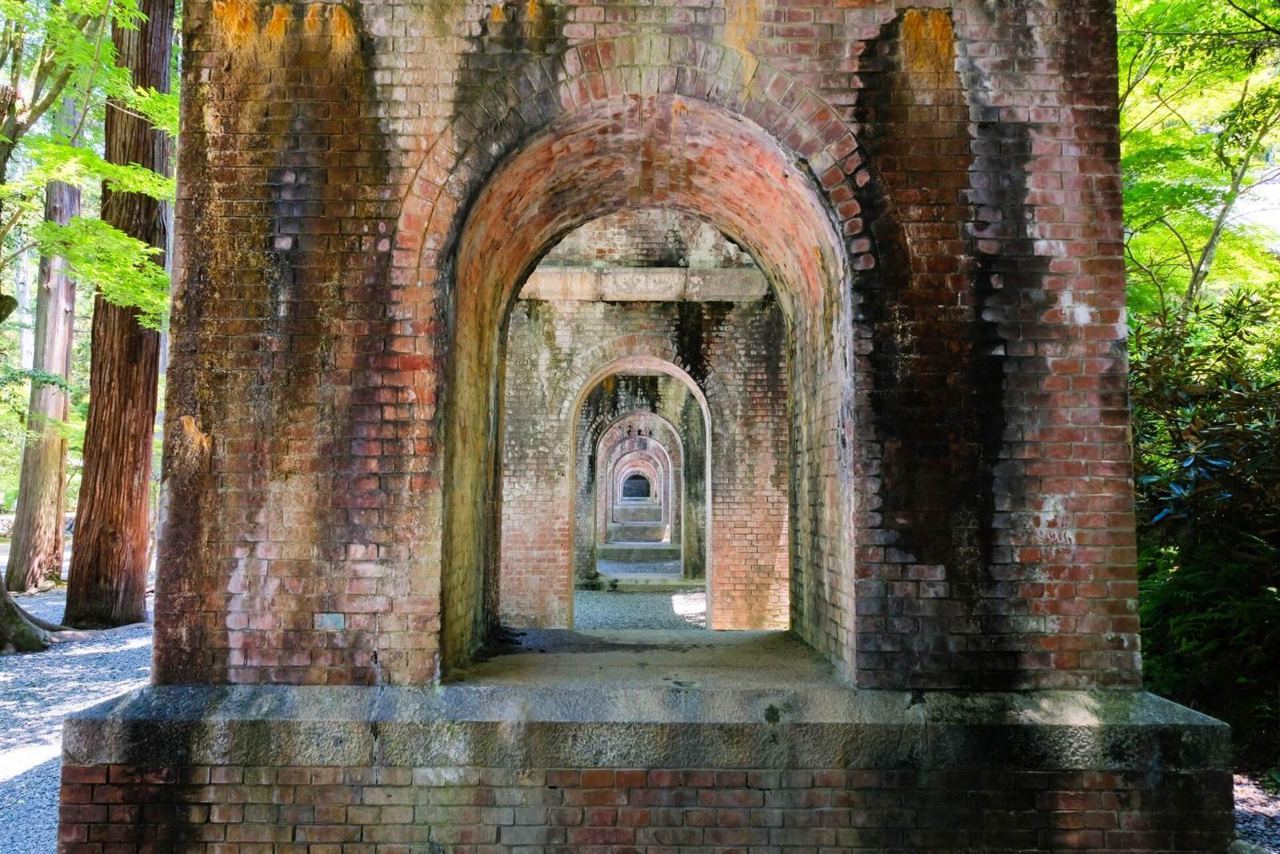
A Zen temple complex with a red-brick Meiji aqueduct running straight through it, built in 1888 and still carrying water.
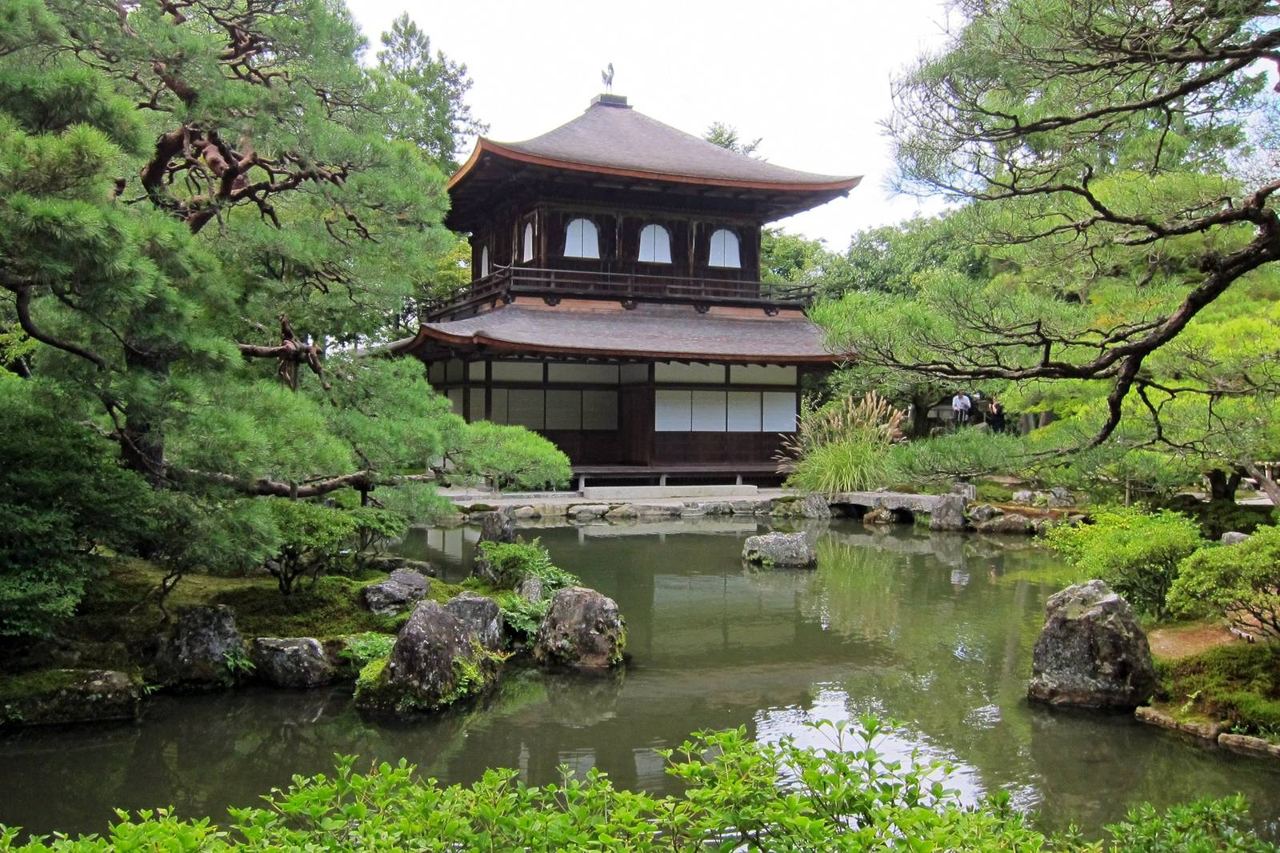
The Silver Pavilion, its raked sand cone, and the two-kilometer canal path named for the philosopher who walked it.
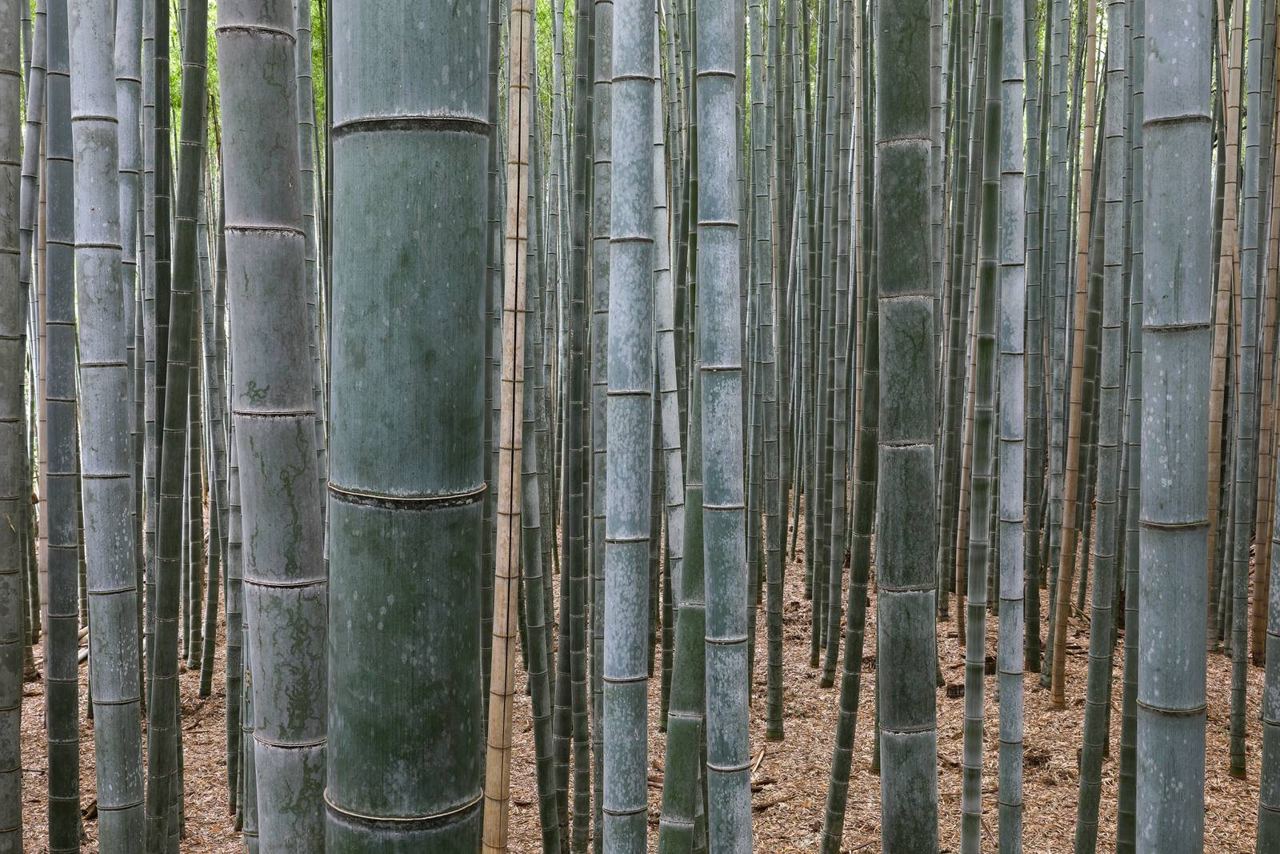
A free, always-open bamboo path next to a UNESCO temple whose pond garden has kept its 14th-century layout.
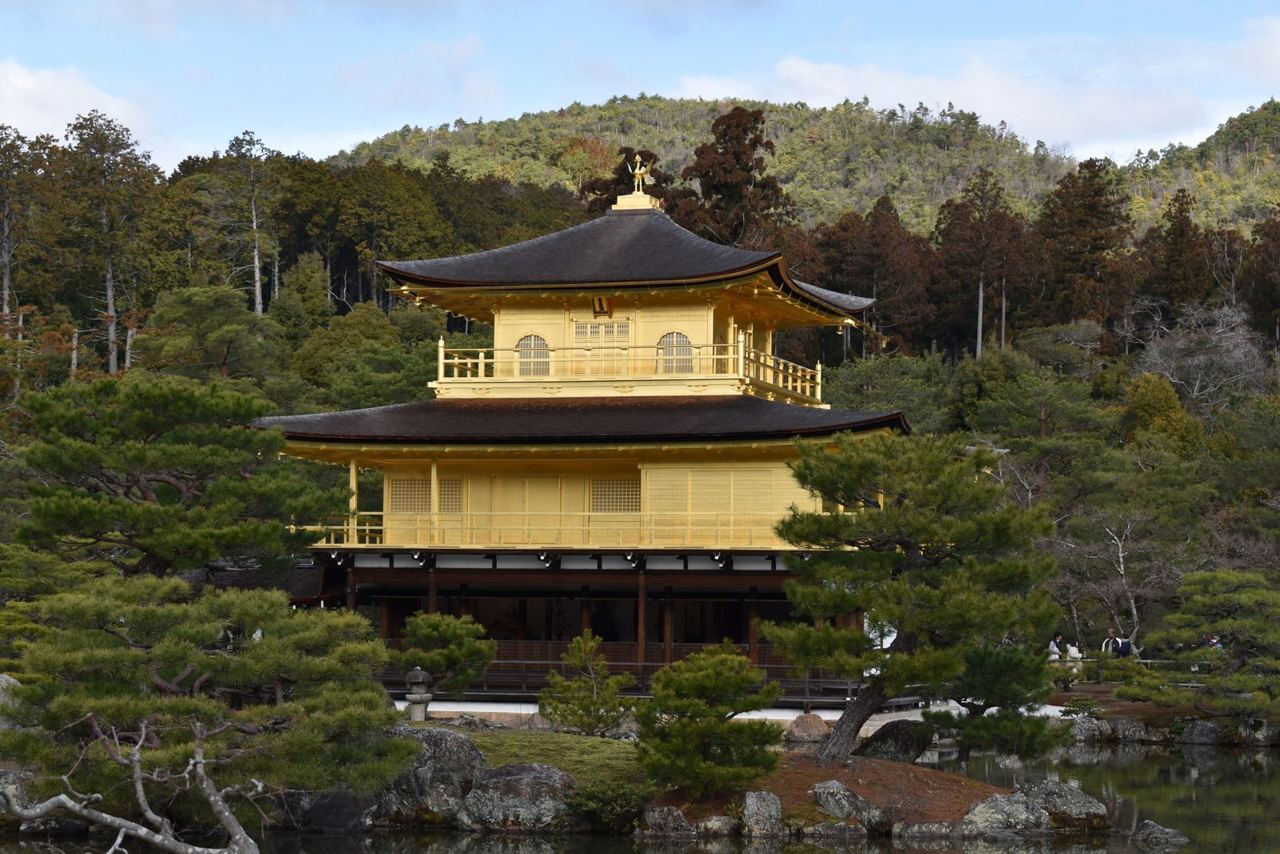
The gold-leafed pavilion standing in its own reflection, rebuilt in 1955 after an arson destroyed the original.
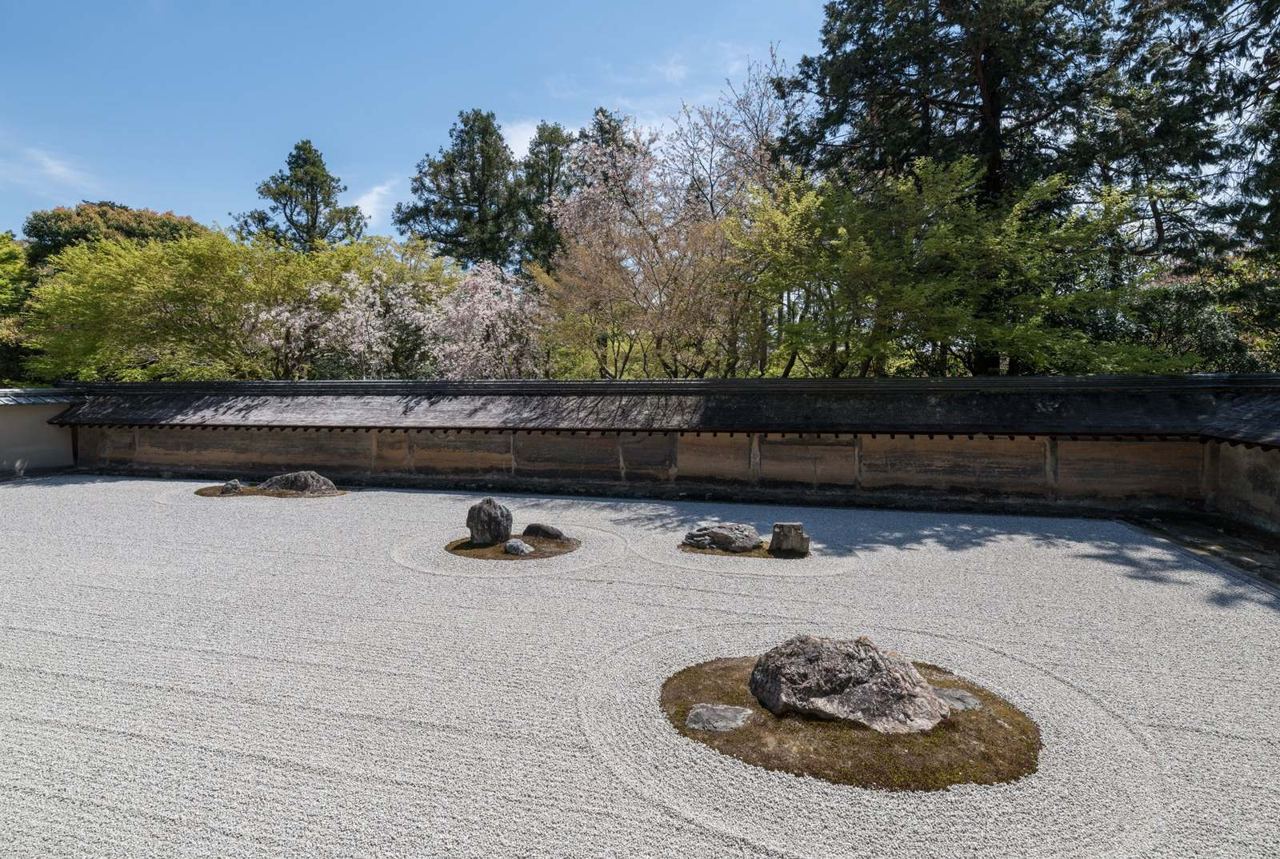
Fifteen stones in raked gravel behind a clay wall — the most famous dry garden in Japan, and one of the quietest.
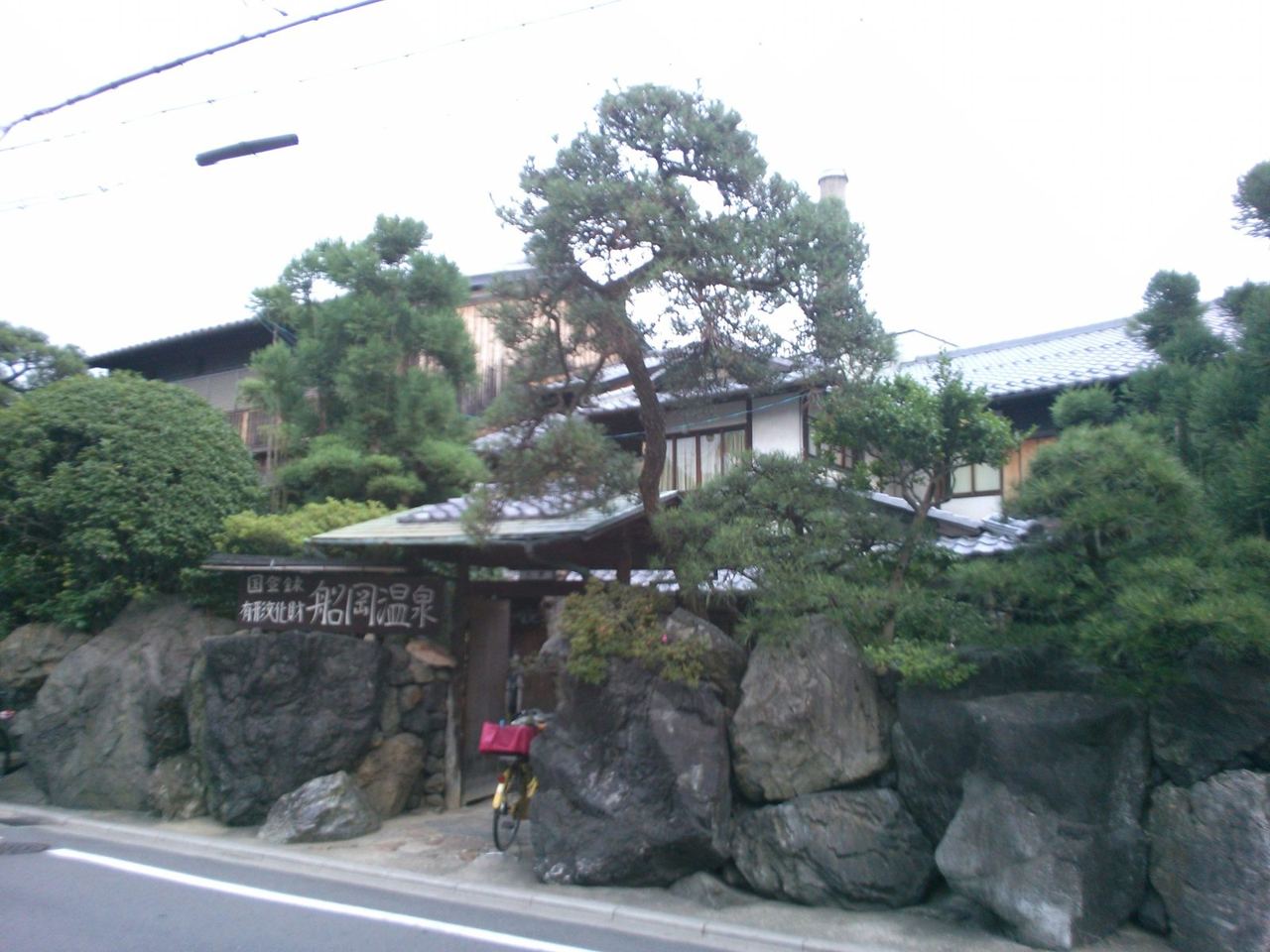
A 1923 neighborhood bathhouse in Kita-ku with carved transom panels, an outdoor stone bath and a hinoki-wood one.
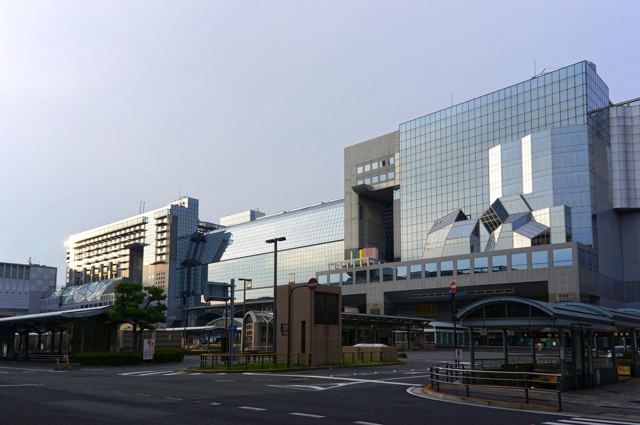 Our base for this trip
Every argument in this guide is about being somewhere at seven in the morning, and the only thing that reliably delivers that is a short walk to a platform. The Granvia is built into the Kyoto Station complex itself, which puts the JR Nara line to Fushimi Inari, the JR line west to Arashiyama, the subway across the center and the airport trains all within a few minutes of the elevator — and it means a 6am start does not begin with a taxi. The station building is worth ten minutes of your own time too: the 171-step Daikaidan staircase runs up through the atrium to a free rooftop terrace, and a glass Skyway crosses the roof 45 meters up, both free to walk. If you would rather be in the old city than the transport hub, Gion and Kawaramachi are the other sensible base — prettier at night, one subway stop further from your alarm clock.
Inside the Kyoto Station building — the trains leave from underneath you
Kyoto has a crowd problem, and it is worth being blunt about the shape of it, because the shape is what you can plan around. The problem is not the number of visitors. It is that they are compressed into about six sites and about six hours. A coach or a hotel breakfast puts people onto the street between nine and ten; the last of them leave the big temples by five, when the gates shut. Between those two times, the famous places are shoulder to shoulder and the photographs everybody has seen are impossible to take.
Outside that window the same places are nearly empty. Fushimi Inari never closes and is free. Kiyomizu-dera opens at six in the morning. The Arashiyama bamboo path has no gate and no ticket at all. None of this is a secret; it is simply that acting on it means setting an alarm on holiday, and most people will not. You should. Two mornings of getting up at half past five will do more for this trip than a week of anything else.
The second thing to get right is geography. Kyoto sits in a basin with mountains on three sides, and its sights fall into four clusters that are genuinely far apart: the eastern hills of Higashiyama, the far west at Arashiyama, the north-west around Kinkaku-ji, and the flat center. Trying to alternate between them is how people lose whole afternoons. And the instrument they lose them on is the bus. Kyoto’s city buses go everywhere, which is exactly the trap — they also sit in the same traffic as everyone else, they fill up, and the route to Kinkaku-ji in particular is a slow, packed 40 to 50 minutes from the station. Use the trains where they exist. The Keihan and JR lines run down the eastern side, the subway crosses the center, and the Hankyu, JR and the little Randen tram all reach Arashiyama. Save the bus for the north-west, where there is honestly no alternative, and do that leg once.
What follows is two days built on those two rules: one cluster per half-day, and always at the wrong hour for everyone else.
Kyoto has a two-line subway crossing the center, four private railways reaching out from it, and one corner of the city that no train touches at all. Station names, lines and walking times below are read off each venue’s own “getting here” page or the operator’s own site — where a page names an exit letter we give it, and where it does not, we say so rather than invent one. Checked September 2026.
Fushimi Inari Taisha is the one stop with two direct rail options: its own access page puts it “right next to Inari Station on the JR Nara Line,” two stops and about five minutes from Kyoto Station, and “5 minutes’ walk to the east of Fushimi-Inari Station” on the Keihan Main Line. Neither page names an exit — Inari Station effectively opens onto the gate.
Gion & Hanamikoji sits at Gion-Shijo Station on the Keihan Main Line; we could not confirm an exit letter on an official page this session, so follow the signs for Hanamikoji from the main concourse rather than a specific exit number. Kiyomizu-dera, and the lanes below it at Sannenzaka and Ninenzaka, are not on any line at all — the temple’s own access page routes every arrival through a bus: City Bus 206 or 100 from Kyoto Station to the Gojozaka stop, then ten minutes east on foot, or bus 207 (or Keihan Bus 83, 85, 87, 88) from the Kawaramachi/Gion-Shijo area to the Gojozaka or Kiyomizu-michi stop. The only train option the temple names is Keihan Kiyomizu-Gojo Station, and its own page puts that about 25 minutes on foot from the gate — a fallback, not a plan for a six o’clock start.
The center is subway country. Nanzen-ji and the Suirokaku Aqueduct are a ten-minute walk from Keage Station on the Tozai Line, by the temple’s own site (no exit letter given). Ippodo’s Kaboku Tearoom names two subway approaches on its own page: Kyoto Shiyakusho-mae (City Hall) Station on the Tozai Line, Exit 11, five minutes’ walk, or Marutamachi Station on the Karasuma Line, Exit 7, ten minutes. Nishiki Market’s own access page adds a third: about three minutes from Shijo Station on the Karasuma Line, three minutes from Karasuma Station on the Hankyu Kyoto Line, or ten minutes from Shijo Station (renamed Gion-Shijo in 2008; the market’s own page still uses the old name) on the Keihan Main Line — no exit stated for any of the three.
Arashiyama is the one place with three rail operators converging on it, and Tenryu-ji’s own page gives a walking time for each: five minutes from Arashiyama Station on the Randen (Keifuku) Arashiyama Line, thirteen minutes from JR Saga-Arashiyama Station on the JR Sagano Line, fifteen minutes from Arashiyama Station on the Hankyu Arashiyama Line. The bamboo grove sits against the same temple’s north side, so the same three stations serve it.
And then the one honest bus corner of the guide. Ginkaku-ji, Kinkaku-ji and Ryoan-ji have no rail line at all, by each temple’s own access page: Ginkaku-ji names only City Bus 5, 7, 32, 102, 203, 204, EX100 and 105 to the Ginkakuji-michi or Ginkakuji-mae stop; Kinkaku-ji names City Bus 12, 59, 102, 204, 205 and M1 to the Kinkakuji-michi stop. Ryoan-ji’s own site could not be reached this session; Kyoto’s city tourism office names the JR bus from Kyoto Station’s JR3 stand to the Ryoanji-mae stop, and other sources describe a Randen Kitano Line “Ryoanji” Station about ten minutes’ walk north of the temple — check the operator’s own map for that one before you rely on it. Funaoka Onsen is the same story: reachable only by bus, and we could not confirm a current route number or stop name on an official page this session, so check Kyoto City Bus’s own route map on the day.
Start here, and start before seven. Fushimi Inari is a shrine that climbs a mountain, and the path up it runs through tunnels of vermilion torii gates set so close together that the light between them comes in stripes. Each one was paid for by a business or a family, and the donor’s name and the date are painted in black down the back of the post — which means that when you turn around and look downhill, the whole tunnel is covered in writing.
At half past six there will be a handful of people and a lot of cats. By eight the lower gates are a line moving at the speed of the slowest phone. The difference is not subtle and it costs you nothing but the alarm: the shrine is open twenty-four hours and there is no admission fee, which makes it the single best value in this guide.
How far up you go is the only decision. Most people climb about thirty to forty-five minutes to the Yotsutsuji intersection, which is the one real viewpoint on the mountain — the basin of the city laid out below you, best in the flat early light — and turn back there, which is a perfectly respectable trip. The full loop over the summit is roughly four kilometers with 230 meters of climb and takes two to three hours, and its reward is that the crowd thins to nothing within twenty minutes of the bottom. Take the Keihan or the JR Nara line to Inari; both stations are effectively at the gate.
The most useful line in this entire guide is the opening time of Kiyomizu-dera: six in the morning, every day, for ¥500. The great wooden stage juts out over the hillside on a lattice of pillars, and from it you get the whole eastern slope and the city beyond. At six you share it with a few people praying and a groundsman with a rake. At eleven it is a slow-moving current of visitors and you will be photographing the backs of heads.
Underneath the stage, three channels of the Otowa spring fall into a pool, and there are ladles on long poles to drink from them. The three streams are traditionally said to grant long life, success in study, and a fortunate love match, and the etiquette is that you pick one — taking all three is greedy and the point is that you choose.
Walk down afterwards rather than back, because the descent is the good part. Sannenzaka and Ninenzaka are stone-paved lanes laid, by tradition, in 807 and 808, running between wooden shopfronts under the Yasaka pagoda; they have been a protected preservation district since 1975, and a further round of rules in 2005 took the power poles and the loud signage off them. Early they are a film set with the shutters going up and the smell of the first batch of rice crackers. By mid-morning they are a river of people, and the two flights of steps are genuinely slippery in rain — which is the origin of the local joke that a fall on Sannenzaka brings three years of bad luck. Photography here on the main lanes is fine. It is the side alleys where it is not, which is the next stop.
Gion is the teahouse district, and it is worth walking, and it is also the place where visitors most often get this city wrong — so here is the current position, stated plainly. In April 2024 the local residents’ association closed the private lanes off Hanamikoji to visitors entirely, after years of geiko and maiko being chased down alleyways for photographs, and put up multilingual signs saying so. That followed a 2019 rule banning photography on those same private roads, whose signs carried a ¥10,000 penalty. These are not decorative signs and the lanes are not public property.
What remains open is plenty. Hanamikoji itself is a public street and you can walk it and photograph it; so can you the willow-lined canal at Shirakawa a few minutes north, which is the prettier of the two anyway, and Yasaka Shrine at the top of the hill, which is free and open all night. Kyoto’s own etiquette guidance for the district is short enough to remember: do not stop dead in the middle of the lane, do not touch the paper lanterns or sit on the slatted bamboo fences against the housefronts, do not enter private property, do not smoke in the street, and do not photograph a geiko or maiko without asking.
Go at dusk, around six, when the lanterns come on and the district looks the way it is supposed to. If a woman in full dress walks past you at speed, she is at work and she is late — the correct response is to step aside and let her through, which is also, as it happens, the best view you will get of her.
From about ten until four, give up on the famous outdoor sites. That is not defeat, it is scheduling. Kyoto’s center is flat, roofed and full of exactly the things that are better in the middle of the day.
Nishiki Market is four hundred meters of covered arcade between Takakura and Teramachi, running under a striped canopy put up in 1993, with something over a hundred shops in it — many held by the same family for generations and each doing one thing only. Pickles in a hundred colors. Tamagoyaki cut hot off the pan. Grilled skewers, chestnuts, tofu doughnuts, dried fish, knives. Shops open on their own schedules, mostly somewhere between nine and eleven. One rule, and it matters more here than the food does: the merchants ask you not to eat while walking. Buy, step aside at the stall, eat there, and hand the trash back to the person who sold it to you. Doing this correctly is the difference between being a customer and being the problem.
Then walk about twenty minutes north — it is a bit over a kilometer and a half from the east end of the market — to Teramachi, and stop at Ippodo, a tea merchant that has been selling on this street since 1717. The Kaboku tearoom next to the shop is open ten in the morning until five — last orders half past four, closed on the second Wednesday of the month — and what you should order is a bowl of matcha with a seasonal wagashi sweet. They will bring you a whisk and show you how it is done if you ask. It takes twenty minutes, it is the calmest room in central Kyoto, and it is the correct answer to the question of what to do at two in the afternoon in July.
At four, go back out to the eastern hills, and start at Nanzen-ji. The temple grounds are free to walk and the enormous Sanmon gate is the first thing you meet, but the reason to come is behind it: a red-brick aqueduct on Roman arches, striding straight through the middle of a Zen temple complex. It was built in 1888 to carry water from Lake Biwa over the mountains to a city that had just lost the imperial court and needed something to run its mills, and it is not a ruin — there is still water moving along the top of it. Standing under the arches with a temple roof visible through them is one of the few genuinely strange sights in Kyoto, and at five in the afternoon you will have it more or less alone.
From there the Philosopher’s Path runs two kilometers north along a narrow canal, under cherry trees, past small temples and a great many cats. It is named for Nishida Kitarō, the Kyoto University philosopher who is said to have walked it every day on his way to think, and thirty to forty-five minutes at a normal pace will do it — longer if you keep turning off, which you should.
It ends at Ginkaku-ji, the Silver Pavilion, which was never silvered: Ashikaga Yoshimasa began it in 1482 as a retirement villa and the silver leaf was planned and never applied, the country being busy with a civil war. What you get instead is better — a dark wooden pavilion above a moss garden, and in front of it a sea of raked white gravel with a two-meter truncated cone of sand rising out of it, the Kogetsudai, the moon-viewing platform, which is reshaped by hand and which nobody can definitively explain. Get there for the last admission rather than the first; the light is low, the path uphill behind the garden is empty, and the tour groups have gone.
Day two starts in the west, and it starts early for the same reason as day one, only more so. The Arashiyama bamboo path is short — a few hundred meters — free, unfenced and open at every hour, which is why it is one of the most photographed places in Japan and one of the most consistently disappointing. Between ten and three it is a single-file shuffle with rickshaws pushing through it. At seven in the morning it is a green tunnel with light coming down through the culms in bars, and the only sound is the stems knocking against each other in the wind, which is a noise the Japanese government once formally listed as one of the country’s soundscapes worth protecting.
You get an hour of that, and then, at half past eight, the gate of Tenryu-ji opens next door and you should be at it. This is the head temple of its branch of Rinzai Zen and a UNESCO site, and its Sogenchi pond garden is the real prize: laid out in the 14th century by the monk Musō Soseki and, unusually for anything in this city, never destroyed and rebuilt — the arrangement of water, stones and the borrowed mountainside behind it is essentially what he intended. Sit on the veranda of the main hall and look at it for twenty minutes before you do anything else — note that the garden ticket is ¥500 and getting inside the buildings, which is what puts you on that veranda, is ¥300 more.
Get out here by the JR line to Saga-Arashiyama, by Hankyu, or on the Randen, a one-carriage tram that trundles in from the north-west and is a small pleasure in itself. Whichever you take, be leaving Arashiyama by about ten, when the day-trip coaches land and the Togetsukyō bridge over the river turns into a slow-moving crowd. You will have already had the best of it.
Here is the one honest compromise in this guide. Arashiyama and Kinkaku-ji are an hour apart across the top of the city, and both are best at opening — you cannot have both. Take the bamboo grove, because it is free, unticketed and the one that is genuinely ruined by a crowd, and accept Kinkaku-ji at around eleven, which is busy. It survives the crowd better than the grove does: the visit is a one-way path that keeps everyone moving, and the pavilion is across the water from you rather than something you have to stand in front of. So leave Arashiyama at ten, take the bus north — this is the one cluster where there is no train alternative — and do the whole corner in a single sweep. Kinkaku-ji costs ¥500 and opens at nine; the pavilion faces its pond and the trick only works from one side: three stories, the top two covered in gold leaf, standing upside down in still water. The building you are looking at is from 1955. A novice monk burned the original down in 1950, an act Mishima wrote a whole novel about, and the replacement is a faithful copy that has since been re-gilded more thoroughly than the thing it replaced. The visit takes about half an hour.
Then walk. Ryoan-ji is about eighteen minutes on foot from Kinkaku-ji and is the opposite experience in every respect: a rectangle of raked gravel behind a low clay wall, fifteen stones in five groups, no plants, no water, no explanation offered. The famous property of the garden is that from the veranda you can never see all fifteen stones at once — there is always one hidden behind another, from every viewing position. People sit on the wooden platform for a long time working on this. Coming here straight from Kinkaku-ji around midday is no hardship: the garden is walled, the crowd that was three deep at the pavilion thins to a handful sitting down, and the room behind you is usually quiet enough to hear the gravel.
And then finish in hot water. Funaoka Onsen is about three kilometers east of Ryoan-ji — bus 206 to Senbon-Kuramaguchi and five minutes on foot, or forty minutes if you would rather walk it off. The building went up in 1923 as an inn called Funaoka-rō and has been a public bathhouse since 1947, and its changing room is a registered cultural property: elaborate carved wooden transom panels over your head while you take your socks off. There are two courtyard baths outside, one lined in rock and one built of hinoki cypress, and they swap between the men’s and women’s sides on a daily rotation — so you get one of them, not both, and which one is not up to you. Inside there is a cold plunge and the electric bath the place claims as Japan’s first, which delivers a mild buzz through the water and which you should try once. It opens in the afternoon and runs late; entry is ¥550 for adults, the rate set across Kyoto Prefecture, which is less than a coffee. The etiquette is the same everywhere in Japan: bathing is unclothed and separated by gender, and you wash and rinse completely at the seated showers before you get into any of the water. Tattoo policy at Japanese baths varies and changes, so check before you build an evening around it rather than finding out at the door.
Two full days covers these twelve stops if you split them east and west and start early. A third day lets you add Nijo Castle and the Imperial Palace park without cutting anything.
Best: late May, October, early December, or January to February — cold, clear and genuinely empty. Avoid the cherry blossom peak (late March to early April) and the autumn foliage peak (mid to late November), when crowds and room rates are at their highest; Golden Week (April 29 to May 5) and Obon in mid-August, when domestic travel fills every train and hotel; the tsuyu rainy season from early June to mid-July; and August, when Kyoto sits in a basin at around 93°F (34°C) with humidity to match.
Trains, not buses. The Keihan and JR lines run down the eastern side, the subway crosses the center, and JR, Hankyu and the Randen tram all reach Arashiyama. The city buses share the traffic and fill up — use them only for the north-west, where there is no alternative.
Be at the big sites before 8am or after 4pm and spend the middle of the day indoors. Fushimi Inari is open 24 hours and free, Kiyomizu-dera opens at 6am, and the Arashiyama bamboo grove has no gate at all.
Only partly. Since April 2024 the private lanes off Hanamikoji are closed to visitors and signposted as such; photography on those same private roads was already banned in 2019, under signs carrying a ¥10,000 penalty. Hanamikoji itself, the Shirakawa canal and Yasaka Shrine are public and open.
¥500 for adults, open from 6am daily. The 6am opening is the single most useful fact for anyone trying to photograph the wooden stage without a crowd on it.
Next to Kyoto Station if you intend to make the early starts this guide is built on. Gion or Kawaramachi are the alternative if you would rather be in the old city at night.
Anyone who does not mind rain: the tsuyu season is real, but the covered Nishiki arcade, the Ippodo tearoom and a 1947 bathhouse are all better in bad weather than in good. It suits couples, because the best hours here — the canal path at dusk, an empty veranda at Tenryu-ji, hot water at the end of a long day — are quiet ones. And it suits an unhurried pace, since the whole plan is one cluster per half-day rather than a dash between four.
Yes. Funaoka Onsen in Kita-ku occupies a 1923 former inn and has been a bathhouse since 1947; entry is ¥550, the standard Kyoto Prefecture rate. It has two courtyard baths, one rock and one hinoki cypress, which alternate between the men’s and women’s sides daily, so you get whichever is on your side that day. Bathing is unclothed and gender-separated, you wash before entering, and tattoo policies vary by bath — check first.
Tell PoppaTrip your travel style in the wizard and we'll build a day-by-day itinerary with hotels, routing, and booking links. Answering the wizard and previewing your destination is free; building and unlocking your complete trip is a one-time $9.99.
Yes — every photo is a real photo of that specific place, never a stock image.
Kyoto is not about which temples you pick, it is about what hour you reach them — the right order gives you the famous places with nobody in them.
Prices/photos from our trip-planning engine.
In ten cities around the world you can pay less than a hostel bed and be handed pajamas at the door. You sit in hot water at three in the morning and sleep until the trains start again. Almost no travel guide mentions it.
Read the article →Two buildings, both full of hot water, both "a bathhouse" in English. One is legally forbidden from charging an adult more than ¥600 in Tokyo. The other can charge whatever it likes, and it stays open all night. Knowing which is which decides whether your evening ends in a warm lounge or in front of a shuttered door.
Read the article →Seasons are too blunt to book with. Here is the week to buy and the week that quietly costs double in ten cities: the value windows, the trap weeks that look like shoulder season, and the 2027 holiday dates that move them.
Read the article →Every guide tells you the best time to visit. Almost none names the month that will actually spoil the trip, and for half these cities it is not the one you think.
Read the article →