
scenic
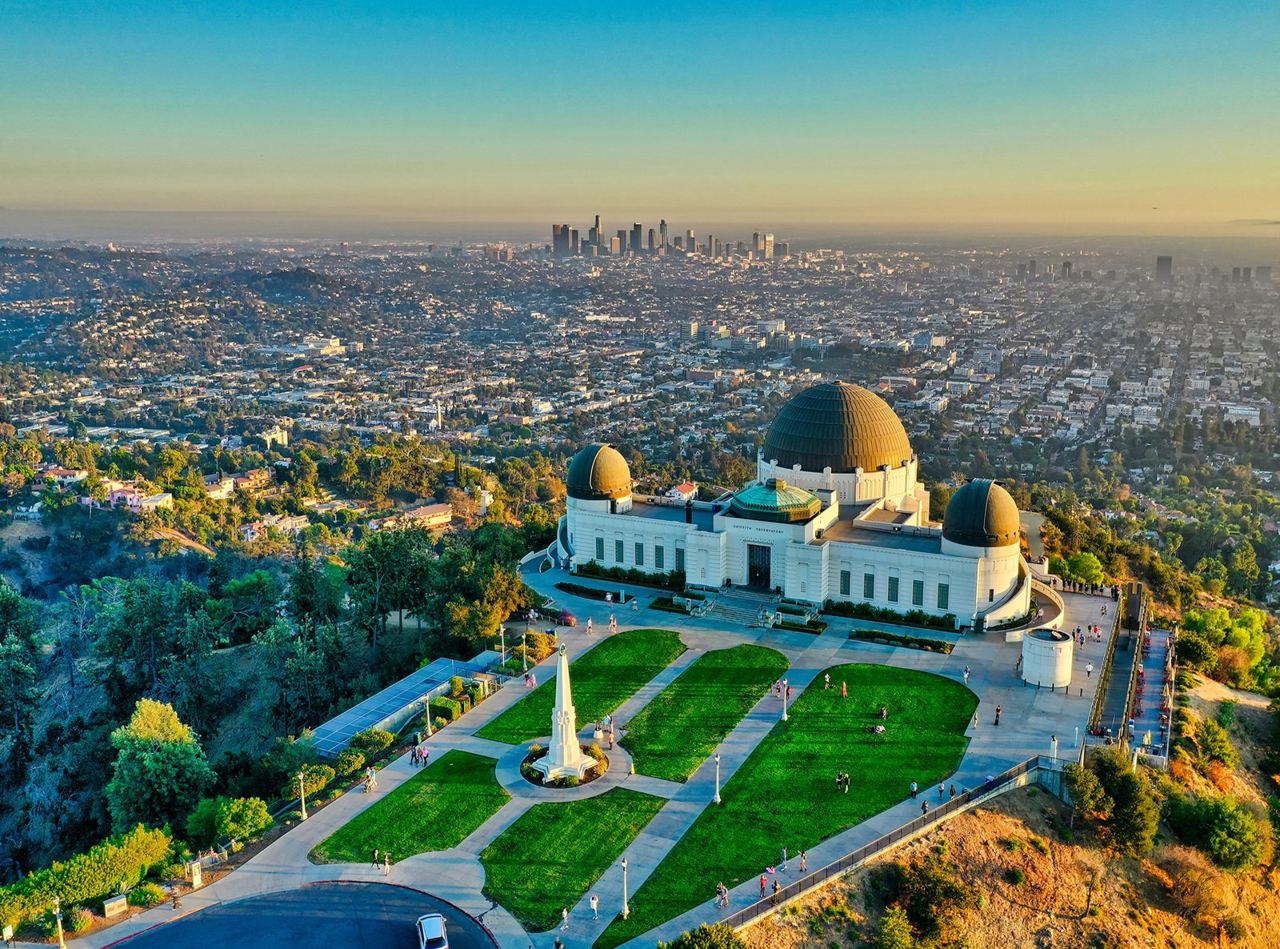
Griffith Observatory
Free public observatory on the south slope of Mount Hollywood, with the city laid out below and the Hollywood Sign across the ridge.
The mistake is treating LA like a downtown with suburbs attached. Pick two neighborhoods a day, accept that you will not see everything, and the city stops fighting you.
12 places we would actually send someone to, across 7 categories. Photos are in the written guide below, and every photo is of that specific place.
Free public observatory on the south slope of Mount Hollywood, with the city laid out below and the Hollywood Sign across the ridge.
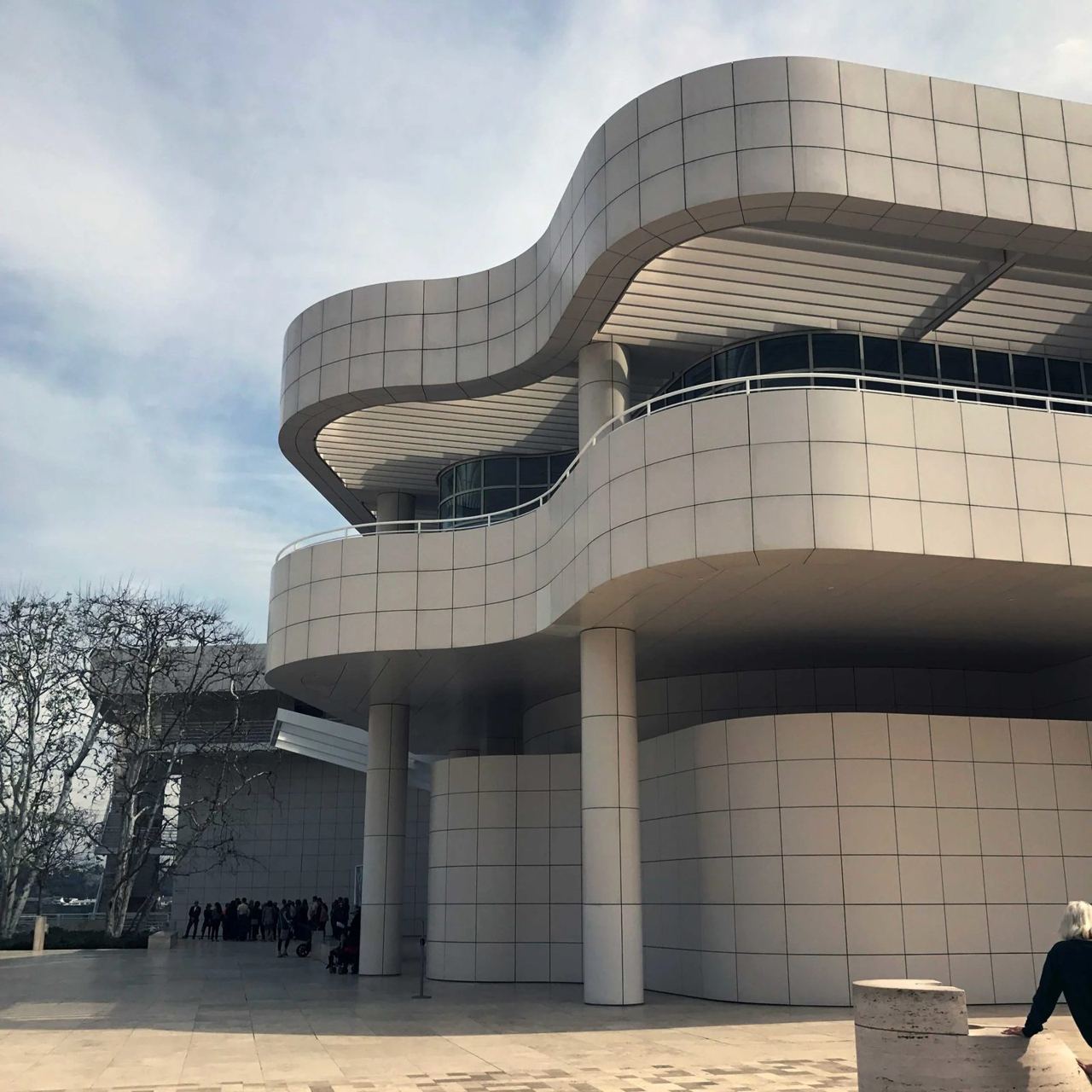
Richard Meier travertine pavilions on a hilltop above the 405, reached by tram — gardens, European paintings, and free admission.
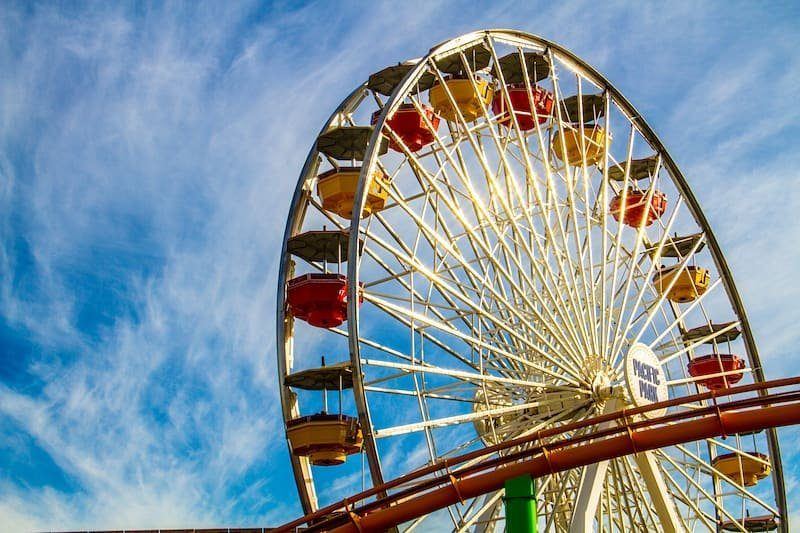
The 1909 pier at the end of Route 66, with a small pleasure park and a Ferris wheel over the Pacific.
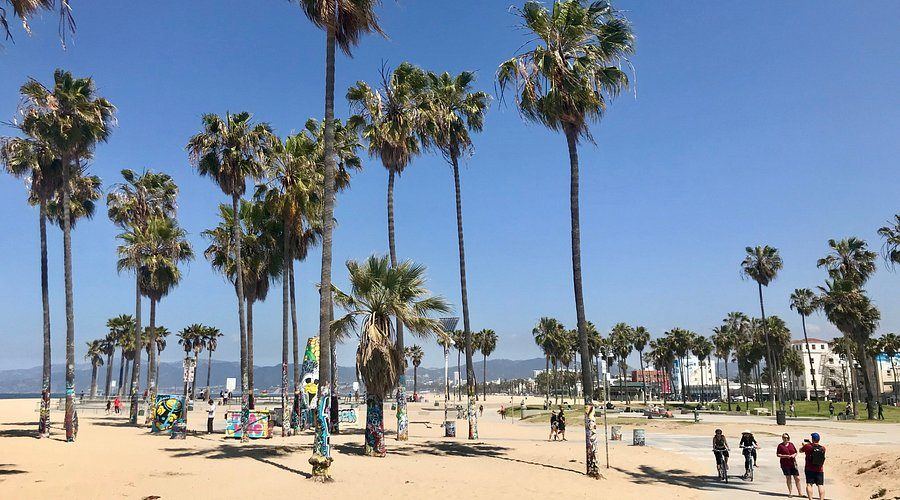
The boardwalk's permanent street carnival at one end, and the quiet 1905 canal footbridges a few blocks inland.
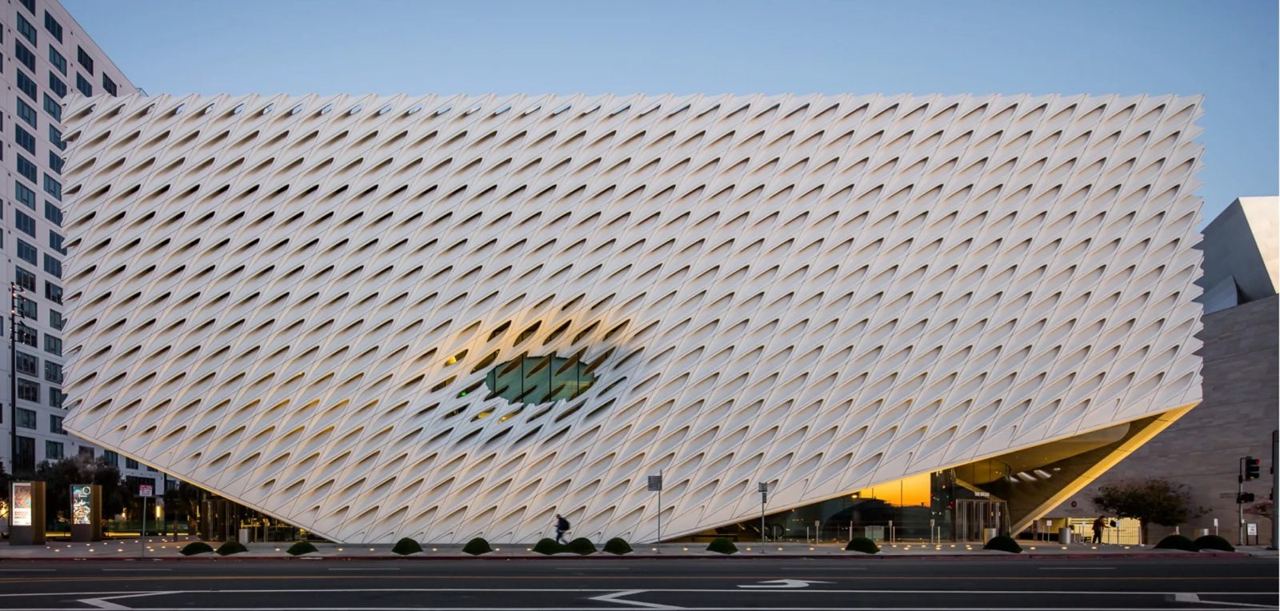
Downtown contemporary art museum in a honeycomb shell — Koons, Basquiat, Kusama — with free general admission.
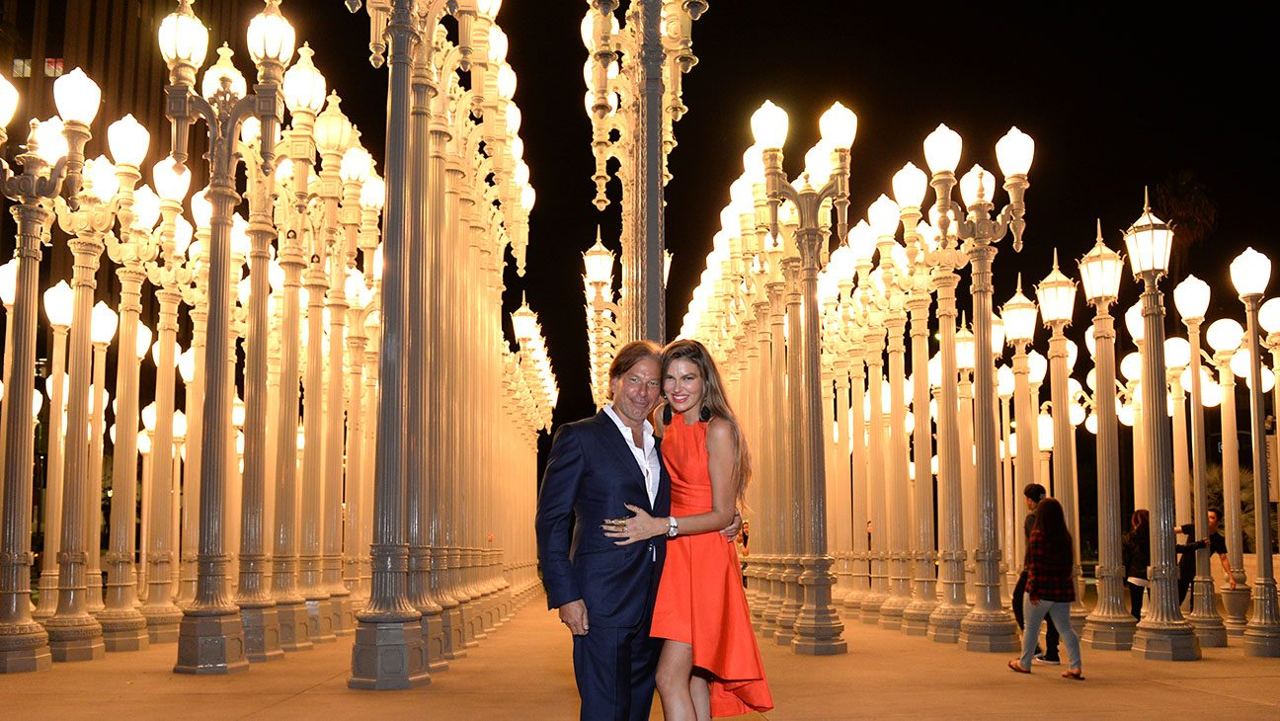
The West Coast's largest art museum, fronted by Chris Burden's forest of 202 restored streetlamps.
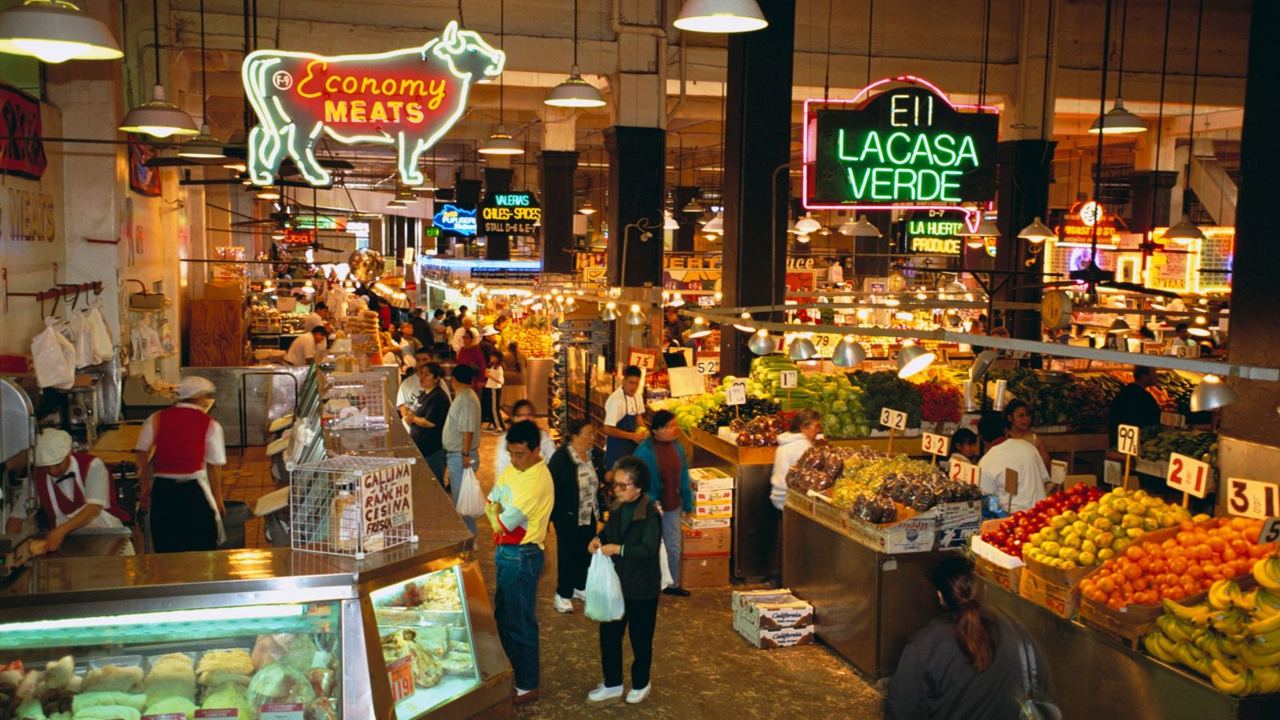
A 1917 downtown food hall of about forty stalls — tacos, egg sandwiches, Thai, pupusas — under neon signage.
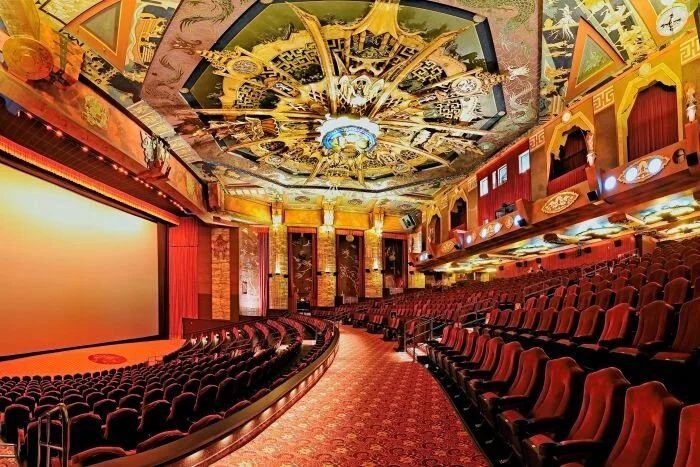
Brass stars along Hollywood Boulevard and the 1927 theater's forecourt of handprints in concrete.
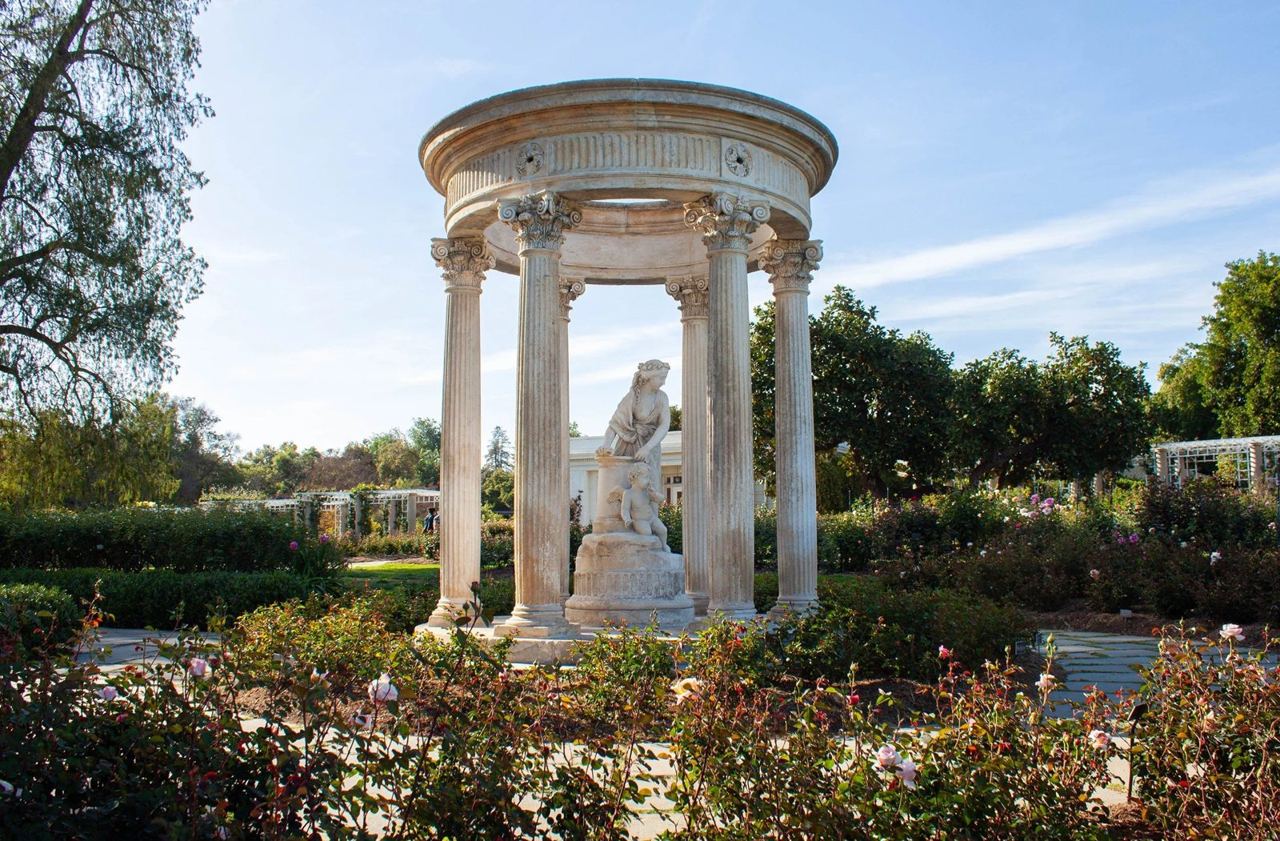
130 acres of botanical gardens in San Marino — Japanese, Chinese and desert gardens — plus a rare-books library and art collection.
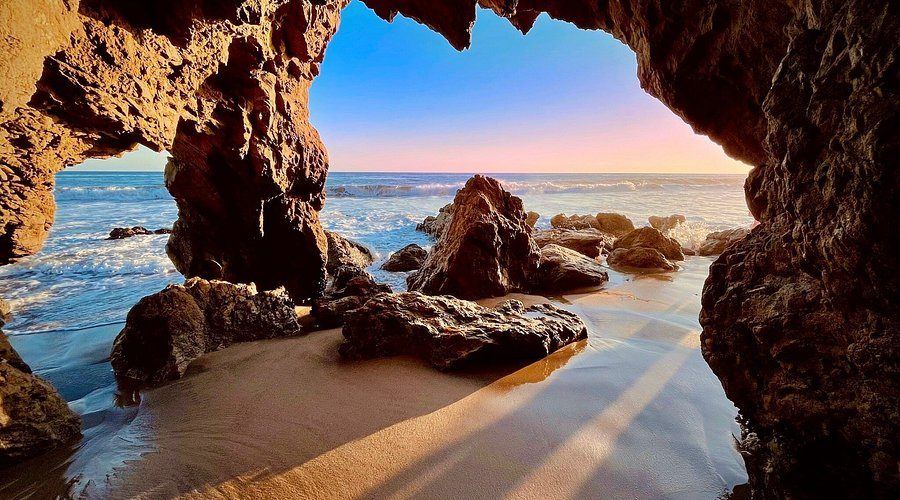
Sea stacks, arches and tide pools below a bluff staircase in Malibu — the version of the California coast that is worth the drive.
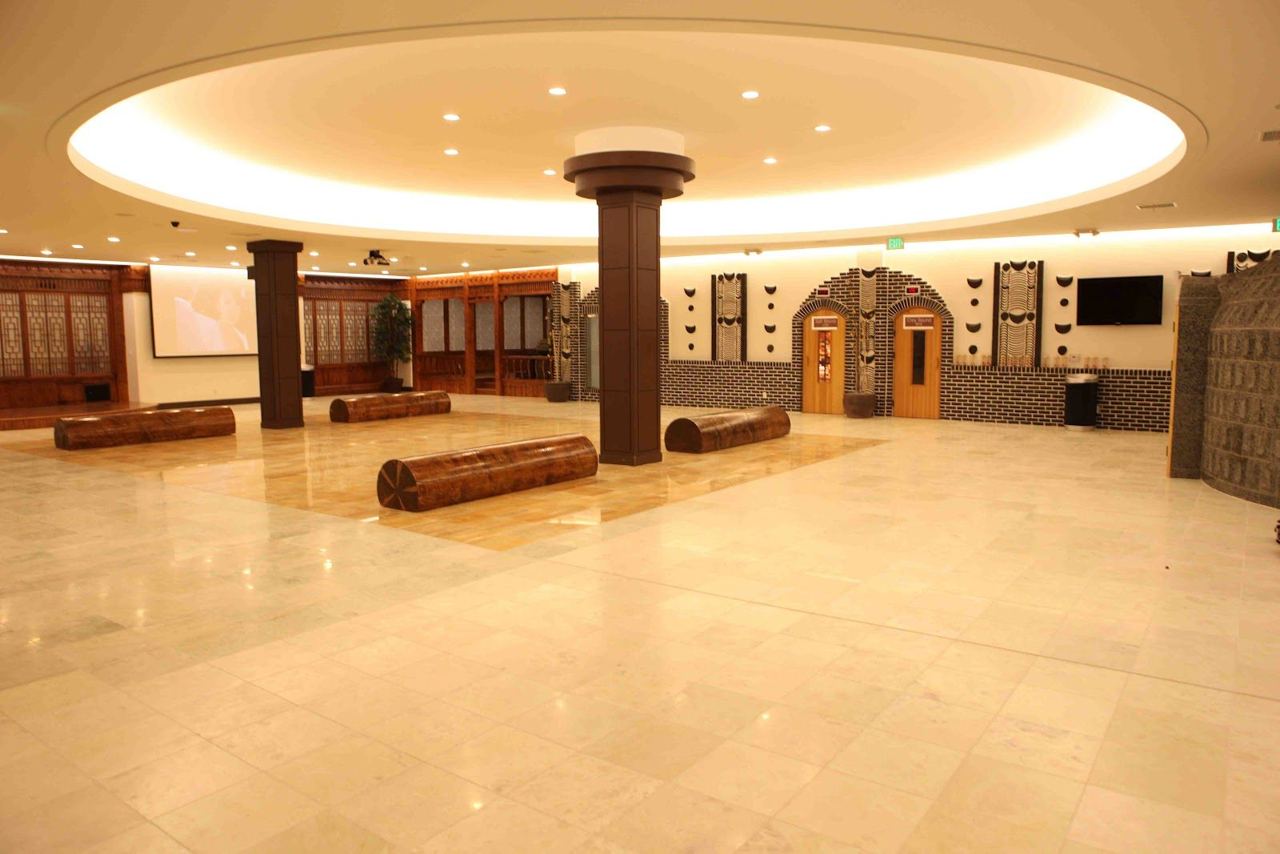
A 24-hour Koreatown jjimjilbang: hot tubs, five heated therapy rooms, a rooftop terrace, and sleeping areas — you can stay the night.
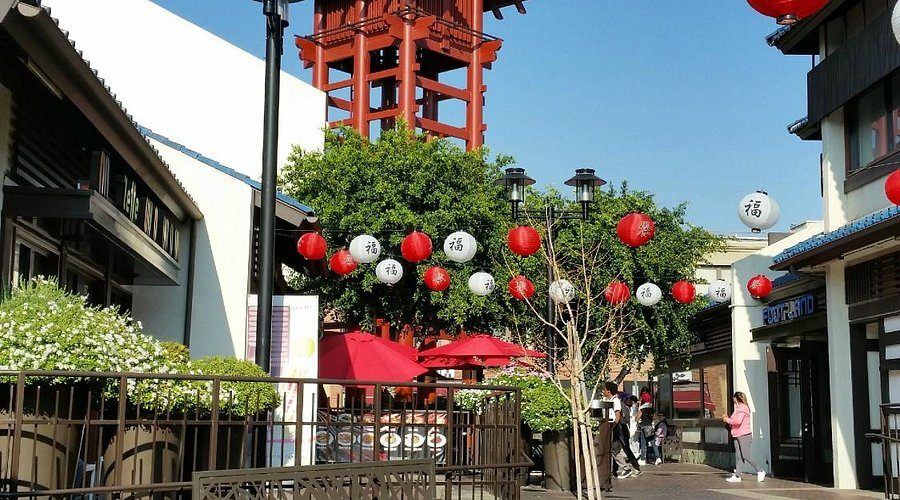
One of three remaining historic Japantowns in the US — the Japanese American National Museum, Buddhist temples, and a century-old confectioner.
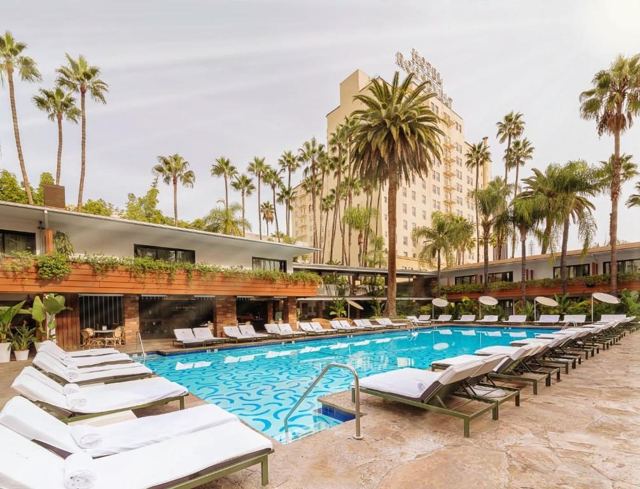 Our base for this trip
Base yourself centrally and every cluster is a manageable drive; base yourself at either edge and half your days start with an hour on a freeway. The Roosevelt has been on Hollywood Boulevard since 1927 — it hosted the first Academy Awards — and it puts you walking distance from the Walk of Fame, fifteen minutes from Griffith, twenty from downtown, and thirty from the beach. If your trip is mostly coastal, invert this and stay in Santa Monica instead; what you must not do is book on price alone and end up somewhere that adds ninety minutes to every day.
Hollywood Boulevard, opposite the TCL Chinese Theatre
Here is how a bad Los Angeles day goes. You wake up in Santa Monica. You drive to Griffith Observatory because it is famous. Then downtown, because it is also famous. Then somebody says the Getty is unmissable, so back west. By four in the afternoon you have covered ninety miles inside one city, seen three parking lots properly, and eaten a gas-station banana. You go home and tell people LA is overrated and just a lot of traffic, and you are not wrong, but you did that to yourself.
The city is five hundred square miles with no center. It is not a downtown with suburbs; it is about twenty small cities that grew together and never bothered to agree on anything. The distance between two things you want to see is regularly forty minutes and occasionally ninety, and which one it is depends entirely on when you leave.
So plan by geography, not by fame. West is the Getty, Santa Monica, Venice, Malibu. Central is Griffith, Hollywood, LACMA, Koreatown. East is downtown, Little Tokyo and, further out, Pasadena. Give each cluster its own day, do not hop between them between 7 and 10 in the morning or 3 and 7 in the afternoon, and Los Angeles turns from an endurance event into one of the great cities. Same list of places. Different order. Entirely different trip.
Los Angeles has six Metro Rail lines now, lettered A through E and K rather than colored, and unlike most cities in this guide, naming them does not organize this itinerary — it mostly shows where the itinerary and the rail network fail to meet. Station names and lines below are the operator’s own current names, checked September 2026; where a place’s own site gives no walking directions or exit letter, that is said plainly here rather than guessed.
Griffith Observatory is a B Line trip with a bus at the end of it, not a straight rail ride: the Observatory’s own site names the Vermont/Sunset stop on the B Line, connecting to the DASH Observatory/Los Feliz shuttle, which runs 10am to 10pm daily every 15 to 20 minutes for 50 cents (35 with a TAP card). No exit letter is given on the Observatory’s page, so none is claimed here.
The west-side day is the least rail-served day in the guide. The E Line does two of its four stops directly: Santa Monica Pier is a ten-minute walk from the Downtown Santa Monica station at 4th and Colorado, by the pier’s own site, and the Getty’s own site names Metro bus 734 (weekdays) or 234 (weekends and off-peak hours) from the E Line’s Expo/Sepulveda station, both stopping at the Getty Center Drive entrance. Venice has no station of its own — the nearest connection is the Big Blue Bus Line 1 south from the Santa Monica Pier stop, about fifteen minutes by that operator’s own schedule. El Matador, out in Malibu, is not reachable by any Metro Rail line at all; the quick-facts answer above (“Do you need a car? For this list, yes”) is really written for this one beach.
The east-side day is the one genuine one-line stretch in this guide. Grand Central Market, The Broad and Little Tokyo all sit on the A or E Line — Historic Broadway station for the market, about a block by its own site, Grand Avenue Arts/Bunker Hill one stop further for The Broad, with a pedestrian bridge over Hope Street straight to the entrance by the museum’s own directions, and Little Tokyo/Arts District at 1st and Central for the third, opposite the Japanese American National Museum. The B or D Line reaches the first two of these as well, at Pershing Square and Civic Center/Grand Park, if that is the train you are already on. The Huntington, out in Pasadena, breaks the pattern: the A Line’s Allen station is the nearest stop, over a mile from the gate, and the Huntington’s own site could not be read this session to confirm a bus connection from there — treat this leg as the drive the rest of this guide already tells you to make.
The Koreatown–LACMA–Hollywood day is the other one that genuinely works by rail, and it is a one-change trip. Wi Spa sits near the Westlake/MacArthur Park stop on the B or D Line — the spa’s own site names its cross streets, Wilshire and Rampart, but gives no walking directions, so treat the distance from the station as unconfirmed rather than a fixed number. LACMA is now a D Line stop outright: Wilshire/Fairfax opened directly outside the museum on May 8, 2026, on the same line as Wi Spa’s nearest stop, no change required. From there, one change at Wilshire/Vermont onto the B Line reaches Hollywood/Highland, which sits inside the Walk of Fame and TCL Chinese Theatre strip itself.
The best free thing in Los Angeles is an Art Deco observatory from 1935 sitting on the south slope of Mount Hollywood, and almost everyone gets the timing wrong.
Go in the late afternoon. You arrive with the basin in daylight and the ocean a hard silver line past Century City. Then the sun drops behind the Santa Monica mountains and everything goes orange and then pink and then a very particular smoggy violet that would look like a filter if you photographed it honestly. And then, over about twenty minutes, the grid comes on beneath you — not all at once, in patches, street by street, until the whole basin is a circuit board running to the horizon. One visit, three completely different cities.
The Hollywood Sign is over your right shoulder on the ridge, smaller than you expect and better for it. Inside, the Foucault pendulum is still knocking over pegs and the Tesla coil demonstration still makes children shriek. If the sky is clear they open the Zeiss telescope after dark and you can line up to look at Saturn, and there is something perfect about looking at Saturn from a hill above a city with ten million people on it.
Parking is the tax. The lot fills, the road below it fills, and on a weekend you will walk uphill from somewhere unpromising no matter how clever you think you are. Without a car, the B Line to Vermont/Sunset connects with the DASH Observatory/Los Feliz shuttle, which the Observatory’s own site names as the route in — daily, 10am to 10pm, every 15 to 20 minutes. Go on a weeknight, or take the shuttle from the Greek Theatre lot, and treat the climb as part of the evening.
You park at the bottom of a hill above the 405 and ride a driverless tram up through scrub oak, and at the top there is a complex of pavilions clad in about 17,600 tons (16,000 tonnes) of Italian travertine, full of fossils if you look closely at the walls. Without a car, the Getty’s own site names Metro bus 734 or 234 from the E Line’s Expo/Sepulveda station, both stopping at the Getty Center Drive entrance — the only rail-plus-bus option on this whole west-side day. The Getty is free, the collection is good, and the collection is not the point. The point is the site: courtyards, fountains, a garden built as a work of art in its own right, and the entire Westside laid out below you with the ocean behind it. Go late in the afternoon and stay for the light.
Down at the water, Santa Monica Pier is the postcard — a 1909 pier at the official end of Route 66 with a small pleasure park on it and a Ferris wheel that runs on solar power. The E Line ends a ten-minute walk away, at the Downtown Santa Monica station on 4th and Colorado by the pier’s own site — the one stop on this whole west-side day you can reach by rail alone. It is touristy in the way that a thing can be touristy and still completely worth doing.
Venice, a couple of miles south, is a permanent street carnival: skateboarders, bodybuilders at the outdoor gym, drum circles, incense, a man playing electric guitar on roller skates who has been doing it for decades. No Metro line reaches it; from the Santa Monica Pier station, the Big Blue Bus Line 1 runs south into Venice in about fifteen minutes. Walk a few blocks inland and it goes silent — the canals, dug in 1905 in a genuine attempt to recreate Venice in California, are still there, with little footbridges and ducks and people quietly reading on their porches.
But the beach worth the drive is up in Malibu. El Matador is a staircase down a bluff to a small cove of sea stacks, arches and tide pools, and it looks like the version of California that exists in your head before you have been. Go at low tide — check the chart, genuinely, because at high water there is barely any beach and you will be standing on rocks feeling foolish. At sunset it is the best hour in the county.
Grand Central Market has been feeding downtown since 1917, and walking in is a whole sensory event: neon signage from four different decades, about forty stalls under one high roof, egg sandwiches and pupusas and Thai and a taco counter with a permanent line that has been there since the sixties. The market’s own site names the A or E Line to Historic Broadway, or the B or D Line to Pershing Square, either one about a block away. Do not sit down for a meal. Buy one thing from three different counters and eat standing at a shared table next to a lawyer and a builder and a man reading a paperback.
Five minutes' walk away, The Broad sits behind a white honeycomb shell — same A or E Line, one stop further to Grand Avenue Arts/Bunker Hill, a pedestrian bridge over Hope Street straight to the door by the museum’s own directions — free entry, Basquiat, Koons, and Kusama's infinity rooms, which require a timed slot and about ninety seconds inside for something you will think about for a year.
A few blocks east is Little Tokyo, one of only three historic Japantowns left in the United States, still the same A or E Line, at the Little Tokyo/Arts District station on 1st and Central, opposite the museum. The Japanese American National Museum tells the incarceration story with a directness that will slow you down; up the street there is a confectioner that has been making mochi in the same neighborhood since 1903. Buy some. Eat it walking.
And if you have a fourth day, drive out to Pasadena for the Huntington: 130 acres of botanical gardens — a Japanese garden with a moon bridge, a desert garden of improbable cacti, a Chinese garden built around a lake — attached to a library holding a Gutenberg Bible and Blue Boy on the wall. It is the single most civilized half-day in Los Angeles County.
Koreatown's Wi Spa runs twenty-four hours a day, seven days a week, and it is the single most useful thing in this guide for anyone arriving off a long flight. The nearest station is Westlake/MacArthur Park on the B or D Line, the same D Line LACMA sits on further west — Wi Spa’s own site gives no walking directions from it, so check the operator’s map rather than trust a distance here. Admission is around forty dollars. You get hot tubs, dry and steam saunas, and five heated therapy rooms built from different materials — salt, jade, clay, a bulgama room hot enough to make you rethink your choices, and an ice room to undo it. There is a rooftop terrace, a restaurant serving proper Korean food at three in the morning, a library, and floors of sleeping areas where people simply lie down and stay.
Towels and spa clothes are issued at the door. Massages and body scrubs cost extra and are optional, and the scrub in particular is an experience you will describe to people afterwards with a slightly stunned expression. Overnight stays are normal and carry a fee on top of admission. Landing at LAX in the evening, going straight here, sweating out the flight and sleeping until morning is a far better start to a trip than lying awake in a hotel at 4am.
Nearby, LACMA gives you the largest art museum in the west and, out front, Chris Burden's Urban Light — 202 restored cast-iron streetlamps from all over the county, arranged in a grove, lit every night. The museum’s own site says the D Line now runs directly to a Wilshire/Fairfax station at the door, since May 8, 2026 — the same line as Wi Spa’s nearest stop, no change needed. It is free to stand in and it is the most photographed object in Los Angeles for a reason.
As for the Walk of Fame: it is a busy sidewalk with brass stars on it and it is not the highlight of your trip. One change gets you there from LACMA or Wi Spa — back to Wilshire/Vermont and onto the B Line to Hollywood/Highland, which sits right in the middle of the tourist strip. But the forecourt of the 1927 Chinese Theatre genuinely is worth twenty minutes — the handprints and footprints in concrete going back to the silent era, and the strange intimacy of fitting your hand into an impression somebody left there ninety years ago.
Four days covers all twelve stops without a bad traffic day — one for the west side, one central, one east, and one for Malibu and the coast.
Planning by attraction instead of by geography. Group stops into west, central and east clusters and give each its own day.
For this list, yes. The Metro reaches downtown, Hollywood and Santa Monica well, but Malibu, the Huntington and Griffith are much easier driving.
About 90 minutes before sunset, on a weeknight — you get the city in daylight, at golden hour, and lit up, in one visit. Parking is the hard part.
Yes. Wi Spa in Koreatown is open 24/7 — admission around $40 covers saunas, heated therapy rooms and sleeping areas, with an overnight fee on top.
El Matador in Malibu — sea stacks, arches and tide pools. Go at low tide; at high tide there is barely a beach.
Travelers who want a real coastline in the plan — El Matador, Santa Monica and Venice are each worth the drive, and low tide at El Matador is the best hour in the county. It suits people happy to eat standing at a shared table too: Grand Central Market has fed downtown since 1917. And it rewards anyone willing to skip the Walk of Fame in favour of El Matador or Little Tokyo, since this is a city built on twenty small places rather than one obvious list.
Tell PoppaTrip your travel style in the wizard and we'll build a day-by-day itinerary with hotels, routing, and booking links. Answering the wizard and previewing your destination is free; building and unlocking your complete trip is a one-time $9.99.
Yes — every photo is a real photo of that specific place, never a stock image.
Los Angeles punishes a bad order more than almost any city — the right sequence saves you hours of freeway.
Prices/photos from our trip-planning engine.
A 100°F (38°C) day now reaches Rome and Athens as readily as Dubai. Here is where it is routine, where it is an event, and how to rebuild a day that hits it.
Read the article →The same $50 is more than enough in Hanoi and doesn’t cover a day in New York. Here is what $50, $100 and $200 a day actually buys in twelve cities: meals, local transit, one attraction entry and a coffee. The hotel and flights are counted separately.
Read the article →Seasons are too blunt to book with. Here is the week to buy and the week that quietly costs double in ten cities: the value windows, the trap weeks that look like shoulder season, and the 2027 holiday dates that move them.
Read the article →The factories below still let travelers onto the floor, from the MINI plant in Oxford to the Airbus line in Toulouse, while several famous ones have quietly stopped letting visitors in. A factory tour is rare in travel because the place is not there for you. The line runs whether you come or not, so the tours that remain impose rules no museum would dare: no camera, no backpack, passport at the gate, nobody under eleven. Here is what each one costs, what you actually see, and who gets turned away.
Read the article →