
scenic
The Bund (Waitan)
Shanghai's riverfront promenade, with 1920s banking houses on one side and the Pudong skyline on the other.
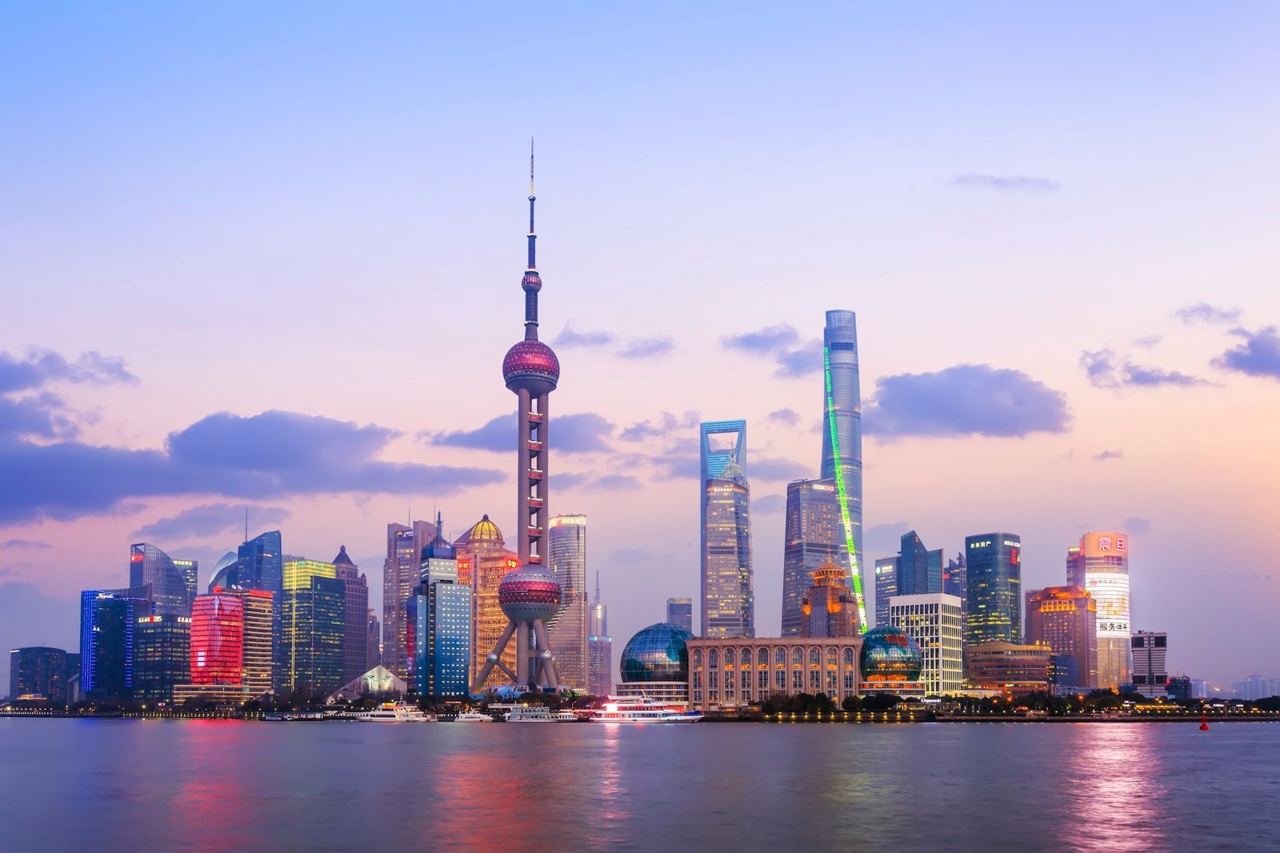
The skyline gets the photographs. The city that people come back for is at street level — plane trees, lane houses, and a bathhouse that never closes.
13 places we would actually send someone to, across 6 categories. Photos are in the written guide below, and every photo is of that specific place.
Shanghai's riverfront promenade, with 1920s banking houses on one side and the Pudong skyline on the other.
A 16th-century Ming dynasty garden of rockeries, ponds and pavilions in the middle of the old city.
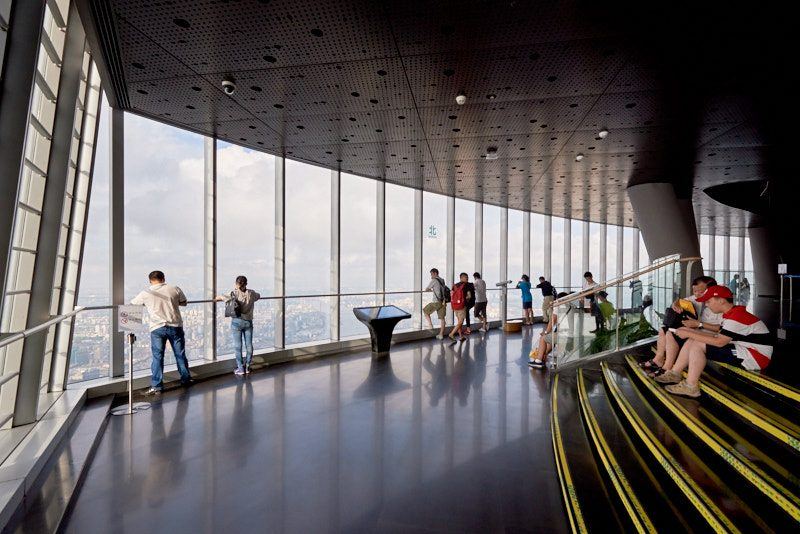
China's tallest building, with an observation deck near the top of its twisting glass facade.
A working Buddhist temple with gilded halls, surrounded on all sides by downtown high-rises.
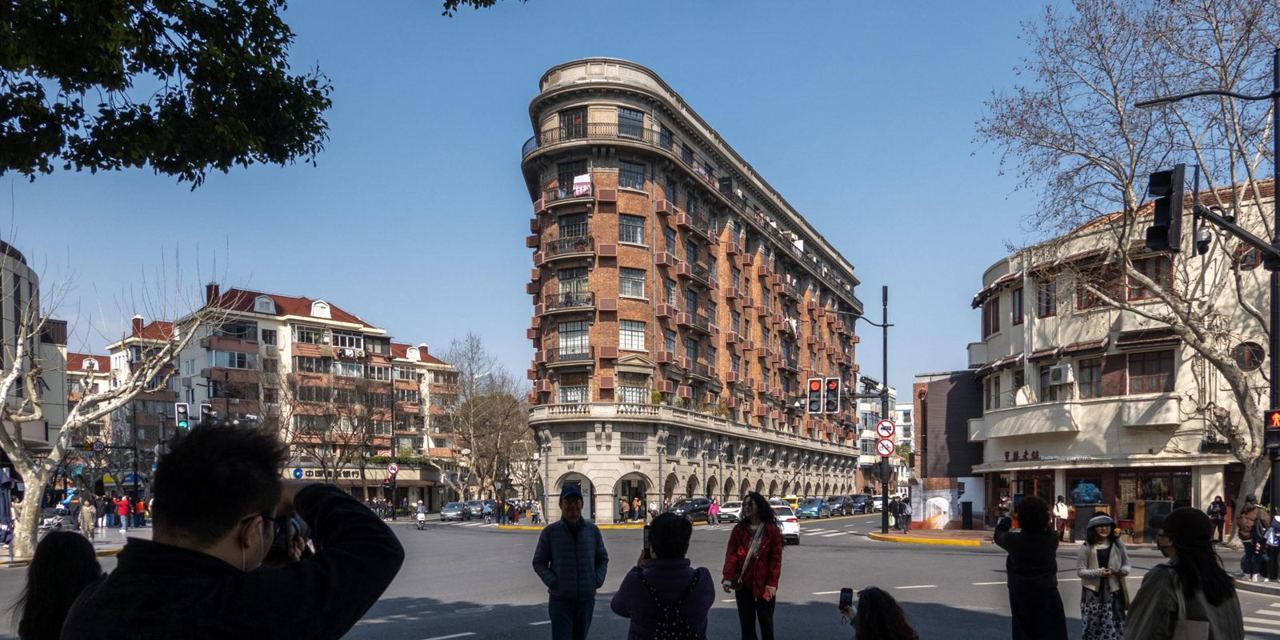
Plane-tree streets and 1920s villas, best seen on foot around the flatiron Wukang Mansion.
The city’s landmark collection of Chinese bronzes, ceramics, calligraphy and painting.
A dense lane maze of converted shikumen houses filled with small studios, shops and cafes.
Restored stone-gate blocks rebuilt as a restaurant and bar district, busiest after dark.
A former riverside power plant, chimney intact, now mainland China's first state-run contemporary art museum.
A 24-hour bathhouse of Japanese-style hot pools, saunas, buffet and sleeping cabins — you can stay the whole night.
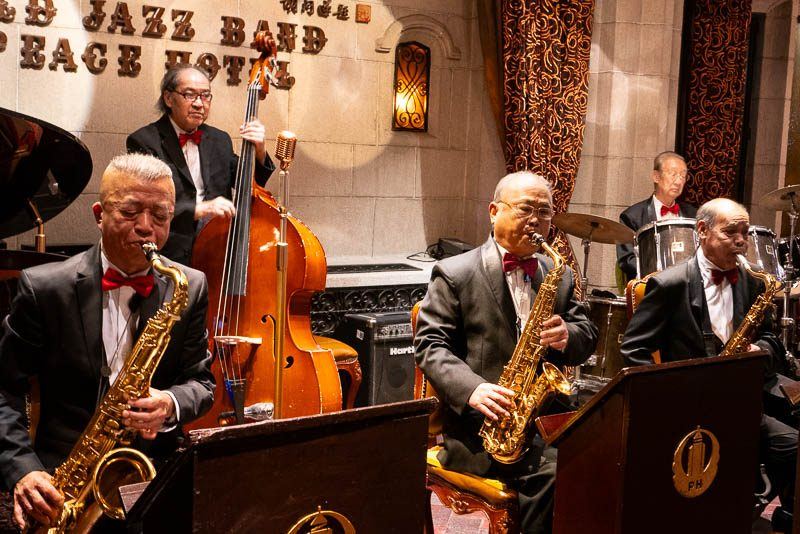
Home of the Old Jazz Band, playing 1920s and 30s Shanghai standards nightly since 1980 — first set at 6:30pm.
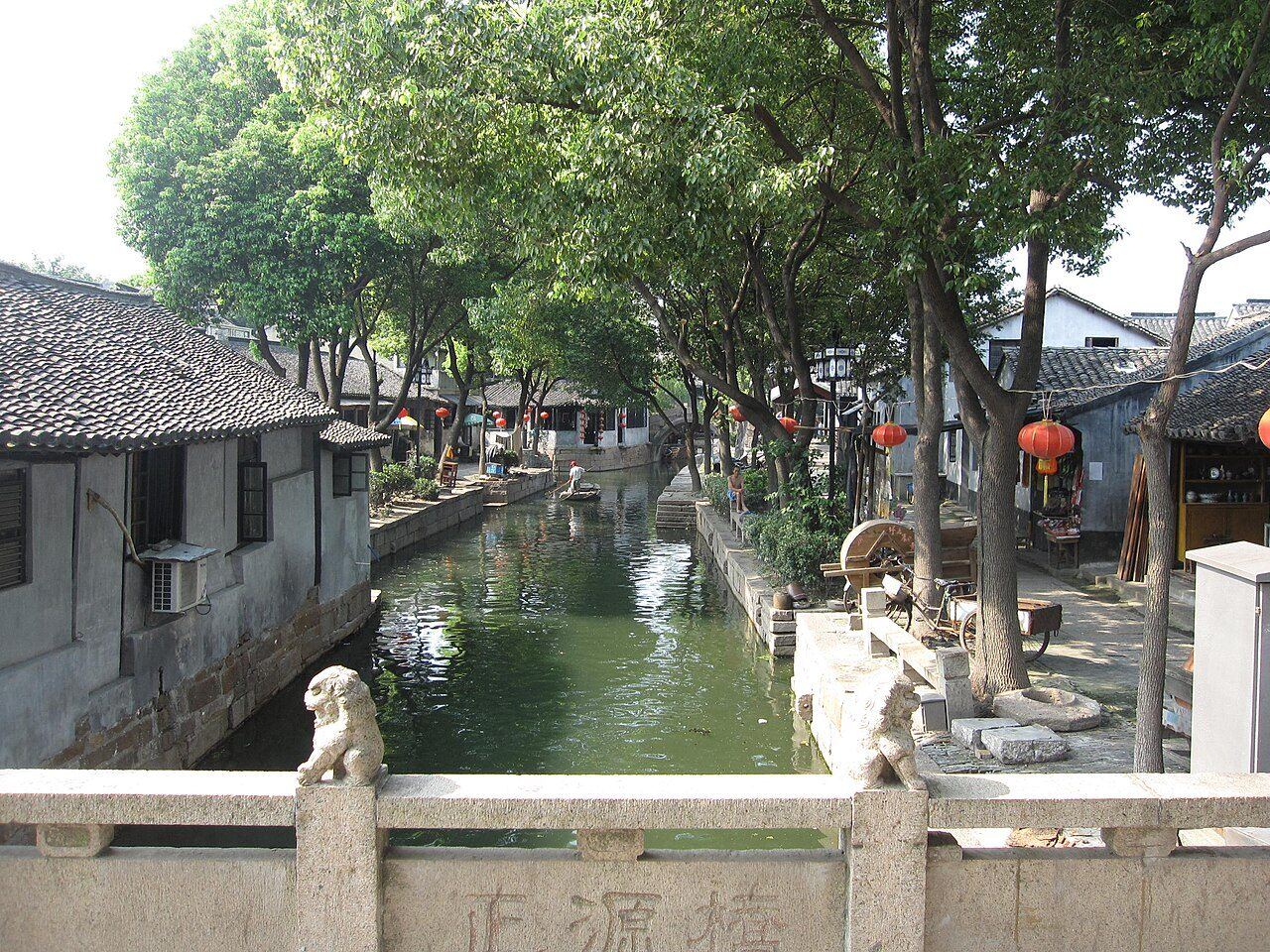
A canal town of stone bridges and waterside lanes, about an hour from the center.
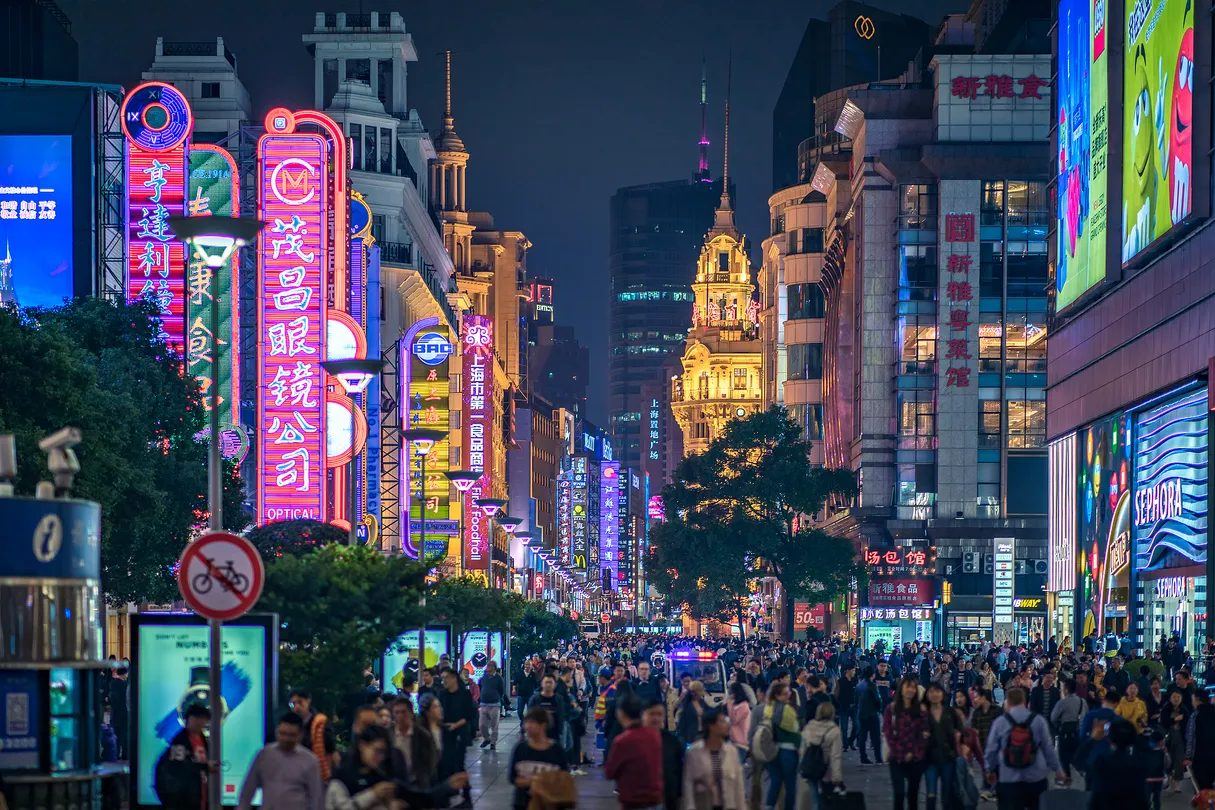
Shanghai's main shopping street, running from People's Square to the Bund in a river of neon.
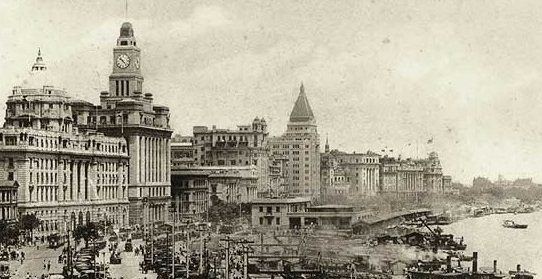 Our base for this trip
Location decides your Shanghai trip more than category does, and this address is the most useful one in the city: the Bund promenade at the door, Nanjing Road running west from the corner, and the metro close enough to reach the French Concession in fifteen minutes. The Peace Hotel itself is the 1929 Art Deco landmark that appears in every photograph of the waterfront's north end — staying in it makes the building part of the trip rather than scenery. If the rate is beyond the budget, the principle still holds: sleep within walking distance of the Bund or in the French Concession, and nowhere else.
On the Bund, at the corner of Nanjing Road
Shanghai's network is large — more than twenty lines — but the places in this guide cluster around a handful of them, and knowing the lines turns the list into a route instead of a scavenger hunt. Station names and line numbers below are read off the operator's own network map, published at shmetro.com, checked September 2026; that map shows station names and line colors but not exit numbers, so an exit is named only where a place's own site states one.
The center of the map is People's Square, where Lines 1, 2 and 8 meet — the Shanghai Museum's own site names this station and Exit 1, with Dashijie station on Line 14, Exit 4, as its second route in. Line 2 runs east from there in a straight shot to East Nanjing Road, on Lines 2 and 10, at the Bund end of Nanjing Road and the closest stop to the Fairmont Peace Hotel's Jazz Bar. Walk Nanjing Road between the two, or ride Line 2 if the neon has worn thin.
South of there, Yuyuan Garden station sits on Lines 10 and 14, one stop from Dashijie. Line 14 crosses the river from Dashijie to Lujiazui, on Lines 2 and 14, which is the stop for the Shanghai Tower observation deck.
West along Nanjing Road, Jing'an Temple has its own station on Lines 2 and 7.
The former French Concession does not have one clean stop — that is rather the point of a neighborhood built for wandering — but Jiaotong University station, on Lines 10 and 11, is the closest the network map shows to Wukang Mansion. Tianzifang's stop is Dapuqiao; this guide could not pin its line number down from the network map alone, so check the operator's map or app before you go. Xintiandi's own station — Site of the First CPC National Congress·Xintiandi — is itself the interchange between Lines 10 and 13.
The Power Station of Art is a walk from Nanpu Bridge, on Lines 4 and 8, not a station at the door. Shuiguo Spa, out in Hongqiao, sits over Hongqiao Railway Station, on Lines 2, 10 and 17. Zhujiajiao isn't on the network at all — it's a bus or a car, about an hour out.
Everyone starts here and everyone is right to. Face the river and you are looking at Pudong: a wall of towers that did not exist when the people around you were born, one of them 632 meters tall and twisted like a wrung-out cloth. Turn around and you are looking at 1923 — granite banking houses, columns, bronze doors, the whole vocabulary of a colonial financial district that used to call itself the Wall Street of the East.
Half a kilometer of brown water between them, and about a century. I do not know anywhere else you can pivot on your heel and cover that much time.
Come twice. In the morning the promenade belongs to people exercising, the light is on the old buildings behind you, and you can actually walk. At night the whole Pudong skyline switches on and the promenade fills with a crowd four deep taking the same photograph, and the correct response is not to fight it but to join in — buy something sweet, find a gap at the railing, and stand there for twenty minutes watching ferries and barges push upriver in the dark.
Nanjing Road runs inland from the north end, a river of neon and department stores and a small tourist train that nobody needs. Walk ten minutes of it for the spectacle, then duck off into the side streets, where the actual city resumes. The street runs between two Metro stations: East Nanjing Road, on Lines 2 and 10, near the Bund end, and People's Square, on Lines 1, 2 and 8, at the inland end.
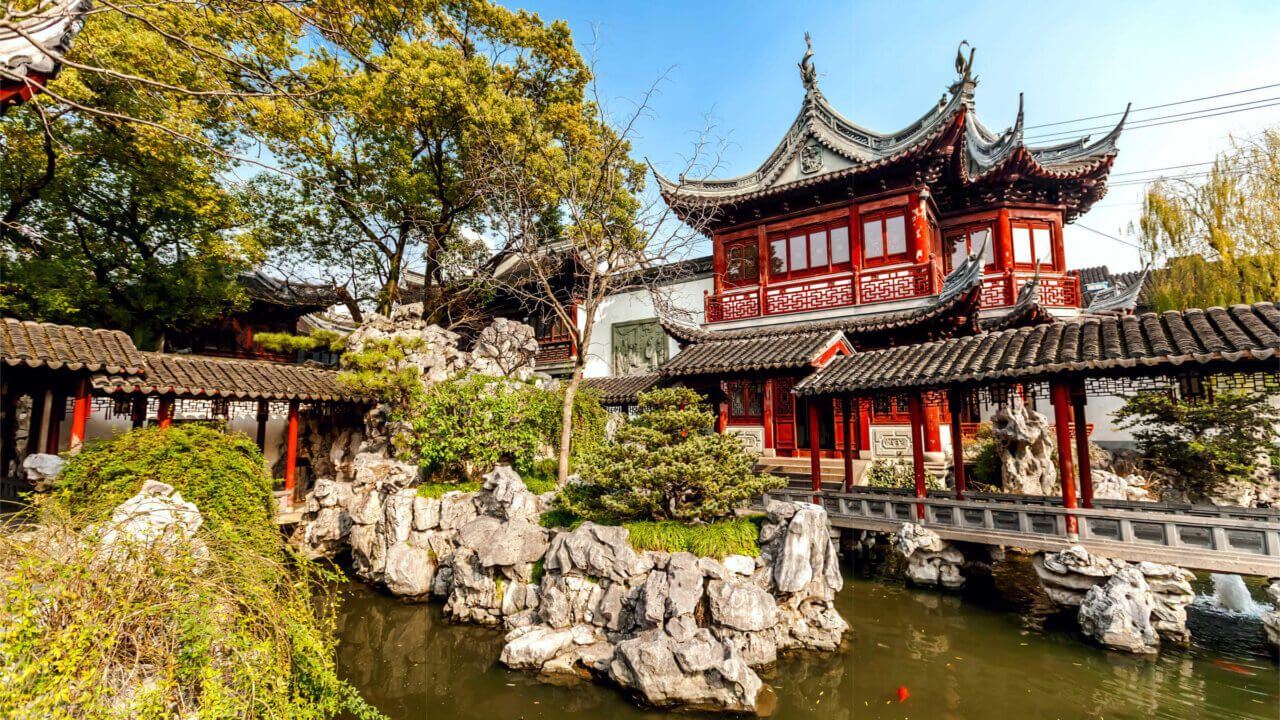
Yu Garden was built in the 1550s by a Ming official for his elderly father, took nearly twenty years, and reportedly ruined the family financially. That is the kind of detail that changes how you walk around a place.
Its trick is compression. It is not large, but it is arranged so that you never see more than a fragment at once: a wall curls away and becomes a dragon with its head raised at the corner; a doorway is cut in the shape of a vase; a rockery the size of a house blocks your view of a pond that turns out to be four steps away. You keep turning corners into rooms you did not know were there. Carp move under the bridges like slow orange thoughts.
The bazaar packed around the entrance is a machine for selling you things and you should walk straight through it without guilt. Go early — by ten this is the most crowded ticket in central Shanghai, and a Ming dynasty garden built for contemplation is a terrible venue for a line. The stop is Yuyuan Garden, on Lines 10 and 14.
This is where Shanghai gets you. Not the skyline — the streets.
The former French Concession is a low-rise grid of villas and lane houses from the 1920s and 30s, and every street is roofed by London plane trees planted a century ago, so the light comes down green and broken. Laundry hangs on poles out of second-floor windows over shops selling flat whites. An old man carries a birdcage to a corner where three other men are already sitting with theirs. Somebody is practising piano badly behind a shutter.
Aim vaguely at Wukang Mansion — the 1924 flatiron block that anchors the neighborhood, designed by the same Hungarian-Slovak architect who built half the interesting buildings in this city — and then walk in whatever direction looks quiet. There is no list to complete here. The neighborhood is the attraction. Jiaotong University station, on Lines 10 and 11, is the closest stop the network map shows to Wukang Mansion.
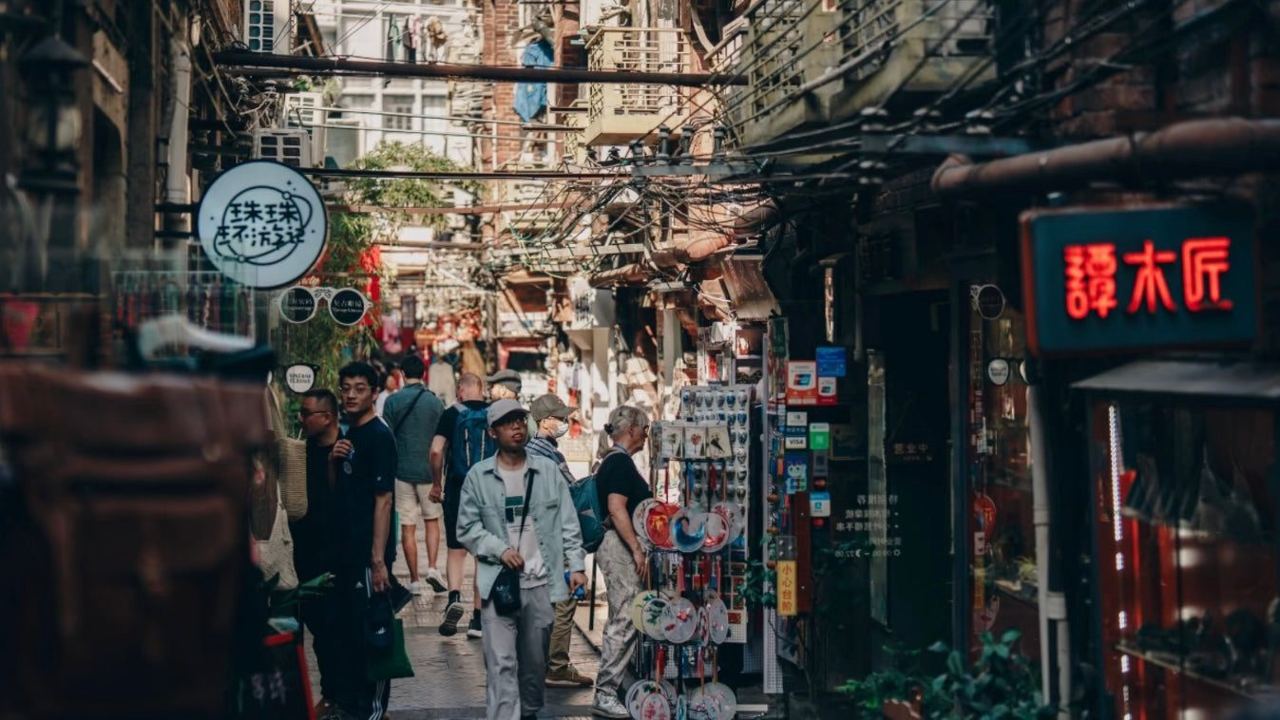
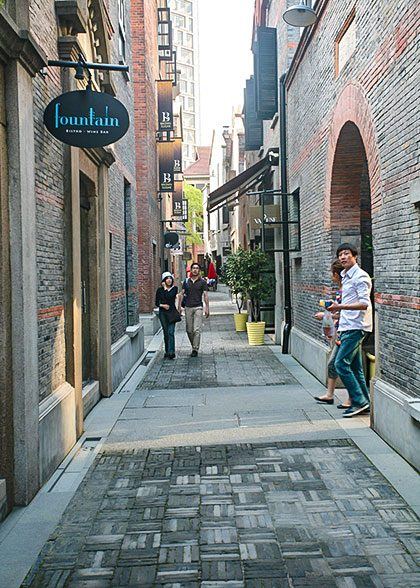
Tianzifang does the same century in miniature: shikumen lane houses turned into a maze of studios, tea shops and galleries so narrow in places that you go single file and have to flatten yourself against a wall for a delivery bike. Xintiandi is the same architecture restored to a much larger budget — stone gate façades, wide pedestrian lanes, expensive cafés — and it is at its best after dark. One of them is more real than the other and I will let you decide which, but both are worth an hour. Tianzifang's stop is Dapuqiao — check the operator's map for the current line, since this guide could not pin its number down from the network map alone — and Xintiandi's own station, Site of the First CPC National Congress·Xintiandi, is itself the interchange between Lines 10 and 13.
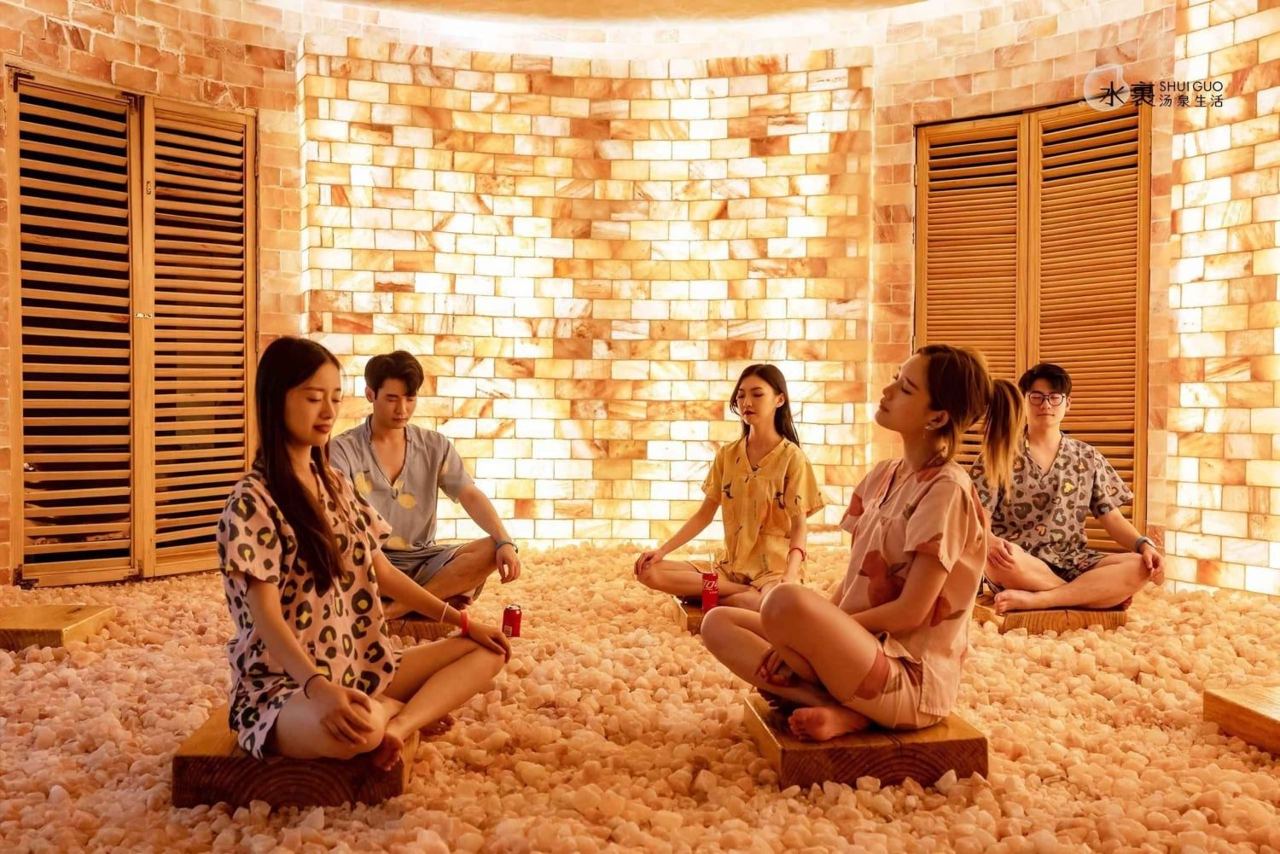
This is the thing almost no visitor hears about and the thing I would put on any first-time Shanghai itinerary.
The format is Japanese-derived and thoroughly localized. You pay one entry fee at the door, swap your clothes for a set of house pajamas in a locker room stocked like a department store, and then the whole floor is yours for as long as you want it. Hot pools at graded temperatures. A cold plunge that makes you make a noise. Steam rooms and dry saunas. A buffet. And then a dim hall of reclining chairs and small sleeping cabins with blankets, full of people who have quite clearly come here instead of going home.
Nobody rushes you. Nobody is watching the clock on your behalf. Arriving at eleven at night, sweating out a fourteen-hour flight, eating noodles at two in the morning in borrowed pajamas and then sleeping until the city wakes up is one of the strangest and best nights you can have here — and it quietly solves your evening and part of your accommodation at the same time. Shuiguo, out in Hongqiao and reachable underground from Hongqiao Railway Station, on Lines 2, 10 and 17, is the one to try. Bring nothing. Everything is issued at the door.
The Power Station of Art is a decommissioned riverside power plant that kept its 165-meter chimney and became mainland China's first state-run contemporary art museum, and the building beats most of what is hung inside it — vast raw halls, exposed gantries, a turbine floor turned into a gallery. Give it an afternoon and do not research what is on first; the surprise is half the value. The nearest stop on the network map is Nanpu Bridge, on Lines 4 and 8 — it's a walk from there along the river, not a station at the door.
For the Shanghai Museum, give a morning, and start with the bronzes. Three thousand years of ritual vessels, patinated green, covered in animals that are not quite any animal. It is the sort of collection that would be the pride of a national museum anywhere else and is simply one gallery of several here. The museum's own site names People's Square station, Lines 1, 2 and 8, Exit 1, with an alternate route through Dashijie station on Line 14, Exit 4.
The Shanghai Tower's deck is the highest view in the city, and the elevator is fast enough that your ears complain. Check the day's visibility before you commit — the tower spends a good part of the year standing inside the weather, and paying to look at the inside of a cloud is a specific disappointment. The stop is Lujiazui, on Lines 2 and 14.
And when the city gets to be too much, go to Zhujiajiao. An hour west, a canal town of stone arch bridges and waterside lanes and boatmen in flat-bottomed skiffs, where the loudest thing is a woman shelling beans. It gives you the whole Jiangnan water-town postcard without committing to an overnight in Suzhou. Go on a weekday if you possibly can. It isn't on the Metro network shown on the operator's map — go by bus or car.
There is a room off the lobby of the Fairmont Peace Hotel where six old men play the songs of 1930s Shanghai, and they have been doing it since 1980, seven nights a week. Their average age is somewhere in the eighties. Several of them have been on that stage longer than most of the audience has been alive. They hold a Guinness world record for it.
First set is at 6:30pm. Get there early enough to sit near the front, because the room is small and the playing is not nostalgic wallpaper — it swings, they improvise, the trumpet player takes his time. There is a menu of hors d'oeuvres and small plates, so the evening can be dinner and the music at once: order the food, order a coffee, and stay for the whole set.
And when it finishes you walk out of an Art Deco lobby onto the Bund, at night, with the towers lit up across the water — the same view you started the day with, at the other end of the day. That is how to close out Shanghai. The hotel sits at East Nanjing Road station, on Lines 2 and 10.
Three to four days covers all thirteen stops at a comfortable pace, including the trip out to Zhujiajiao.
On or near the Bund, or in the former French Concession. Location matters more than hotel category in Shanghai.
Yes. 24-hour bathhouses such as Shuiguo Spa include hot pools, saunas, a buffet and sleeping cabins, and nobody moves you along — staying overnight is normal.
The plane-tree streets of the former French Concession around Wukang Mansion, best walked with no plan at all.
Zhujiajiao water town, about an hour west — stone arch bridges and canal lanes, best on a weekday.
At the Jazz Bar in the Fairmont Peace Hotel — the Old Jazz Band's first set is at 6:30pm, and there are hors d'oeuvres and small plates, so the evening can be dinner and the music together.
The Jazz Bar at the Fairmont Peace Hotel, where the Old Jazz Band has played 1920s and 30s standards nightly since 1980. First set is at 6:30pm, seven nights a week.
People who want both halves of a city at once: the skyline and the neon of the Bund at night for anyone drawn to city energy, and the plane-tree streets of the former French Concession for anyone who would rather wander with no list. It suits culture-minded travelers too, between a Ming dynasty garden, a museum of three-thousand-year-old bronzes and a decommissioned power station turned art space. The neighborhood most visitors skip — around Wukang Road — is the one this guide says to walk with no plan at all.
Tell PoppaTrip your travel style in the wizard and we'll build a day-by-day itinerary with hotels, routing, and booking links. Answering the wizard and previewing your destination is free; building and unlocking your complete trip is a one-time $9.99.
Yes — every photo is a real photo of that specific place, never a stock image.
Thirteen stops is three or four days in Shanghai, and the order matters more than the list.
Prices/photos from our trip-planning engine.
Seven canal towns within reach of Shanghai, sorted by the effort it takes to reach them: what each one actually is, what it costs, and the three we dropped.
Read the article →In seven cities you can go down into real sewer, drainage or water-supply works on an ordinary ticket: Paris, Vienna, Brussels, London, Kasukabe, Prague and Puebla. Here is what each one is, what it costs, and which days it opens. The test for every entry is simple: do you actually go down there, or are you buying a room with photographs of the place? A sewer also ignores the weather. The Paris galleries sit at 55°F (13°C) in July and in a downpour.
Read the article →Seasons are too blunt to book with. Here is the week to buy and the week that quietly costs double in ten cities: the value windows, the trap weeks that look like shoulder season, and the 2027 holiday dates that move them.
Read the article →The same $50 is more than enough in Hanoi and doesn’t cover a day in New York. Here is what $50, $100 and $200 a day actually buys in twelve cities: meals, local transit, one attraction entry and a coffee. The hotel and flights are counted separately.
Read the article →