 scenic
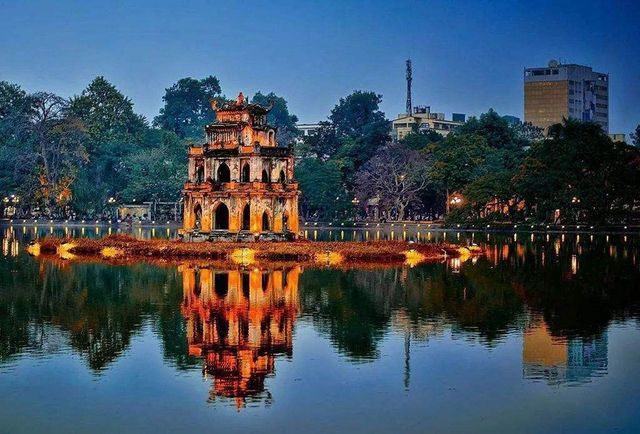
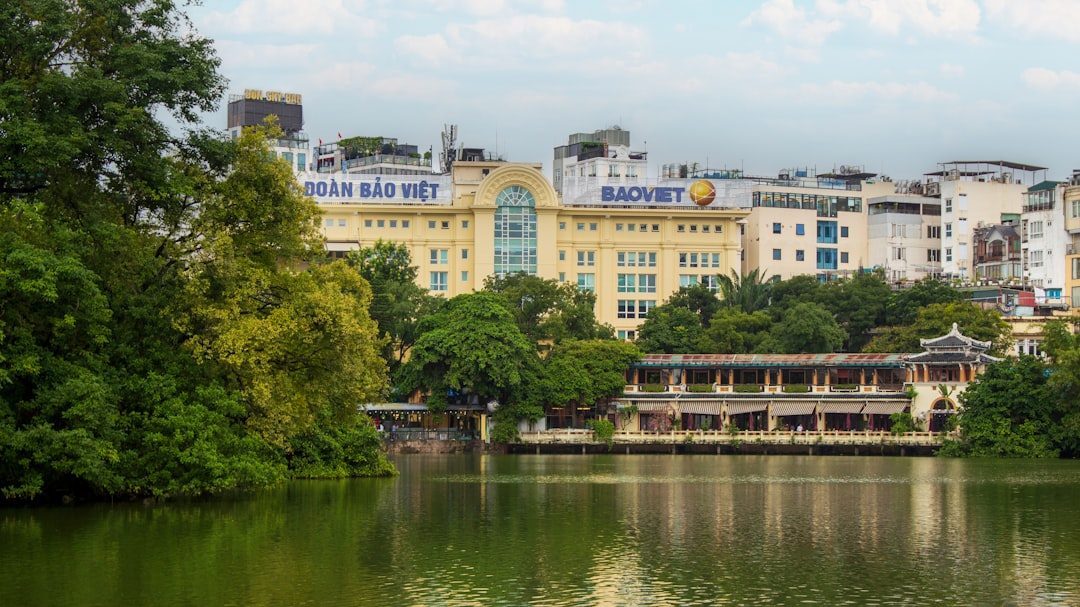
Hoan Kiem Lake
Serene central lake offering peaceful escape from city chaos; iconic meeting spot with spiritual significance.

Hoan Kiem Lake is the hinge the whole city swings on. Stay beside it and a day in Hanoi stops being a series of taxi rides.
40 places we would actually send someone to, across 7 categories. Every photo is of that specific place.
scenic
Serene central lake offering peaceful escape from city chaos; iconic meeting spot with spiritual significance.
 historic
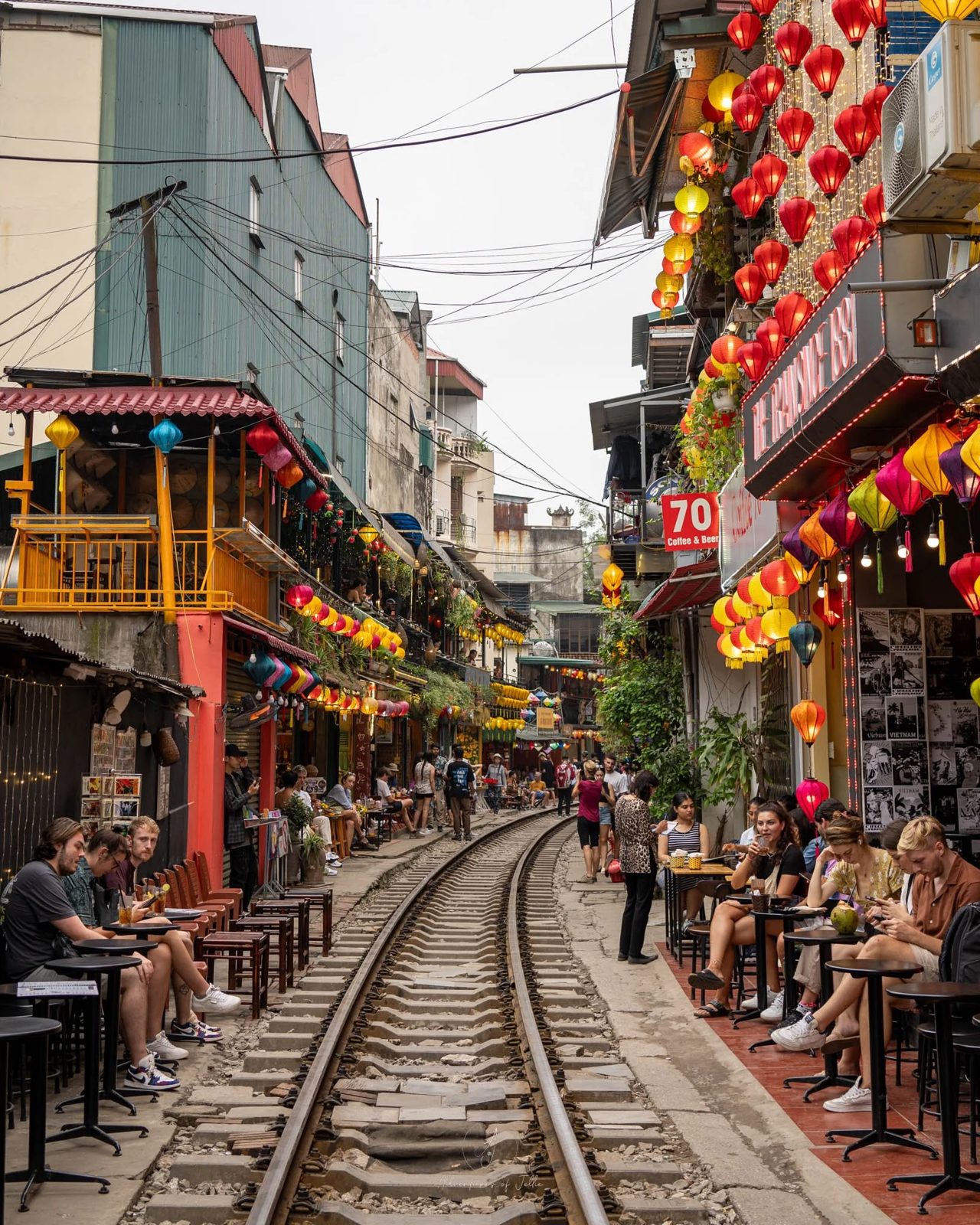
Vibrant 36-street neighborhood alive with motorcycles, narrow alleyways, street food vendors, and centuries of colonial architecture.
 scenic
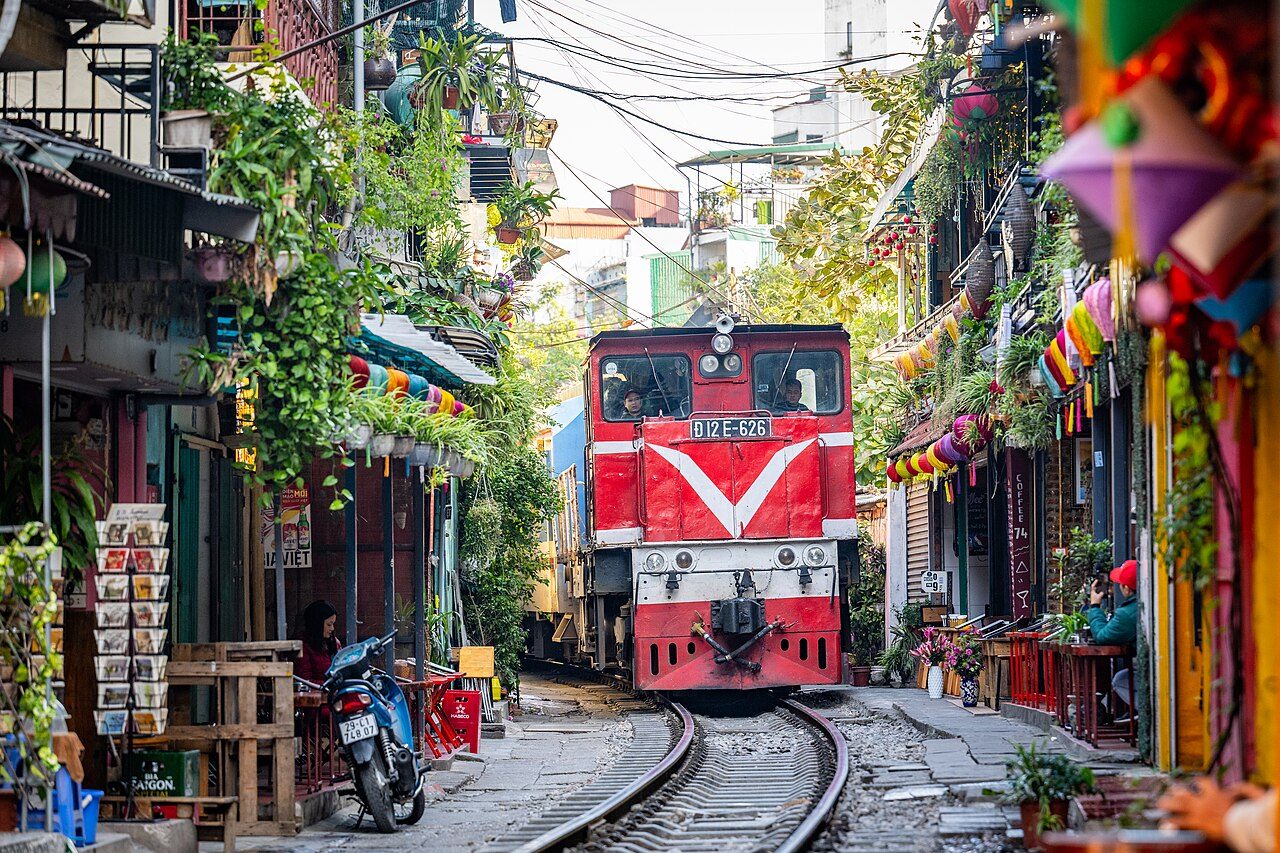
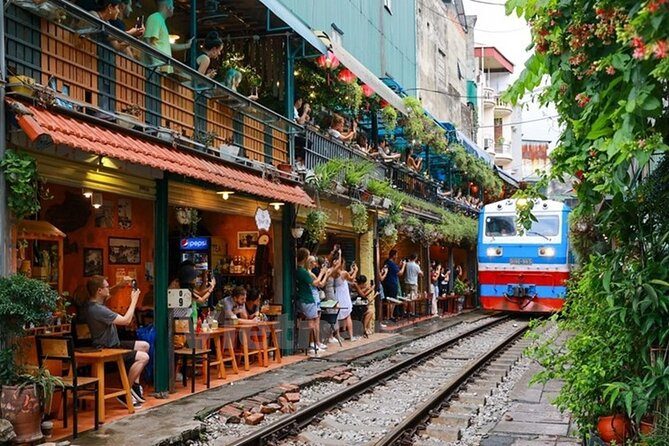
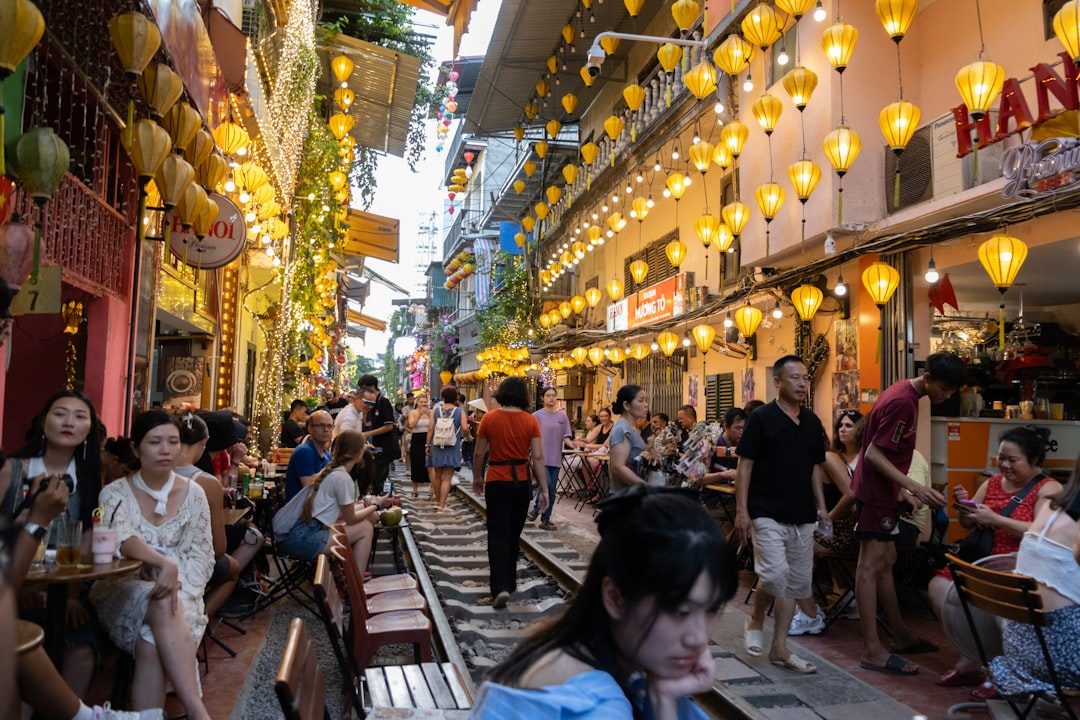
Narrow alley with train tracks; colorful lanterns, cafes, and daily train pass-throughs create magical photo moments.
 cultural
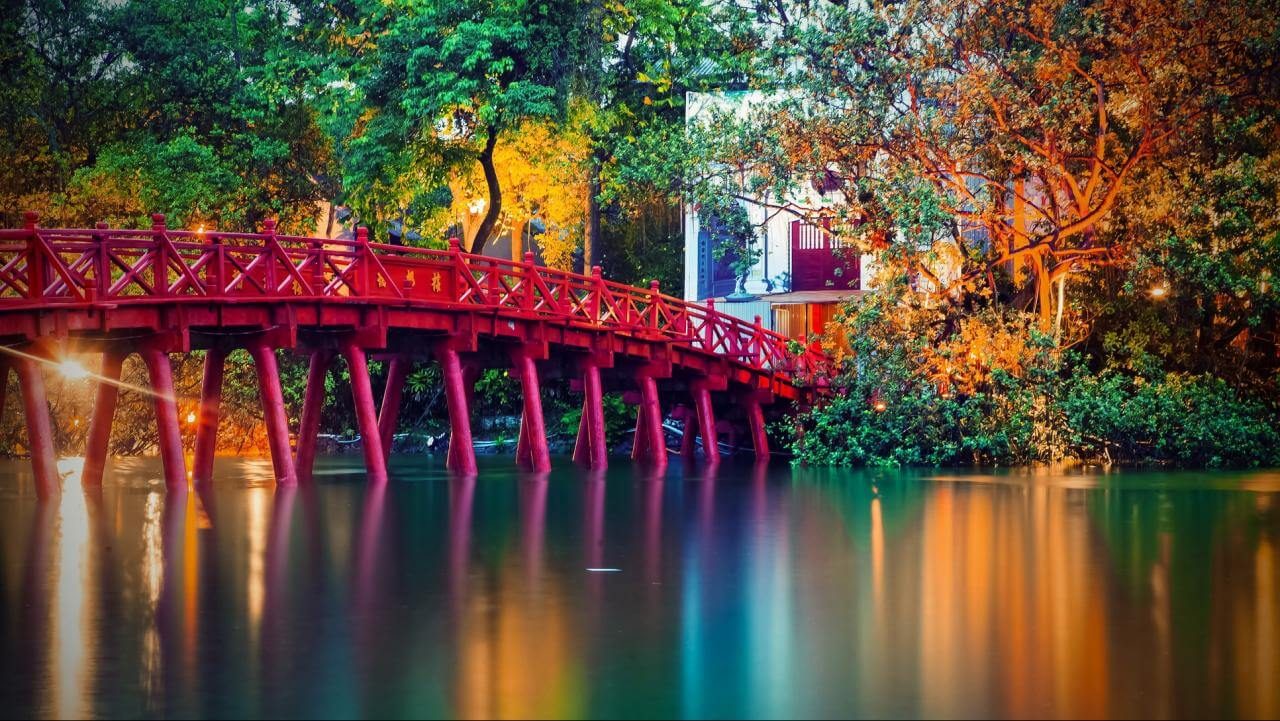
Red-painted temple on Hoan Kiem Lake island, housing historic Buddhist artifacts and serene water views.
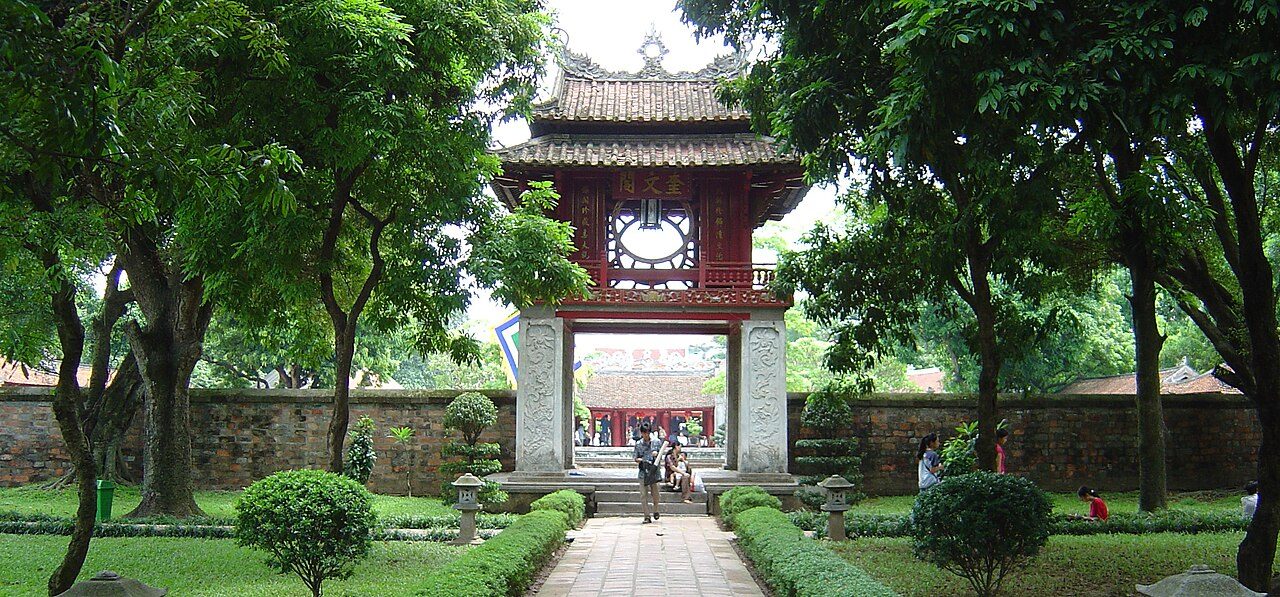 historic
Vietnam's oldest university (1070) with traditional wooden architecture, courtyards, and ancient exam stones.
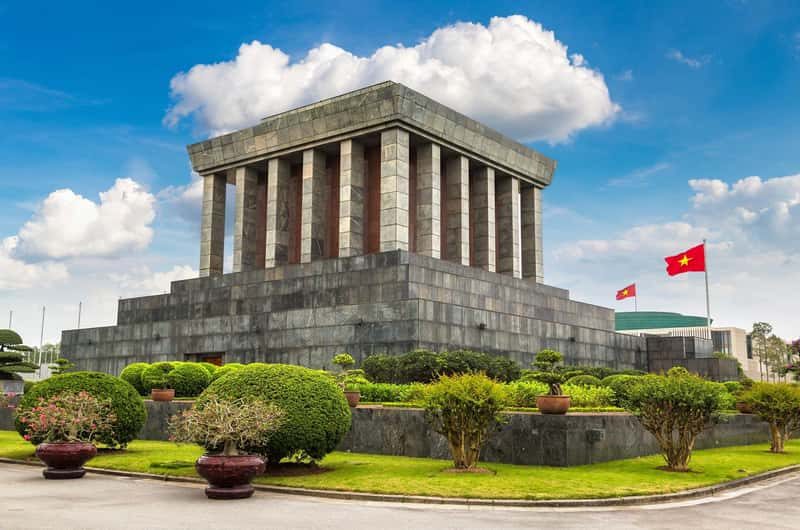 cultural
Monumental state site housing Ho Chi Minh's glass sarcophagus, museum, and gardens; requires respectful queuing.
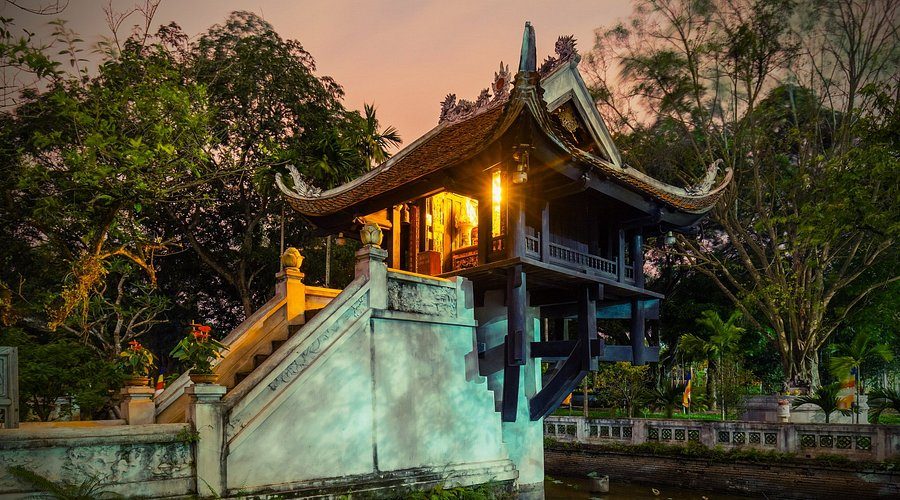 cultural
Iconic 1049 wooden pagoda built on single stone pillar above lotus pond; architectural marvel.
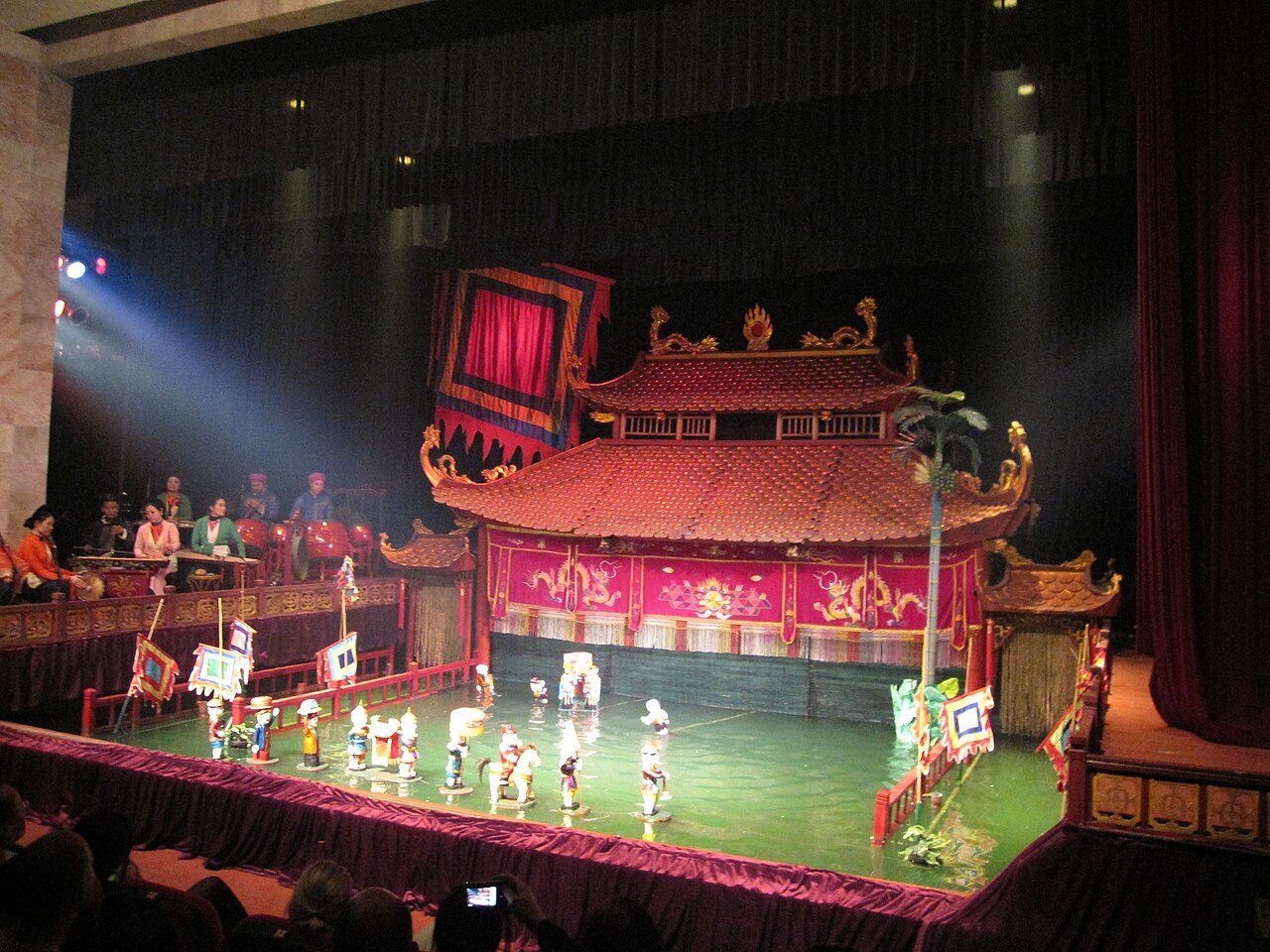 entertainment
Traditional 11th-century puppetry art form performed on water; uniquely Vietnamese cultural experience.
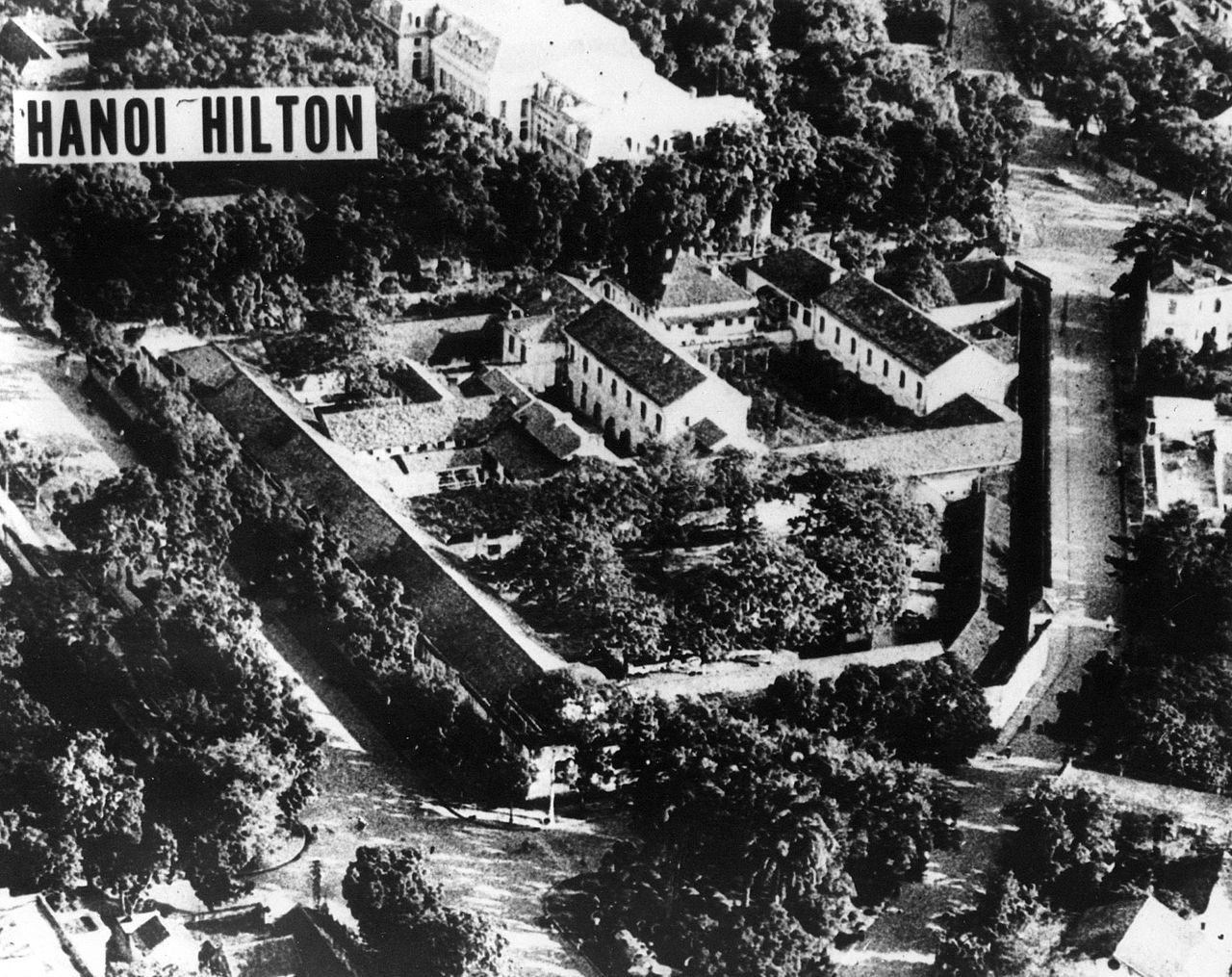 historic
Historic French colonial-era prison with dark history; haunting exhibits on Vietnamese resilience and independence.
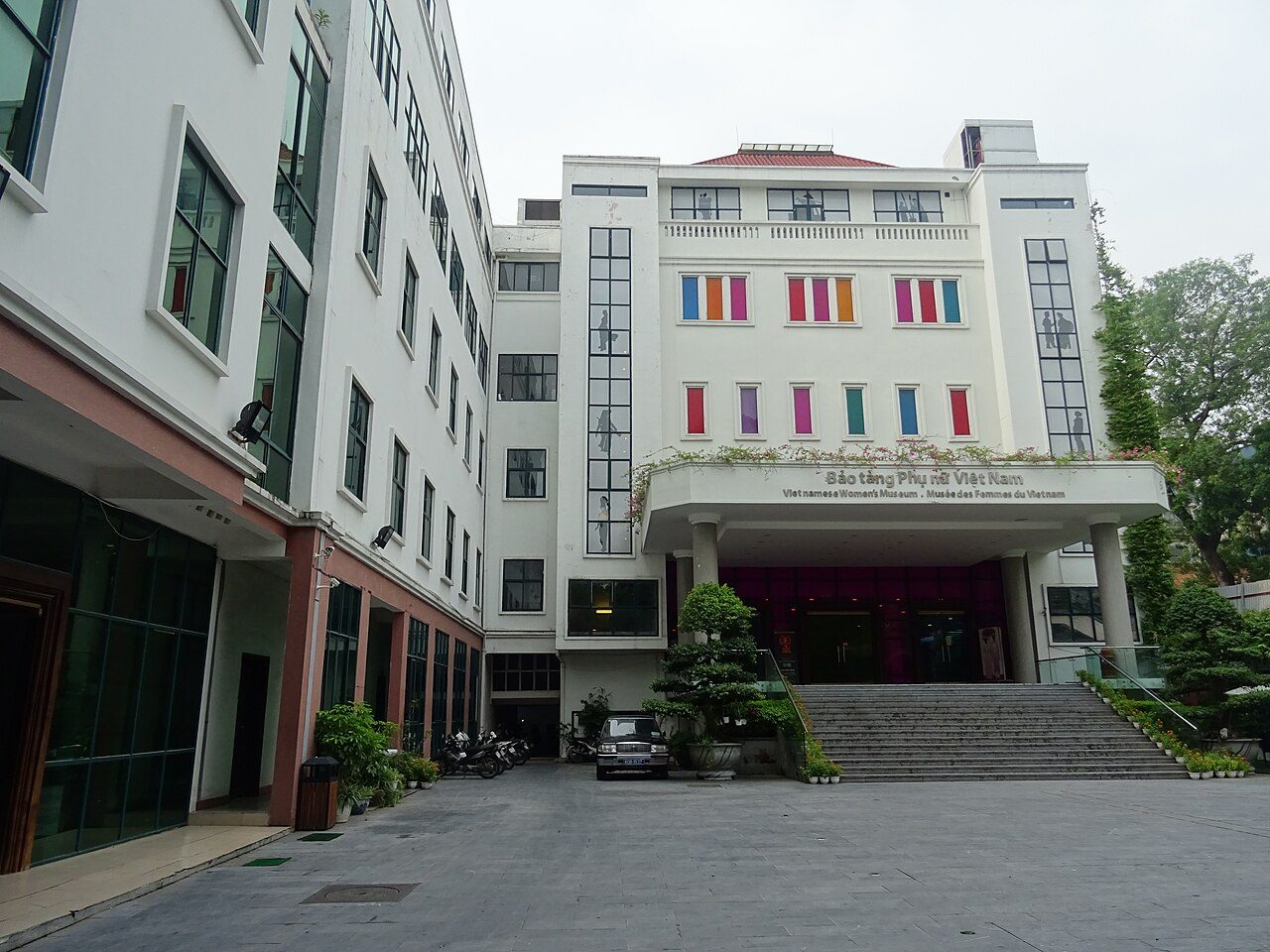 cultural
Modern museum exploring women's roles across Vietnamese history, culture, and daily life with thoughtful exhibits.
 cultural
Ancient pagoda on West Lake peninsula, one of Hanoi's oldest temples with tranquil spiritual ambiance.
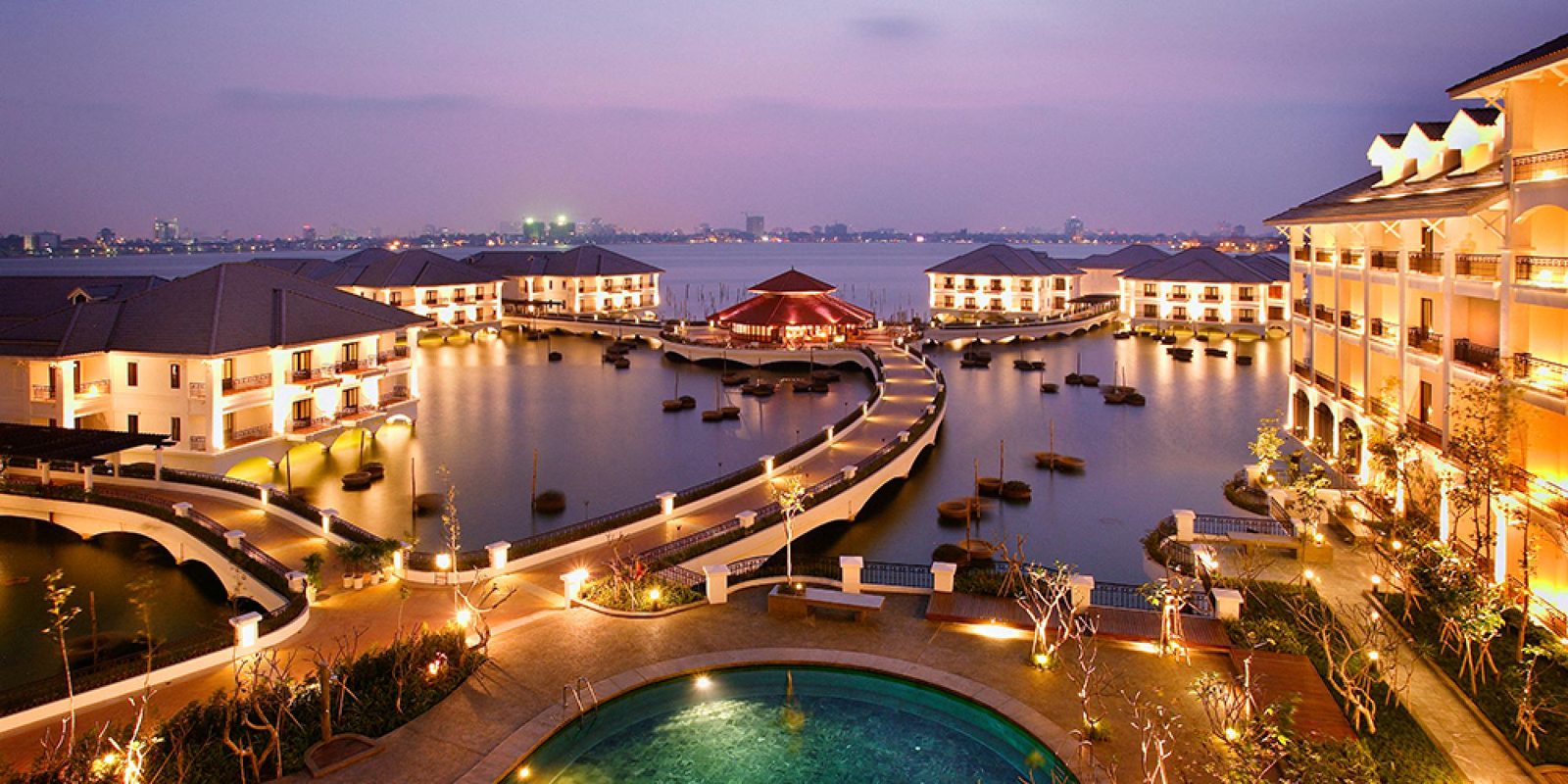 scenic
Hanoi's largest lake ringed with temples, parks, and sunset viewing spots; escape into greenery and calm.
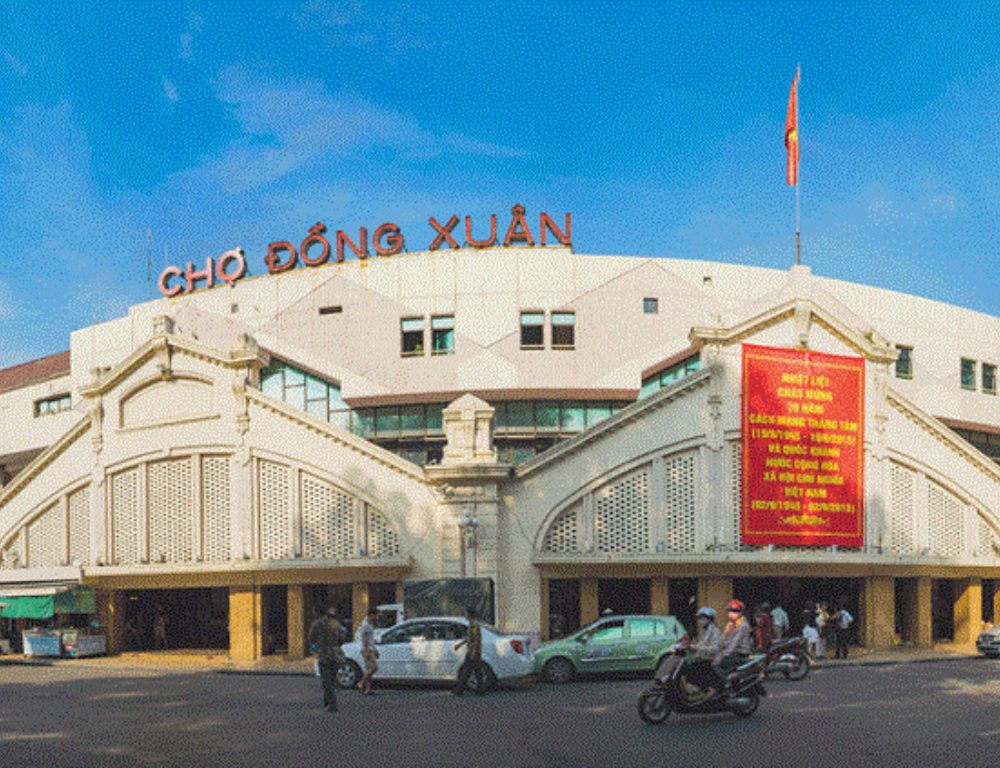 shopping
Hanoi's largest indoor market with three floors of textiles, souvenirs, and chaotic local shopping energy.
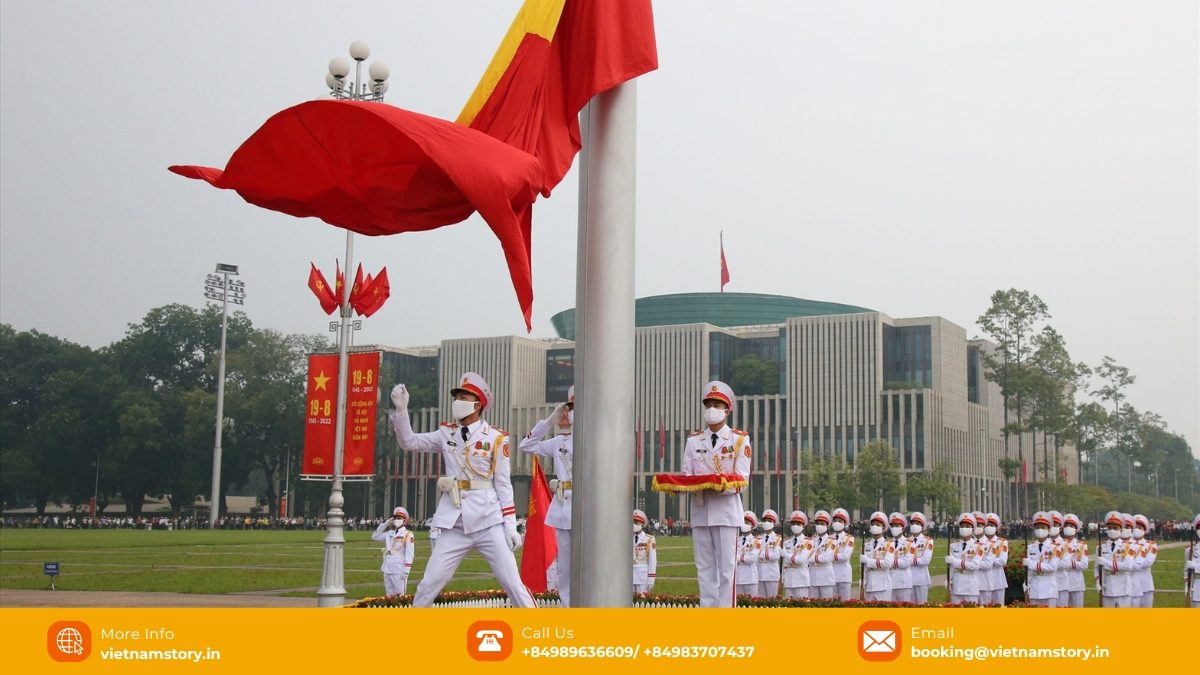 historic
Historic plaza hosting ceremonial flag-raising at dawn; iconic photo spot and political heart of Hanoi.
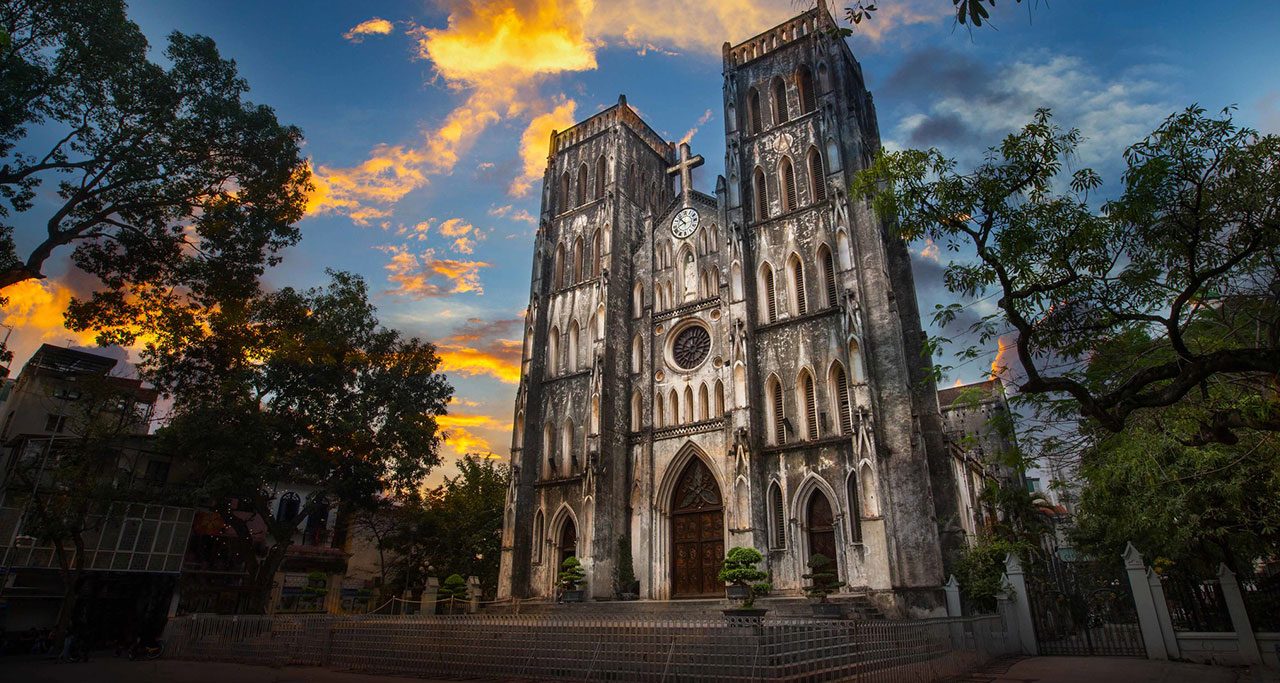 historic
Gothic-style 19th-century cathedral in French Colonial style; striking architecture amid Old Quarter chaos.
 food
food
Local guide-led exploration sampling pho, banh mi, bun cha, egg coffee, and 8+ traditional Vietnamese dishes.
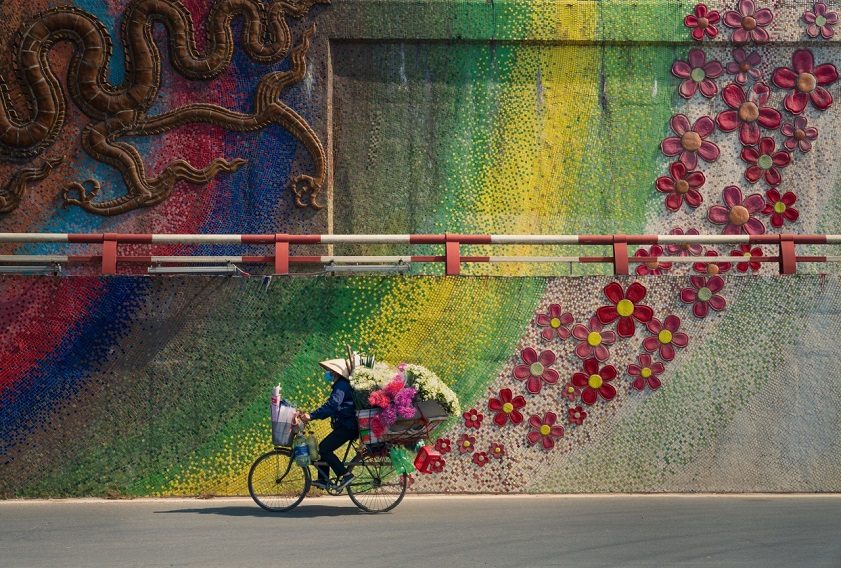 scenic
Colorful street art installation in Old Quarter; beloved photo spot blending traditional and modern creativity.
 historic
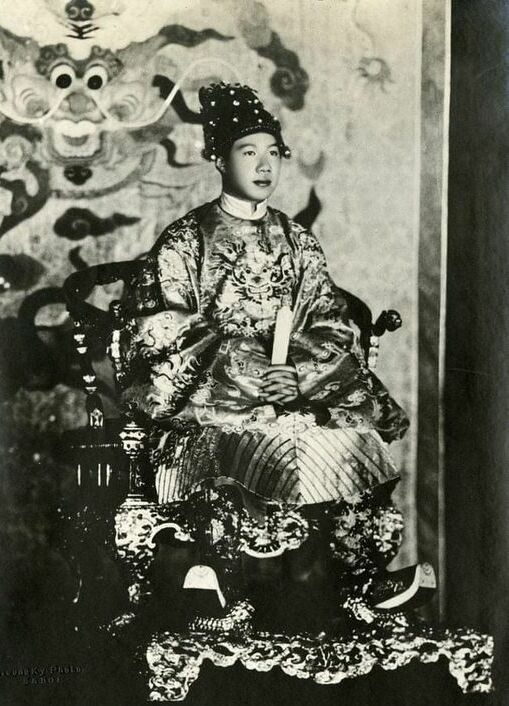
Tree-lined historical street showcasing French Colonial architecture and wealthy merchant villas from early 1900s.
 entertainment
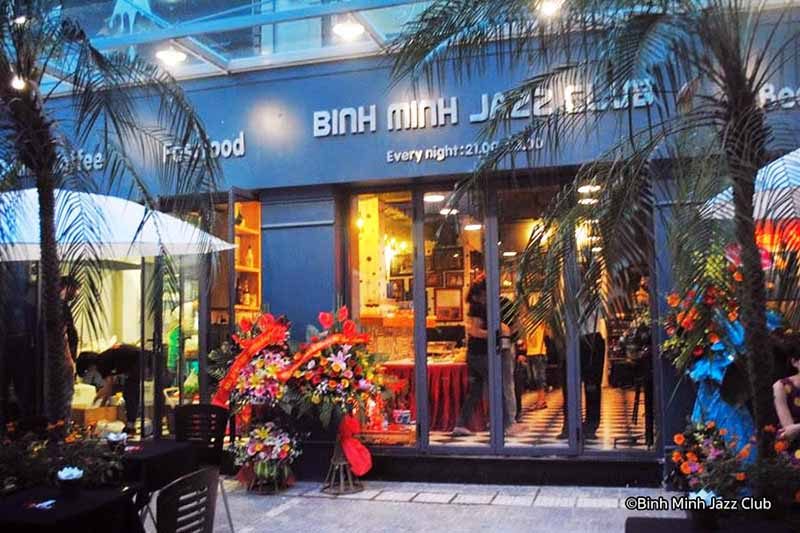
Intimate venue offering live jazz performances in cozy Old Quarter setting; perfect evening cultural experience.
 nature
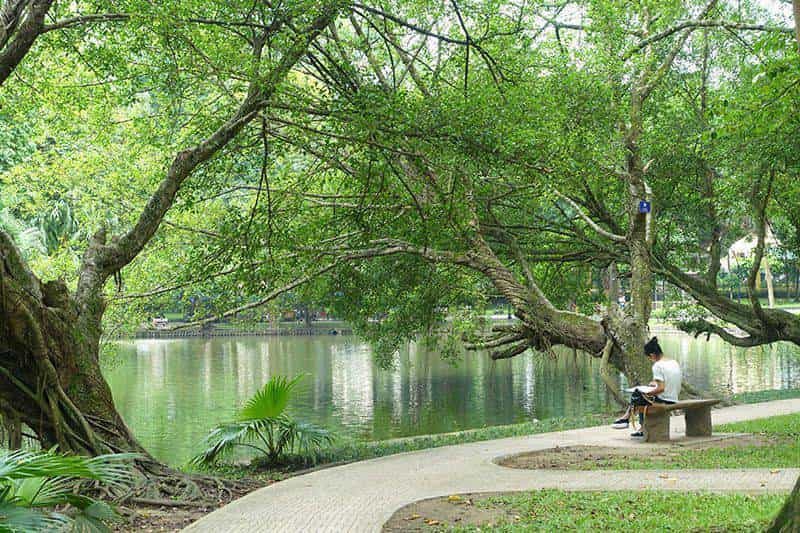
Lush green spaces near Ba Dinh Square; peaceful refuge with native plants and morning tai chi tradition.
 food
food
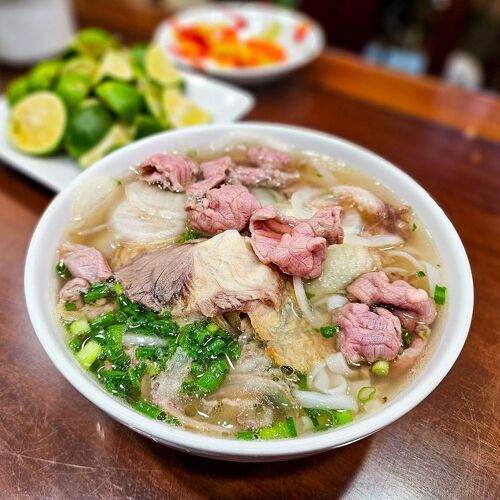
Michelin-recommended beef pho with fragrant broth and tender sliced beef in historic Old Quarter.
 food
food
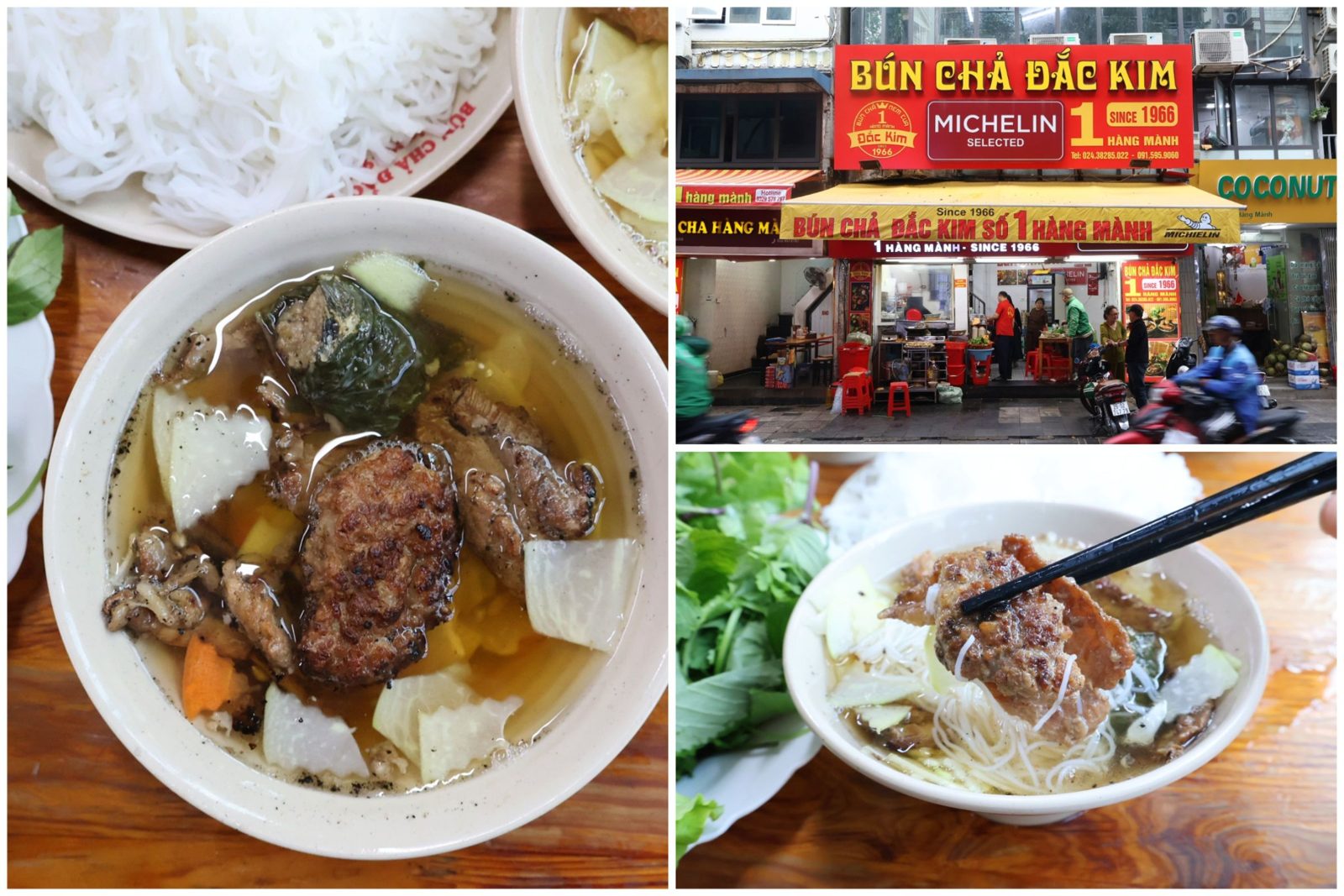
Family-run Michelin Bib Gourmand specializing in grilled pork with vermicelli, iconic Northern Vietnamese dish.
 food
food
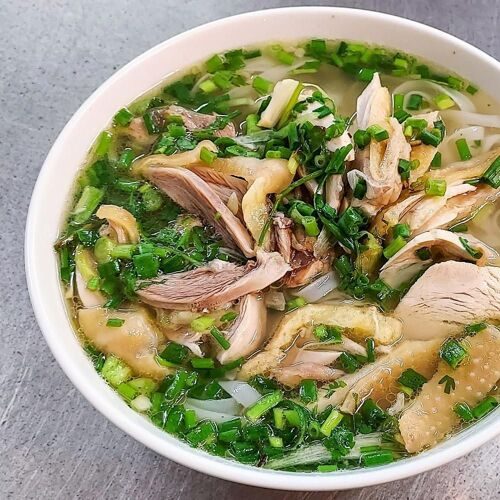
Beloved chicken pho street spot featuring silky broth and tender poached bird meat daily.
 food
food
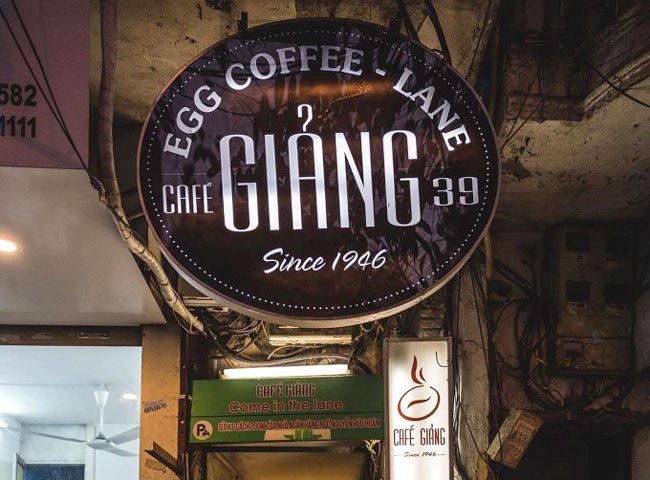
Iconic egg coffee café where skilled baristas pour drinks onto your face in historic Old Quarter shop.
 food
food
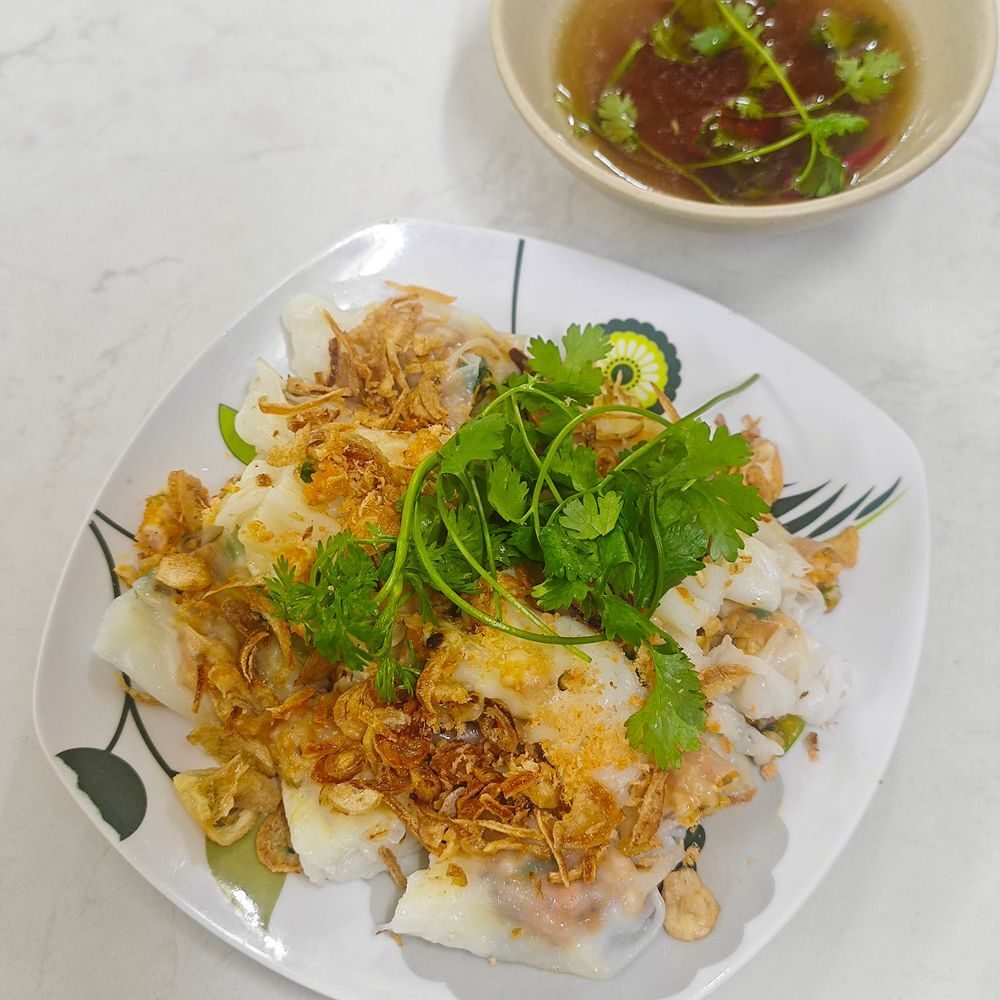
Steamed rice rolls filled with pork and shrimp, folded with care at breakfast daily.
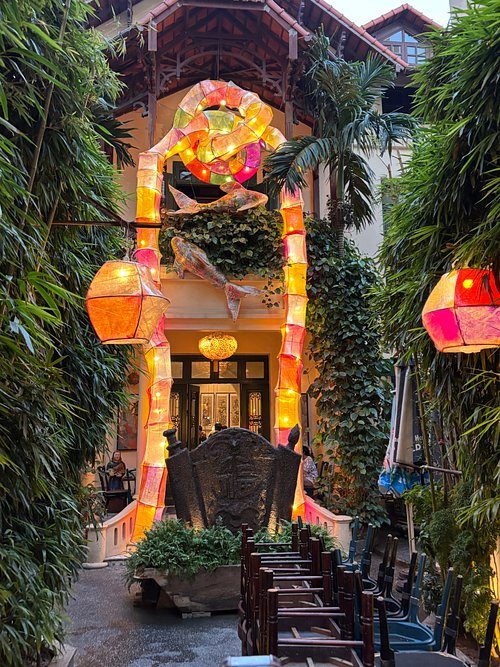 food
food
Hanoi's signature cha ca fish dish: turmeric-marinated snakehead with herbs and vermicelli noodles.
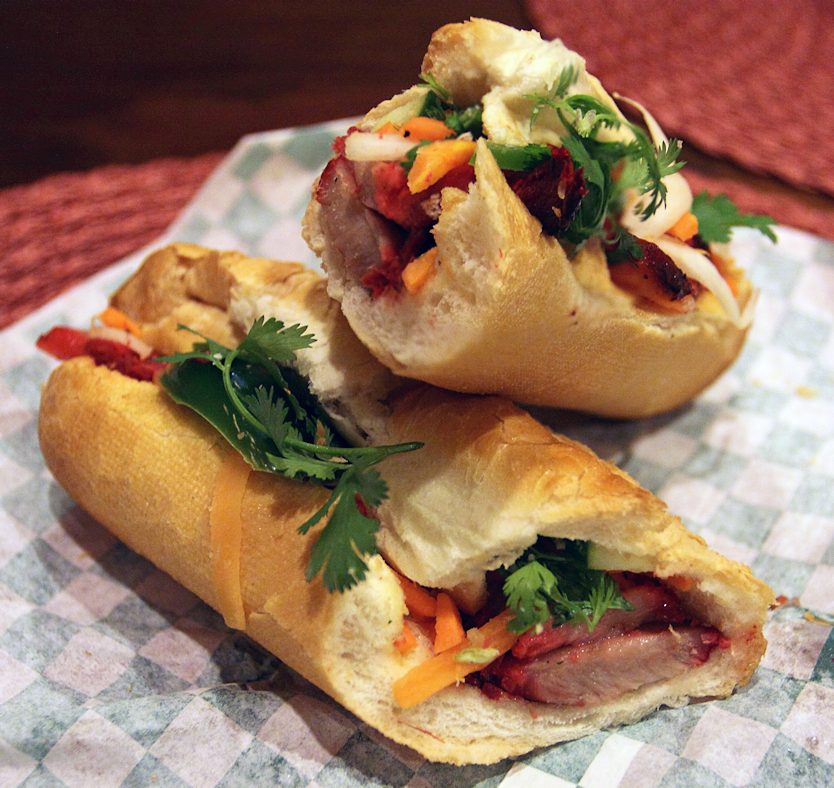 food
food
Legendary French-influenced crispy banh mi sandwiches loaded with pâté and fresh herbs daily.
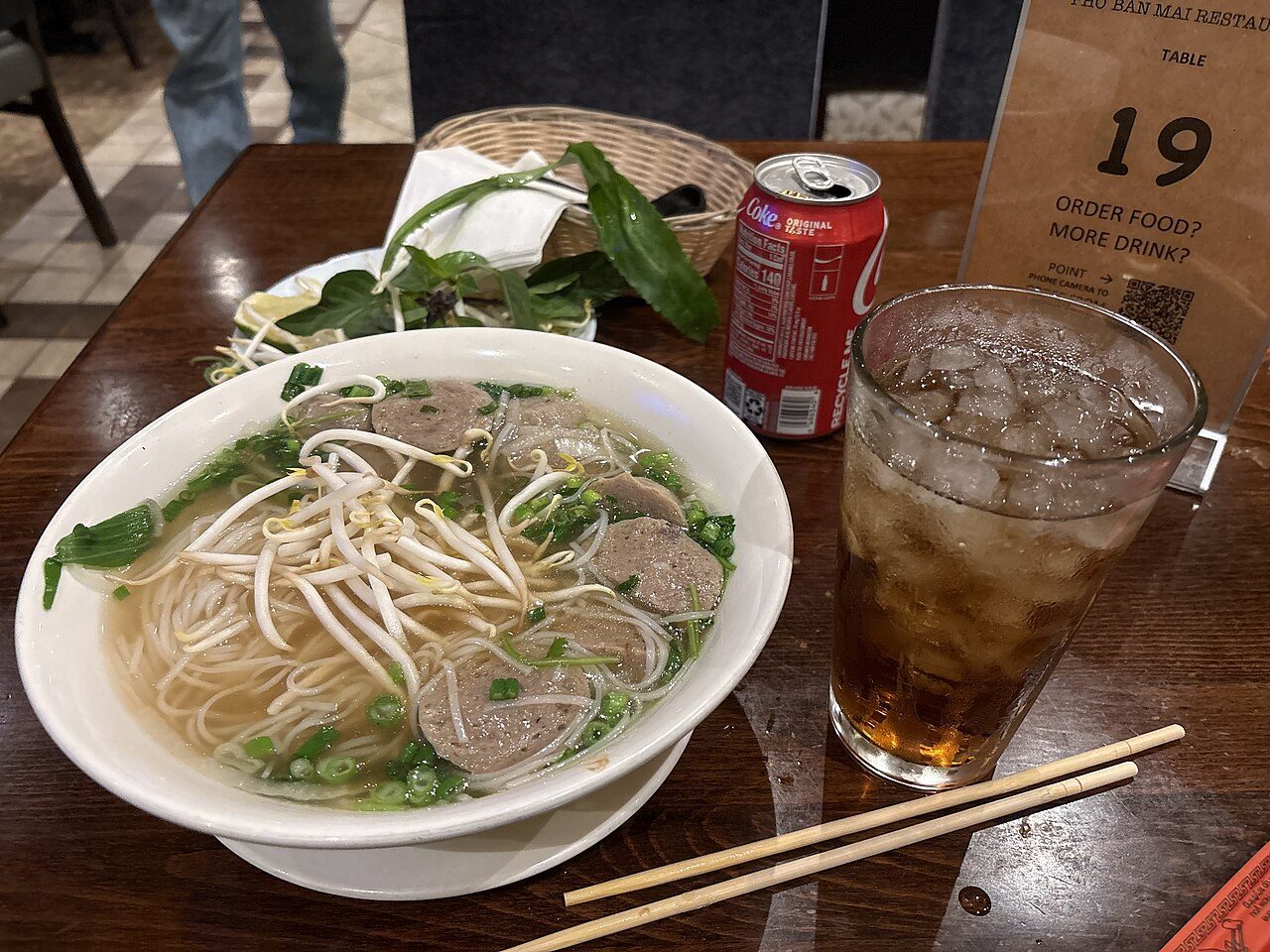 food
food
Roasted quail and local specialties in authentic family-run setting, truly local favorite.
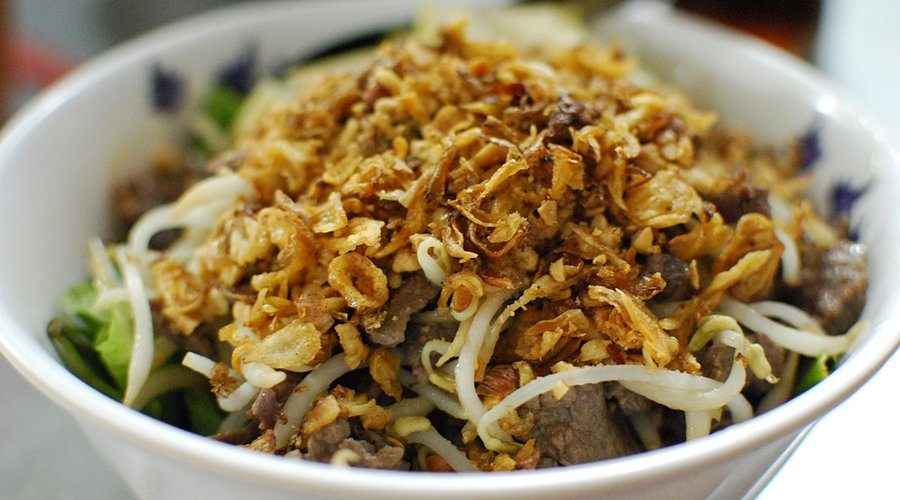 food
food
Southern-style beef noodle soup with rare beef and bold spice, beloved citywide favorite.
 food
food
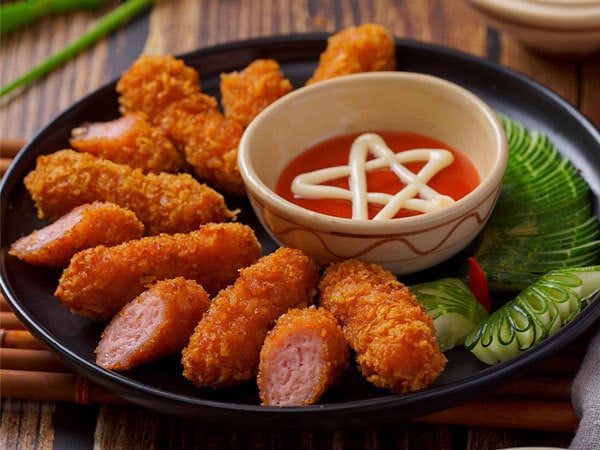
Crispy-fried fermented pork rolls, tangy and savory, addictive street food staple.
 food
food
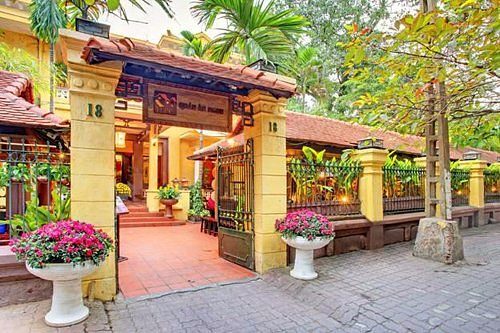
Contemporary Vietnamese restaurant showcasing regional specialties in refined but accessible setting.
 food
food
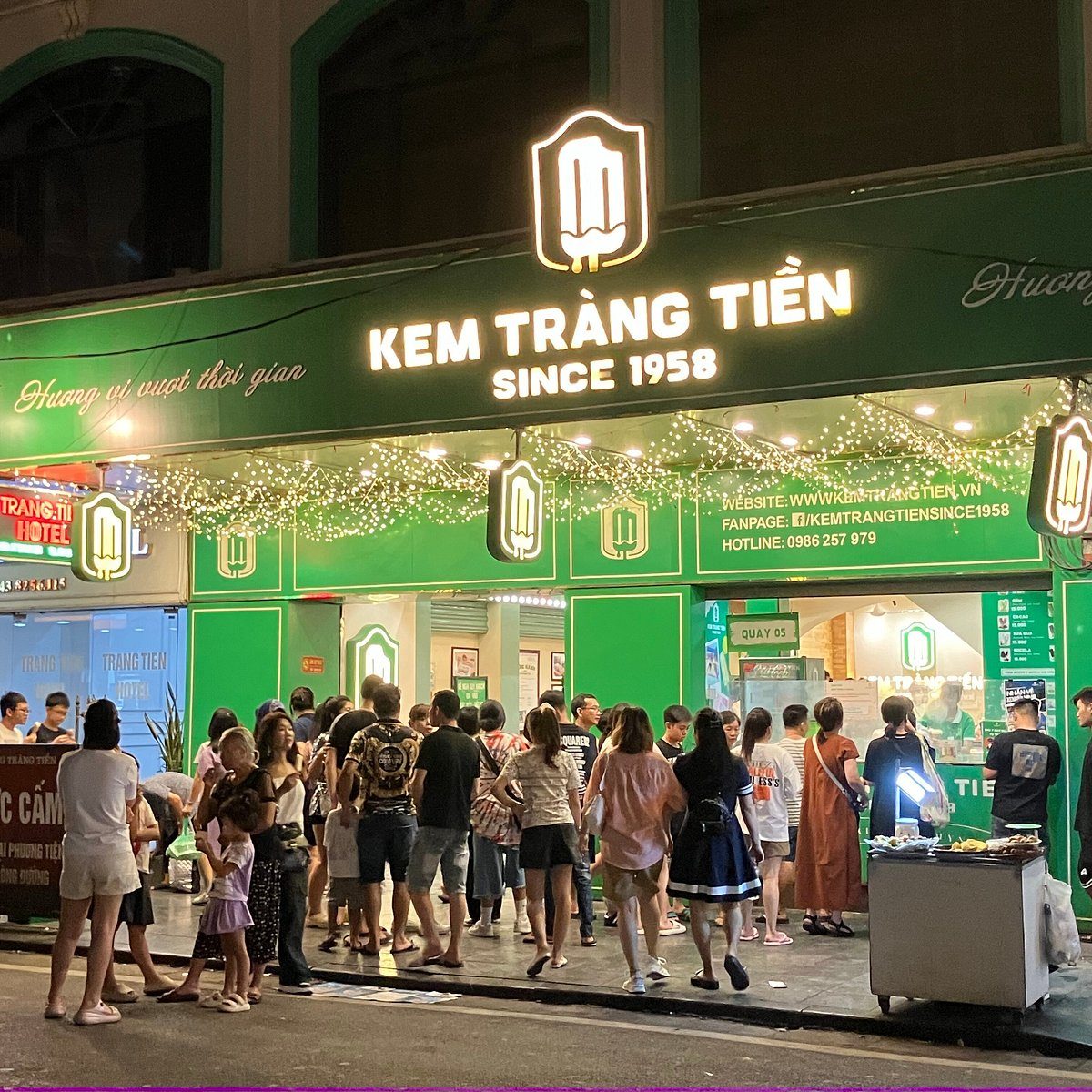
Beloved ice cream café housed in French colonial building, local institution since mid-century.
 food
food
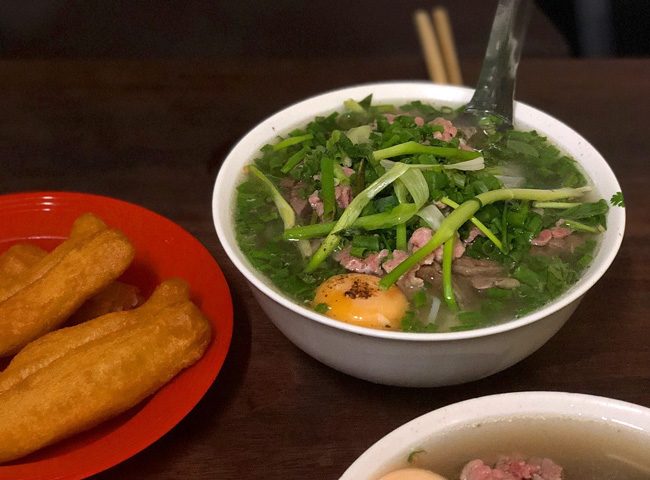
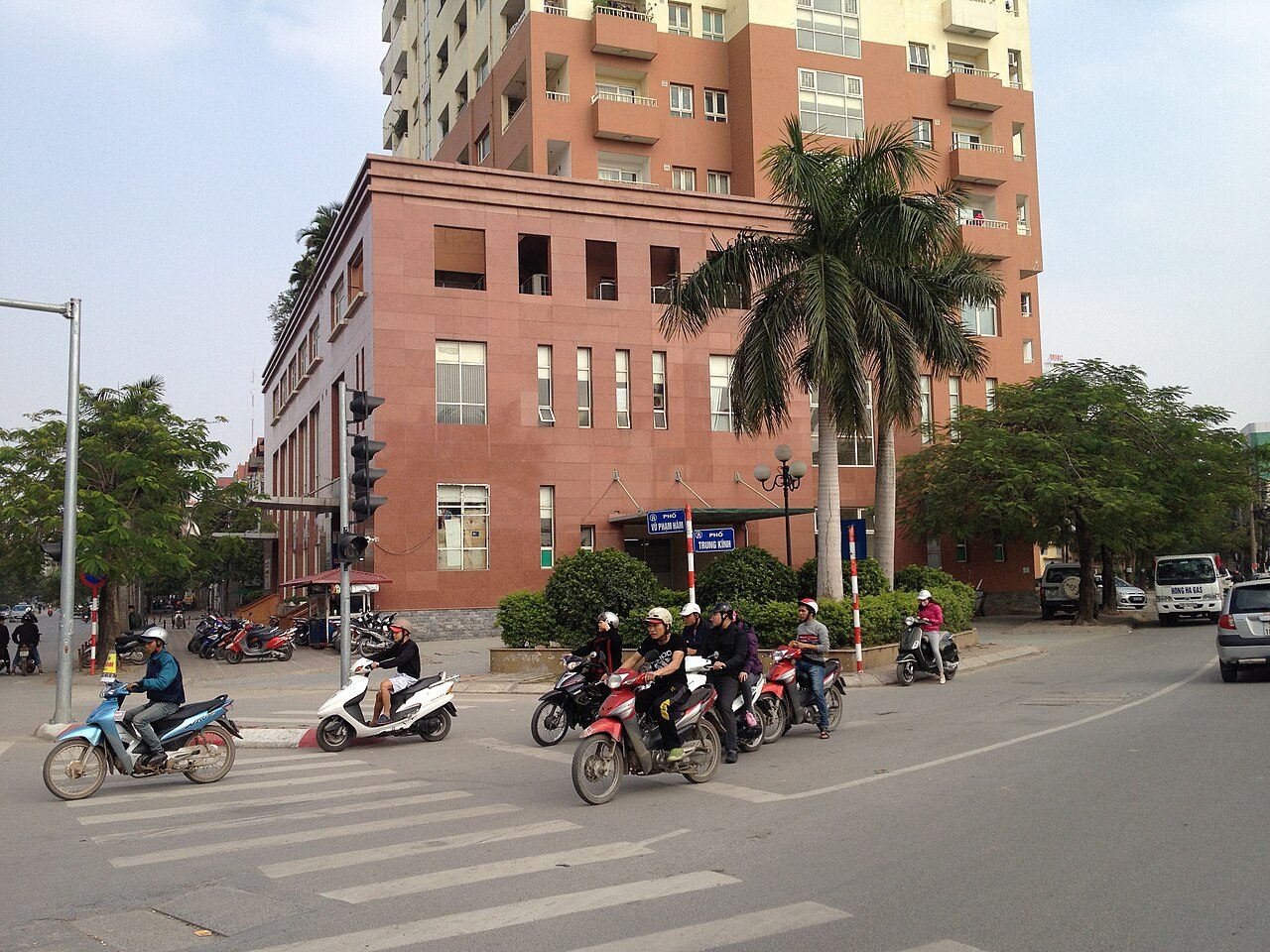
Michelin-listed traditional pho with heritage recipe, served in no-frills intimate corner.
 food
food
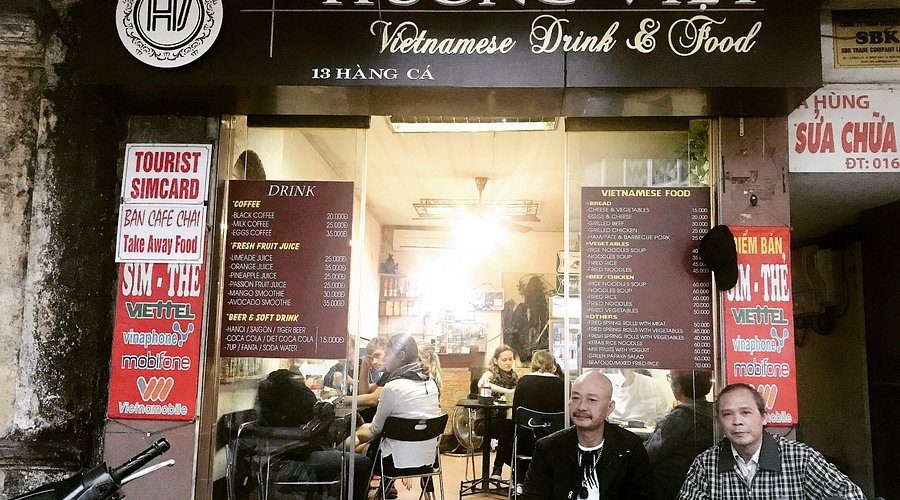
Quirky café perched on famous Train Street tracks, where trains pass through daily.
 food
food
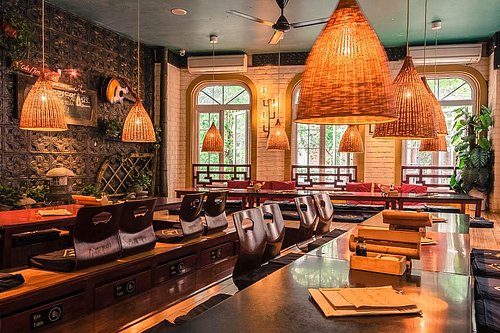
Authentic Northern Vietnamese specialties in modest eatery, beloved by locals seeking heritage dishes.
 food
food
Michelin Bib Gourmand farm-to-table restaurant celebrating upland Vietnamese minority cuisine.
 food
food
Casual rice bowls with seasonal vegetables and proteins, working-class affordable dining.
 food
food
Creative nineteen-course modern Vietnamese tasting experience in intimate Old Quarter setting.
 food
food
Award-winning contemporary Vietnamese cuisine emphasizing quality ingredients and bold presentations.
 food
food
Guided evening market exploration sampling ten-plus iconic dishes with knowledgeable local insider.
 Our base for this trip
Everything above is walkable from the lake, and that is the whole point of paying to stay beside it. La Sinfonía del Rey sits in the Hoan Kiem streets between the water and the Old Quarter — close enough that the 6:30am walk costs you nothing, and close enough that you can come back at midday when the heat wins. Rates in this part of Hanoi are remarkably forgiving compared to the equivalent location in almost any other capital.
From $56/night · Hoan Kiem Lake
Welcoming mid-range hotel near everything with exceptional service and breakfast.
From $62/night · Old Quarter
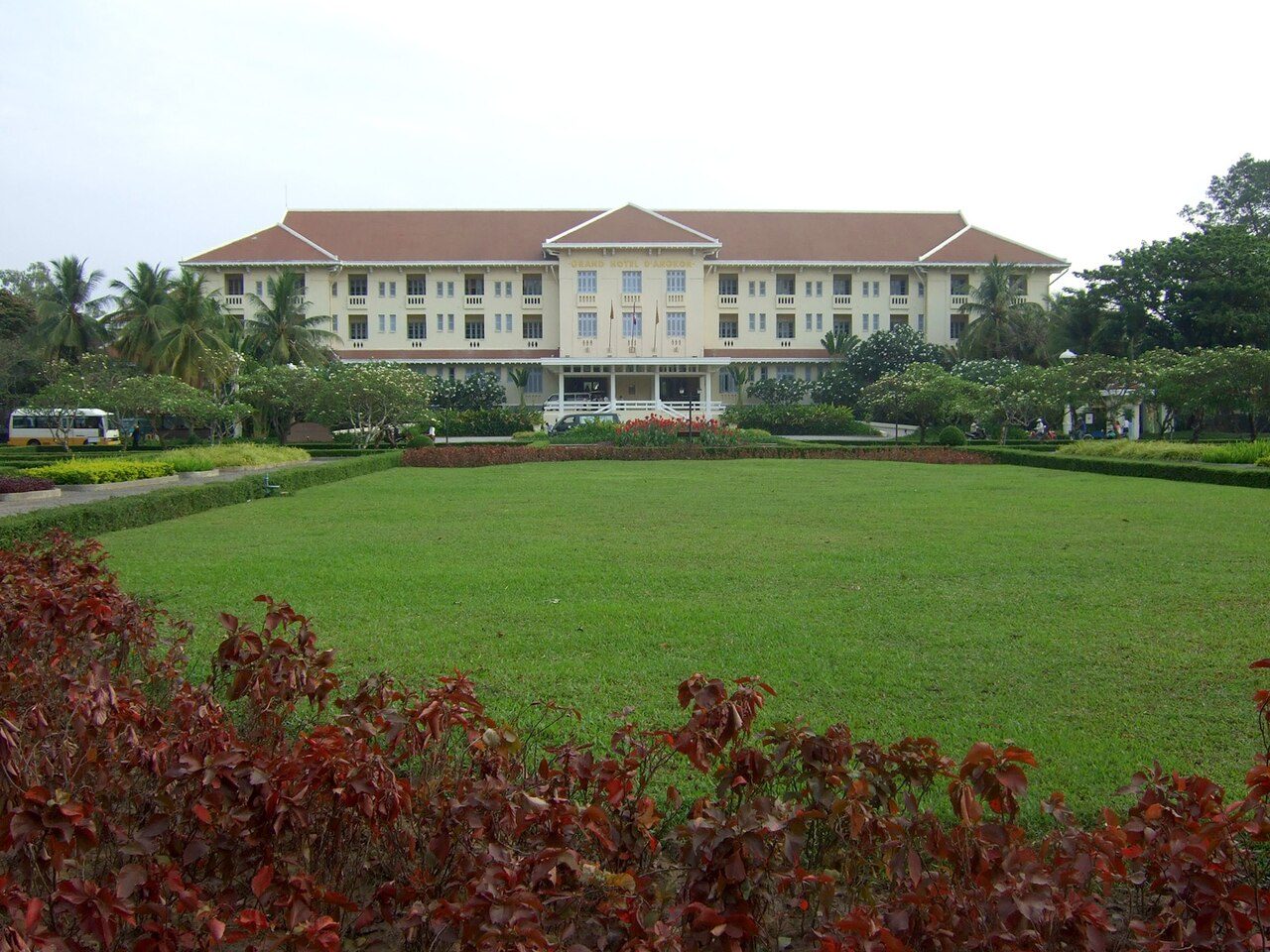
4-star boutique property in Old Quarter near Water Puppet Theatre.
From $66/night · Old Quarter
Tranquil boutique retreat with private parking near Quan Thanh Temple.
From $67/night · North Hanoi
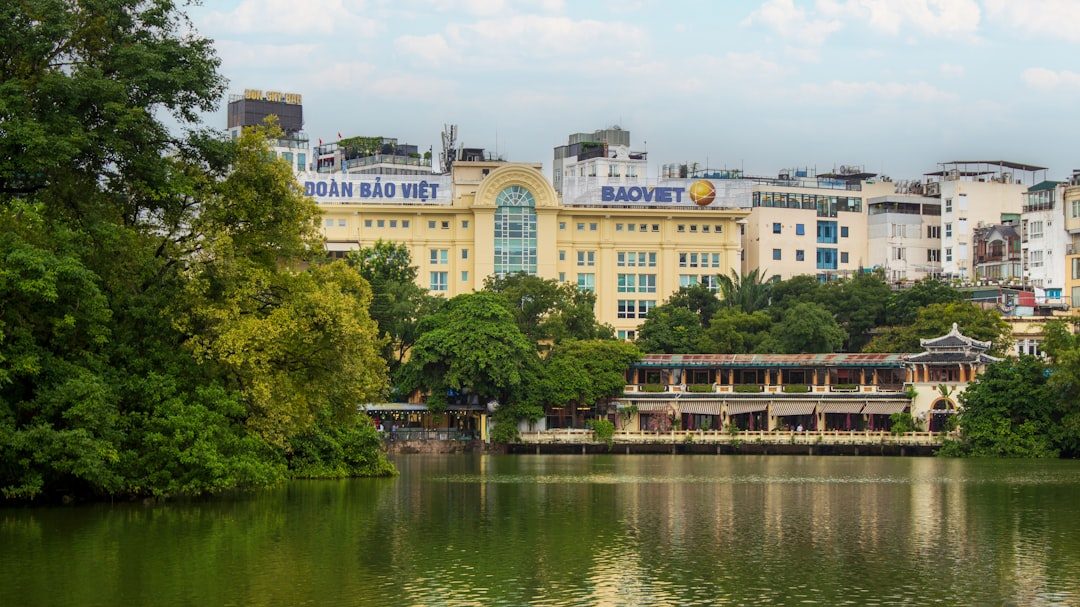
Brand new 4-star boutique in Old Quarter heart with exceptional service.
From $70/night · Old Quarter
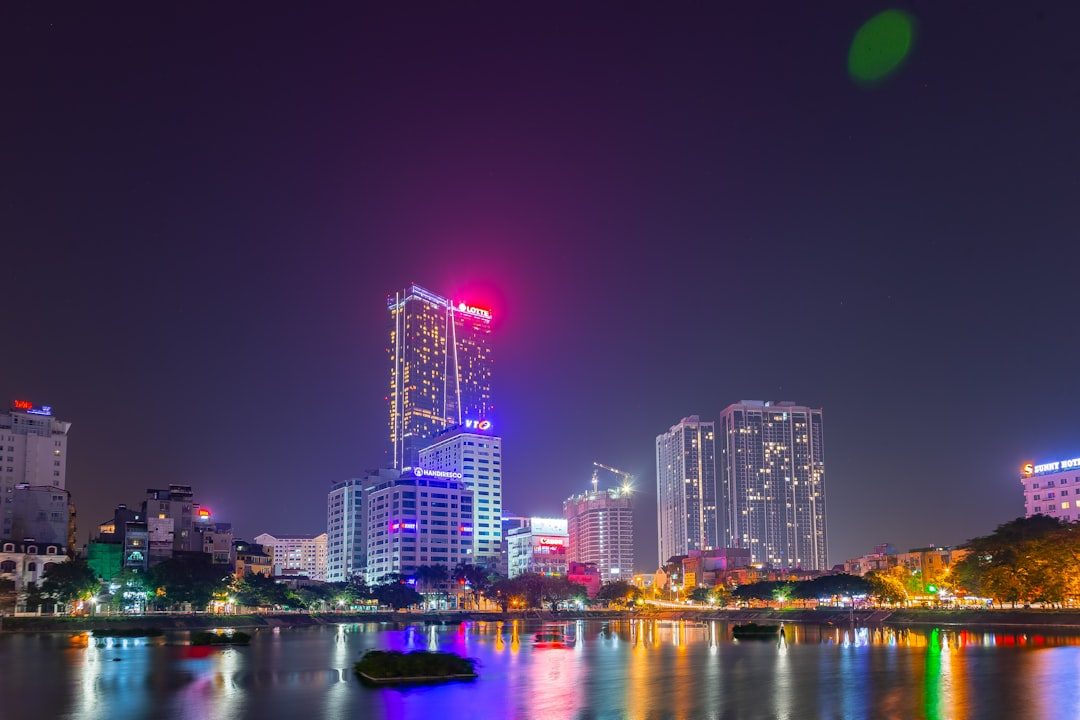
Family-friendly mid-range hotel in Old Quarter with reliable amenities.
From $63/night · Old Quarter
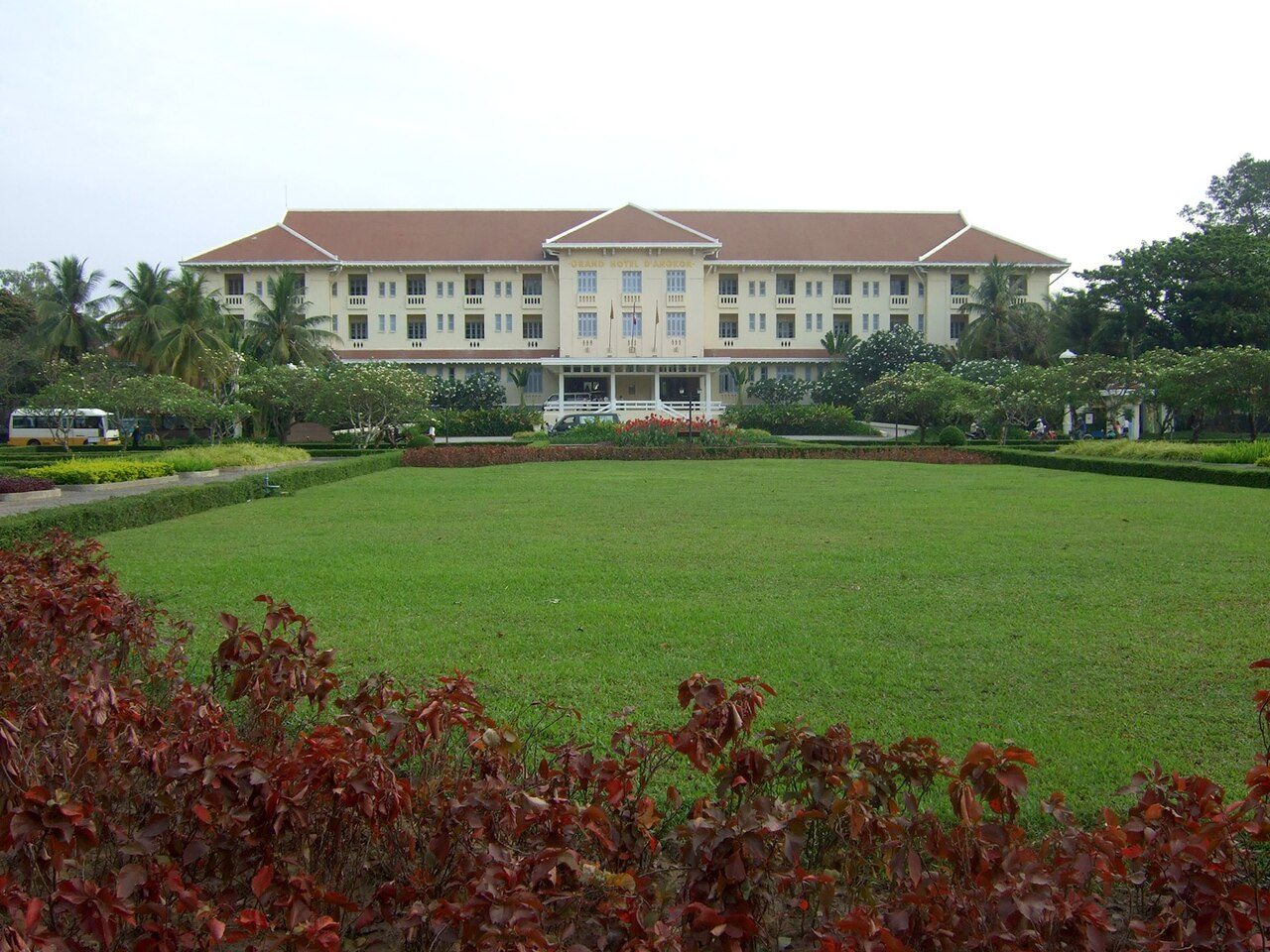
Charming mid-range boutique in Old Quarter perfect for cultural travelers.
From $61/night · Old Quarter
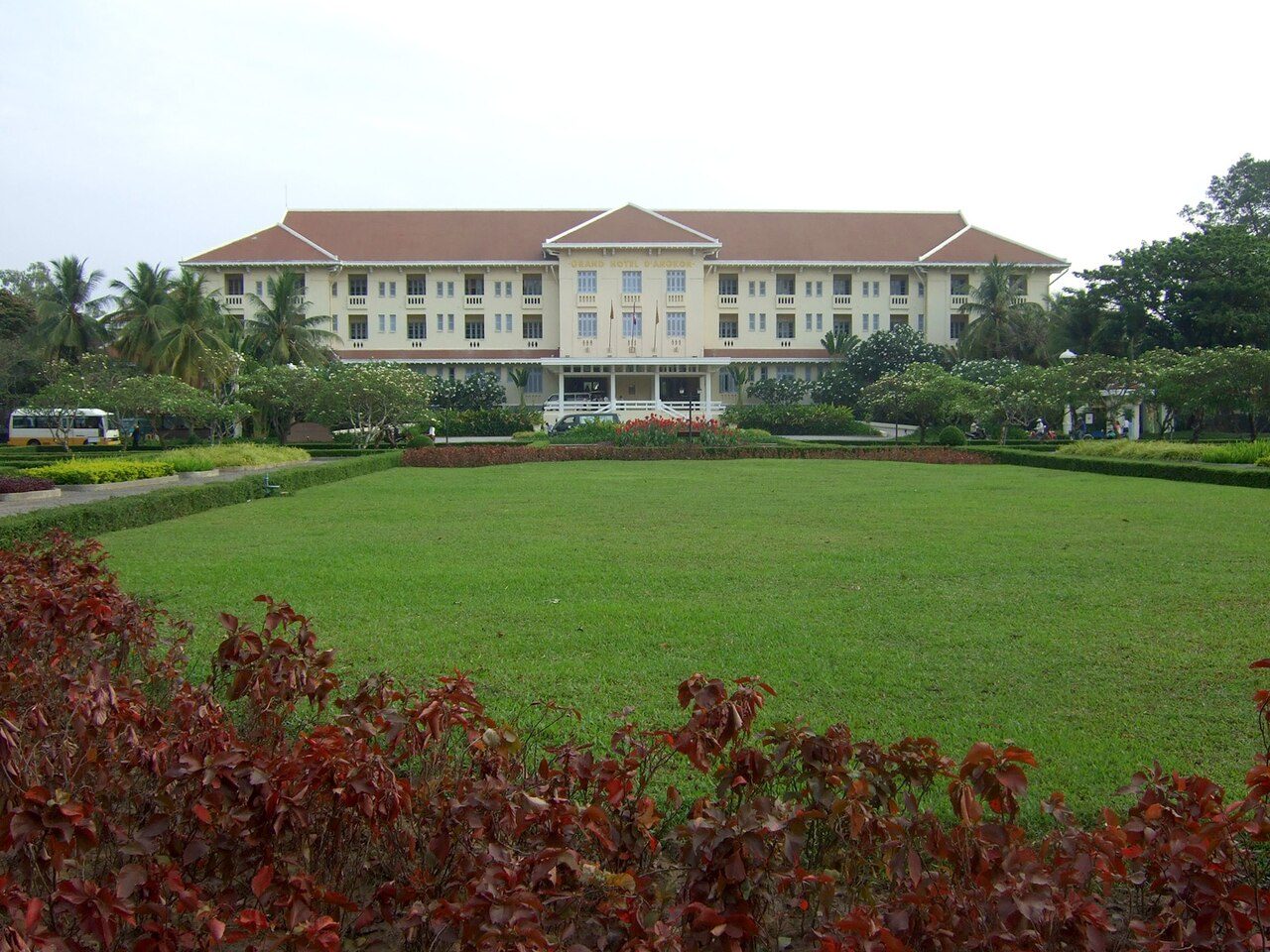
Mid-range boutique with Vietnamese design elements and warm hospitality.
From $59/night · Old Quarter
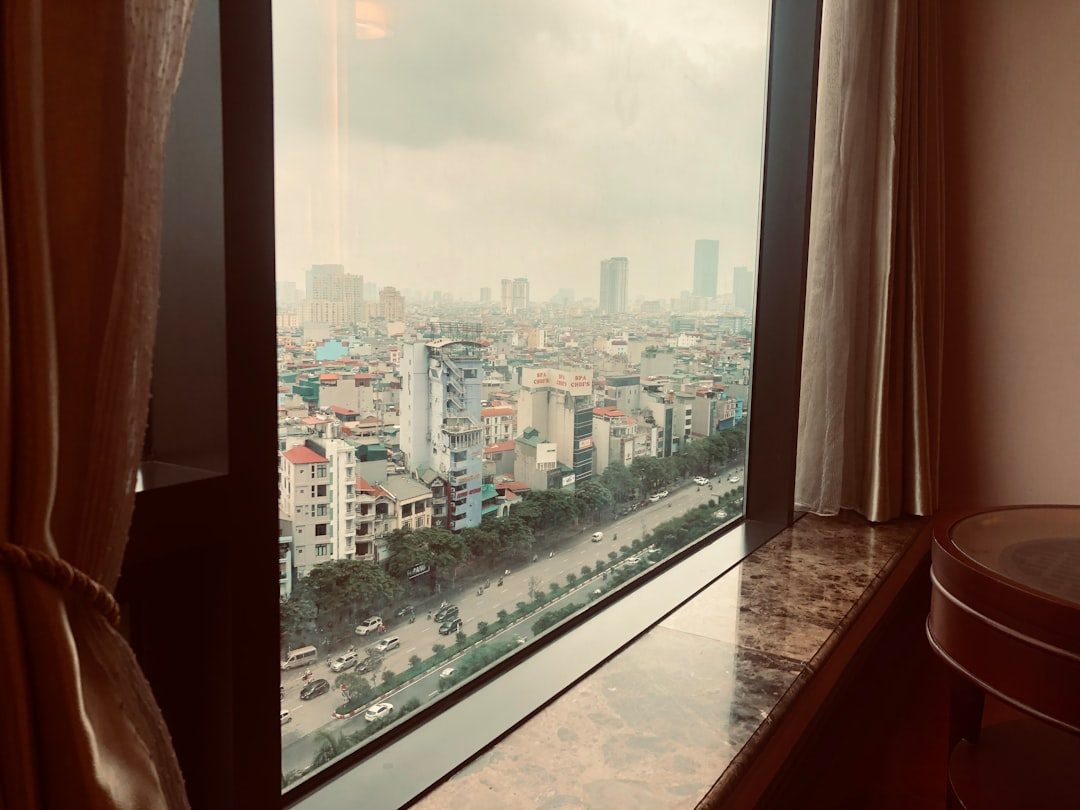
Artistic boutique property showcasing Vietnamese culture and gallery spaces.
From $72/night · Old Quarter
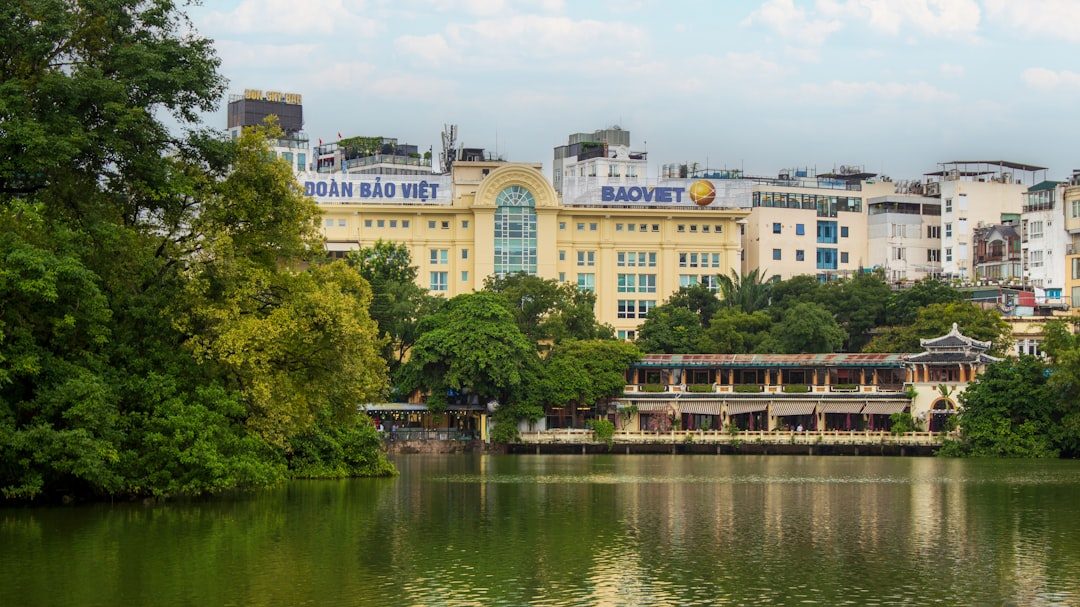
Highly-rated lakeside boutique offering serene setting with city access.
From $75/night · Hoan Kiem Lake
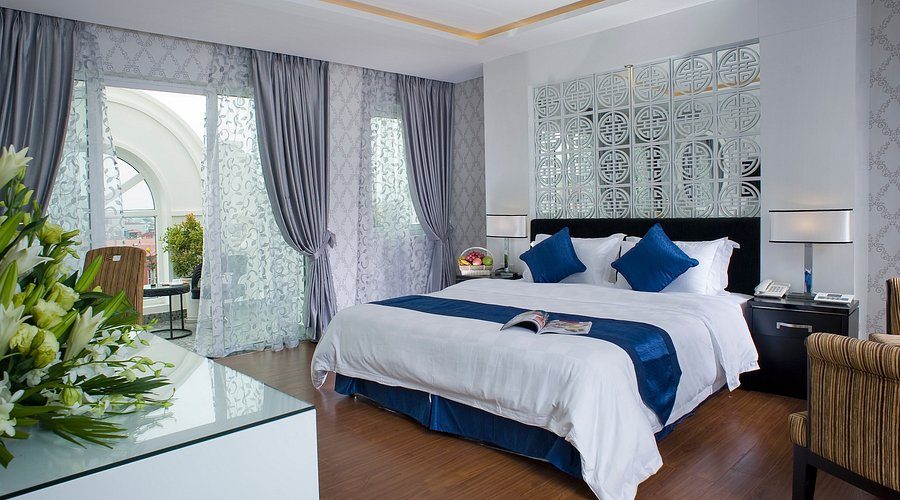
Upscale boutique combining gallery ambiance with luxury amenities and service.
From $73/night · Old Quarter
Then you step out of the hotel and the street is already busy, and the resentment evaporates, because it turns out you are the last one up. A woman in a conical hat is pushing a bicycle stacked with pomelos past a man setting out forty plastic stools. The air is warm and wet and smells like charcoal and diesel and, faintly, star anise. Somewhere behind you a rooster is making an argument nobody is listening to.
Two minutes later you are at the lake, and this is when you understand what Hanoi does in the morning. The whole path around the water is full — not with tourists, with the neighborhood. Women in matching pastel tracksuits doing a synchronized routine to a tinny speaker. A badminton game with no net, played across an invisible line both players clearly agree on. An old man performing tai chi so slowly that you check twice to see if he has moved. Four women power-walking abreast, deep in an argument about someone named Hùng.
Nobody looks at you. This is the best part. At two in the afternoon this lake belongs to visitors and the people selling things to visitors, and you are a customer. At six in the morning it belongs to the people who live around it, and you are just a person who happens to be walking there too, which is a much better thing to be.
The water is a flat, opaque green, and there is a squat little tower on an island in the middle of it that looks like it was drawn from memory. The story attached to this lake is that a fifteenth-century emperor was handed a magic sword by a golden turtle to drive out the Ming, and that after the war the turtle came back and took the sword away again — hence Hoan Kiem, the lake of the returned sword. Soft-shell turtles the size of dining tables genuinely did live here; the last one died in 2016 and there is a preserved specimen you can go and look at, which is either wonderful or very sad depending on the morning you are having.
Cross the red bridge to Ngoc Son Temple while the light is still low and orange. It is small — twenty minutes, maybe twenty-five if you linger — and at seven in the morning you will be sharing it with two elderly women lighting incense and precisely nobody else. Go at two in the afternoon and you will be shuffling through it in a line, photographing the backs of other people's heads.
Walk north into the Old Quarter and find a pho place. You will know it by the line and by the fact that it sells one thing. This is the single most reliable rule in Hanoi: the good places are specialists. They have made the same dish since 1970-something, they start at dawn, they stop when the pot is empty, and they have no interest whatsoever in your dietary preferences. There is no menu because there is no decision to make.
You sit on a stool roughly the height of a shoebox, at a table barely taller. Your knees are somewhere around your ears. A bowl lands in front of you within ninety seconds: clear beef broth that has been going since before you woke up, flat rice noodles, thin slices of beef going gray-pink in the heat, a fistful of herbs, spring onion. There is a plate of extras on the table — lime, chilli, garlic vinegar — and a jar of chopsticks. Take the herbs. Do not ask for a fork. Tip the bowl up at the end and drink the broth like everyone else is doing.
The whole thing costs less than a coffee at home and it will be, quite possibly, the best soup of your life at an hour when you would normally be eating cereal standing up.
Then egg coffee, which sounds like a dare and is actually a dessert wearing a disguise. During the milk shortages of the 1940s, a bartender at the Metropole started whipping egg yolk with sugar and condensed milk to get something creamy on top of coffee, and Hanoi simply never stopped. It arrives in a small glass sitting in a bowl of hot water to keep it warm: strong dark coffee underneath, a thick sweet meringue cap on top, to be spooned and sipped in the same motion. You will want to lie down afterwards. Do not. There is a whole city out there.
Thirty-six streets, each named centuries ago for the guild that worked it, and a surprising number are still honoring the deal. Hang Thiec is tin: whole shopfronts of buckets and boxes and men cutting sheet metal on the sidewalk with a noise like a dropped cutlery drawer. Hang Ma is votive paper — paper money, paper houses, paper motorbikes and paper iPhones, all to be burned for ancestors who presumably have excellent connectivity. There is a street that is essentially only shoes. There is a street of nothing but bamboo ladders.
Do not navigate. I mean this practically: put the phone away and take turns based on which alley looks more interesting. The district is about a kilometer across, hemmed in by the lake on one side and the market on the other, so being lost is a condition that lasts fifteen minutes at most and hands you the whole reason you came. You will walk past a barber cutting hair on the sidewalk with a mirror hung on a wall, a woman deep-frying something unidentifiable and wonderful, an entire family eating lunch on the floor of their own shop, and a man asleep on a parked motorbike in a position no spine should permit.
And at some point you will have to cross a road. This is the moment every visitor fails first and masters second. There is no gap coming. There will never be a gap. What you do is step off the curb and walk at a slow, even, absolutely predictable pace without stopping, and the motorbikes — dozens of them, carrying families, mirrors, live ducks, a full-size wardrobe — flow around you like water around a rock. The one genuinely dangerous thing you can do is panic in the middle and jump backwards. Be boring. Be a rock.
Dong Xuan Market anchors the north end: three floors of wholesale everything, fluorescent-lit and stacked to the ceiling. Give it forty minutes, buy nothing or buy something ridiculous, and get back out into the lanes.
By eleven the air has thickened into something you have to push through, and the correct response is not stamina but strategy: one indoor thing, slowly, with a fan.
The Temple of Literature is the graceful option — Vietnam's first university, founded in 1070, a sequence of five walled courtyards that get progressively quieter as you move through them. Stone stelae stand on the backs of stone tortoises, each carved with the names of doctoral graduates from six centuries of imperial examinations. Students still come here before their exams to touch the tortoises' heads for luck, and the stone is polished dark where thousands of nervous hands have been.
Hoa Lo Prison is the other kind of afternoon, and much harder going: built by the French to hold Vietnamese revolutionaries, later used to hold American pilots, who gave it the name Hanoi Hilton. The museum's account of the second half is famously selective. The first half — the guillotine, the shackle rooms, the cells — is not, and it is worth an hour of anyone's time. You will come out quiet.
Whichever you pick, pick one. Two is ambition, and ambition in August in Hanoi ends with you sitting on a curb wondering why you feel unwell.
On Friday, Saturday and Sunday evenings something happens that ought to happen everywhere. The streets around Hoan Kiem Lake close to traffic entirely. No motorbikes. No horns. In a city of several million scooters, the loudest thing becomes a child on a plastic tricycle and somebody's speaker playing Vietnamese pop from 2004.
The whole city comes out. Families with toddlers on shoulders. Teenagers doing elaborate coordinated dances in front of a phone on a tripod. Old men playing a board game with pieces I could not identify and would not dare interrupt. Groups of university students who will absolutely ask to practice their English with you, sweetly and at length. Someone is always singing, badly, into a karaoke machine that has been wheeled out of a shop, and the crowd is entirely on their side.
The night market unrolls north from the lake up Hang Dao toward Dong Xuan — about a kilometer of stalls, and you should walk it the way the locals do, which is slowly and while eating. Grilled skewers and whole corn charring over a bucket of coals. Banh mi with pate and pickled carrot pressed to order. Sugarcane crushed through a mangle into a plastic cup with ice and a squeeze of kumquat. Che — sweet bean and jelly and coconut milk in a cup, eaten standing up with a long spoon, which is exactly the right amount of dessert. Eat in stages, three or four stalls, rather than sitting anywhere for a whole meal. That is how the city itself does it.
Circle back to the lake at the end. It is lit up, and the tower on the island is reflected in the water, and there are five hundred people just wandering. And if the day still has anything left in it, Hanoi has a small, strange, entirely genuine live jazz scene — rooms where the audience actually listens, and where the trumpet player may well have been playing that same stage for thirty years. Ten minutes' walk back to the hotel afterwards, which is the entire argument for where you slept.
Beside Hoan Kiem Lake or in the Old Quarter — nearly every stop in a one-day Hanoi plan is within walking distance of the lake.
By 6:30am. The lake path is at its best early, and Ngoc Son Temple is nearly empty before 8am.
Pho for breakfast from a single-dish specialist, then egg coffee — whipped yolk and condensed milk over strong Vietnamese coffee.
Walk at a steady pace and do not stop. Motorbikes steer around a predictable pedestrian; hesitating is the dangerous move.
The Hoan Kiem night market — the streets around the lake close to traffic on Friday, Saturday and Sunday evenings and the stalls run north up Hang Dao toward Dong Xuan. Live jazz after, if the day still has legs.
Early risers, since the whole plan turns on being at the lake by 6:30am before the crowd and the heat both arrive. It suits budget-minded travelers — a bowl of pho costs less than a coffee back home, and rooms near the lake are remarkably forgiving on rate. And it suits people happy to eat standing up and get pleasantly lost in thirty-six streets, rather than following a fixed list.
40 curated places, each with a real photo, a category, and a short description.
scenic, historic, cultural, entertainment, shopping, food, nature.
Tell PoppaTrip your travel style in the wizard and we'll build a day-by-day itinerary with hotels, routing, and booking links. Answering the wizard and previewing your destination is free; building and unlocking your complete trip is a one-time $9.99.
Yes — every photo is a real photo of that specific place, never a stock image.
A day like this only works if the stops are in the right order and the hotel is in the right place.
Prices/photos from our trip-planning engine.
Thirty-eight degrees is not a place, it is a day — and it now arrives in Rome and Athens as readily as in Dubai. Here is where it is routine, where it is an event, and how to rebuild a day that hits it.
Read the article →The same $50 is an excess in Hanoi and doesn’t cover a day in New York. Here is what $50, $100 and $200 a day actually buys in twelve cities — meals, local transit, one attraction entry and a coffee, with the hotel and flights counted separately.
Read the article →Seven canal towns within reach of Shanghai, sorted by how much effort they cost to reach — what each one actually is, what it costs, and which three we dropped.
Read the article →Every guide tells you the best time to visit. Almost none will tell you the month that will actually spoil the trip — and for half these cities it is not the one you think.
Read the article →