
historic
Hagia Sophia
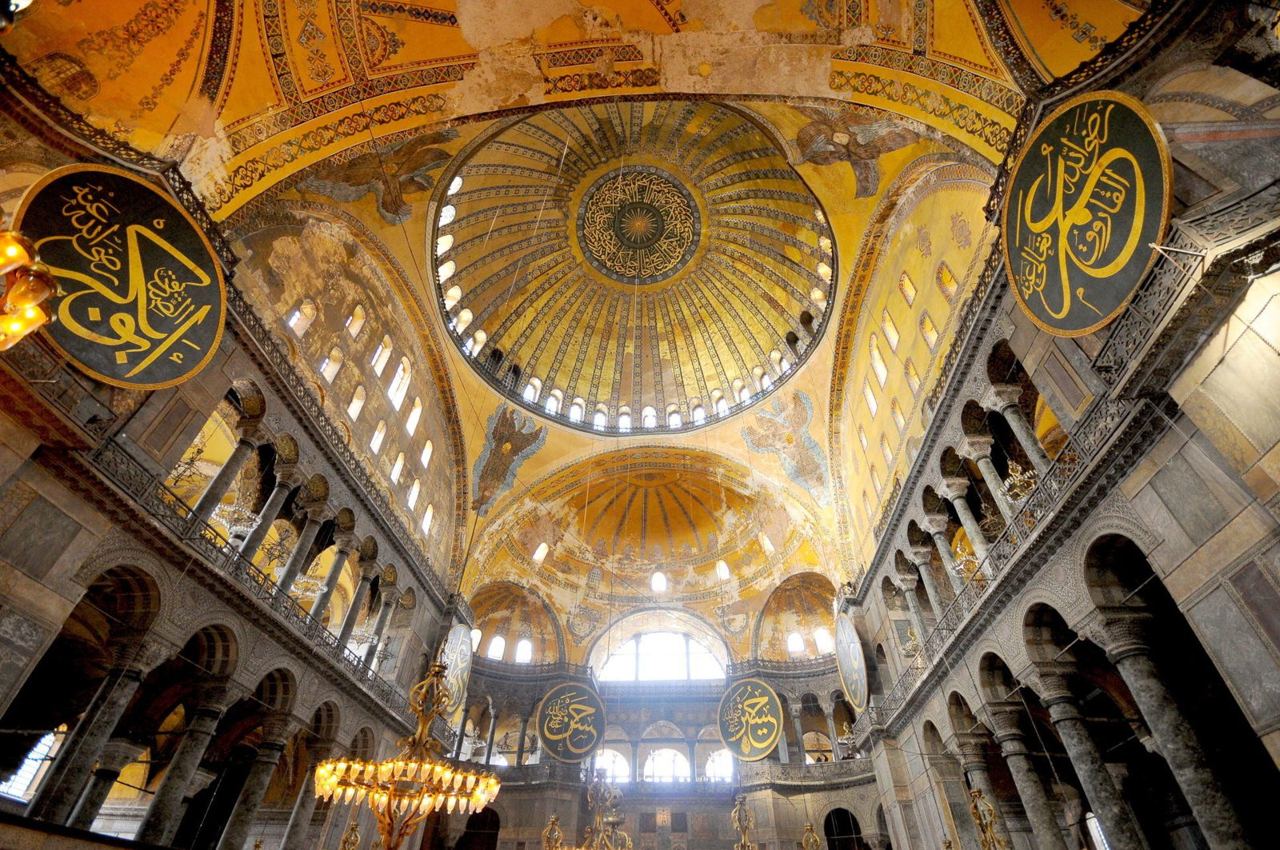
Justinian’s 537 cathedral, later a mosque, then a museum, and a working mosque again since 2020 — which is why your ticket buys the upper gallery and not the floor.
The scaffolding is off the Blue Mosque, the monuments are priced in euros, and the ticket at Hagia Sophia no longer gets you onto the floor. Here is the city as it actually is this year, on the tram line that strings it together.
12 places we would actually send someone to, across 5 categories. Photos are in the written guide below, and every photo is of that specific place.
Justinian’s 537 cathedral, later a mosque, then a museum, and a working mosque again since 2020 — which is why your ticket buys the upper gallery and not the floor.
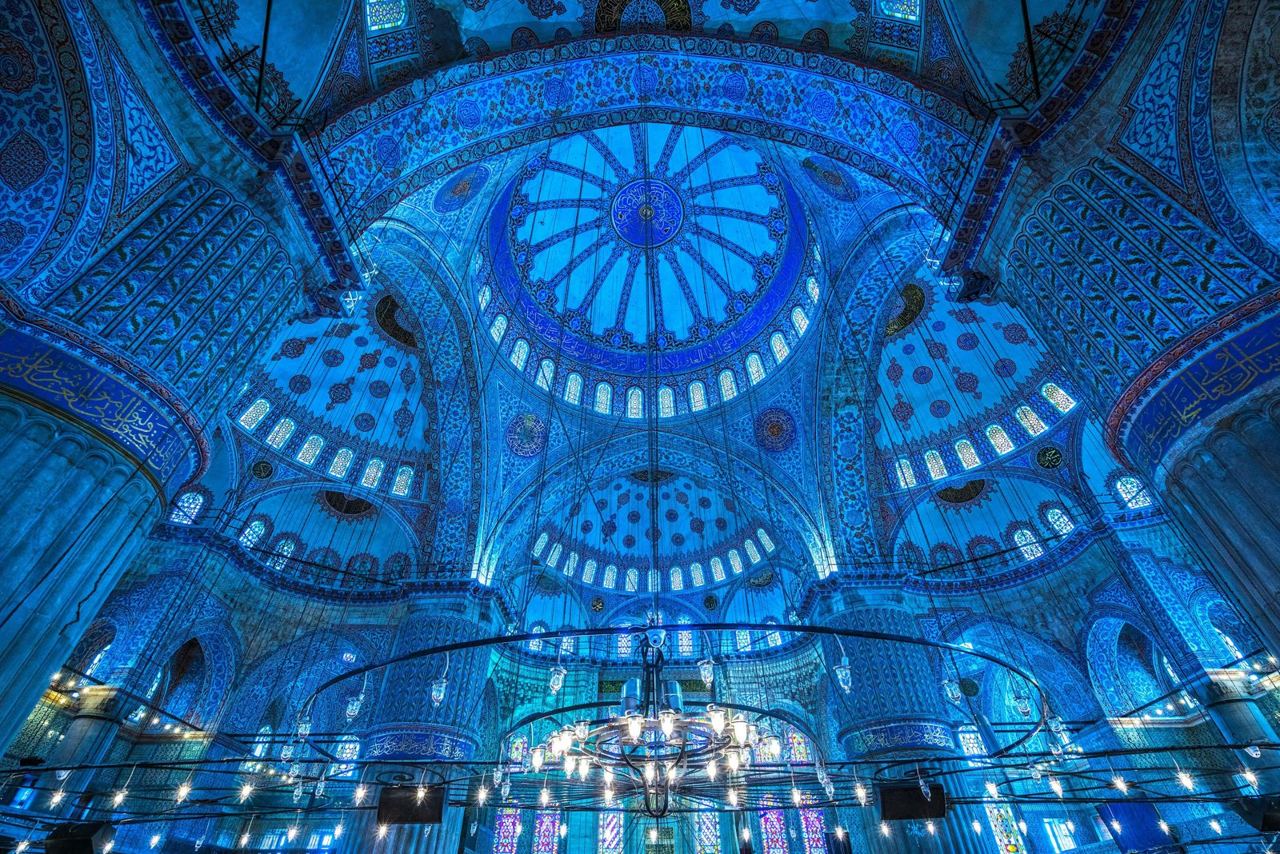
Sultanahmet Camii, six minarets and twenty thousand İznik tiles, out of scaffolding since February 2026 after six years of restoration. Free, as it has always been.
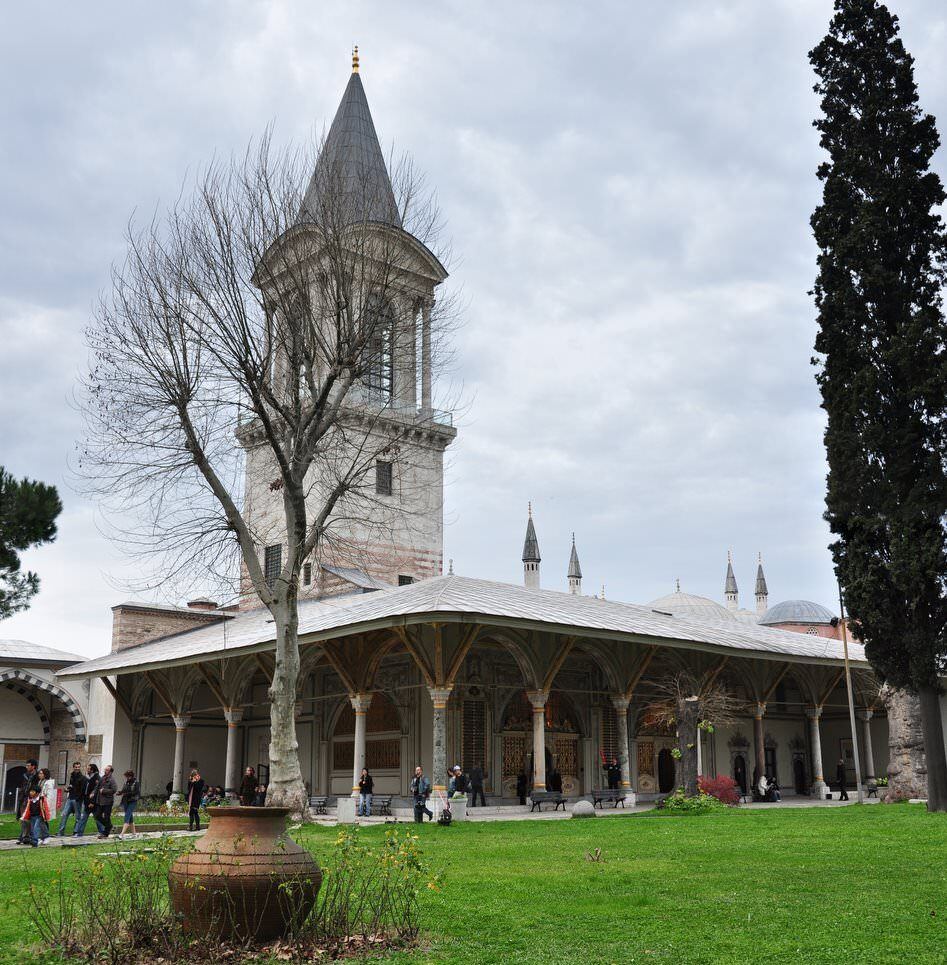
The Ottoman court from 1478 to 1856: four courtyards, the Treasury, the Sacred Relics and the Harem, all on one ticket now. Closed Tuesdays.
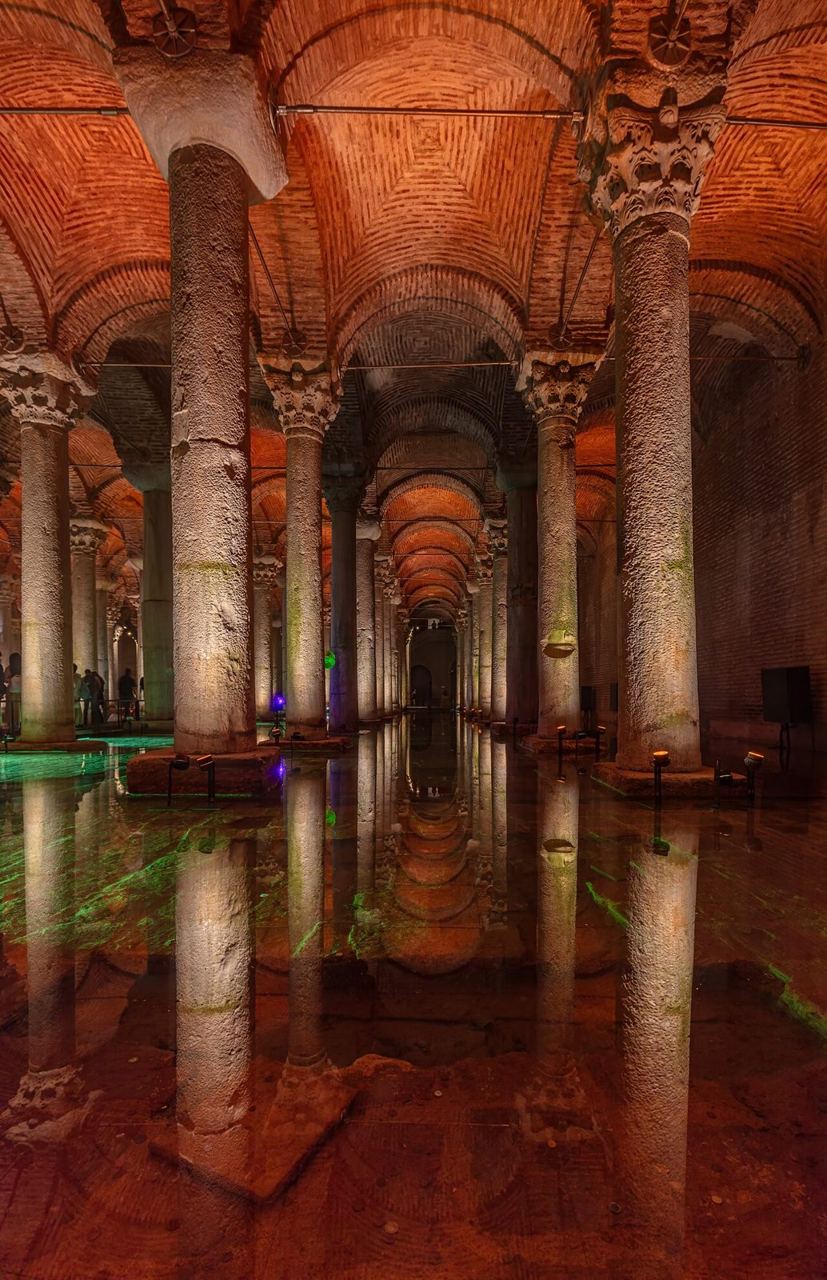
Three hundred and thirty-six columns holding up a sixth-century underground reservoir, with two Medusa heads used as plinths and an evening session after the day visitors leave.
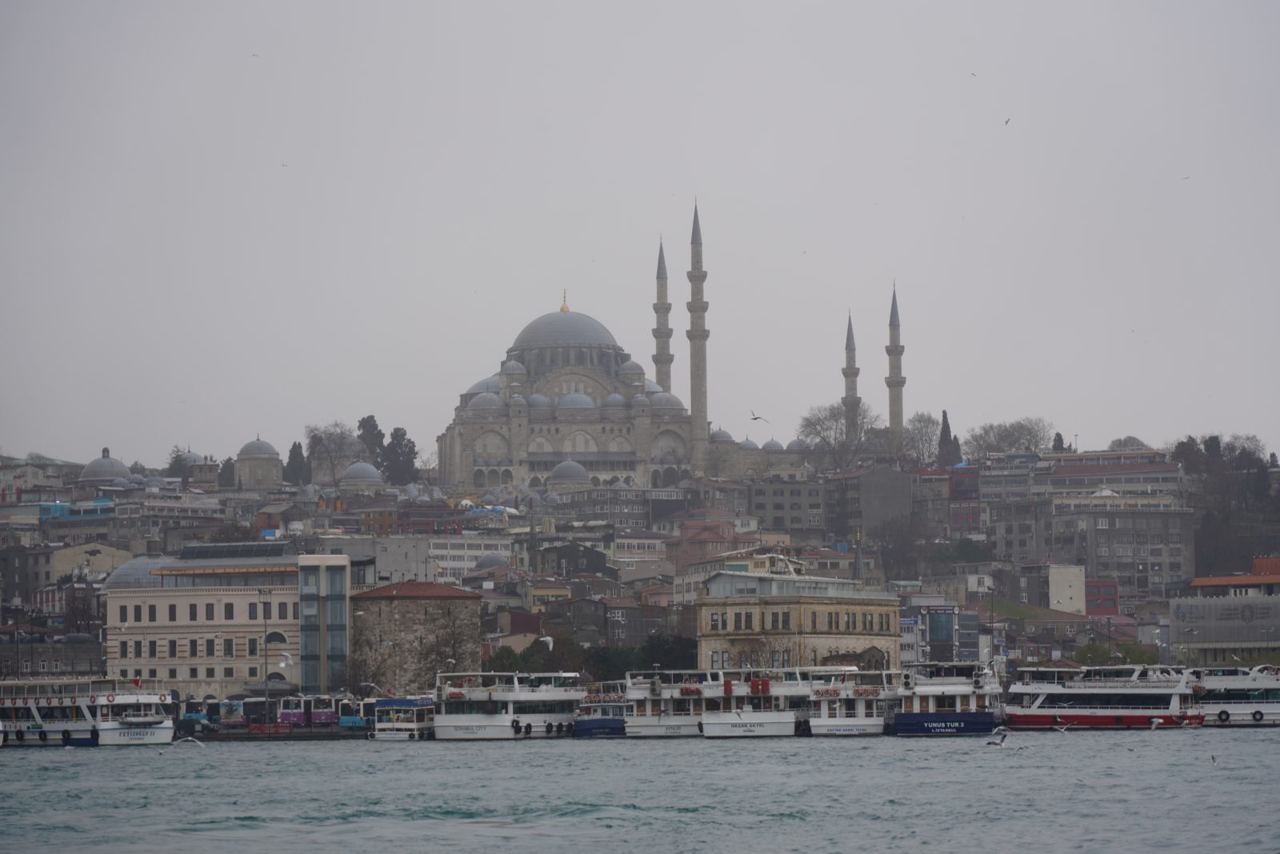
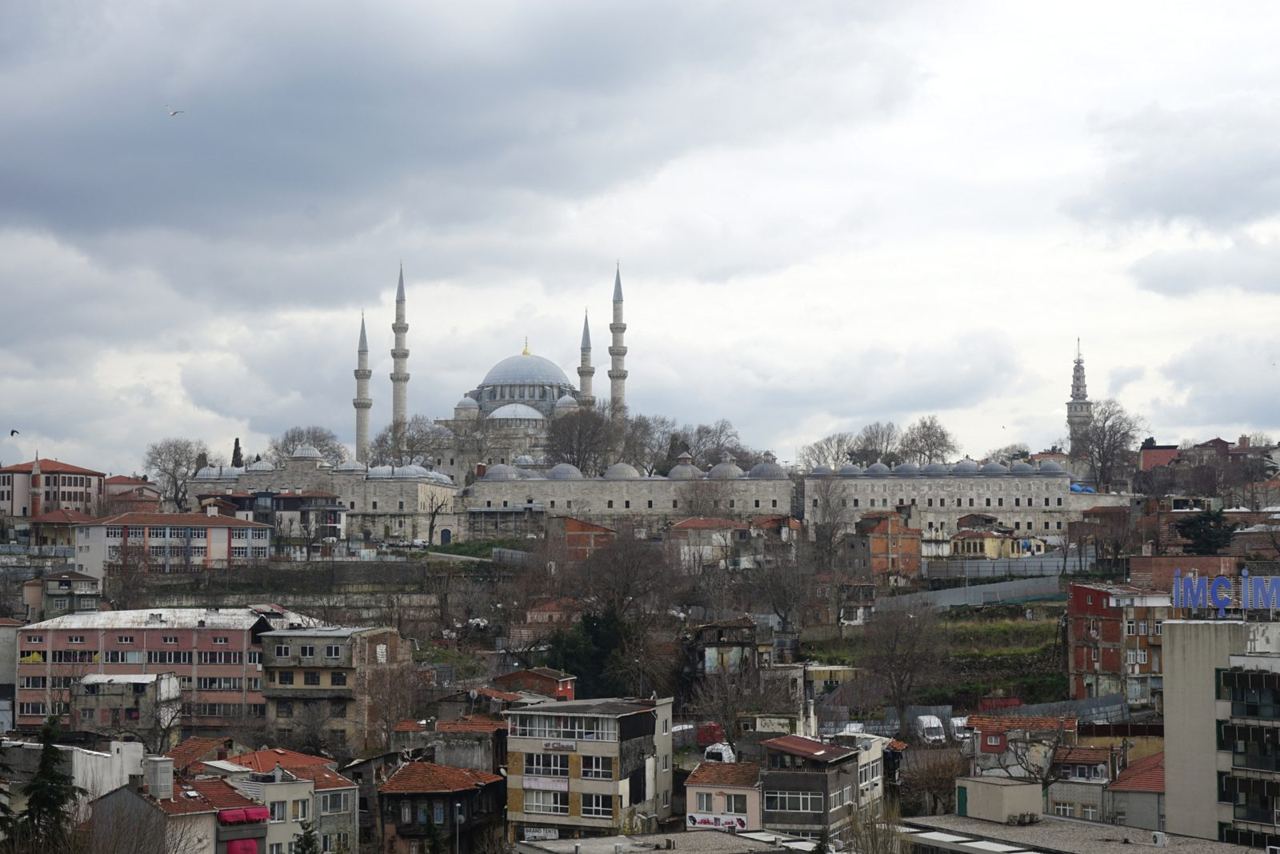
Sinan’s 1557 masterpiece on the third hill, with the tombs of Süleyman and Hürrem in the garden and a free terrace over the Golden Horn that nobody lines up for.
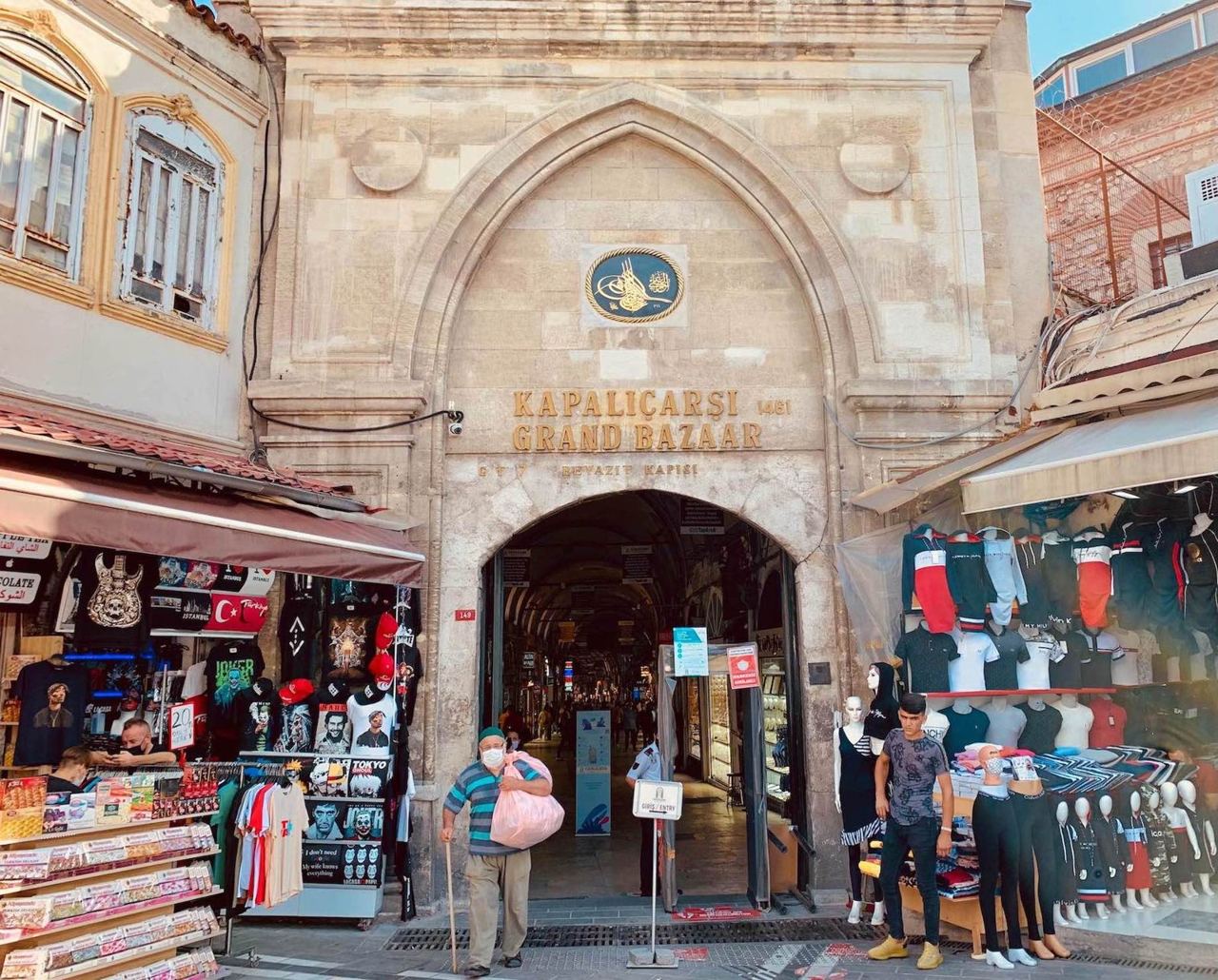
Sixty-one covered streets and four thousand shops, roofed since the fifteenth century. Closed on Sundays, which catches out more visitors than anything else in this guide.
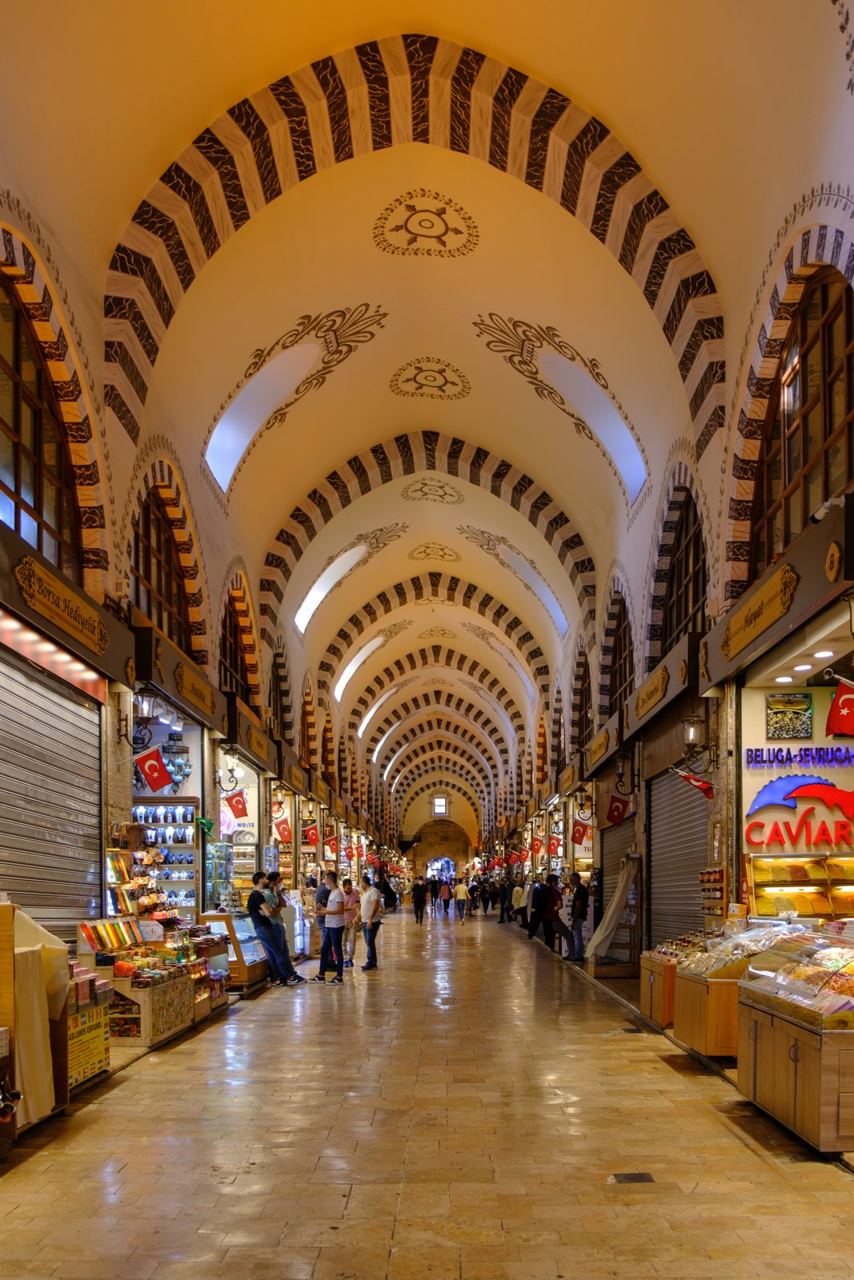
An L-shaped 1660s hall of spice, tea and lokum beside the New Mosque — and open on Sundays, when the Grand Bazaar is shut.
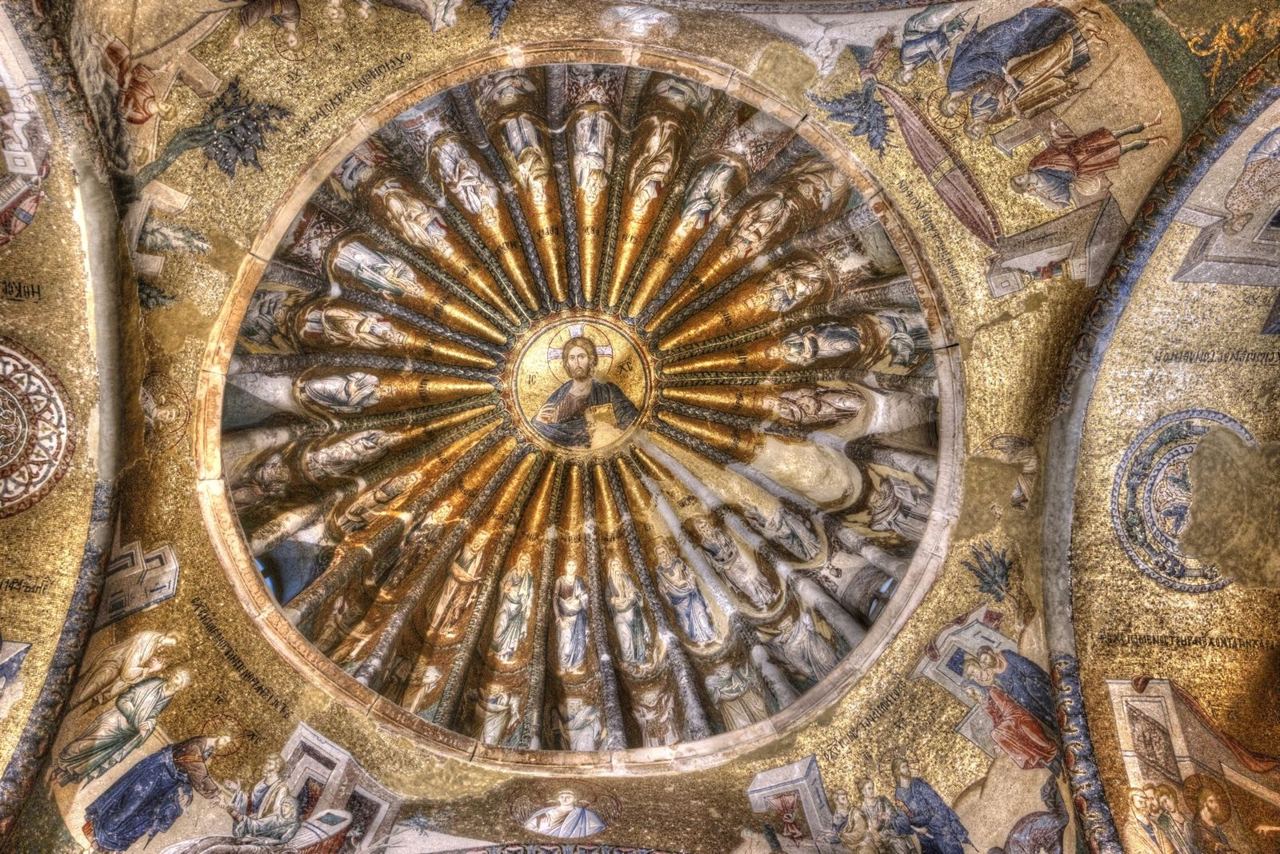
The finest Byzantine mosaics and frescoes anywhere, out at the land walls. Open, ticketed, closed on Fridays — and the mosaics in the prayer hall are behind curtains.
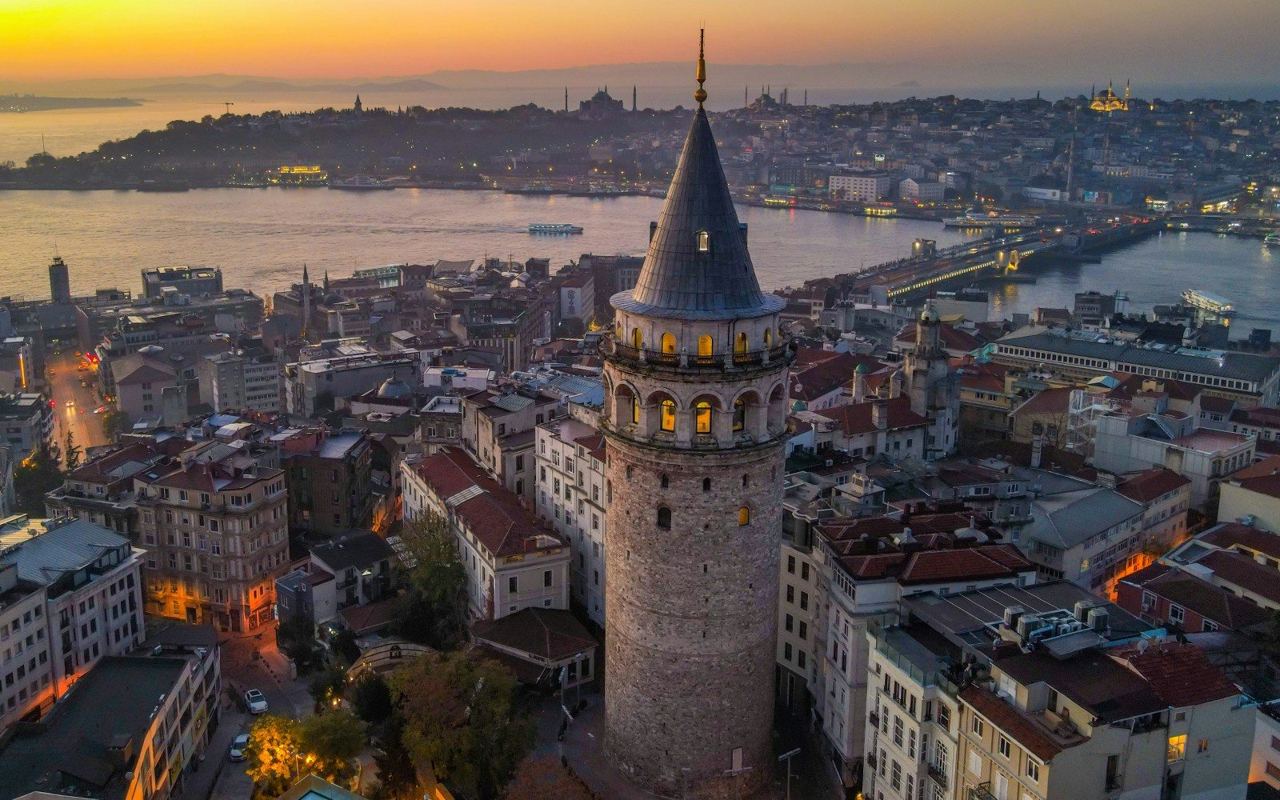
A 1348 Genoese watchtower with a 360-degree balcony, one small elevator, and a line that no ticket lets you skip.
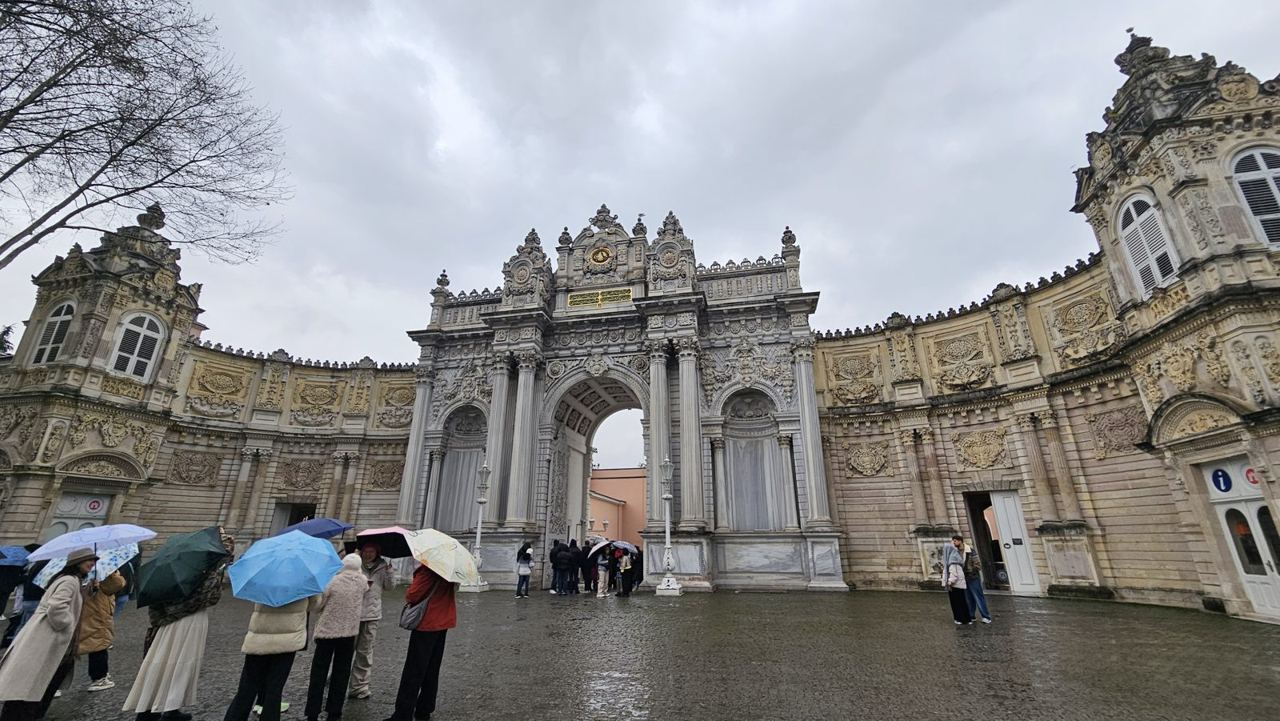
The 1856 palace that replaced Topkapı when the Ottomans decided to be European. Atatürk died here in 1938 and every clock still reads 9:05. Closed Mondays.
A working municipal boat between Europe and Asia with tea on the back deck — the same water and the same skyline as the tour boats, for about a dollar.
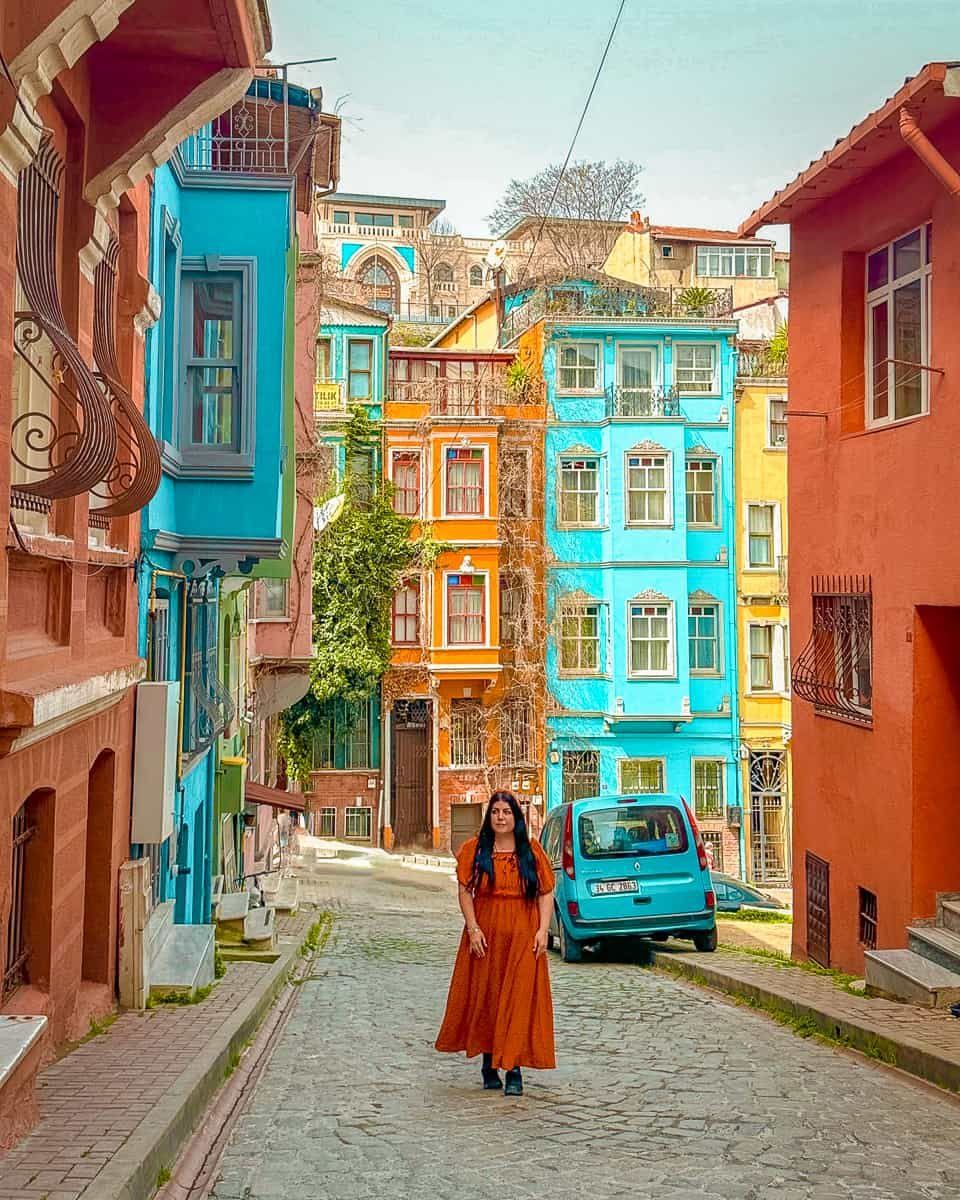
The old Greek and Jewish quarters on the Golden Horn: painted houses, a cast-iron church shipped from Vienna in pieces, and the seat of the Orthodox patriarch.
Istanbul is not a city you can read about in advance and trust. Between 2020 and this year the four things a visitor most wants to see all changed what they are, what they cost, and who is allowed where — and the travel writing has not caught up. If you arrive on the strength of an article from 2024 you will be wrong about the price of everything and wrong about two of the buildings.
So, plainly, what changed. The Blue Mosque came out of six years of scaffolding in February 2026, and the interior — which every guide of the last half-decade told you to skip — is one of the great rooms on earth again, and still free. Hagia Sophia went back to being a working mosque, so the floor is a prayer hall and your €25 buys the upper gallery looking down on it; there is no ticket that puts you on the marble. Chora, out at the land walls, is open and costs €20, and the mosaics in its prayer section are behind curtains — the great narthex cycles and the Anastasis fresco are still there, and almost no article mentions the curtains at all. And the state now prices its headline monuments in euros for foreign visitors, which means every lira figure you have read is a back-conversion of a dead number.
One more, because it costs people money: transport fares rose by around a fifth in February 2026 and again in June. Any fare printed before this year is wrong, usually by a lot.
Istanbul’s twelve stops break across five rail lines, not one, once you count the two this guide’s tram section leaves unnamed. Station names and lines below are Metro İstanbul’s own, read September 2026.
Chora is not on the T1 at all, and that trips people up because T1 has its own stop called Topkapı — a land-wall district and gate, not the palace. From that Topkapı stop, change to the T4 line, which the operator names Topkapı–Mescid-i Selam, and ride three stops to Edirnekapı, the station the Fatih district’s own page names as the nearest stop to the museum. Neither Metro İstanbul’s line page nor the Ministry of Culture’s own Kariye page states an exit letter or a walk time from Edirnekapı, so budget a few minutes and follow signs rather than trusting a number nobody has published.
Balat and Fener are on a line of their own too: the T5, which the operator runs from Eminönü along the Golden Horn to Alibeyköy, and its own station list gives Fener and then Balat as consecutive stops — so the walk through the painted houses can be ridden in from either end rather than reached only on foot or by bus, as older write-ups have it.
Two more lines shorten specific walks. The M2 crosses the T1 corridor at Vezneciler-İstanbul Ü., a short walk from Süleymaniye Mosque, and again at Şişhane, which Galata Tower’s own site names as the fastest way up — two minutes downhill, against eight to ten climbing from the T1’s Karaköy stop. And the hill itself has two dedicated climbs: the F1 funicular from Kabataş to Taksim, and the Tünel from Karaköy up to Beyoğlu, which Galata Tower’s site gives as a five-minute walk from the top of either.
The T1 runs from Kabataş on the water up through the old city to Bağcılar, every two minutes at peak, from six in the morning until midnight. Look at what is on it: Kabataş for the ferries and Dolmabahçe, Karaköy at the foot of the Galata hill, Eminönü for the Spice Bazaar and the boats, Sirkeci, Gülhane for Topkapı’s side gate, Sultanahmet for the obvious three, and Beyazıt-Kapalıçarşı for the Grand Bazaar — the station is named for it. That is this entire guide except Chora and Balat, on one line, for about a dollar a ride.
So do not plan Istanbul as a list of sights. Plan it as two or three passes along that line, and let the tram decide the order. Start at the eastern end early, walk downhill through the old city, and finish where the boats are. The steep bits are the two Galata climbs, and both have a funicular: the F1 from Kabataş up to Taksim in two and a half minutes, and the Tünel from Karaköy up to Beyoğlu, which opened in 1875 and is the second-oldest underground railway in the world after the London Underground. It exists because the hill defeated people a hundred and fifty years ago. It will defeat you too; take it.
Buy an Istanbulkart from a machine at the airport or any station. A single ride on an anonymous card is about ₺46, transfers within two hours are discounted, and one card can be tapped for several people — with two catches worth knowing: each extra tap pays the full fare rather than the transfer rate, and it does not work on the lines where you tap out as well as in, which includes the airport metro and Marmaray.
On the quay at Eminönü, men with laminated boards will sell you a ninety-minute Bosphorus cruise for €15 to €30. Two hundred meters away, the municipal ferries cross the same water all day for about a dollar twenty, and the city’s own six-hour tour up to the top of the strait and back costs ₺640 — less than half what the touts want for a fraction of the distance.
The honest recommendation is neither. Chain three commuter crossings — Eminönü to Üsküdar, Üsküdar to Beşiktaş, Beşiktaş to Kadıköy — for something like ₺158 all in, and you have assembled a better Bosphorus tour than the one being sold to you: the same palaces from the water, a glass of tea on the back deck, gulls following the boat for bread, and at the end of it you are standing in Kadıköy rather than back where you started. Take the official long tour only if you specifically want the northern Bosphorus and can give it a whole day.
And if someone tells you the Princes’ Islands are an easy afternoon, they are not: it is ninety minutes each way from Kabataş, and on a trip of three days or fewer it costs you more than it gives back.
This is the single most useful paragraph in the guide, so here it is as a rule: never plan Topkapı on a Tuesday, Dolmabahçe on a Monday, the Grand Bazaar on a Sunday, or Chora on a Friday. Each of those is closed on that day, and people fly in for three days and lose one of them to it.
Friday needs more than a rule, because it reshapes the whole day. The mosques belong to the congregation at midday: Hagia Sophia’s visiting gallery shuts from noon until two, the Blue Mosque takes visitors again only from about half past two, Süleymaniye likewise, and Chora is closed outright. That is not a disaster, it is a different itinerary — spend Friday morning on the bazaars, on a boat, or in Balat, and go to the mosques in the afternoon when the city has finished praying in them.
Every working mosque also stops admitting visitors fifteen minutes before each of the five daily prayers, and you cannot stay inside during one. In practice that is a half-hour hole four or five times a day, and the good news is that it is entirely predictable: check the day’s prayer times once over breakfast and you will never be turned away at a door.
The Museum Pass costs €105 and runs five consecutive days from the first time you scan it. It covers Topkapı — including the Harem and Hagia Irene, which are all one ticket now, whatever older articles say — plus Galata Tower, the Archaeological Museums and ten other sites.
It does not cover Hagia Sophia, the Basilica Cistern, Chora or Dolmabahçe. That is the whole decision, because those are precisely the things a first-time three-day visitor came for. Add it up: Topkapı, Hagia Sophia, the Cistern and the free Blue Mosque cost about €118 bought individually, and about €168 if you buy the pass and then pay separately for the two it excludes. The pass loses you €50.
It turns into a good deal at four or five days with a real museum appetite, and it has one unpriced benefit worth naming: Topkapı sells no tickets online at all, so the pass is the only way to walk past that line.
Sultanahmet puts Hagia Sophia, the Blue Mosque, Topkapı and the Cistern within ten minutes on foot, and that matters more than it sounds: being at a mosque door at half past eight, before the tour buses, is the single biggest upgrade available to a visitor here, and only proximity delivers it. What you give up is dinner. It is the highest concentration of tourist-priced restaurants in the city, and after dark it is a monument district rather than a neighborhood.
Beyoğlu and Galata reverse that trade exactly: the best everyday eating and the deepest coffee culture in the city, a ferry at the bottom of the hill that puts you in Asia in twenty minutes, and İstiklal roaring until very late outside your window. The hills there are not a figure of speech — the funicular exists because of them.
And Kadıköy, across the water, is the best value and the most convincing daily life: market streets, tea gardens, the Moda seafront, and a twenty-minute commute by boat that costs about a dollar twenty and is a better start to a morning than any metro anywhere. The cost is honest — a return trip to Sultanahmet takes an hour or more out of every day, so it suits a longer stay and not a three-day sprint.
The pattern of eating here is a full breakfast, very little lunch, and dinner late. Lean into it. A serpme kahvaltı — the spread-out breakfast, fifteen to twenty-five small plates arriving at once, cheeses, olives, honey with clotted cream, eggs, endless tea — is a two-hour institution rather than a meal, and about ₺500 a head at somewhere like Van Kahvaltı Evi in Cihangir. Do it once and you will not need lunch.
Then eat on your feet: a simit from a cart for the price of nothing, a balık ekmek — grilled mackerel in half a loaf with raw onion and lemon — from the boats at Eminönü, a lahmacun rolled around parsley in Kadıköy, künefe pulled hot and stringy out of the syrup for pudding. Turkish coffee at Mandabatmaz off İstiklal, open since 1967, whose name boasts that the foam is thick enough to hold a water buffalo.
And çay, all day, everywhere, in the little tulip glasses — in a nargile courtyard, on the ferry, handed through a shop door while you are still deciding. Twenty to forty lira, refilled until you stop them, and never, ever with milk.
Three full days covers these twelve stops if you group them by tram stop: the Sultanahmet monuments on one day, the bazaars and a ferry on another, and Chora with Balat on a third. A fourth day makes the Museum Pass worth buying and lets you cross to Kadıköy properly.
Best: mid-April to the end of May, and mid-September to early November — daily highs in the high teens to mid-twenties and the driest stretch of the year. Avoid late July and August: the Turkish State Meteorological Service puts the July and August mean daily maximum at 85°F (29.7°C), and nearly every line in this guide is outdoors in direct sun, with hotel rates 30 to 50 percent above average. December to February is not dangerously cold but it is the wettest stretch, December averaging 99mm.
Topkapı Palace closes on Tuesdays, Dolmabahçe Palace on Mondays, the Grand Bazaar on Sundays, and Chora to visitors all day Friday. On Fridays the mosques take visitors again only in the afternoon — Hagia Sophia’s gallery shuts from noon to two, the Blue Mosque and Süleymaniye reopen around half past two.
Not for a typical three-day first visit. It costs €105 and excludes Hagia Sophia, the Basilica Cistern, Chora and Dolmabahçe — so the usual short-stay list costs about €118 individually versus about €168 with the pass. It pays off at four or five days with a real museum appetite, and it is the only way to skip the Topkapı ticket line, since Topkapı sells nothing online.
Yes, free, and it is worth it again: the six-year restoration finished in February 2026 and the scaffolding that made every recent guide tell you to skip the interior is gone. Visitors are admitted in sessions between prayers rather than continuously, and only from about half past two on Fridays. Free scarves and coverings are handed out at the door. No entry ticket exists — any site selling one is a fraud.
The upper gallery, for €25, reached by the stone ramp — plus the mosaics, the Ottoman annexes and an audio guide by QR code. It does not get you onto the main floor, which is the prayer hall and is free for worshippers. Hagia Sophia has not been on the Museum Pass since 2020. Beware the separate “Hagia Sophia History and Experience Museum” nearby, which is a different €25 multimedia attraction and not the building.
From Istanbul Airport, the M11 metro to Gayrettepe then the M2 reaches Taksim in about 50 to 55 minutes, or the Havaiş bus runs to Taksim for around ₺470. From Sabiha Gökçen, the best-value route in the city is barely written about: M4 to Ayrılık Çeşmesi, Marmaray under the strait to Sirkeci, then two stops on the T1 — 90 to 100 minutes for about ₺101. Taxis from either airport run ₺2,000 to ₺2,500 plus tolls.
Not from the men on the quay, who charge two to four times the official price for a fraction of the distance. The city’s own six-hour tour leaves Eminönü at 10:35 for about ₺640. Better still, chain three commuter ferries — Eminönü to Üsküdar to Beşiktaş to Kadıköy — for roughly ₺158 total on an Istanbulkart, which is the same water, the same skyline and a glass of tea.
Shoulders and knees covered for everyone — men in shorts above the knee are turned away, which surprises people — and hair covered for women. No head covering is required for men. Shoes come off at the carpet and free plastic bags are provided; carry them rather than leaving them on the shelves. The Blue Mosque hands out scarves and coverings free at the door; bring your own for the others rather than counting on it.
Travelers who don't mind heat and don't mind planning around it: the Turkish State Meteorological Service puts the July and August mean daily maximum at 85°F (29.7°C), and nearly every line in this guide is outdoors in direct sun. It suits people happy to let one tram line set the plan, since the T1 strings almost every stop in this guide together for about a dollar a ride. And it rewards an appetite for both food and history in the same day — a two-hour spread-out breakfast, tea everywhere, and mosques, palaces and mosaics that have changed hands and prices within the last two years.
Tell PoppaTrip your travel style in the wizard and we'll build a day-by-day itinerary with hotels, routing, and booking links. Answering the wizard and previewing your destination is free; building and unlocking your complete trip is a one-time $9.99.
Yes — every photo is a real photo of that specific place, never a stock image.
Istanbul rewards planning by tram stop and by day of the week — the right order keeps you ahead of the tour buses and away from the four closing days that ruin most short trips.
Prices/photos from our trip-planning engine.
In ten cities around the world you can pay less than a hostel bed and be handed pajamas at the door. You sit in hot water at three in the morning and sleep until the trains start again. Almost no travel guide mentions it.
Read the article →A 100°F (38°C) day now reaches Rome and Athens as readily as Dubai. Here is where it is routine, where it is an event, and how to rebuild a day that hits it.
Read the article →The same $50 is more than enough in Hanoi and doesn’t cover a day in New York. Here is what $50, $100 and $200 a day actually buys in twelve cities: meals, local transit, one attraction entry and a coffee. The hotel and flights are counted separately.
Read the article →Seasons are too blunt to book with. Here is the week to buy and the week that quietly costs double in ten cities: the value windows, the trap weeks that look like shoulder season, and the 2027 holiday dates that move them.
Read the article →