A city at 7,350 feet with murals inside a palace, pyramids under a park, and one museum that will not sell you a ticket at the door. Here is the order that actually works, and the handful of things worth knowing before you land.
16 curated places9 min readUpdated 2026-08-26
Everything worth your time in Mexico City, Mexico
16 places we would actually send someone to, across 4 categories. Every photo is of that specific place.
historic
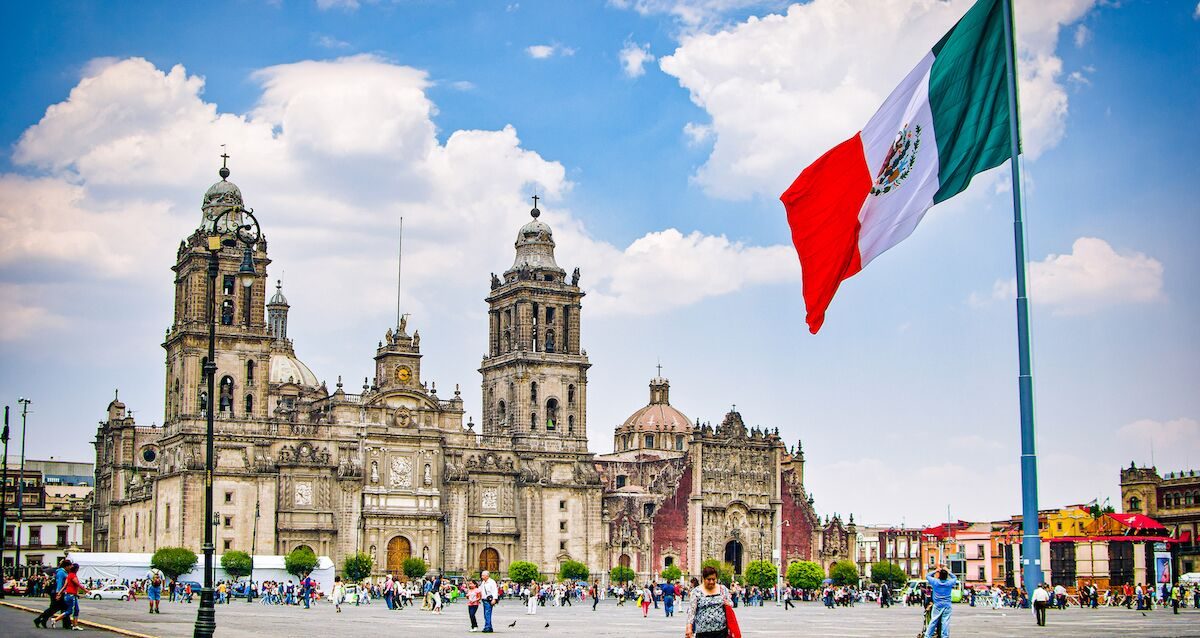
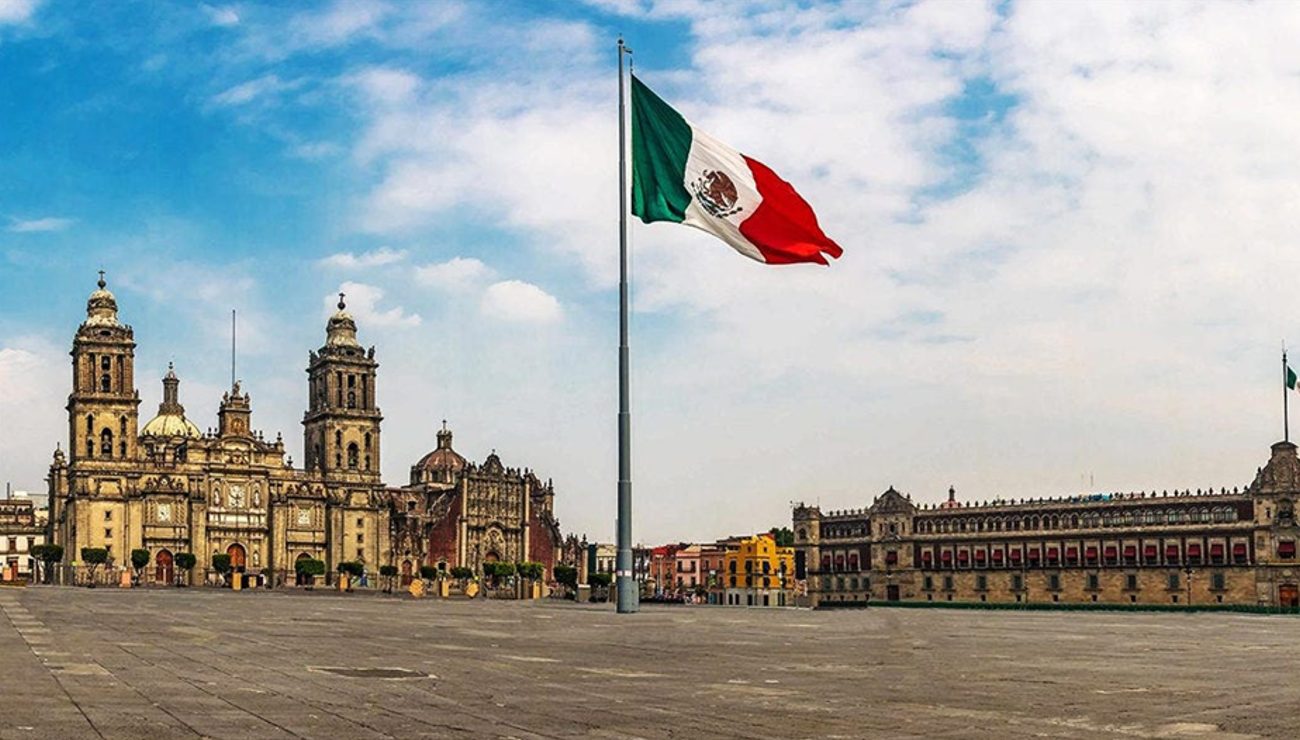
Zócalo (Plaza de la Constitución)
The ceremonial heart of the Aztec empire and of colonial Mexico both — a square wide enough to hold the ruins of one city under the cathedral of the next. Free, always open, and the anchor for day one.
historic
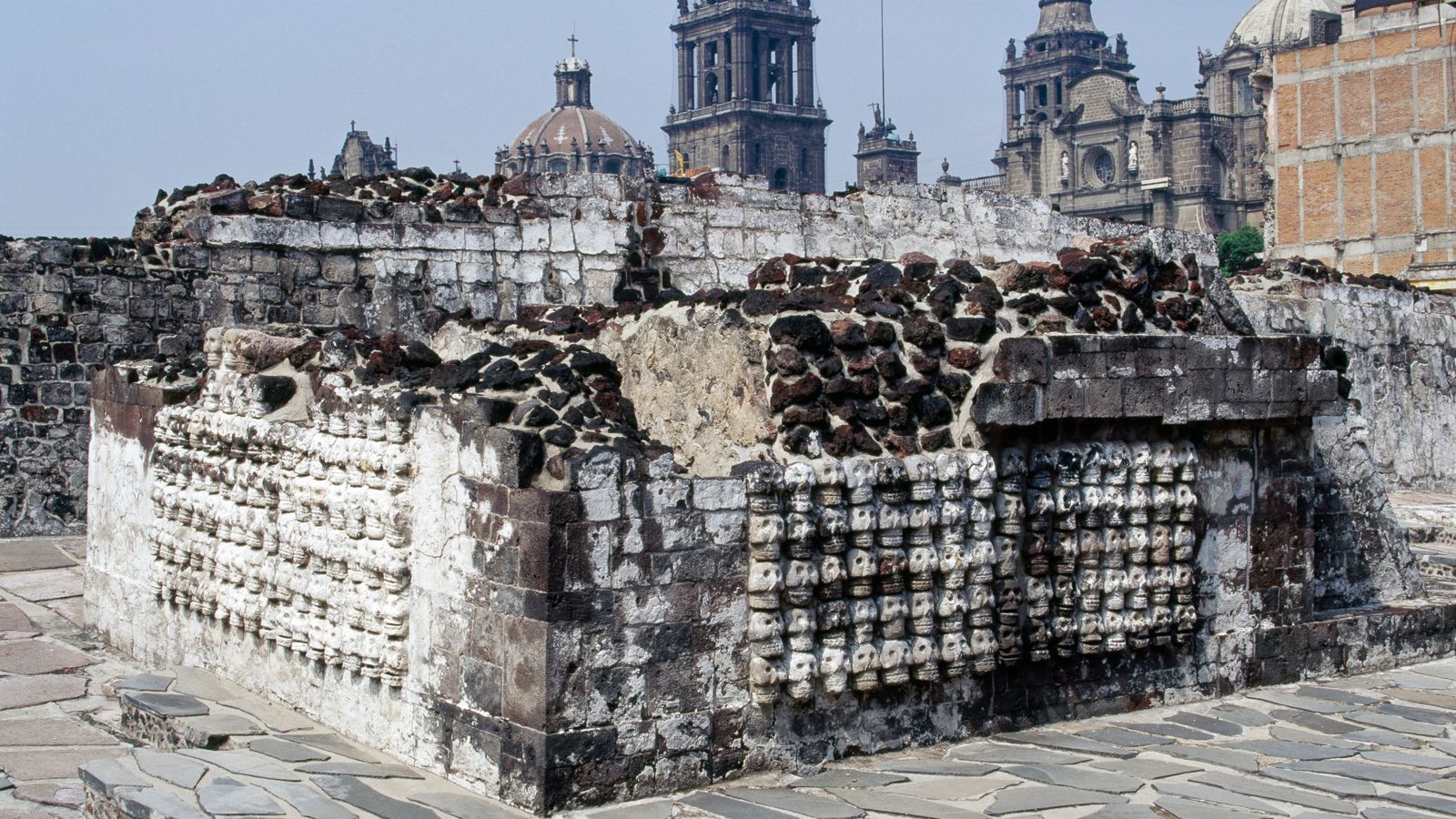
Templo Mayor
The excavated stone heart of Tenochtitlan, unearthed beside the cathedral built to replace it. About $6, closed Mondays.
historic
Metropolitan Cathedral
Four centuries of construction on a lakebed that keeps sinking under it — the visible tilt is real subsidence, not an illusion. Free to enter the nave; confirm current hours locally.
cultural
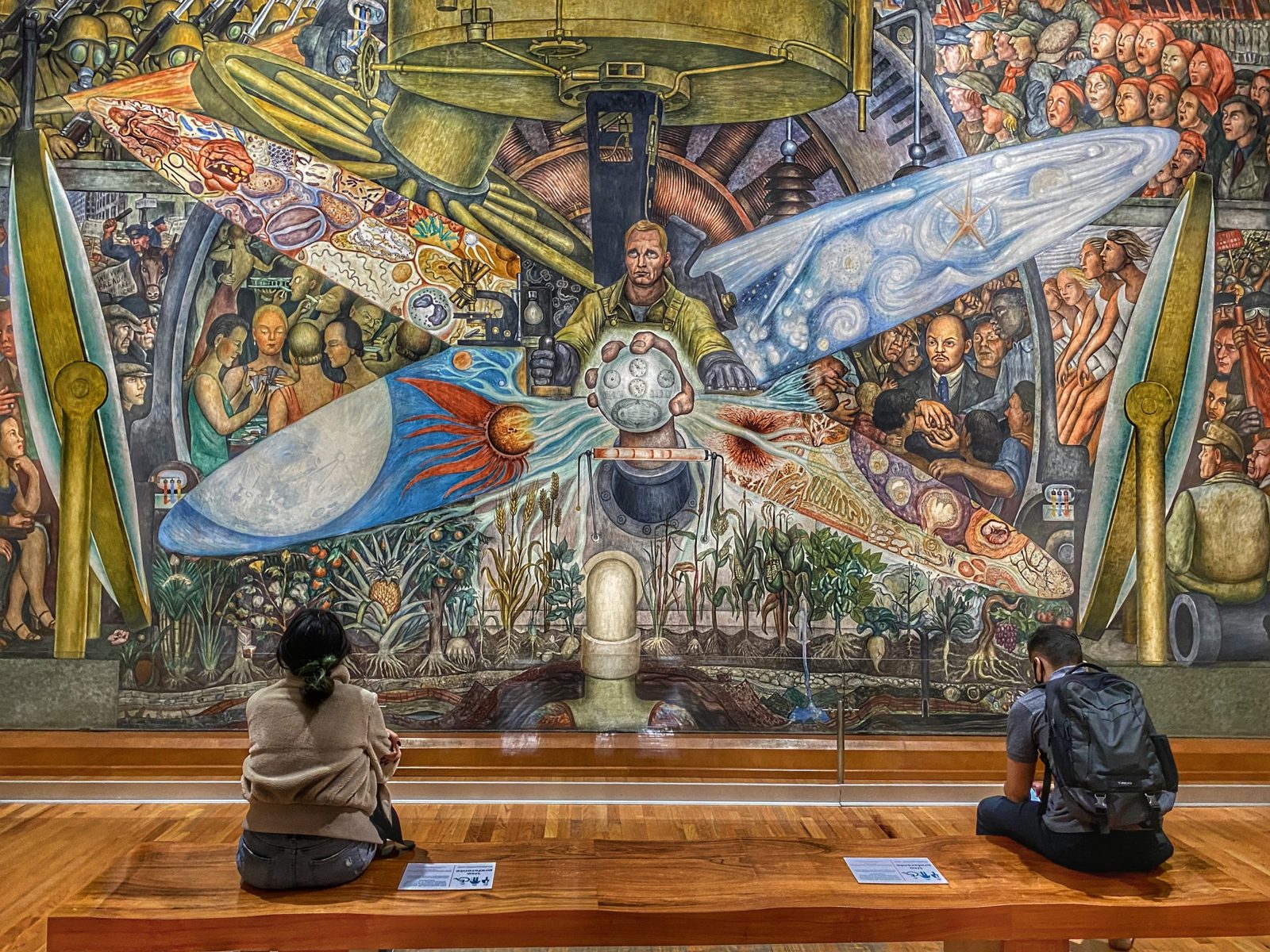
Palacio de Bellas Artes
Diego Rivera, Orozco and Siqueiros murals on the upper floors of an Art Nouveau and Art Deco palace. About $4, closed Mondays; free on Sundays for Mexican citizens and residents only, not for foreign visitors.
historic
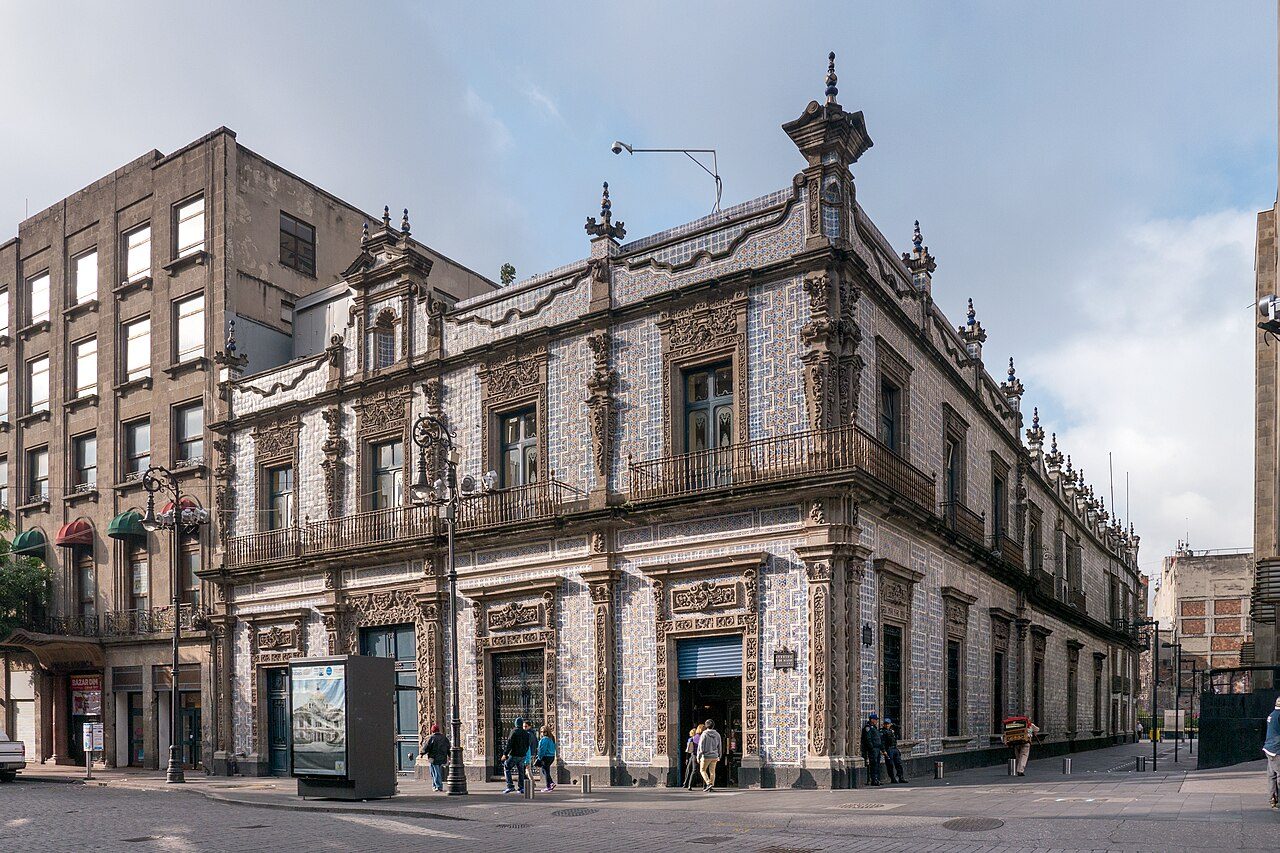
Casa de los Azulejos
A colonial façade wrapped floor to roof in blue-and-white tile, now a working restaurant you can still step inside. Free to view, a five-minute stop between the Zócalo and Bellas Artes.
historic
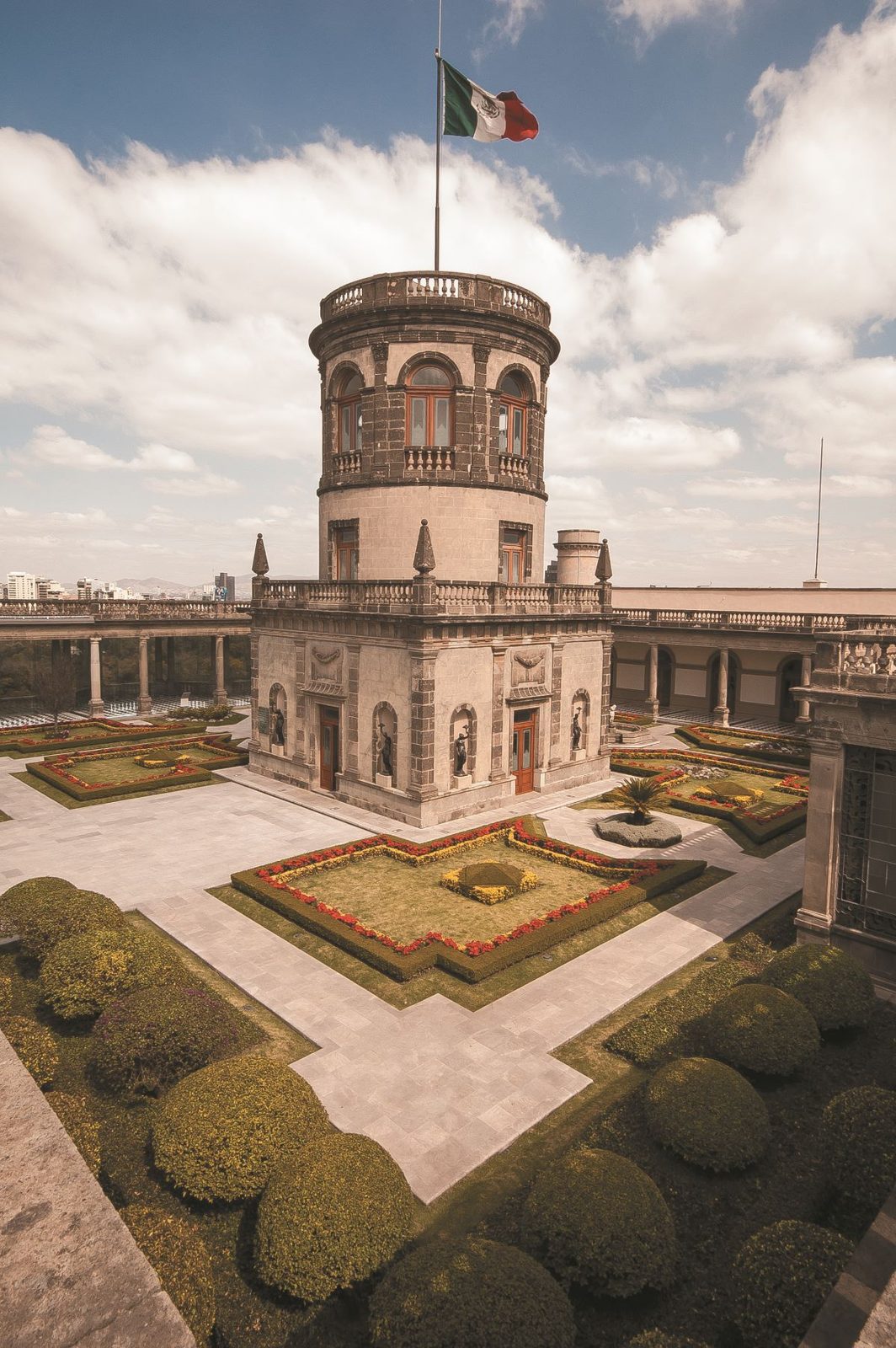
Chapultepec Castle
The only royal castle ever built in North America, with the city spread out below it. About $12 for foreign visitors, closed Mondays; free on Sundays for Mexican citizens and residents only — foreign visitors still pay.
cultural
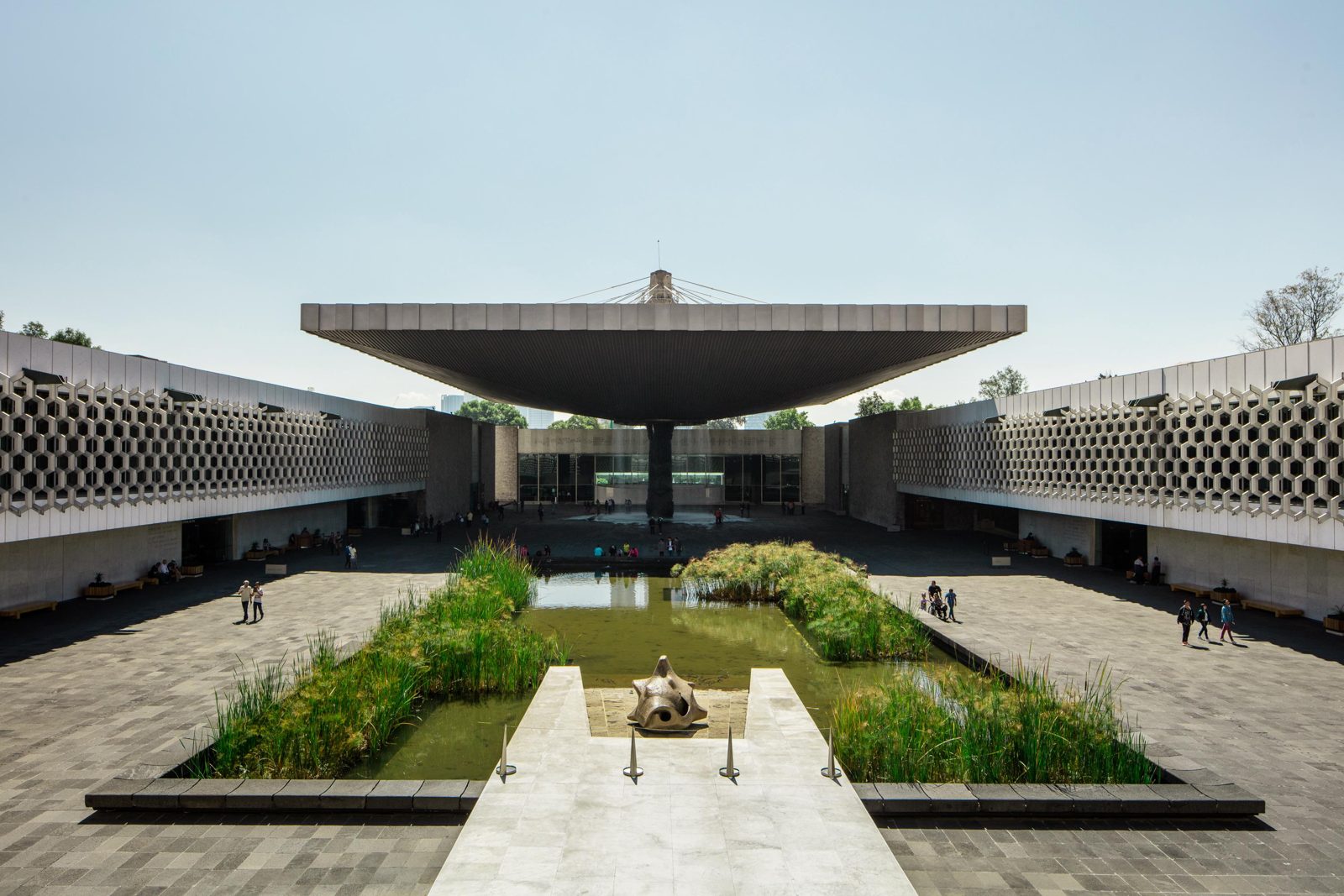
Museo Nacional de Antropología
The Aztec Sun Stone and full rooms of Maya, Zapotec and Olmec work under one roof — this is a half-day commitment, not a stop. About $5-6, closed Mondays.
scenic
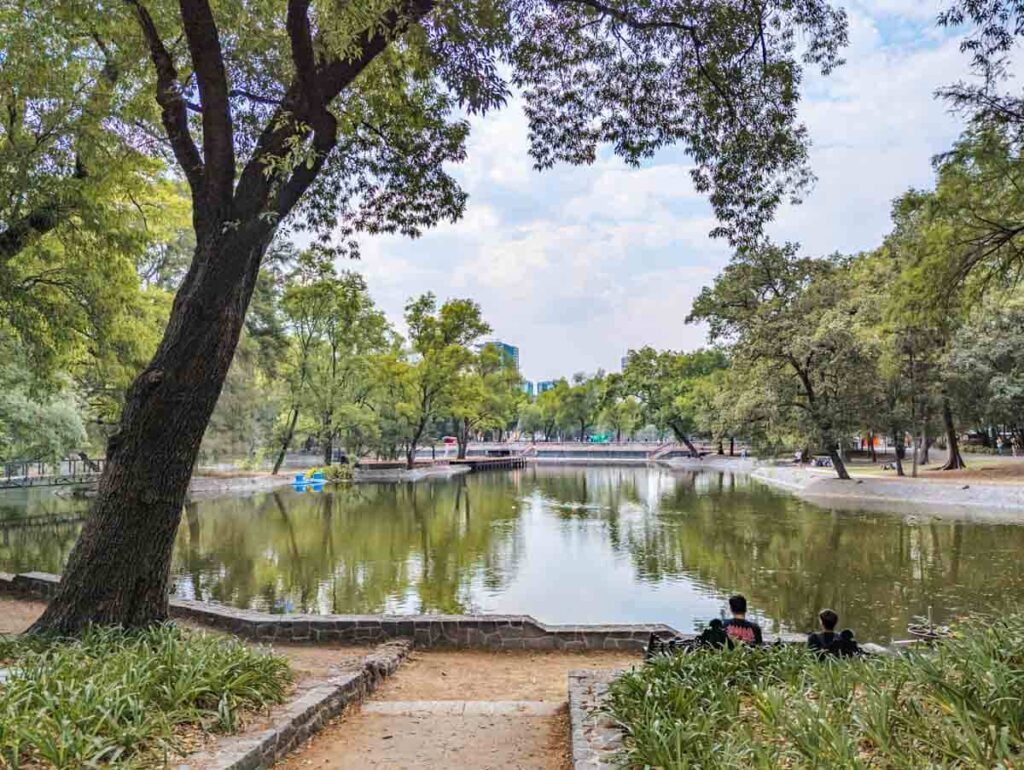
Bosque de Chapultepec
Latin America’s largest urban park, with a lake and enough walking paths to link the castle to the museum without a taxi. Free, open daily.
cultural
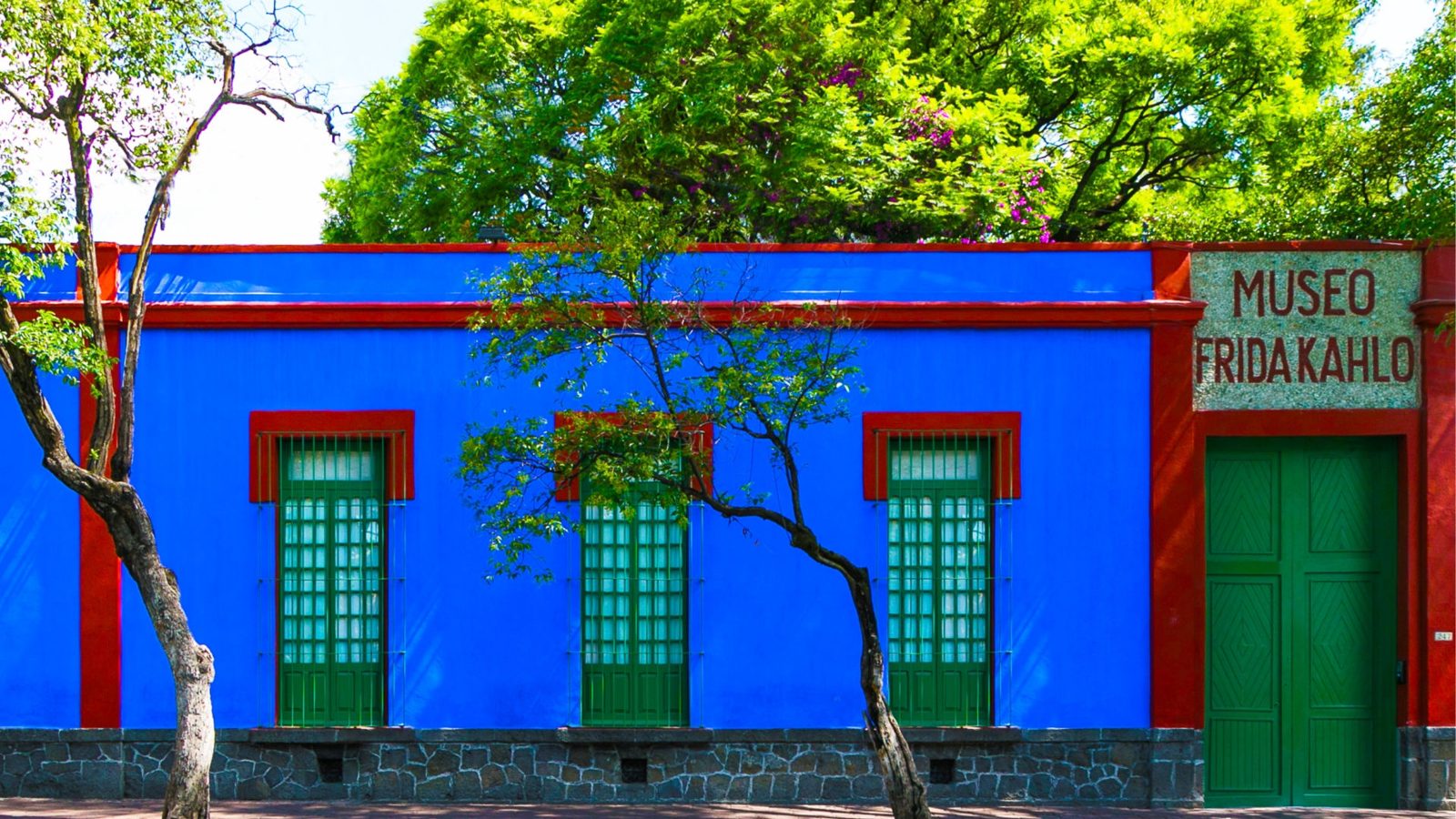
Museo Frida Kahlo (La Casa Azul)
Book online weeks ahead — there is no walk-up ticket window anymore, and that one fact decides whether the visit happens at all. About $19, closed Mondays.
cultural
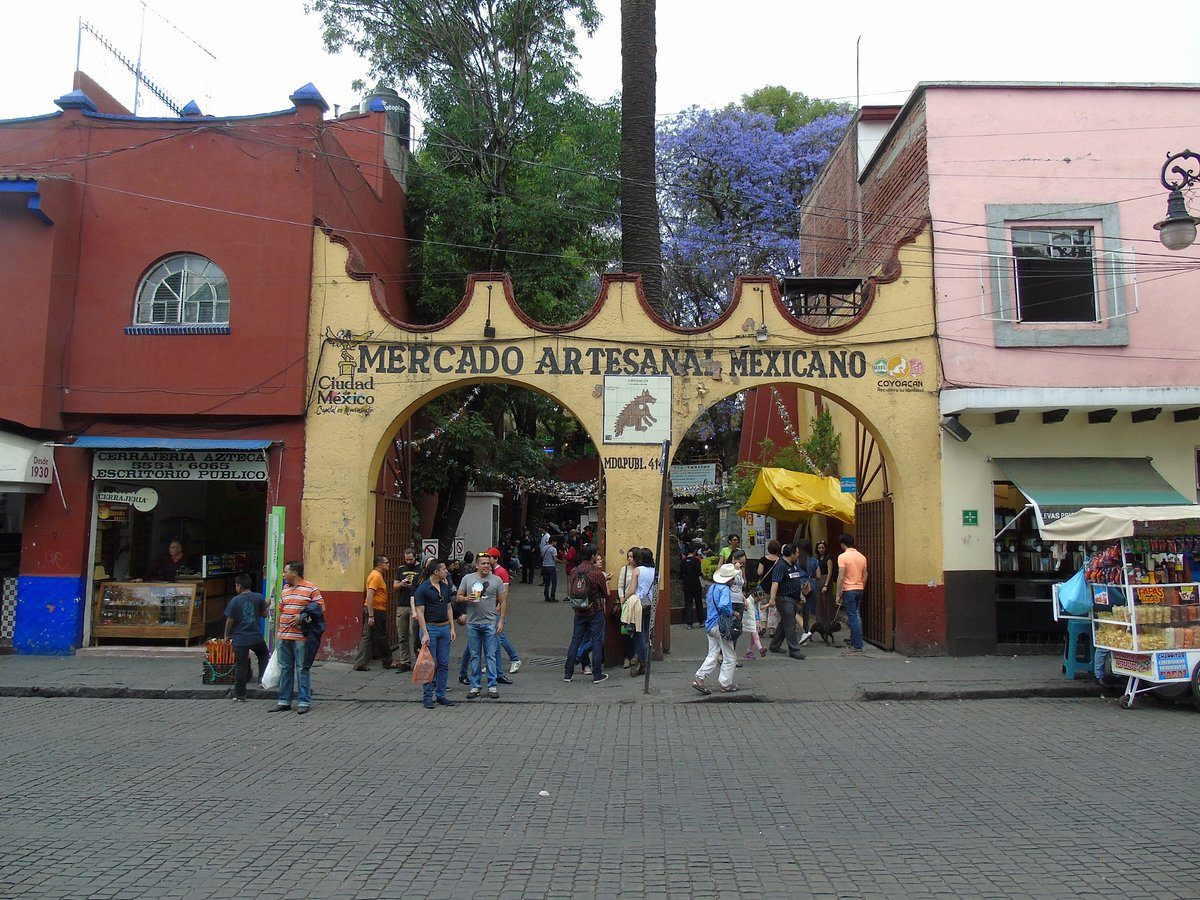
Coyoacán historic center and market
The arched gate into the Mercado Artesanal Mexicano, one of several markets around the historic center — the separate Coyoacán food market nearby is the one for tostadas, huaraches and fresh fruit. Cobblestone plazas and the Casa de Cortés are steps away.
cultural
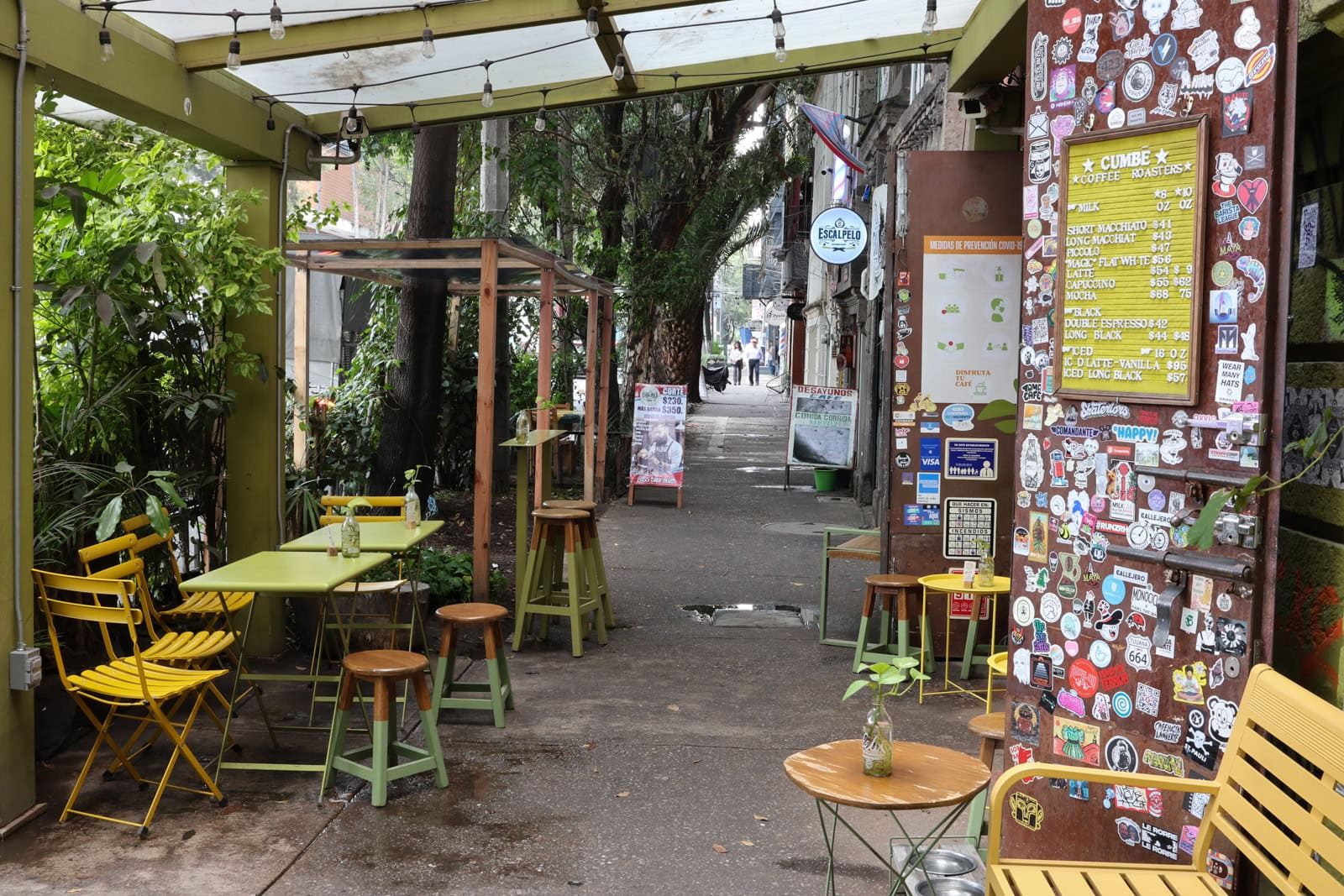
Roma Norte
Tree-lined Porfirian-era streets, independent cafés and weekend markets — consistently rated the safest, most walkable neighborhood to just wander. Free.
food
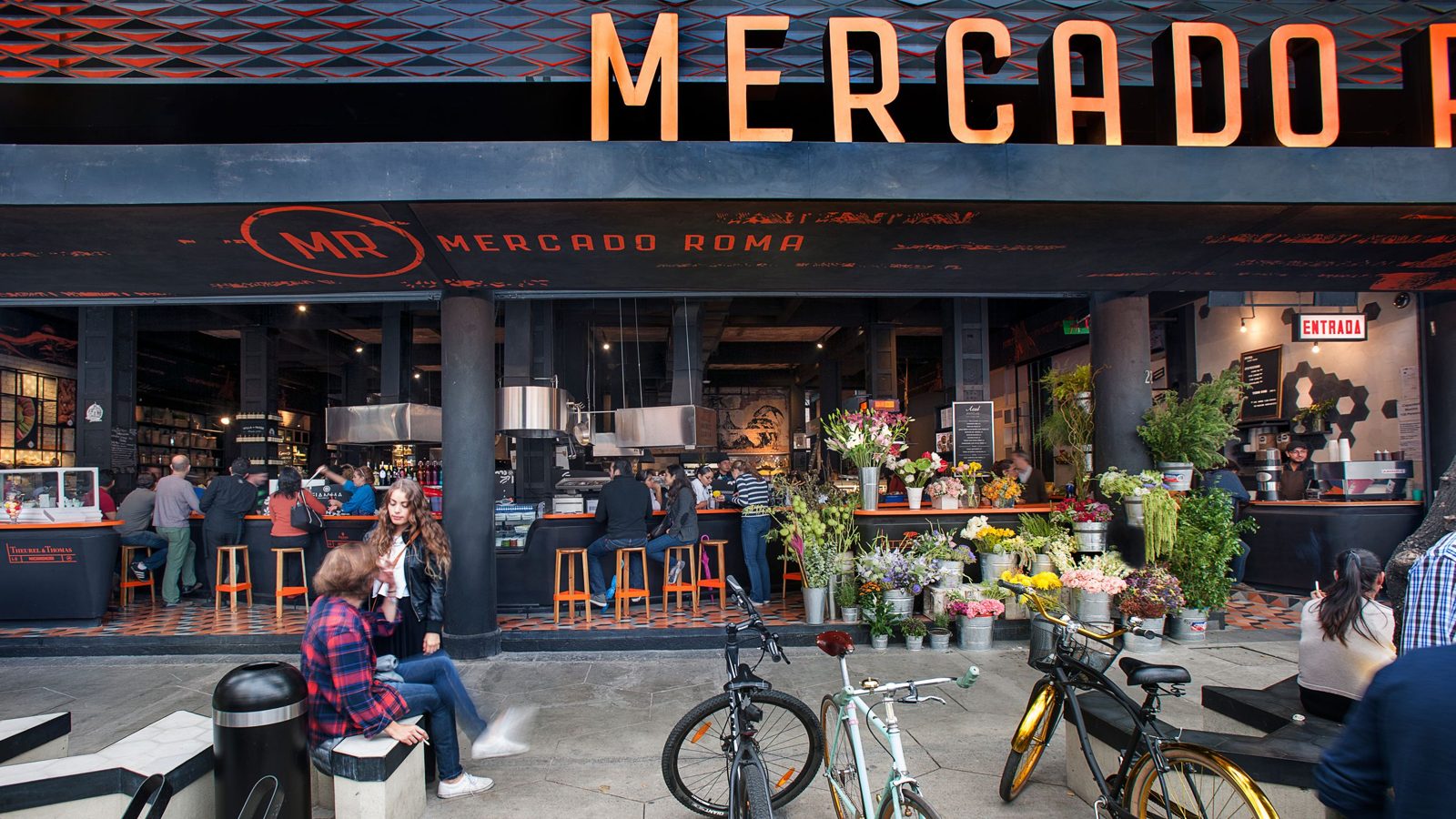
Mercado Roma
A modern food hall of roughly fifty stalls — the easy answer when nobody in the group can agree on a restaurant. Pay per stall.
food
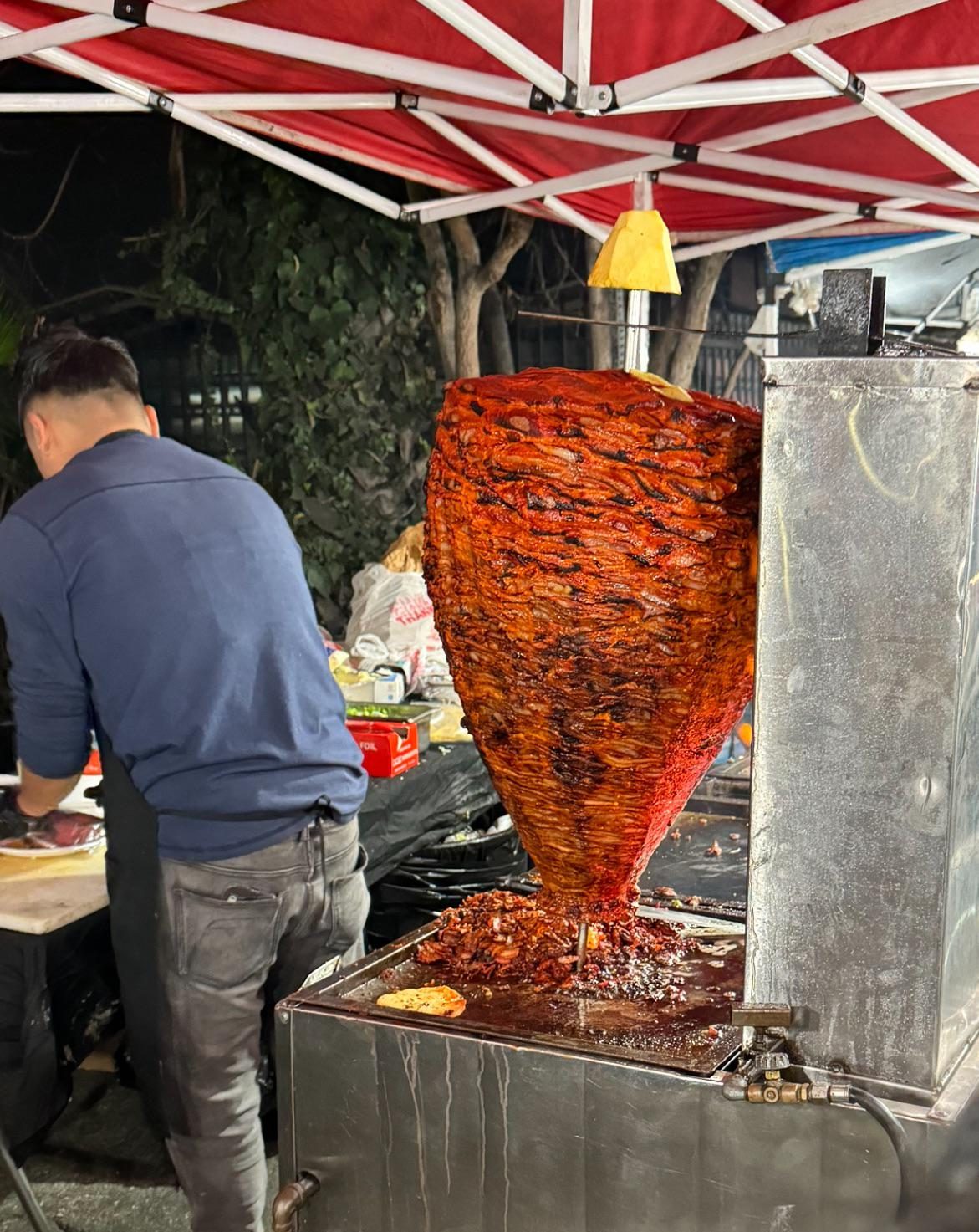
Street tacos al pastor
Skip the guidebook name and look for the busiest stand with a spinning trompo and a line of locals — that’s the actual signal. About $1-1.50 a taco, evenings are peak.
scenic
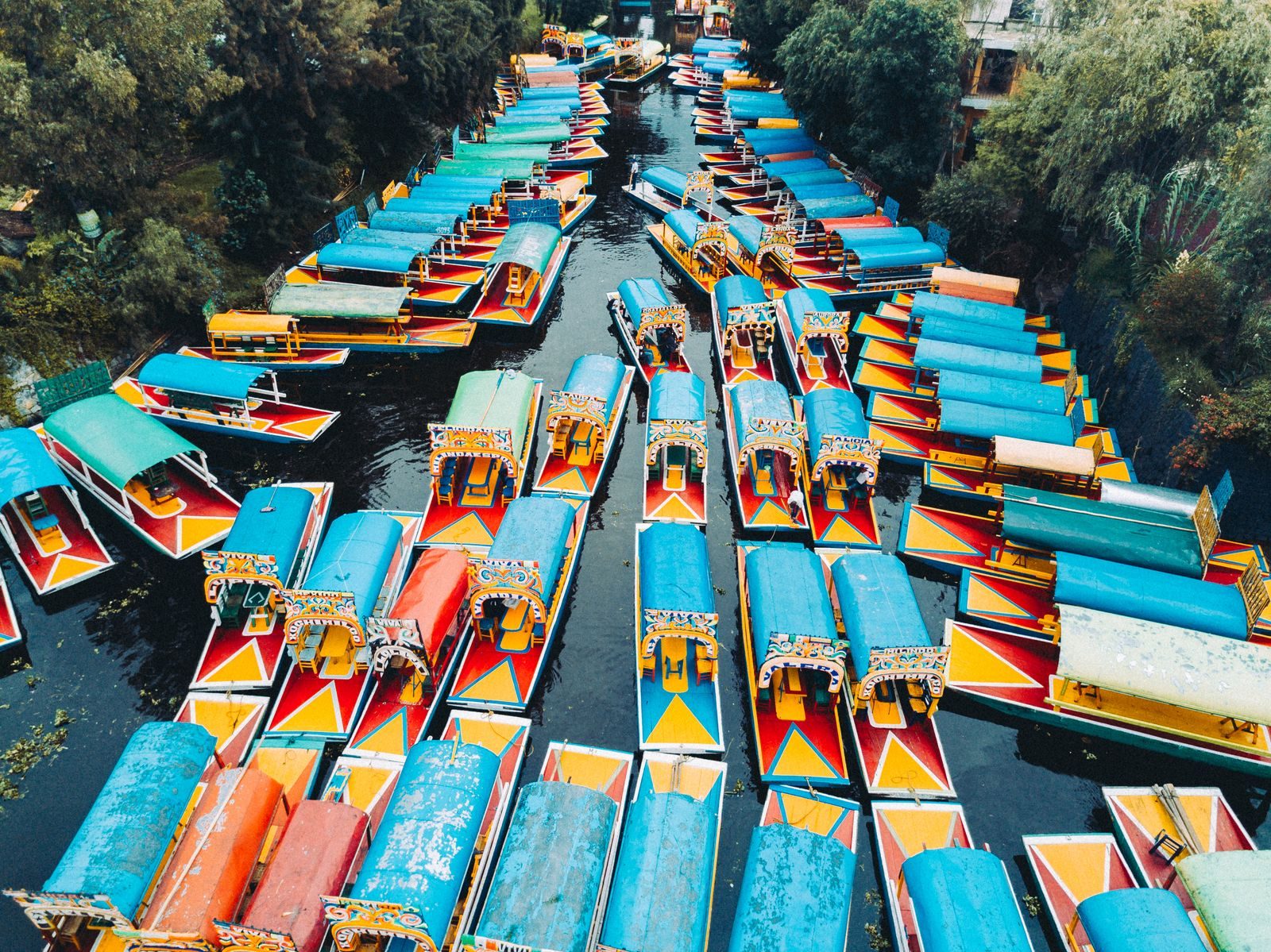
Xochimilco trajineras
Flat-bottomed boats poled down the last of the Aztec canals, with food and music sellers paddling up to you the whole way. Priced per boat, not per person — confirm the posted price board before boarding.
cultural
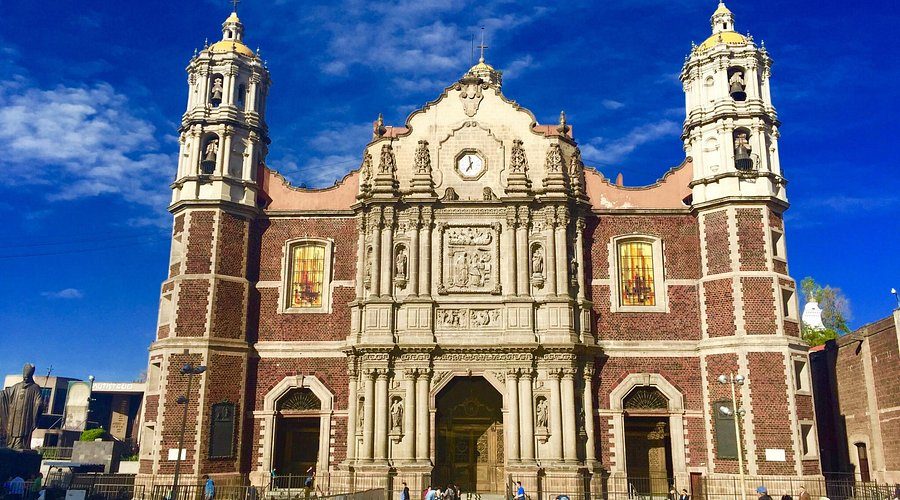
Basílica de Guadalupe
The leaning 18th-century old basilica, whose subsidence is real and visible — the modern circular basilica stands beside it, and that newer building is where the moving walkway carries visitors past the tilma. Free, open daily; go on a weekday morning outside major feast days.
historic
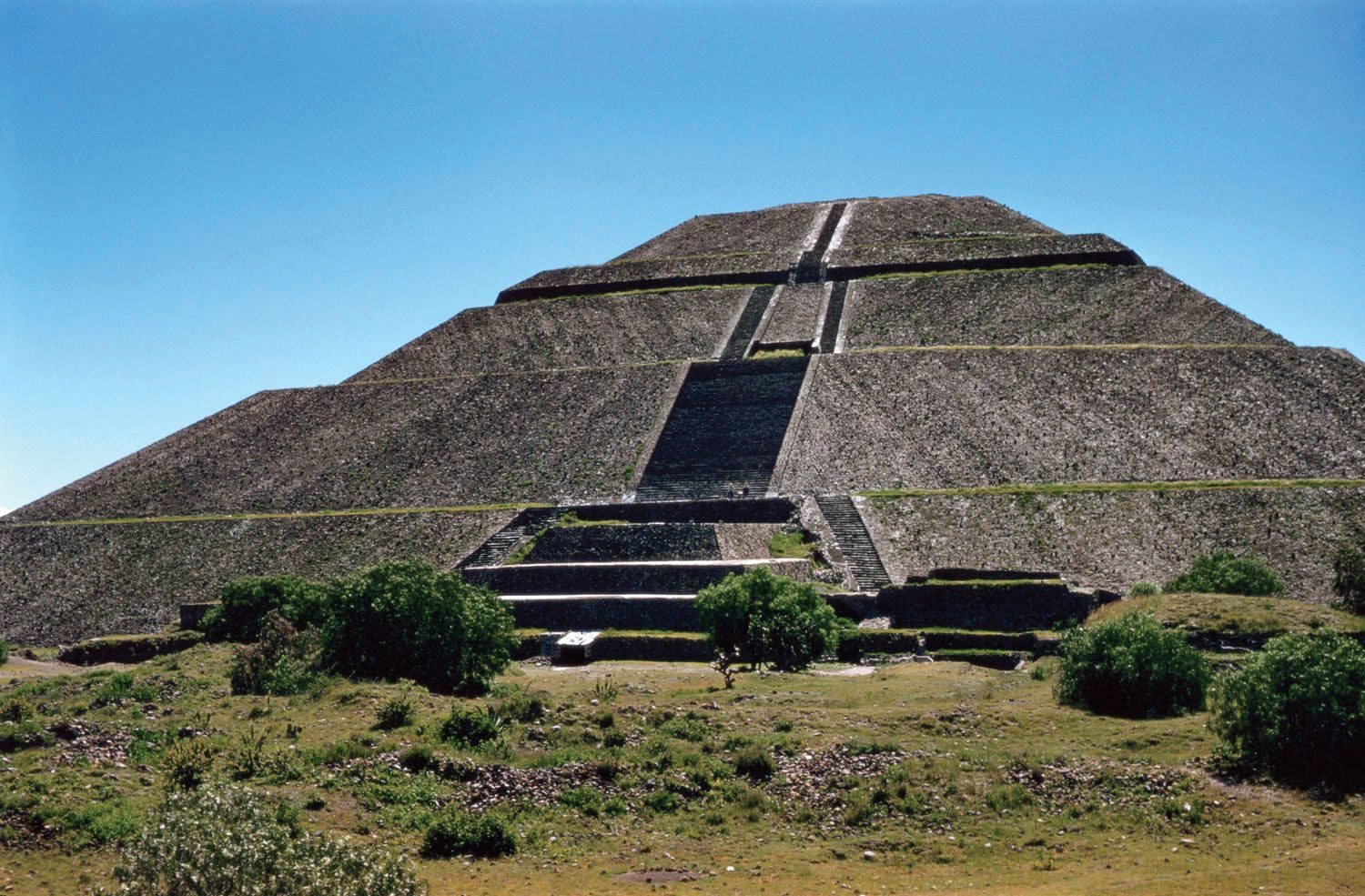
Teotihuacán
Pyramids built by a civilization the Aztecs found already ancient and couldn’t name. About $12, cash only, roughly an hour outside the city.
The guide
Mexico City in Three Days: Altitude, Timing and the Museum You Have to Book Ahead
· 9 min read · Written by the PoppaTrip editors
Plan day one for altitude, not ambition
Mexico City sits at 2,240 meters — about 7,350 feet — which means about a fifth less oxygen in every breath than you’re used to at sea level. Most visitors feel nothing worse than a mild headache or a bit of extra fatigue on the first day, but it can also mimic the flu or food poisoning closely enough to worry someone who doesn’t know to expect it. Hydrate heavily, skip anything strenuous and go easy on heavy meals for the first 24 hours, and cut back on caffeine.
That’s the reasoning behind starting slow: the Zócalo is a flat, short walk, so open there. Templo Mayor sits right beside it, then the Metropolitan Cathedral, then Bellas Artes for the murals a few blocks up. Casa de los Azulejos is a five-minute detour between the two — a tiled colonial façade worth a photo stop, nothing more.
What you’re avoiding is stacking this with Chapultepec on the same day. The castle and the Anthropology Museum are each worth an afternoon on their own, and pushing both plus Centro into one day on your first day at altitude is how people end up seeing the inside of a pharmacy instead of a museum.
Zócalo (Plaza de la Constitución) — The ceremonial heart of the Aztec empire and of colonial Mexico both — a square wide enough to hold the ruins of one city under the cathedral of the next. Free, always open, and the anchor for day one.Templo Mayor — The excavated stone heart of Tenochtitlan, unearthed beside the cathedral built to replace it. About $6, closed Mondays.Metropolitan Cathedral — Four centuries of construction on a lakebed that keeps sinking under it — the visible tilt is real subsidence, not an illusion. Free to enter the nave; confirm current hours locally.Palacio de Bellas Artes — Diego Rivera, Orozco and Siqueiros murals on the upper floors of an Art Nouveau and Art Deco palace. About $4, closed Mondays; free on Sundays for Mexican citizens and residents only, not for foreign visitors.Casa de los Azulejos — A colonial façade wrapped floor to roof in blue-and-white tile, now a working restaurant you can still step inside. Free to view, a five-minute stop between the Zócalo and Bellas Artes.
Chapultepec eats a full afternoon on its own
Bosque de Chapultepec is Latin America’s largest urban park, and it isn’t a backdrop — it’s the connective tissue between the two things most visitors actually came for. The Castle, at the top of the hill, is the only royal castle ever built in North America, and the climb plus the grounds is 1.5 to 2 hours by itself.
The Museo Nacional de Antropología, a walk away inside the same park, is a full-museum commitment: the Aztec Sun Stone and the Maya rooms alone justify a half-day, and most visitors underestimate it and try to rush through in an hour. Give it two to three.
Put those two together and you’ve used a whole afternoon — which is exactly why the narrative arc in this guide splits them across day one’s afternoon and day two’s morning rather than forcing both into a single sitting on top of Centro.
Chapultepec Castle — The only royal castle ever built in North America, with the city spread out below it. About $12 for foreign visitors, closed Mondays; free on Sundays for Mexican citizens and residents only — foreign visitors still pay.Museo Nacional de Antropología — The Aztec Sun Stone and full rooms of Maya, Zapotec and Olmec work under one roof — this is a half-day commitment, not a stop. About $5-6, closed Mondays.Bosque de Chapultepec — Latin America’s largest urban park, with a lake and enough walking paths to link the castle to the museum without a taxi. Free, open daily.
Book Frida Kahlo before you book the flight
The Museo Frida Kahlo, La Casa Azul, sells tickets online only — there is no box office, no walk-up line, nothing to negotiate at the door. Popular dates sell out weeks, sometimes closer to a month, ahead. If this museum matters to the trip, it is the first thing to book, not the last.
Everything else in Coyoacán is unticketed and unhurried by comparison: cobblestone plazas, the Casa de Cortés, and the Coyoacán market next door for tostadas, huaraches and fresh fruit — try mamey, guava or black sapote if they’re in season. Food is pay-as-you-go, a few dollars a plate.
This is naturally a day-two pairing with Roma Norte and Condesa, which sit on the way south — wander those neighborhoods in the morning, then head into Coyoacán for the afternoon once the Frida Kahlo ticket window has been confirmed.
Museo Frida Kahlo (La Casa Azul) — Book online weeks ahead — there is no walk-up ticket window anymore, and that one fact decides whether the visit happens at all. About $19, closed Mondays.Coyoacán historic center and market — The arched gate into the Mercado Artesanal Mexicano, one of several markets around the historic center — the separate Coyoacán food market nearby is the one for tostadas, huaraches and fresh fruit. Cobblestone plazas and the Casa de Cortés are steps away.
Roma Norte and Condesa are the trip between the sights
These two neighborhoods aren’t a checklist item, they’re where the unstructured half of the day happens: tree-lined Porfirian-era streets, independent cafés, weekend markets and small galleries in Roma Norte; Art Deco apartment blocks around Parque México in the greener, more residential Condesa next door. Both are consistently named among the safest and most walkable tourist areas in the city.
The one specific caution worth carrying: occasional reports of motorbike snatch-and-grabs targeting phones and laptops left on outdoor café tables in Condesa. Simple fix — sit away from the street edge, keep devices off the table facing the sidewalk.
If picking one restaurant for the group turns into an argument, Mercado Roma is the release valve: a modern food hall of roughly fifty stalls where everyone finds something without a group vote.
Roma Norte — Tree-lined Porfirian-era streets, independent cafés and weekend markets — consistently rated the safest, most walkable neighborhood to just wander. Free.Mercado Roma — A modern food hall of roughly fifty stalls — the easy answer when nobody in the group can agree on a restaurant. Pay per stall.
Eat standing up, and follow the line
The single most reliable street-food signal in this city has nothing to do with a name in a guidebook: find the busiest stand, the one with a constantly turning trompo and a line of locals rather than tourists, and eat there. Evenings after about 7pm are peak trompo activity. A taco al pastor runs roughly $1 to $1.50 on the street, prices varying stand to stand.
Roma Norte, Condesa, Centro Histórico and Narvarte are the neighborhoods most often named as the easiest places to do this safely and well.
Street tacos al pastor — Skip the guidebook name and look for the busiest stand with a spinning trompo and a line of locals — that’s the actual signal. About $1-1.50 a taco, evenings are peak.
The outer ring: pick one, don’t try both
Teotihuacán is the required minimum if there’s a third day or a half-day to spare: roughly 50km northeast, entry about $12 for foreign visitors, cash only. Budget 3-4 hours to cover the Pyramid of the Sun, the Pyramid of the Moon and the Avenue of the Dead, with a mid-morning start to be back in the city by mid-afternoon. The budget route is Metro Line 5 to the Terminal Central de Autobuses del Norte, then a bus from Sala 8; rideshare is simpler and pricier.
If Teotihuacán isn’t on the itinerary, Xochimilco and the Basílica de Guadalupe pair naturally as an outer-ring alternative — both sit outside the walkable core. On the trajinera boats at Xochimilco, the price is per boat per hour, not per person; touts commonly try to quote it per person as an overcharge, so confirm the posted board and negotiate before boarding. Weekdays are calmer than weekends, and some travelers find the constant vendor-canoe traffic more than they bargained for — worth knowing going in.
The Basílica de Guadalupe complex is free, with the tilma image viewed from a moving walkway rather than a static queue, which keeps the crowd flowing. Quietest on weekday mornings; December 12 is a major feast day and extremely crowded.
Xochimilco trajineras — Flat-bottomed boats poled down the last of the Aztec canals, with food and music sellers paddling up to you the whole way. Priced per boat, not per person — confirm the posted price board before boarding.Basílica de Guadalupe — The leaning 18th-century old basilica, whose subsidence is real and visible — the modern circular basilica stands beside it, and that newer building is where the moving walkway carries visitors past the tilma. Free, open daily; go on a weekday morning outside major feast days.Teotihuacán — Pyramids built by a civilization the Aztecs found already ancient and couldn’t name. About $12, cash only, roughly an hour outside the city.
The short answers
How many days do you need in Mexico City?
Three days covers this guide: day one is Centro Histórico plus the start of Chapultepec (the castle and the Anthropology Museum can spill into day two morning if day one is kept light for altitude); day two is Roma Norte, Condesa and Coyoacán, including the Frida Kahlo Museum if it’s booked; day three is the outer-ring trip — Teotihuacán, or Xochimilco with the Basílica de Guadalupe.
When should you go to Mexico City, and when should you not?
Rainy season runs roughly June through August or September, with July typically having the most rainy days of the year — usually afternoon and evening thunderstorms with clearer mornings, not all-day washouts. Avoid the peak of rainy season, July especially, if the itinerary depends on outdoor walking days like Chapultepec, Xochimilco or Teotihuacán. March to May and September to November avoid both the heaviest rain and, for spring, the coldest months. June is a legitimate tradeoff worth knowing: several travel sources call it the cheapest month to visit, precisely because it’s the rainy-season shoulder — cheaper, but wetter.
Will I get altitude sickness?
Mexico City sits at 2,240m (7,350ft), about a fifth less oxygen than sea level. Common symptoms are headache, dizziness, fatigue and shortness of breath, which can be mistaken for flu or food poisoning. Hydrate heavily, avoid strenuous activity and heavy meals for the first 24 hours, limit caffeine, and keep day one light on stairs and walking pace. Most cases are mild and resolve within a day or two; pharmacies are extremely common if symptoms don’t ease.
Can I drink the tap water?
No — bottled water is the standard advice for drinking, and many recommend it for brushing teeth too. Tap water is generally fine for showering and handwashing.
Metro vs. Uber vs. taxi — what should you actually use?
The Metro is a flat 5 pesos (about 30 cents) regardless of distance, the cheapest option and best for long cross-town hops during the day. Uber and DiDi typically run $3.50-9 a ride and are considered meaningfully safer than hailing a taxi on the street — use official sitio taxi stands rather than flagging down an unmarked cab. Rideshare is the better call late at night or with luggage.
How much should you tip, and in what currency?
Tip in pesos, not dollars. Restaurants: roughly 10-15 percent of the bill. Taxis: not customary unless the driver helps with bags or makes a stop, in which case a small amount is fine. Uber and DiDi: an optional in-app tip, with a higher percentage appropriate for a driver who goes out of their way.
Is Mexico City safe for tourists?
The tourist-zone neighborhoods — Roma Norte, Condesa, Polanco and Coyoacán — are widely described as safe, well-patrolled and walkable, with reliable rideshare coverage and uncommon violent crime against tourists in these specific areas. Standard big-city precautions apply: official taxi stands rather than street-hailed cabs, well-lit streets at night, and mind bags and phones in outdoor seating. This guide didn’t research neighborhoods outside this cluster and makes no safety claim about them.
Is street food safe to eat?
Yes, using the same judgment locals use: a busy stand with a line of local customers is the single most reliable signal, along with a vendor specializing in one dish, visibly clean prep, and food cooked to order in front of you rather than sitting out. Roma Norte, Condesa, Centro Histórico and Narvarte are the neighborhoods most often called visitor-friendly for it.
Do I need to book museum tickets in advance?
Usually no — the Anthropology Museum, Templo Mayor, Bellas Artes and Chapultepec Castle all sell tickets at the door. The one hard exception: the Frida Kahlo Museum (Casa Azul) is online-ticket-only with no box office, and popular dates sell out weeks ahead.
Are museums really free on Sunday?
Not for you, most likely. Free Sunday admission at places like Bellas Artes and Chapultepec Castle applies to Mexican citizens and residents, not to foreign passport holders — don’t plan a “free Sunday” itinerary assuming it applies to you, and confirm at each specific venue.
Who does Mexico City especially suit?
People happy to pace day one around the altitude rather than ambition, since 2,240 meters means noticeably less oxygen and a slow start pays off. It suits walkable, food-first travel — Roma Norte and Condesa are named among the safest and most walkable tourist areas in the city, and the street-food rule here is simple: find the busiest stand and follow the line. And it suits culture in volume, from murals and Templo Mayor to a full afternoon at the Anthropology Museum and, with a third day, Teotihuacán.
Written by hand and fact-checked on 2026-08-26. Opening hours, ticketing and prices
change — check them before you rely on them.
FAQ
Questions about Mexico City, Mexico
How many days do you need in Mexico City?
Three days covers this guide: day one is Centro Histórico plus the start of Chapultepec (the castle and the Anthropology Museum can spill into day two morning if day one is kept light for altitude); day two is Roma Norte, Condesa and Coyoacán, including the Frida Kahlo Museum if it’s booked; day three is the outer-ring trip — Teotihuacán, or Xochimilco with the Basílica de Guadalupe.
When should you go to Mexico City, and when should you not?
Rainy season runs roughly June through August or September, with July typically having the most rainy days of the year — usually afternoon and evening thunderstorms with clearer mornings, not all-day washouts. Avoid the peak of rainy season, July especially, if the itinerary depends on outdoor walking days like Chapultepec, Xochimilco or Teotihuacán. March to May and September to November avoid both the heaviest rain and, for spring, the coldest months. June is a legitimate tradeoff worth knowing: several travel sources call it the cheapest month to visit, precisely because it’s the rainy-season shoulder — cheaper, but wetter.
Will I get altitude sickness?
Mexico City sits at 2,240m (7,350ft), about a fifth less oxygen than sea level. Common symptoms are headache, dizziness, fatigue and shortness of breath, which can be mistaken for flu or food poisoning. Hydrate heavily, avoid strenuous activity and heavy meals for the first 24 hours, limit caffeine, and keep day one light on stairs and walking pace. Most cases are mild and resolve within a day or two; pharmacies are extremely common if symptoms don’t ease.
Can I drink the tap water?
No — bottled water is the standard advice for drinking, and many recommend it for brushing teeth too. Tap water is generally fine for showering and handwashing.
Metro vs. Uber vs. taxi — what should you actually use?
The Metro is a flat 5 pesos (about 30 cents) regardless of distance, the cheapest option and best for long cross-town hops during the day. Uber and DiDi typically run $3.50-9 a ride and are considered meaningfully safer than hailing a taxi on the street — use official sitio taxi stands rather than flagging down an unmarked cab. Rideshare is the better call late at night or with luggage.
How much should you tip, and in what currency?
Tip in pesos, not dollars. Restaurants: roughly 10-15 percent of the bill. Taxis: not customary unless the driver helps with bags or makes a stop, in which case a small amount is fine. Uber and DiDi: an optional in-app tip, with a higher percentage appropriate for a driver who goes out of their way.
Is Mexico City safe for tourists?
The tourist-zone neighborhoods — Roma Norte, Condesa, Polanco and Coyoacán — are widely described as safe, well-patrolled and walkable, with reliable rideshare coverage and uncommon violent crime against tourists in these specific areas. Standard big-city precautions apply: official taxi stands rather than street-hailed cabs, well-lit streets at night, and mind bags and phones in outdoor seating. This guide didn’t research neighborhoods outside this cluster and makes no safety claim about them.
Is street food safe to eat?
Yes, using the same judgment locals use: a busy stand with a line of local customers is the single most reliable signal, along with a vendor specializing in one dish, visibly clean prep, and food cooked to order in front of you rather than sitting out. Roma Norte, Condesa, Centro Histórico and Narvarte are the neighborhoods most often called visitor-friendly for it.
Do I need to book museum tickets in advance?
Usually no — the Anthropology Museum, Templo Mayor, Bellas Artes and Chapultepec Castle all sell tickets at the door. The one hard exception: the Frida Kahlo Museum (Casa Azul) is online-ticket-only with no box office, and popular dates sell out weeks ahead.
Are museums really free on Sunday?
Not for you, most likely. Free Sunday admission at places like Bellas Artes and Chapultepec Castle applies to Mexican citizens and residents, not to foreign passport holders — don’t plan a “free Sunday” itinerary assuming it applies to you, and confirm at each specific venue.
Who does Mexico City especially suit?
People happy to pace day one around the altitude rather than ambition, since 2,240 meters means noticeably less oxygen and a slow start pays off. It suits walkable, food-first travel — Roma Norte and Condesa are named among the safest and most walkable tourist areas in the city, and the street-food rule here is simple: find the busiest stand and follow the line. And it suits culture in volume, from murals and Templo Mayor to a full afternoon at the Anthropology Museum and, with a third day, Teotihuacán.
How many places are in this Mexico City, Mexico guide?
16 curated places, each with a real photo, a category, and a short description.
What categories does it cover?
historic, cultural, scenic, food.
Do the photos show the real venues?
Yes — every photo is a real photo of that specific place, never a stock image.
How do I plan a full trip to Mexico City, Mexico?
Tell PoppaTrip your travel style in the wizard and we'll build a day-by-day itinerary with hotels, routing, and booking links. Answering the wizard and previewing your destination is free; building and unlocking your complete trip is a one-time $9.99.
Ready to plan your Mexico City, Mexico trip?
Mexico City rewards pacing around the altitude and the Frida Kahlo ticket window above anything else — get those two right and the rest of the order falls into place.

 historic