Beijing's headline sights are cheap — and locked behind real-name, passport-keyed reservations that open exactly seven days ahead and, in peak season, sell out in minutes. Here is what to book before you fly, and the order that makes three days work once you land.
19 curated places11 min readUpdated 2026-08-28
Everything worth your time in Beijing, China
19 places we would actually send someone to, across 4 categories. Every photo is of that specific place.
historic
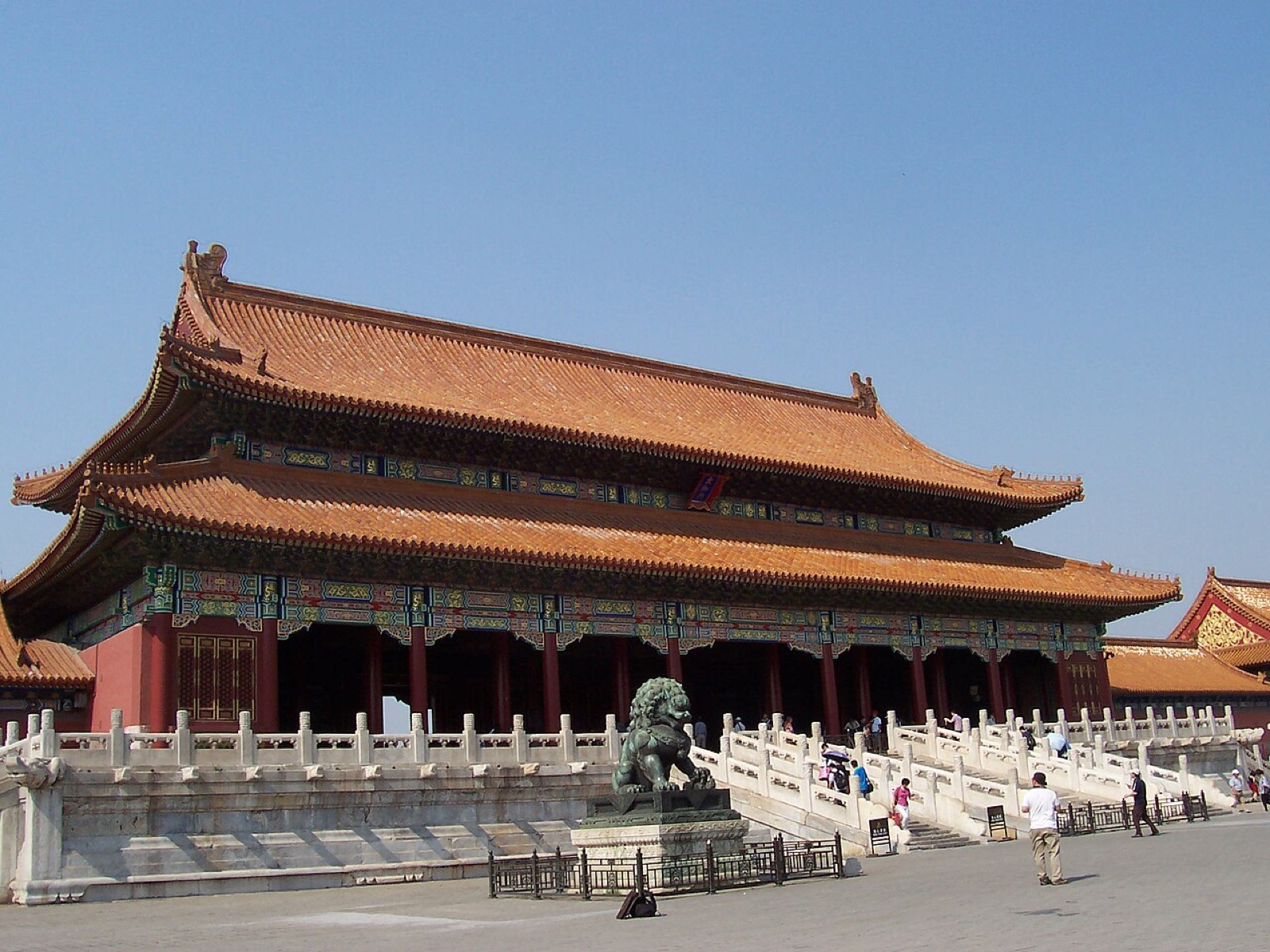
Forbidden City (Palace Museum)
The world's largest surviving palace complex, walked south to north from the Meridian Gate in three to four hours. ¥60 April-October, ¥40 November-March; closed Monday. Tickets are online only, real-name, released exactly seven days ahead against your passport number — there is no general walk-up window, and the daily cap sells out in peak season.
Photo: EditQ, CC BY-SA 4.0, via Wikimedia Commons
historic
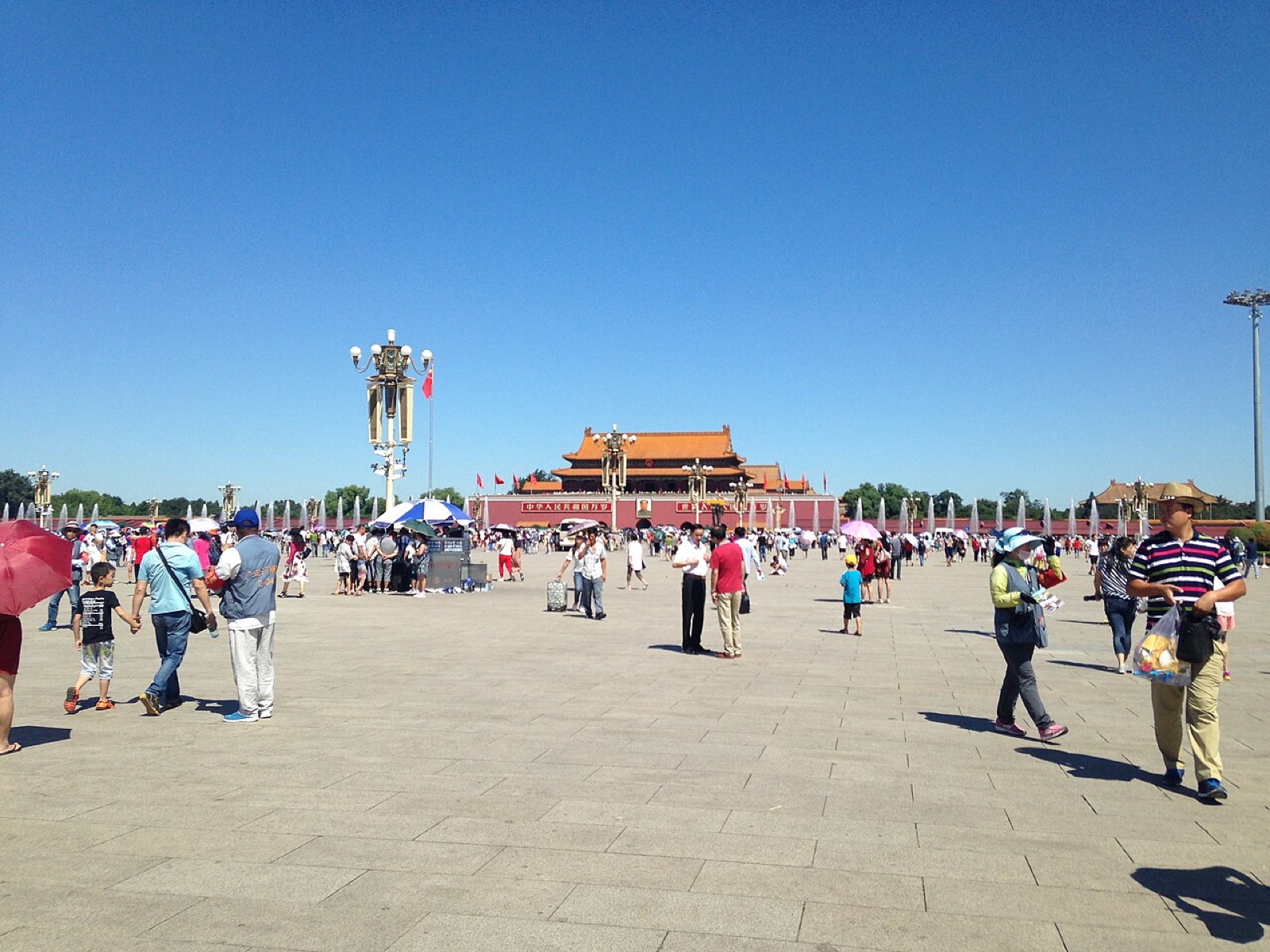
Tiananmen Square
Free to enter, but under the current security regime even standing in the open square needs a free advance reservation booked with passport details up to seven days ahead — without it, security turns you away. The sunrise flag-raising draws the biggest crowd of the day. Thirty to sixty minutes.
Photo: そらみみ, CC BY-SA 4.0, via Wikimedia Commons
historic
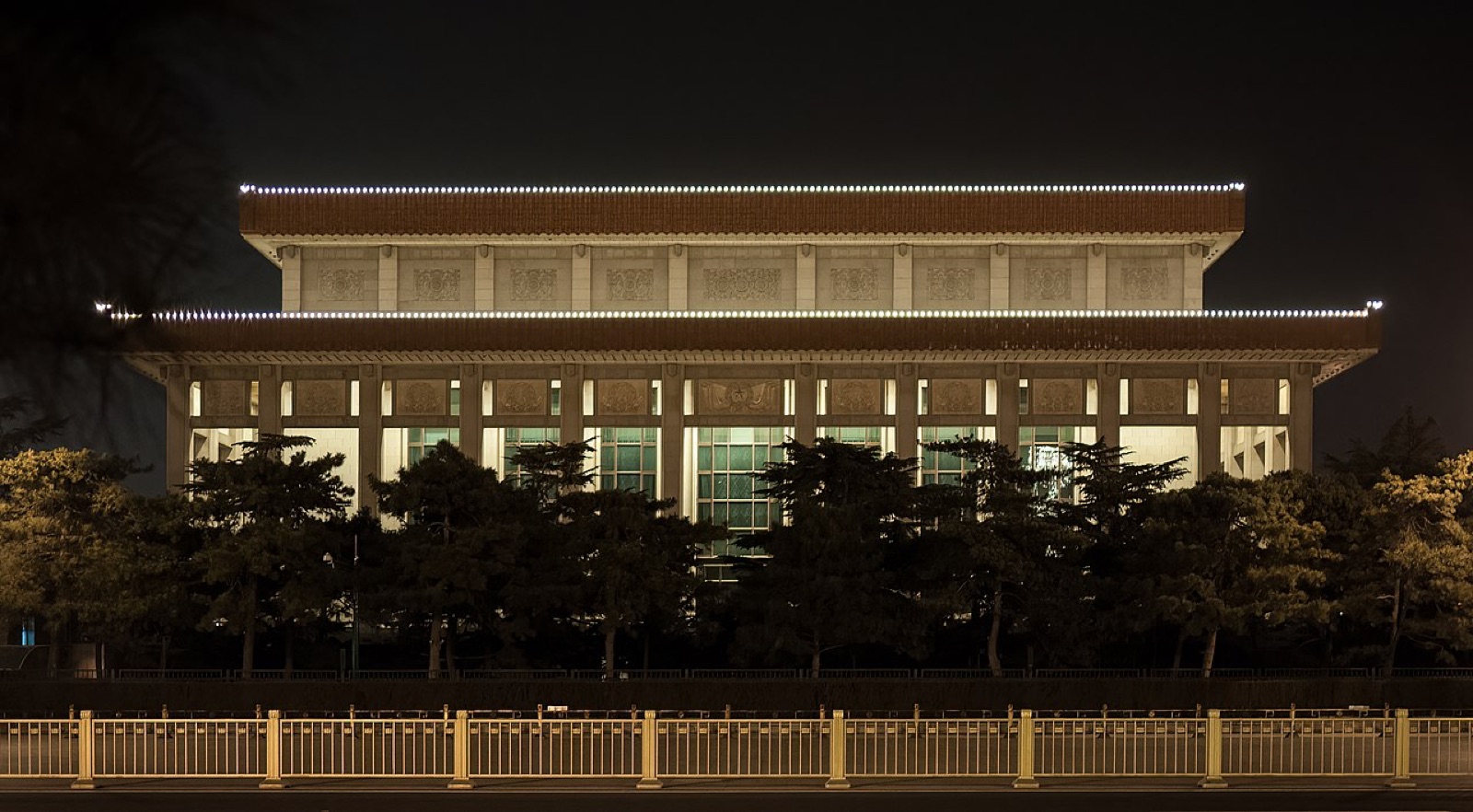
Chairman Mao Memorial Hall
The mausoleum on the square. Free, mornings only, roughly 8:00-12:00, with a 2,000-a-day cap and its own separate reservation system three days ahead — you need both this booking and the square booking. A solemn state site with a fast, silent line; plan it only if it genuinely interests you.
Photo: Ermell, CC BY-SA 4.0, via Wikimedia Commons
scenic
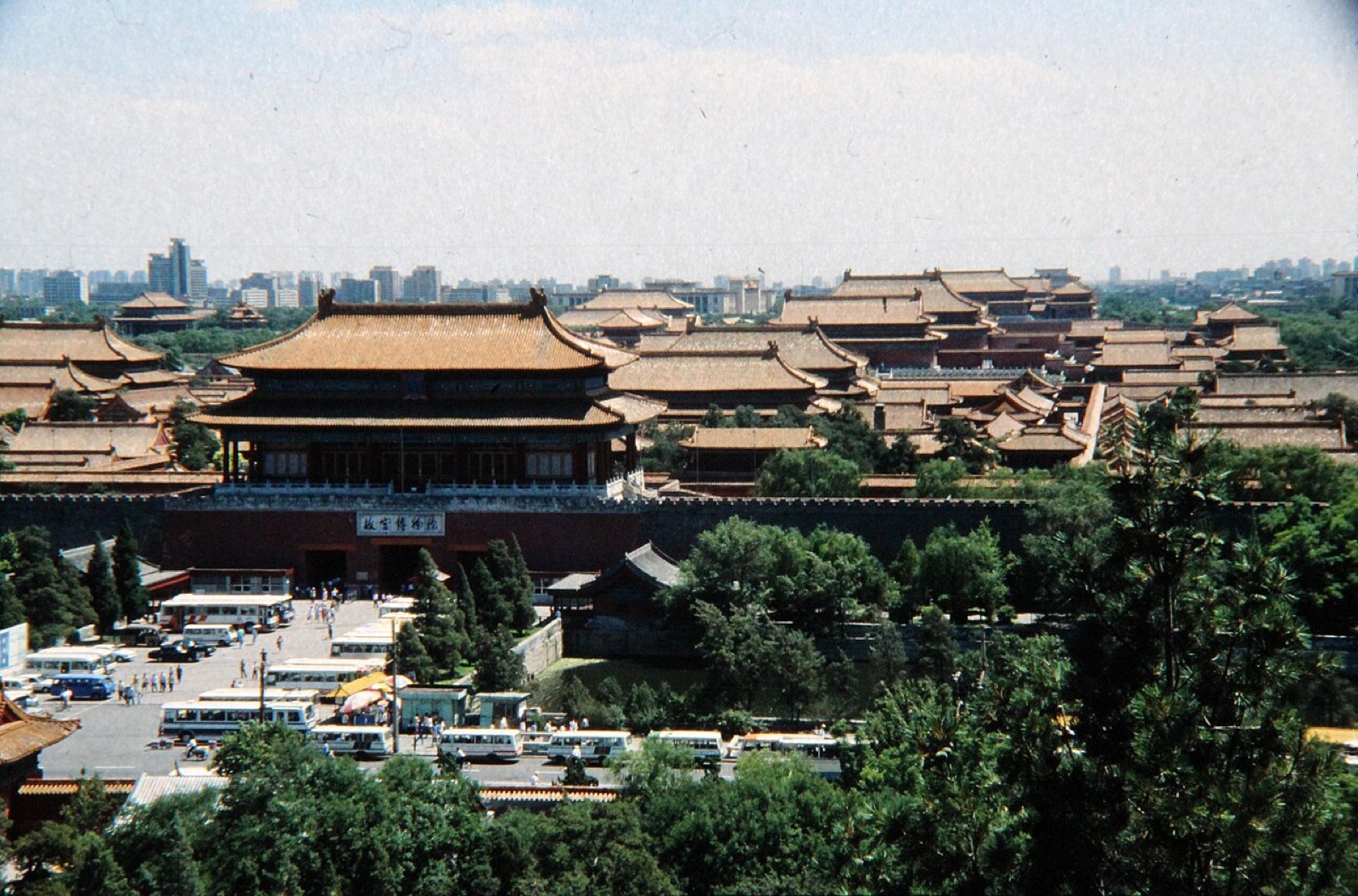
Jingshan Park
Directly opposite the Forbidden City's north exit, and the source of the photograph everyone wants: the whole palace roof axis laid out below you. A fifteen-minute climb to the hilltop pavilion, best in late afternoon. Entry has historically been about ¥2 — confirm the current price and book the QR entry with your passport. Forty-five minutes to an hour.
Photo: Gary Todd from Xinzheng, China, CC0, via Wikimedia Commons
nature
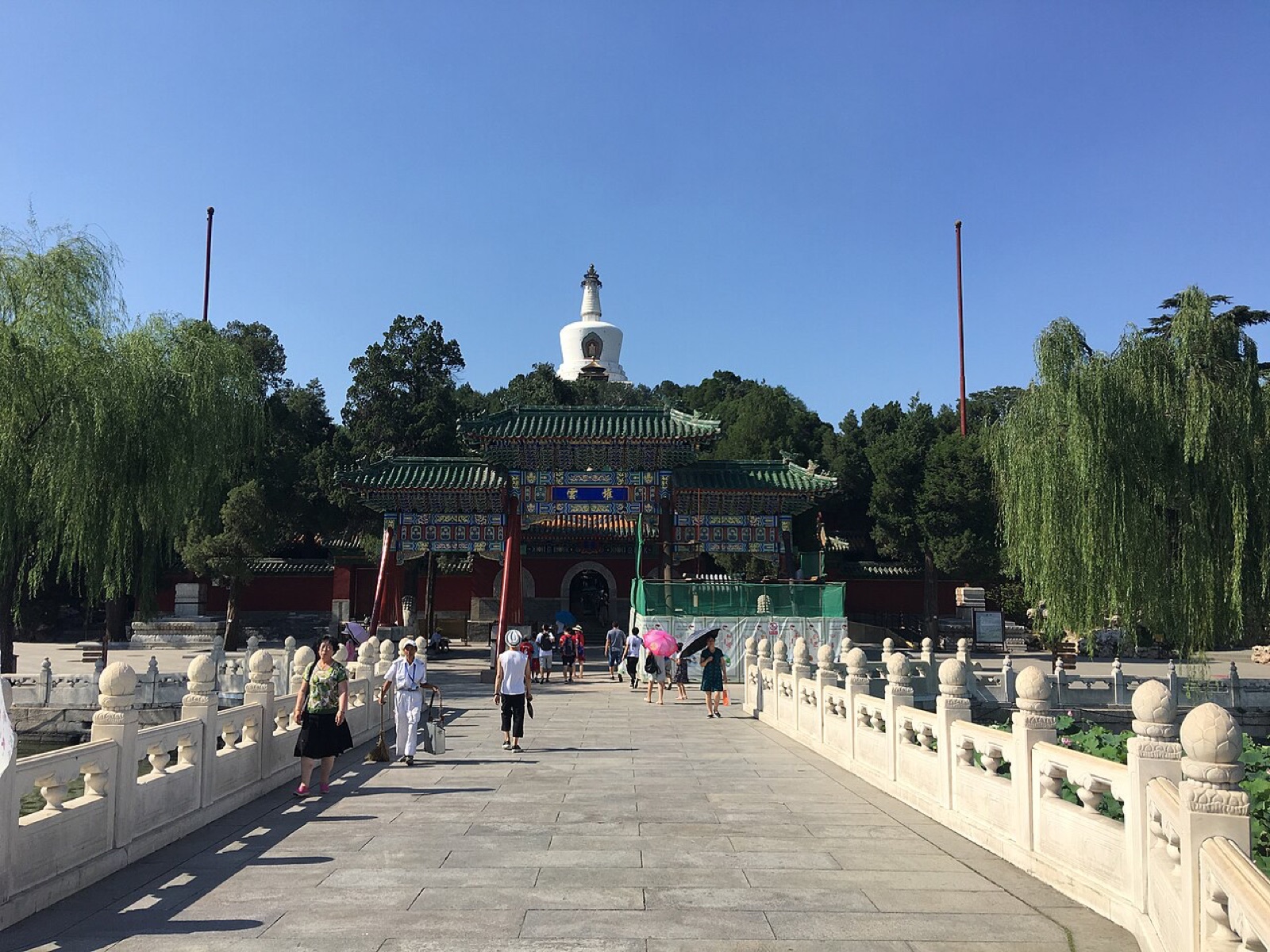
Beihai Park
The imperial lake garden west of Jingshan, with the White Dagoba on its island and pedal boats on the water. Roughly ¥10 in peak season and ¥5 off-season plus small island add-ons — confirm the current tiers. This is the decompression stop after the Forbidden City, not another monument. One to one and a half hours.
Photo: Bjoertvedt, CC BY-SA 4.0, via Wikimedia Commons
historic
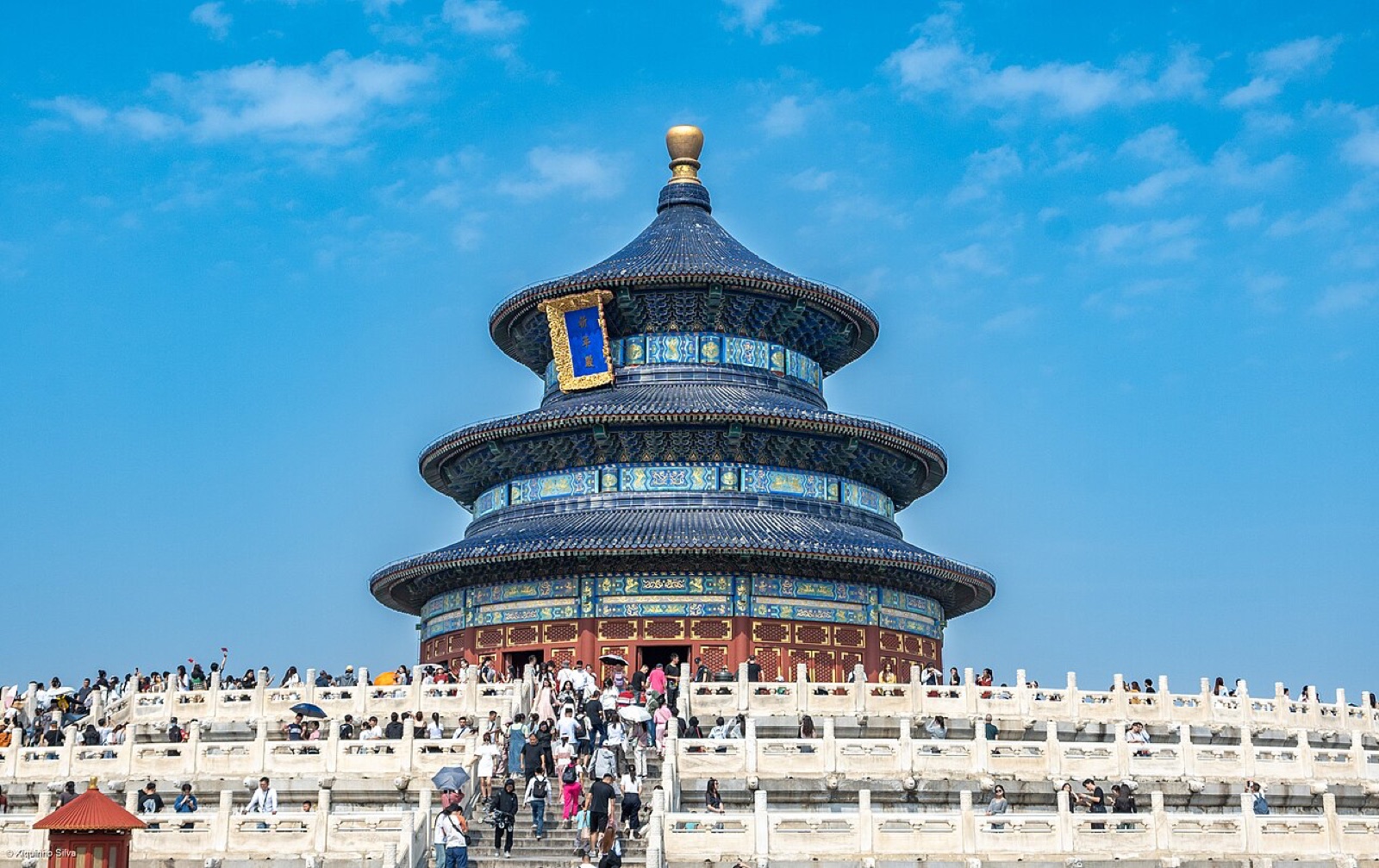
Temple of Heaven (Tiantan)
¥15 for the park, ¥34 for the combined ticket including the Hall of Prayer for Good Harvests. The park opens at 6:00 and the morning is the point — tai chi, jianzi, choirs and dance groups fill it before nine. Foreign passport holders cannot buy at the gate: it is QR-code entry only, pre-booked one to seven days ahead. Two to three hours.
Photo: xiquinhosilva, CC BY 2.0, via Wikimedia Commons
historic
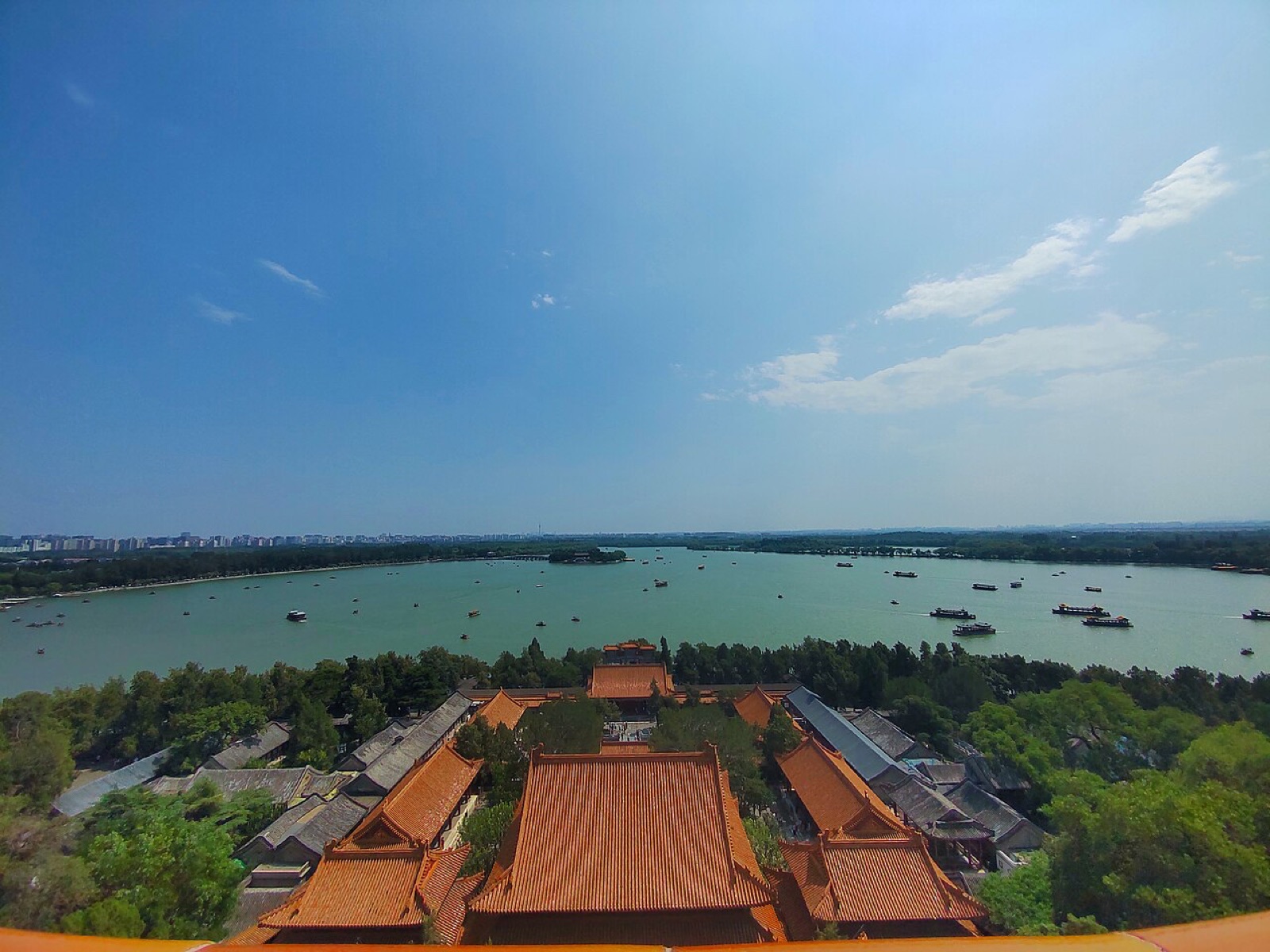
Summer Palace (Yiheyuan)
Kunming Lake, the Long Corridor and the Marble Boat, 45-60 minutes northwest of the centre by metro. ¥30 April-October or ¥20 off-season for entry, ¥60 for the combined ticket with the interior sights. Genuinely a half-day and almost entirely outdoors, so it is the stop weather can ruin. Pre-book online like everything else here.
Photo: HoweyYuan, CC BY-SA 4.0, via Wikimedia Commons
cultural
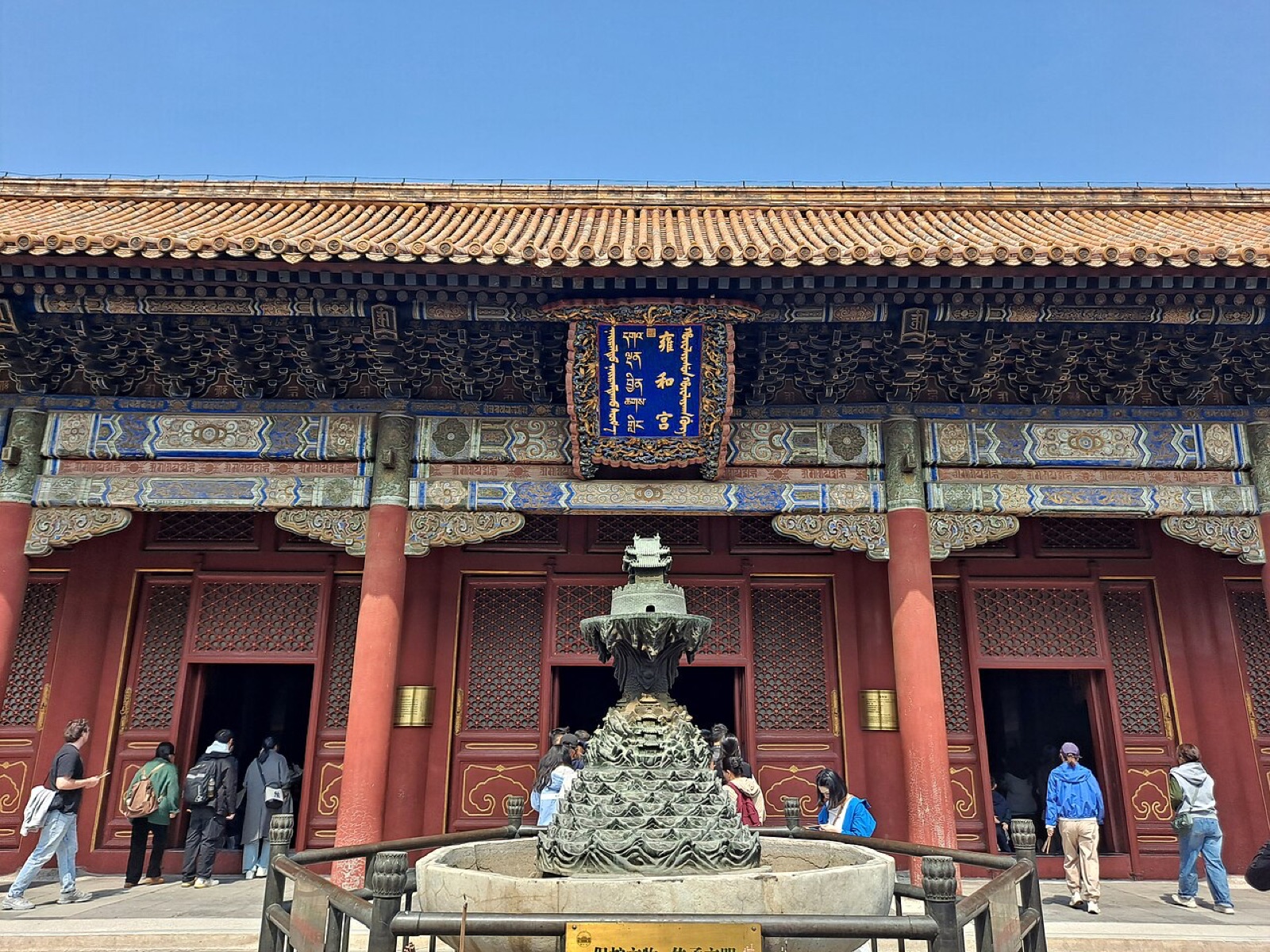
Lama Temple (Yonghegong)
¥25, open 9:00-17:00 April-October and 9:00-16:30 November-March, straight off its own metro stop. A working Tibetan-Buddhist temple thick with incense — a bundle comes free with entry — and the eighteen-metre sandalwood Maitreya in the last hall is the payoff. One to one and a half hours.
Photo: 호고호, CC0, via Wikimedia Commons
cultural
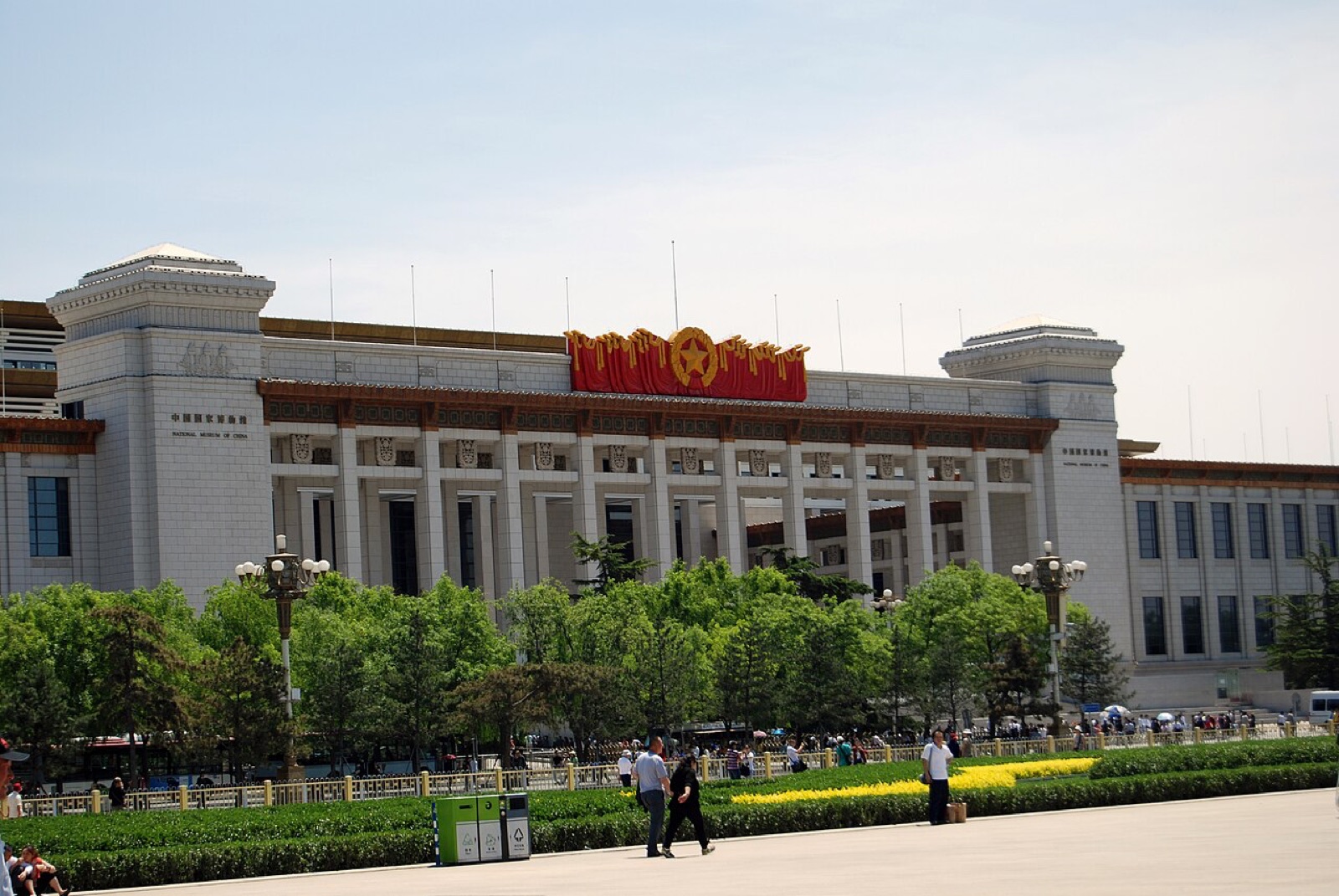
National Museum of China
Free, on the east side of Tiananmen Square, and closed Monday. Reservation is mandatory: slots are released seven days ahead at about 17:00 Beijing time, in timed windows, and your physical passport is checked at the door. The Ancient China galleries in the basement are the world-class core. Two to three hours.
Photo: HBarrison, CC BY-SA 2.0, via Wikimedia Commons
scenic
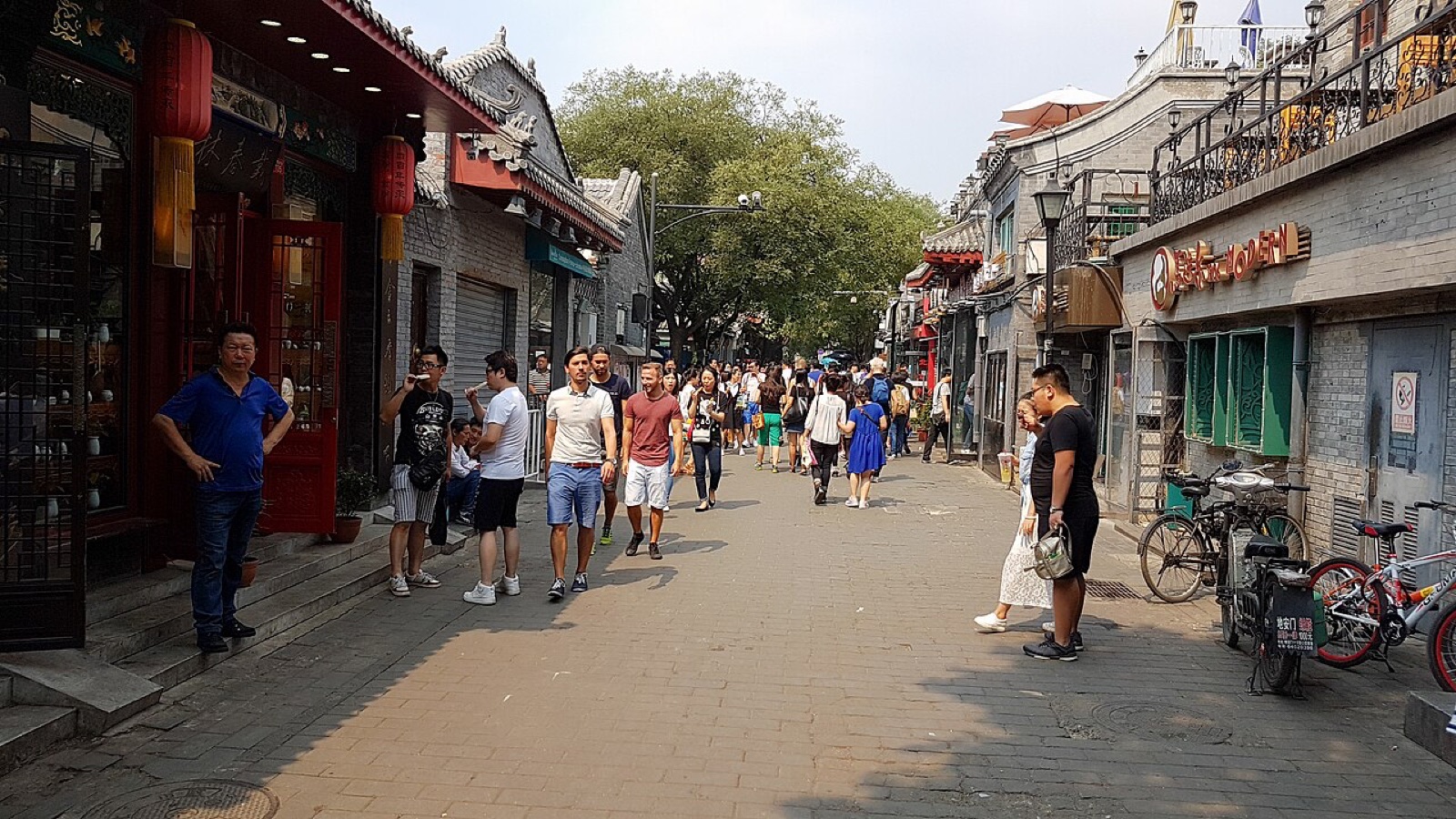
Nanluoguxiang and the surrounding hutongs
Free and always open. The 800-metre flagship lane is packed and commercial, but the quiet parallel alleys two turns off it — Mao'er, Ju'er, Doujiao — are where the courtyard texture actually is. Snack-crawl territory. One to two hours.
Photo: Anagoria, CC BY 3.0, via Wikimedia Commons
scenic
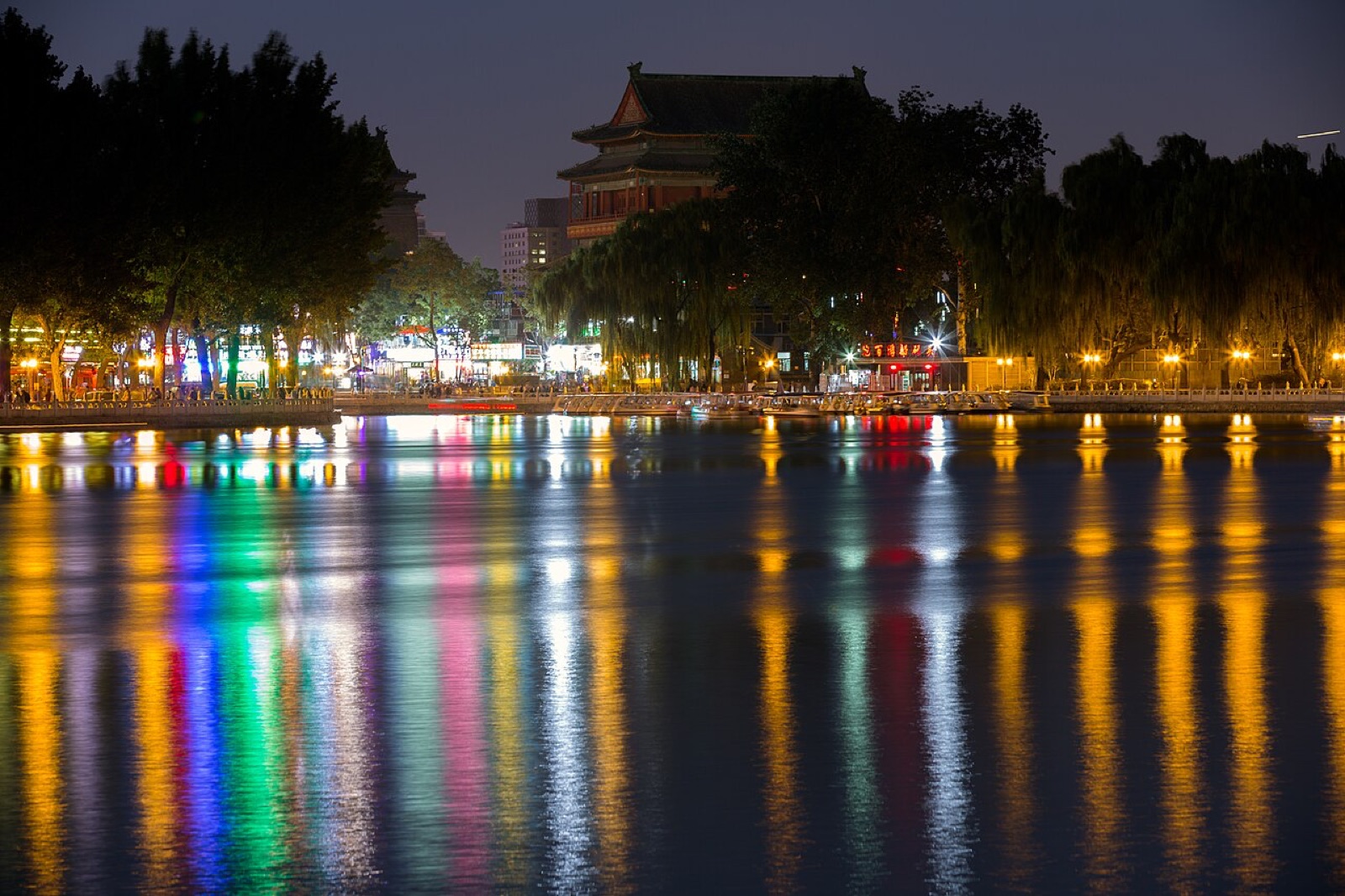
Shichahai lakes and the hutong belt
Free. Willow-lined lakeside paths, old courtyard housing, pedal boats in summer, and in January and February public skating on the frozen lake — the one genuine winter draw in this guide. Rickshaw drivers tout hard here; agree a full price in writing before you board, or skip them. One to two hours.
Photo: Morio, CC BY-SA 4.0, via Wikimedia Commons
historic
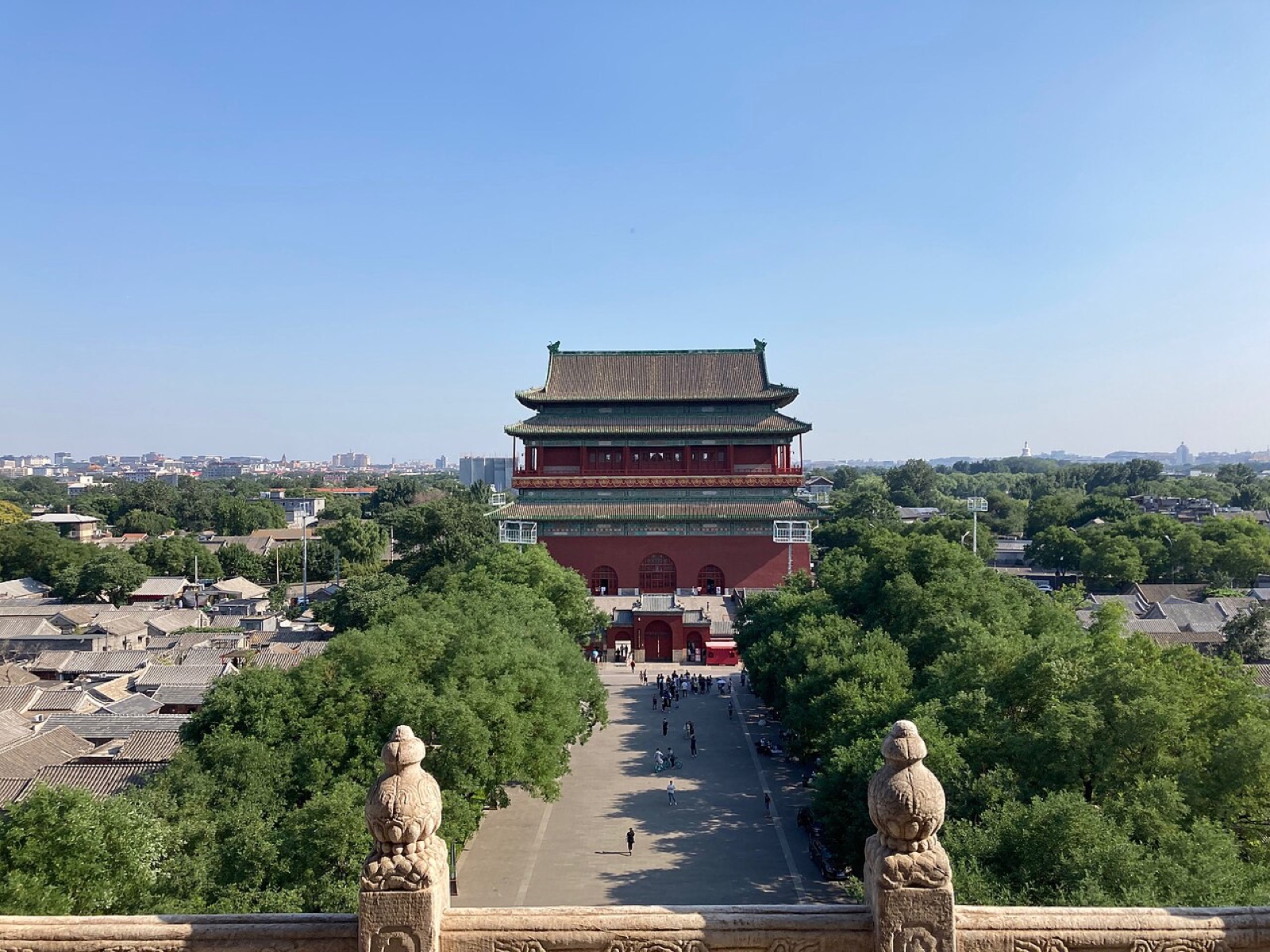
Drum Tower and Bell Tower
¥30 for the combined ticket, about 9:30-17:30 in peak season, with short drum performances several times a day. The stairs are steep and the reward is the Drum Tower balcony view straight down over the hutong rooftops. About an hour.
Photo: Toadspike, CC BY-SA 4.0, via Wikimedia Commons
scenic
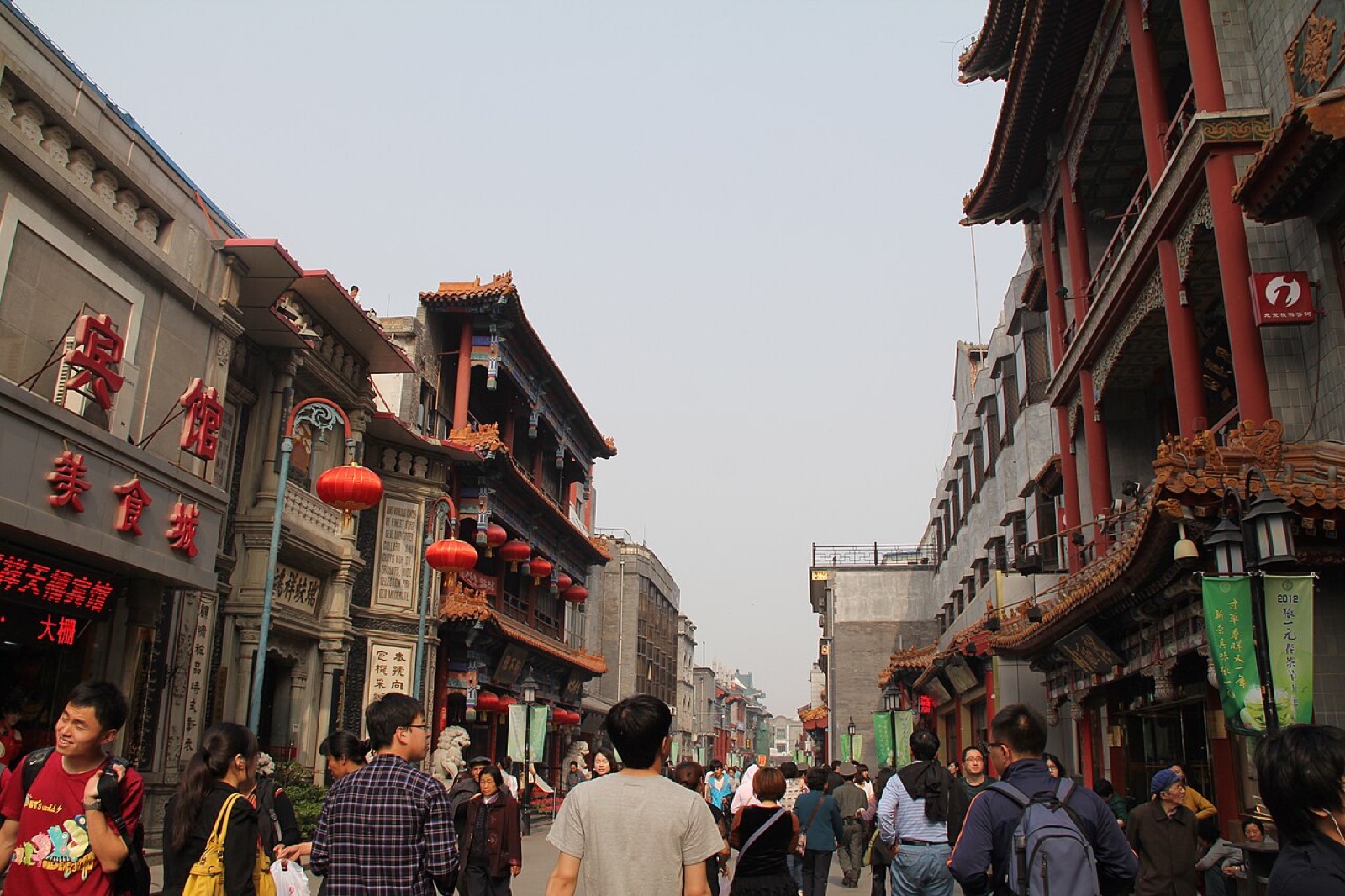
Qianmen Street and Dashilar
The pedestrianised Ming and Qing shopping quarter south of Tiananmen. Free. The main street is restored — over-restored, critics say — but century-old shops for tea, cloth shoes and pickles survive on it, and the food lanes just off it, like Xianyukou, are livelier. Good in the evening. One to one and a half hours.
Photo: The Erica Chang, CC BY 3.0, via Wikimedia Commons
cultural
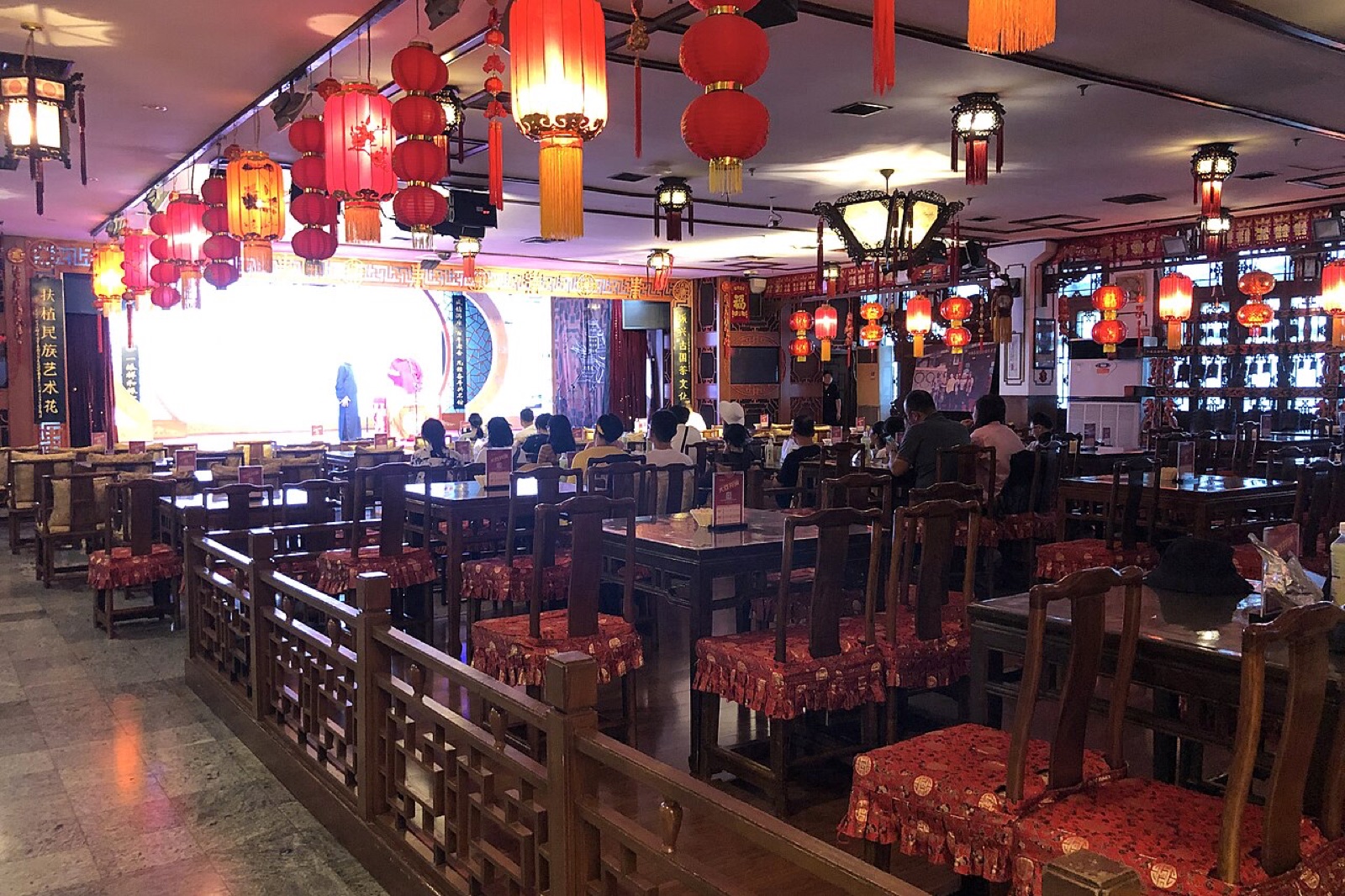
Laoshe Teahouse
The evening out this guide recommends: tea service with a rotating variety bill of acrobatics, Peking-opera excerpts, shadow puppetry and a tea ceremony, near Qianmen. Ticket bands vary by seat and tea package — confirm current prices and book ahead through official channels. About an hour and a half.
Photo: N509FZ, CC BY-SA 4.0, via Wikimedia Commons
cultural
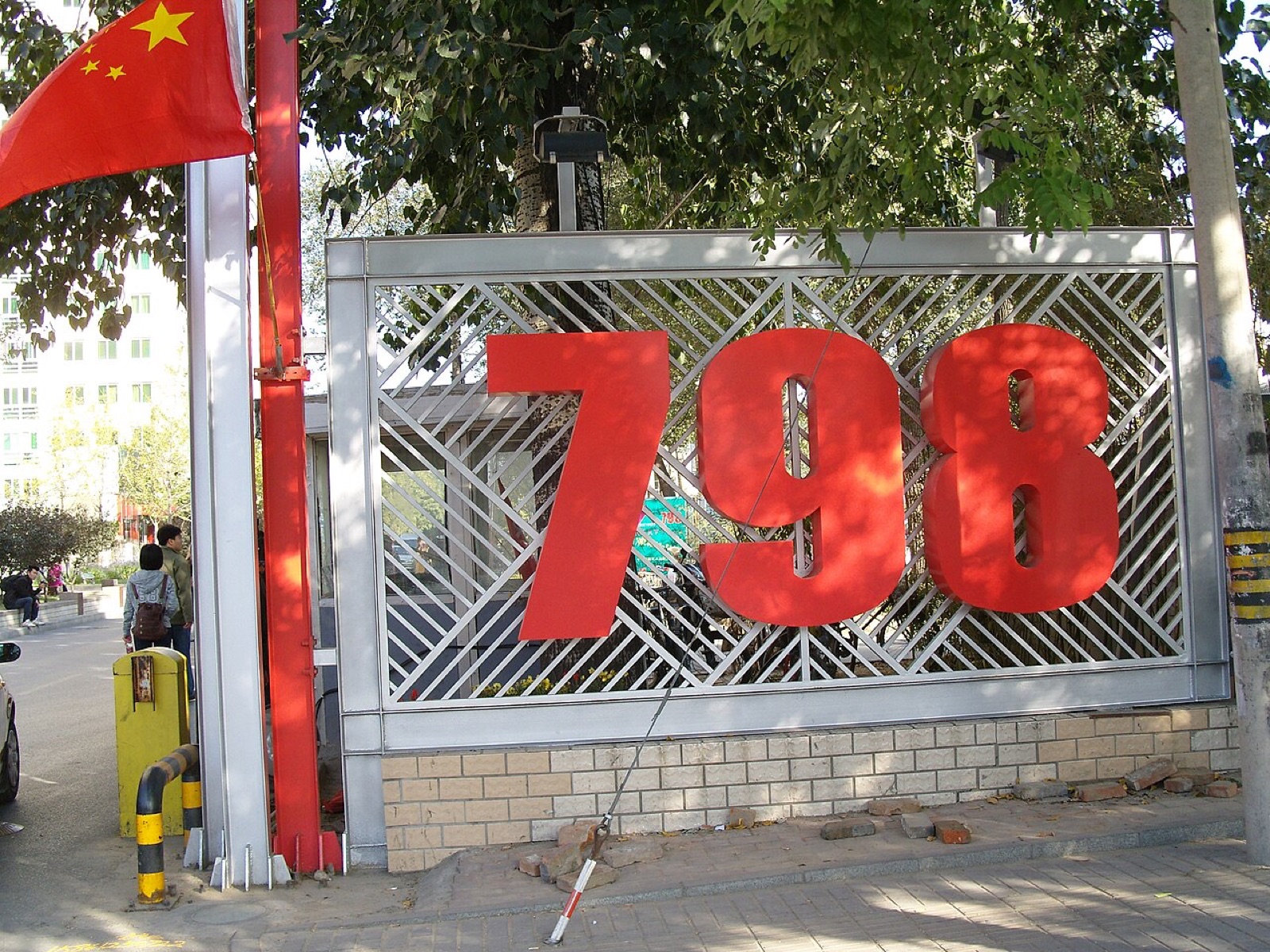
798 Art District
A Bauhaus-era factory compound turned contemporary-art quarter in the northeast, and the change of pace after two imperial days. The streetscape is free and open around the clock; galleries run roughly 10:00-18:00 and many close Monday, while headline institutions charge separately. Taxi or DiDi territory. Two to three hours.
Photo: Cory M. Grenier, CC BY-SA 2.0, via Wikimedia Commons
scenic
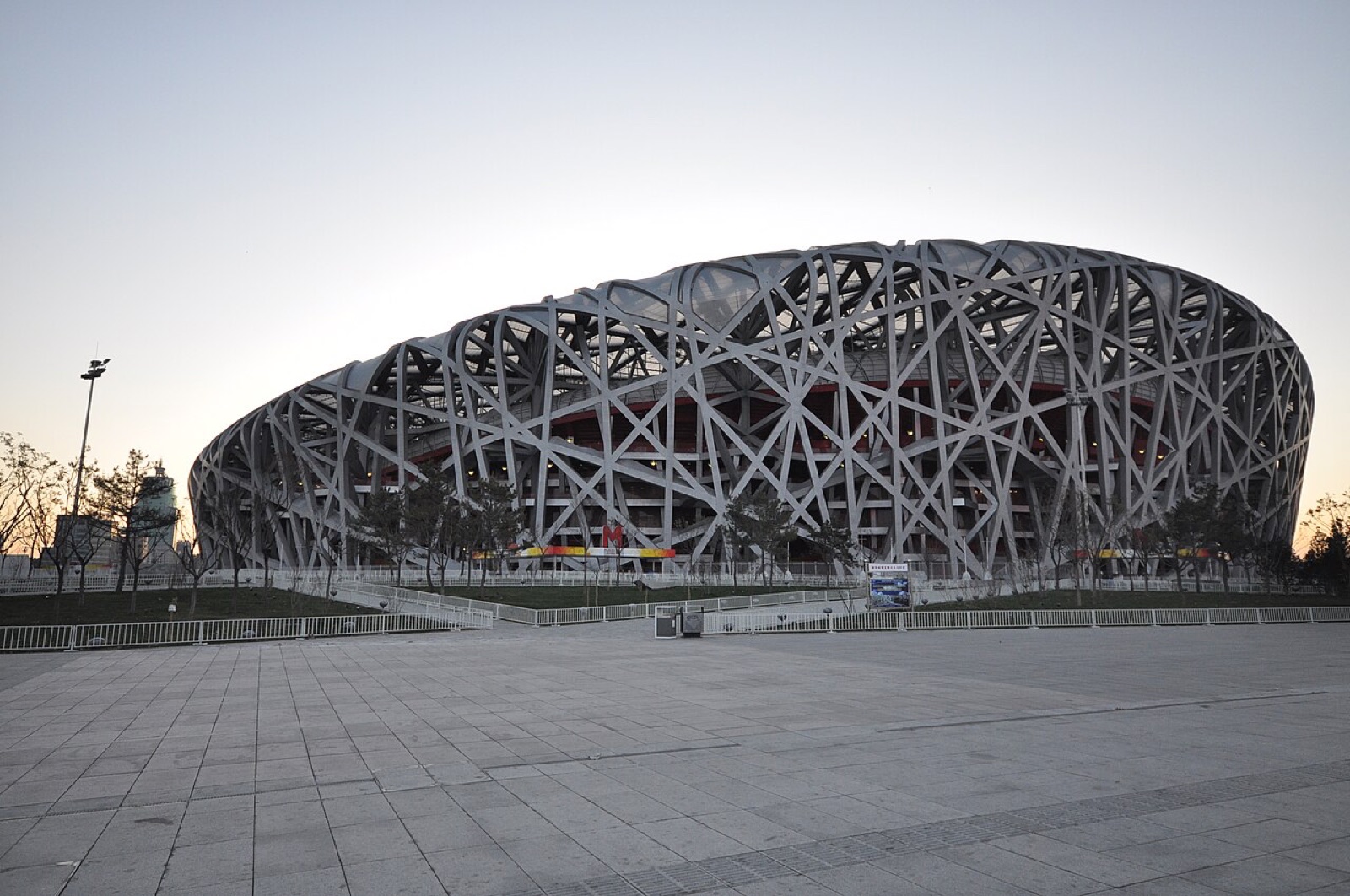
Olympic Park and the Bird's Nest
The park is free and the honest advice is that the stadium is best seen lit up from outside in the evening. The interior is ¥50 and the rooftop Sky Corridor ¥80, open to about 22:00 — worth it only for architecture and Olympics enthusiasts. An hour from outside.
Photo: Jorge Láscar from Australia, CC BY 2.0, via Wikimedia Commons
scenic
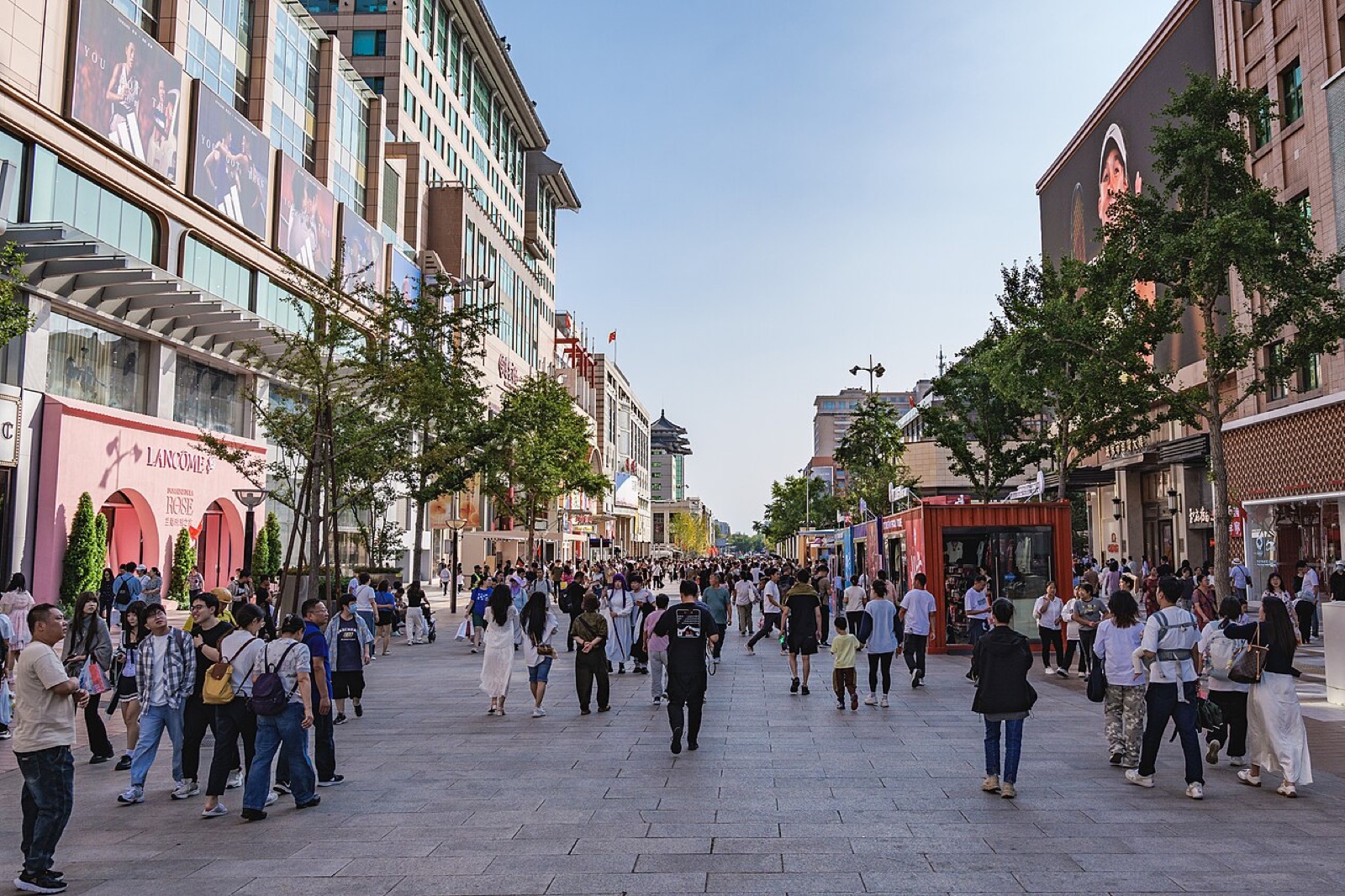
Wangfujing
The central shopping street on metro line 1, free to walk, with department stores, the big bookstore and snack alleys. Its real role in a plan is the convenient evening stroll near a lot of hotels — the snack alley is tourist-priced, and the hutong lanes and Qianmen food streets beat it for eating. About an hour.
Photo: TurnOnTheNight, CC BY-SA 4.0, via Wikimedia Commons
historic
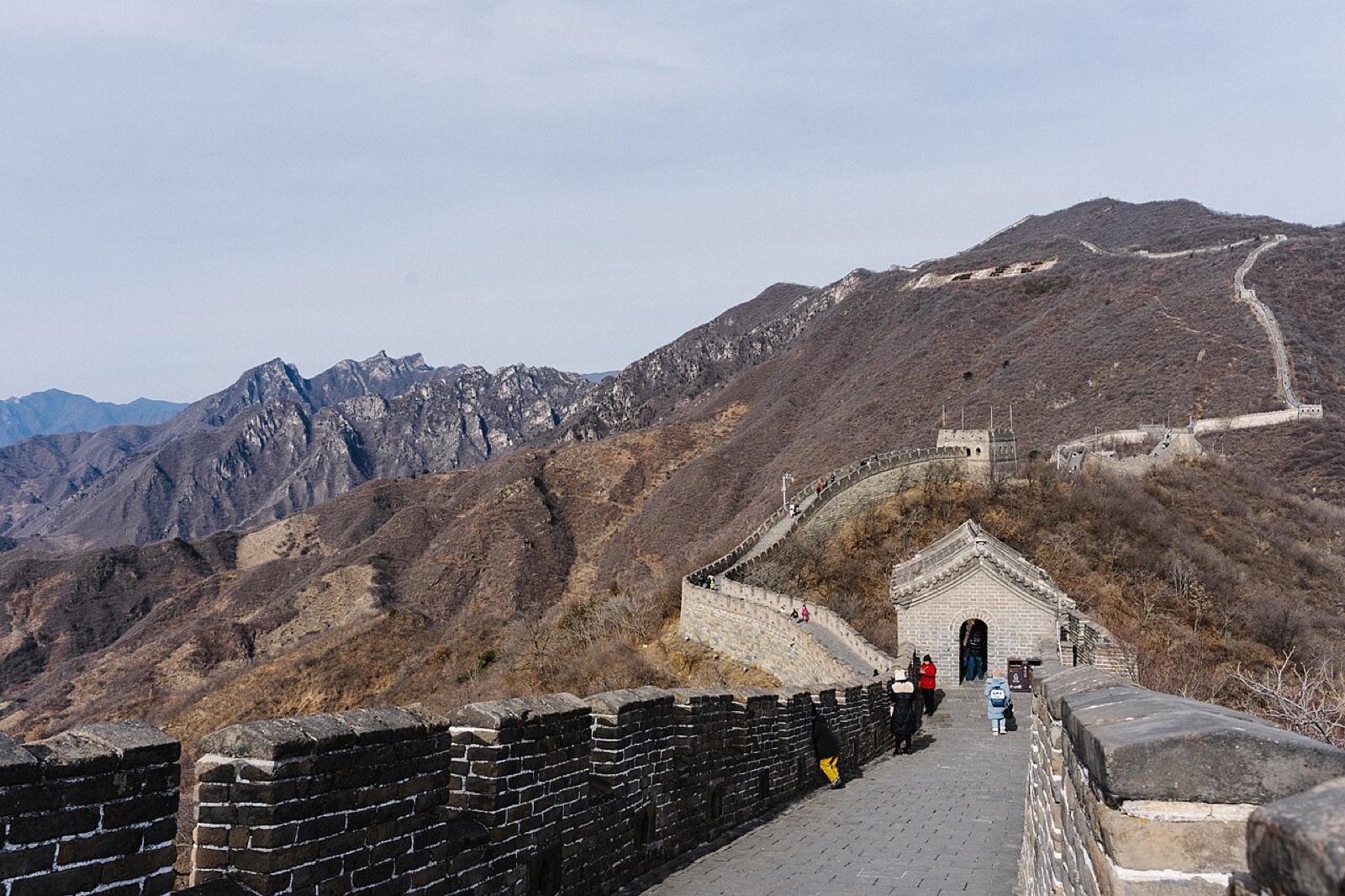
Mutianyu Great Wall
The Wall section this guide recommends: 73km northeast, fully restored, running along a forested ridgeline, and carrying roughly a third of Badaling's crowds. ¥45 entry, ¥20 for the park shuttle, ¥100 one way or ¥140 return on the cable car or chairlift, and ¥100 for the toboggan down. Bring your passport, budget six hours door to door, and leave the city by 7:30.
Photo: Lloyd Tudor, CC BY-SA 4.0, via Wikimedia Commons
historic
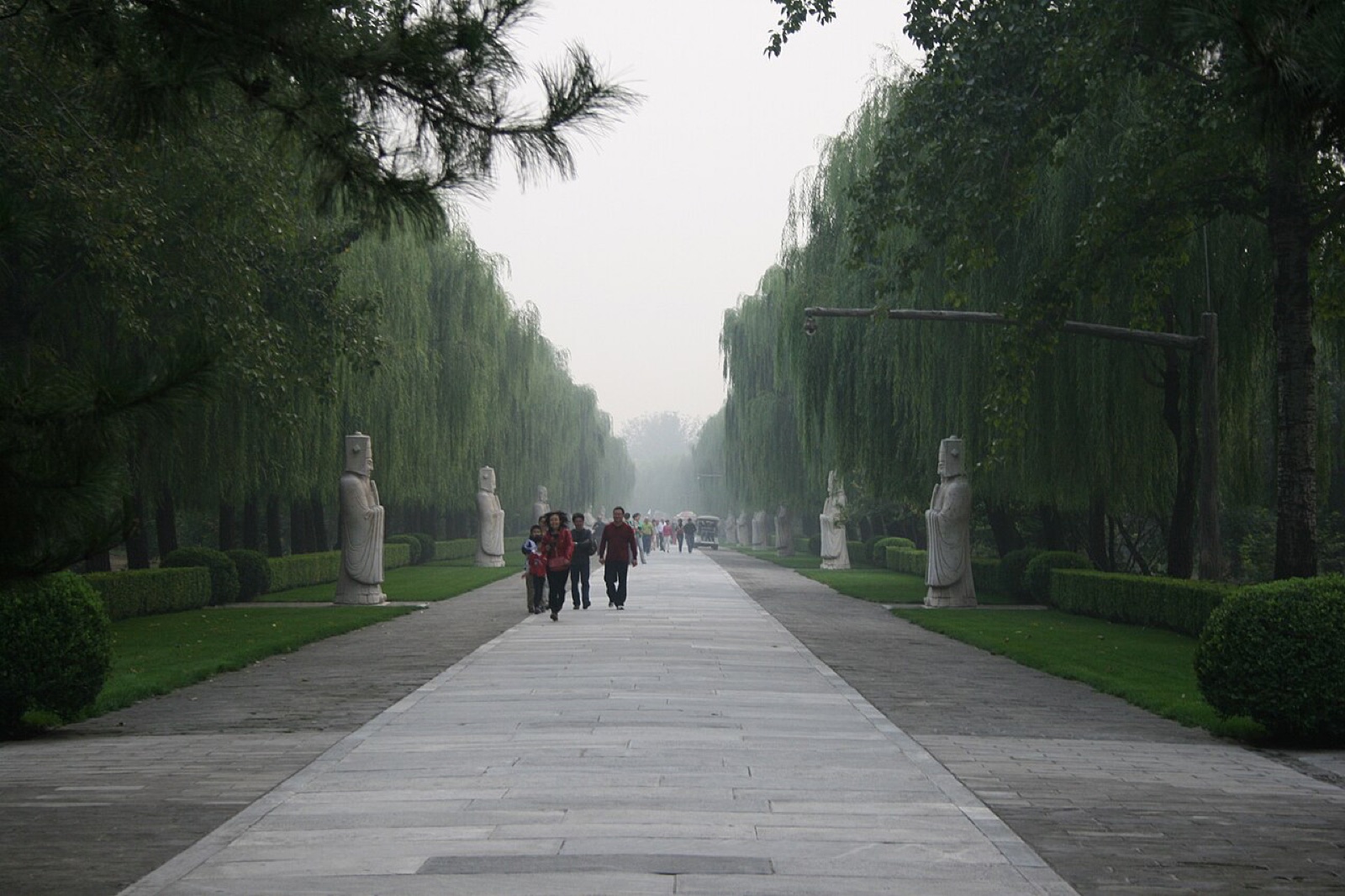
Ming Tombs (Changling)
¥45 for Changling, ¥98 for the combined ticket covering Changling, Dingling, Zhaoling and the Sacred Way. The tree-lined Sacred Way with its stone animals is the memorable part. It sits in the Badaling corridor, so it works bolted onto a Wall day and does not justify a trip of its own. One and a half to two hours on site.
Photo: Gary Todd from Xinzheng, China, CC0, via Wikimedia Commons
The guide
Three Days in Beijing: Everything Worth Seeing Needs Booking Seven Days Out
· 11 min read · Written by the PoppaTrip editors
Book before you fly, or you will not get in
This is the single fact that shapes a Beijing trip, and it is not a formality. The city's biggest sights run on real-name online reservations tied to your passport number, with hard daily caps and, at the largest ones, no walk-up tickets at all. Forbidden City slots are released exactly seven days ahead and the daily cap is 40,000; in peak season they go in minutes. A traveller who lands without a booking can be shut out of the Forbidden City for an entire stay.
Tiananmen Square is free, but since the current security regime, entering the open square also needs a free advance reservation made with passport details, bookable up to seven days out. The Chairman Mao Memorial Hall is a third, separate system — three days ahead, 2,000 people a day — and you need both it and the square booking to visit. The National Museum releases its free slots seven days ahead at about 17:00 Beijing time. Temple of Heaven sells foreign passport holders nothing at the gate: QR entry only, one to seven days ahead.
Practically, that means one evening of admin about a week before you travel, in this order: set an alarm for the Forbidden City release, then Tiananmen, then the National Museum, then Temple of Heaven and the rest. Book on the passport you will actually carry, screenshot every confirmation, and bring the original passport — it is the ticket, and photos and copies are routinely refused at reserved-entry gates. The English and foreign-passport booking flows exist but are reported to be flaky, so start early in the window rather than at the end of it.
One more scheduling rule sits on top of all this: the Forbidden City and the National Museum both close Monday. If your day one is a Monday, the whole imperial day moves and Monday becomes a hutong, park and 798 day instead.
Forbidden City (Palace Museum) — The world's largest surviving palace complex, walked south to north from the Meridian Gate in three to four hours. ¥60 April-October, ¥40 November-March; closed Monday. Tickets are online only, real-name, released exactly seven days ahead against your passport number — there is no general walk-up window, and the daily cap sells out in peak season.
Photo: EditQ, CC BY-SA 4.0, via Wikimedia CommonsTiananmen Square — Free to enter, but under the current security regime even standing in the open square needs a free advance reservation booked with passport details up to seven days ahead — without it, security turns you away. The sunrise flag-raising draws the biggest crowd of the day. Thirty to sixty minutes.
Photo: そらみみ, CC BY-SA 4.0, via Wikimedia CommonsChairman Mao Memorial Hall — The mausoleum on the square. Free, mornings only, roughly 8:00-12:00, with a 2,000-a-day cap and its own separate reservation system three days ahead — you need both this booking and the square booking. A solemn state site with a fast, silent line; plan it only if it genuinely interests you.
Photo: Ermell, CC BY-SA 4.0, via Wikimedia CommonsNational Museum of China — Free, on the east side of Tiananmen Square, and closed Monday. Reservation is mandatory: slots are released seven days ahead at about 17:00 Beijing time, in timed windows, and your physical passport is checked at the door. The Ancient China galleries in the basement are the world-class core. Two to three hours.
Photo: HBarrison, CC BY-SA 2.0, via Wikimedia Commons
Day one: the imperial axis, south to north
Start at Tiananmen Square at or near opening, on the reservation you booked, and take the Mao Memorial Hall first if it interests you — it is mornings only and the line moves fast and silently. Then go north through the Meridian Gate into the Forbidden City. Give it half a day at minimum: ¥60 in the April-October peak, ¥40 from November to March, three to four hours of walking, and the sensible route is in at the south and out at the north.
Come out of the north gate and cross straight into Jingshan Park. The fifteen-minute climb to the hilltop pavilion gives the view down the palace's roof axis that the whole day has been building to, and late afternoon light is the right time for it. Then drop west into Beihai Park — the imperial lake garden with the White Dagoba on its island, pedal boats, and locals singing and dancing on the paths. After four hours of palace courtyards, that hour is not filler.
Finish at Qianmen and Dashilar, the pedestrianised old shopping quarter south of the square, and eat Peking duck there. The main street is heavily restored, but century-old tea, cloth-shoe and pickle shops survive on it and the food lanes just off it are livelier than the main drag.
Jingshan Park — Directly opposite the Forbidden City's north exit, and the source of the photograph everyone wants: the whole palace roof axis laid out below you. A fifteen-minute climb to the hilltop pavilion, best in late afternoon. Entry has historically been about ¥2 — confirm the current price and book the QR entry with your passport. Forty-five minutes to an hour.
Photo: Gary Todd from Xinzheng, China, CC0, via Wikimedia CommonsBeihai Park — The imperial lake garden west of Jingshan, with the White Dagoba on its island and pedal boats on the water. Roughly ¥10 in peak season and ¥5 off-season plus small island add-ons — confirm the current tiers. This is the decompression stop after the Forbidden City, not another monument. One to one and a half hours.
Photo: Bjoertvedt, CC BY-SA 4.0, via Wikimedia CommonsQianmen Street and Dashilar — The pedestrianised Ming and Qing shopping quarter south of Tiananmen. Free. The main street is restored — over-restored, critics say — but century-old shops for tea, cloth shoes and pickles survive on it, and the food lanes just off it, like Xianyukou, are livelier. Good in the evening. One to one and a half hours.
Photo: The Erica Chang, CC BY 3.0, via Wikimedia Commons
Day two: the Great Wall, and which section to pick
There is no single Great Wall stop, and choosing the section is the actual decision. For most international visitors the answer is Mutianyu: 73km northeast, fully restored, running along a forested ridgeline, and carrying roughly a third of Badaling's crowds. Entry is ¥45, the park shuttle ¥20 return, the cable car or chairlift ¥100 one way or ¥140 return, and the toboggan down ¥100 — about ¥185 all in before transport, and the toboggan closes in rain or snow.
Getting there, cheapest first: subway to Dongzhimen, the 916 Express bus to Huairou, then a minibus for about ¥10 or a taxi for ¥30-50, which takes around two and a half hours; a direct tourist shuttle at roughly ¥80-140 return in one and a half to two hours; a group tour at ¥350-500 with pickup; or a private car at ¥800-1,500 for the day. Leave Beijing by 7:30, budget six hours door to door, and carry your passport for the gate.
The alternatives, honestly: Badaling is closest and cheapest to reach, from ¥40, and its trump card is the high-speed train from Qinghe that gets there in 20-30 minutes — but it is the section every domestic tour uses, and weekends and holidays are shoulder to shoulder. Jinshanling, ¥65 and about two and a half hours each way, is the hiker's and photographer's pick, part-restored and part-wild with thin public transport, so realistically a tour or a private car. Simatai, ¥40 plus a ¥40 night supplement, is the only major section open after dark, next to the Gubei Water Town resort — a niche choice with more logistics around it.
If you take the Badaling corridor, the Ming Tombs pair naturally with it on the way back: ¥45 for Changling or ¥98 for the combined ticket, with the tree-lined Sacred Way and its stone animals the part worth the stop. It is a good add-on and a poor day of its own. Back in the city, an evening at Laoshe Teahouse — tea with acrobatics, opera excerpts and shadow puppetry — is the low-effort end to a long day.
Laoshe Teahouse — The evening out this guide recommends: tea service with a rotating variety bill of acrobatics, Peking-opera excerpts, shadow puppetry and a tea ceremony, near Qianmen. Ticket bands vary by seat and tea package — confirm current prices and book ahead through official channels. About an hour and a half.
Photo: N509FZ, CC BY-SA 4.0, via Wikimedia CommonsMutianyu Great Wall — The Wall section this guide recommends: 73km northeast, fully restored, running along a forested ridgeline, and carrying roughly a third of Badaling's crowds. ¥45 entry, ¥20 for the park shuttle, ¥100 one way or ¥140 return on the cable car or chairlift, and ¥100 for the toboggan down. Bring your passport, budget six hours door to door, and leave the city by 7:30.
Photo: Lloyd Tudor, CC BY-SA 4.0, via Wikimedia CommonsMing Tombs (Changling) — ¥45 for Changling, ¥98 for the combined ticket covering Changling, Dingling, Zhaoling and the Sacred Way. The tree-lined Sacred Way with its stone animals is the memorable part. It sits in the Badaling corridor, so it works bolted onto a Wall day and does not justify a trip of its own. One and a half to two hours on site.
Photo: Gary Todd from Xinzheng, China, CC0, via Wikimedia Commons
Day three: temples, hutongs and the city people actually live in
Go to the Temple of Heaven early, and go for the park rather than the monuments. It opens at 6:00, and before nine the grounds fill with tai chi, jianzi circles, choirs and dance groups — that is half the attraction, and it is gone by mid-morning. ¥15 for the park, ¥34 for the combined ticket that includes the Hall of Prayer for Good Harvests; QR entry only for foreign passports, booked one to seven days ahead.
Then the Lama Temple, ¥25, straight off its own metro stop: a working Tibetan-Buddhist temple thick with incense, with a free bundle handed out at entry and an eighteen-metre sandalwood Maitreya in the final hall. Give it an hour.
Spend the afternoon in the hutong belt. Nanluoguxiang's main lane is commercial and packed; the quiet parallel alleys two turns off it are the real thing. Walk it up to the Drum and Bell Towers — ¥30 combined, steep stairs, and a balcony view straight down over the grey rooftops — then out along the Shichahai lakes. Eat as you go, in snack stops rather than a sit-down lunch.
If you have appetite for one more anchor, the Summer Palace is the strongest, but it is a genuine half-day 45-60 minutes northwest, so give it a morning and drop a temple rather than sprinting all four. For a fourth day, 798 Art District is the change of pace, and Olympic Park is best as a free evening walk with the Bird's Nest lit up rather than a paid interior visit.
Temple of Heaven (Tiantan) — ¥15 for the park, ¥34 for the combined ticket including the Hall of Prayer for Good Harvests. The park opens at 6:00 and the morning is the point — tai chi, jianzi, choirs and dance groups fill it before nine. Foreign passport holders cannot buy at the gate: it is QR-code entry only, pre-booked one to seven days ahead. Two to three hours.
Photo: xiquinhosilva, CC BY 2.0, via Wikimedia CommonsSummer Palace (Yiheyuan) — Kunming Lake, the Long Corridor and the Marble Boat, 45-60 minutes northwest of the centre by metro. ¥30 April-October or ¥20 off-season for entry, ¥60 for the combined ticket with the interior sights. Genuinely a half-day and almost entirely outdoors, so it is the stop weather can ruin. Pre-book online like everything else here.
Photo: HoweyYuan, CC BY-SA 4.0, via Wikimedia CommonsLama Temple (Yonghegong) — ¥25, open 9:00-17:00 April-October and 9:00-16:30 November-March, straight off its own metro stop. A working Tibetan-Buddhist temple thick with incense — a bundle comes free with entry — and the eighteen-metre sandalwood Maitreya in the last hall is the payoff. One to one and a half hours.
Photo: 호고호, CC0, via Wikimedia CommonsNanluoguxiang and the surrounding hutongs — Free and always open. The 800-metre flagship lane is packed and commercial, but the quiet parallel alleys two turns off it — Mao'er, Ju'er, Doujiao — are where the courtyard texture actually is. Snack-crawl territory. One to two hours.
Photo: Anagoria, CC BY 3.0, via Wikimedia CommonsShichahai lakes and the hutong belt — Free. Willow-lined lakeside paths, old courtyard housing, pedal boats in summer, and in January and February public skating on the frozen lake — the one genuine winter draw in this guide. Rickshaw drivers tout hard here; agree a full price in writing before you board, or skip them. One to two hours.
Photo: Morio, CC BY-SA 4.0, via Wikimedia CommonsDrum Tower and Bell Tower — ¥30 for the combined ticket, about 9:30-17:30 in peak season, with short drum performances several times a day. The stairs are steep and the reward is the Drum Tower balcony view straight down over the hutong rooftops. About an hour.
Photo: Toadspike, CC BY-SA 4.0, via Wikimedia Commons798 Art District — A Bauhaus-era factory compound turned contemporary-art quarter in the northeast, and the change of pace after two imperial days. The streetscape is free and open around the clock; galleries run roughly 10:00-18:00 and many close Monday, while headline institutions charge separately. Taxi or DiDi territory. Two to three hours.
Photo: Cory M. Grenier, CC BY-SA 2.0, via Wikimedia CommonsOlympic Park and the Bird's Nest — The park is free and the honest advice is that the stadium is best seen lit up from outside in the evening. The interior is ¥50 and the rooftop Sky Corridor ¥80, open to about 22:00 — worth it only for architecture and Olympics enthusiasts. An hour from outside.
Photo: Jorge Láscar from Australia, CC BY 2.0, via Wikimedia Commons
Set up your phone before you land
China is effectively cashless, and this is the prep item that most changes how the trip feels. Alipay and WeChat Pay have both accepted foreign Visa and Mastercard directly since 2023-24 — set at least one up before you travel, with your passport, card and home phone number, in about twenty to thirty minutes. Alipay is the better documented path for foreigners and also carries the Beijing metro QR code. Foreign cards almost never work at ordinary point-of-sale terminals outside international hotels, and street food vendors are QR-only in practice. Carry about ¥200 in cash as a backup; it is legal tender, though small vendors may struggle for change.
Google, Instagram, WhatsApp and most Western sites are blocked on local networks. The two workable options are installing a reputable VPN before arrival — you cannot download one inside China — or using an international eSIM or roaming, where the data routes outside the firewall. Tourist VPN use for mail and maps is not enforced against in practice, but it sits in a legal grey zone; that is the whole honest picture. For navigation, use Apple Maps or Amap: Google Maps data in China is unreliable regardless of whether you can reach it.
The metro is vast, cheap and signed in English, at ¥3-7 a ride by distance, ¥25 flat on the Capital Airport Express and ¥10-35 on the Daxing one. Pay with the Alipay transport QR or buy a physical Yikatong card at a service desk with a ¥20 deposit and your passport. Every station has airport-style bag X-ray screening, so add five to ten minutes at busy interchanges; Tiananmen-area stations queue worst and close intermittently around state events. For everything the metro does not reach, DiDi's English app works for tourists, takes an overseas number and a foreign card, and auto-translates driver messages — it is more practical than flagging a street taxi, where drivers speak little English.
Three smaller things. Carry the physical passport every single day: it is checked at hotel check-in, at attraction gates where it is the ticket, and at random security points around Tiananmen. Do not tip — it is not practised in restaurants, taxis or hotels anywhere here, and it causes confusion. And on visas, many nationalities now enter visa-free and a 240-hour visa-free transit covers a long list of countries with an onward ticket to a third country, but the rules are nationality-specific and moving — check the current list for your own passport rather than trusting a guide.
Eating: duck, jianbing, and the tea house evening
Peking duck is the one non-negotiable meal. A whole duck runs ¥160-400 and serves two to four, plus ¥30-60 a head for pancakes, sides and tea, and the carving cart and the wrapping lesson are as much of the experience as the food. Siji Minfu is the value pick with several branches — expect a queue, so go early or take a lunch slot; the branch near the Forbidden City's east gate is the convenient one. Bianyifang, at ¥258-328 a duck, is the heritage choice, and Quanjude the famous but touristy one at around ¥230 for a duck set.
The best cheap food line in this guide is jianbing, the breakfast crepe, at ¥8-15 from a morning street cart with another ¥2-3 for extra egg or sausage. The version from a cart in a hutong is half the price of the snack-street one and better. Beyond that: zhajiangmian at a noodle house, Qing-Feng steamed buns, tanghulu candied hawthorn in winter, and hot pot as the cold-weather group meal.
For evening eating, the hierarchy is straightforward. The lanes off Nanluoguxiang and the Qianmen and Xianyukou food streets beat Wangfujing's snack alley, which is tourist-priced — fine for the stroll, and you can skip the scorpions-on-sticks photo bait. Most night-market snacks run ¥10-50, and ¥50-100 fills one person up.
The evening out this guide points at is a tea house. Laoshe Teahouse near Qianmen does the show-with-tea format — acrobatics, Peking-opera excerpts, shadow puppetry and a tea ceremony — and quieter traditional tasting rooms cluster around Qianmen and Dashilar, where Zhangyiyuan is the century-old name to look for. All of it, street carts included, runs on the payment apps you set up before flying.
Wangfujing — The central shopping street on metro line 1, free to walk, with department stores, the big bookstore and snack alleys. Its real role in a plan is the convenient evening stroll near a lot of hotels — the snack alley is tourist-priced, and the hutong lanes and Qianmen food streets beat it for eating. About an hour.
Photo: TurnOnTheNight, CC BY-SA 4.0, via Wikimedia Commons
The short answers
Do I need to book anything in advance for Beijing?
Yes, and this is the trip-defining fact. The Forbidden City, Tiananmen Square, the National Museum and the Temple of Heaven all require real-name online reservations tied to your passport number, with no general walk-up option. Forbidden City and Tiananmen slots open exactly seven days ahead; the National Museum releases at about 17:00 Beijing time seven days out; the Chairman Mao Memorial Hall is a separate booking three days ahead. Book the moment each window opens, and carry the original passport you booked with.
How many days do you need in Beijing?
Three days covers this guide: day one is the imperial axis from Tiananmen through the Forbidden City to Jingshan and Beihai, day two is the Great Wall, and day three is the Temple of Heaven, the Lama Temple and the hutongs. A fourth day buys you the Summer Palace properly, or 798 Art District as a change of pace.
Which Great Wall section should I visit?
Mutianyu for most international visitors: fully restored, on a forested ridgeline, with roughly a third of Badaling's crowds, at ¥45 entry plus about ¥140 more for the shuttle, cable car and toboggan. Badaling is closest and reachable by a 20-30 minute high-speed train, but it is the most crowded section by a distance. Jinshanling is the hiker's pick at ¥65, two and a half hours out and realistically a tour or private car. Simatai is the only one open at night.
When should you go to Beijing, and when should you not?
September and October, excluding the first week, are the sweet spot — dry clear air, the best air-quality odds of the year, 15-24°C days and autumn colour at the Wall. April and May are the runner-up, with the caveat of dust days in spring. Three windows to avoid: National Day Golden Week, October 1-7, when hundreds of millions of domestic travellers move and every reservation vanishes as it opens; Chinese New Year week, when many family restaurants and small shops close and the transport system carries the largest annual migration on earth; and July and August, at 30-35°C, humid, rainy and at the domestic holiday peak. The early-May holiday, May 1-5, spikes like a smaller Golden Week.
Is winter worth it in Beijing?
It is a real trade, not a no. November to February is cold, often below freezing, and dry, but the big sites are cheap and close to empty, and the skating on the frozen Shichahai lakes is a genuine draw you cannot get in any other season. The honest cost is the heating-season smog risk, which is the thing to weigh.
How bad is the air quality now?
Much better than the headlines you remember — 2024 was Beijing's best air year since monitoring began — but it is not solved. Winter heating-season smog episodes from November to February and dust or sandstorm days in March and April still happen, and spring average readings can top an AQI of 100. Check a live air-quality app the morning of your Wall day: the Wall on a clear autumn day and on a grey one are different trips.
How do I pay for things in China as a foreigner?
Set up Alipay or WeChat Pay before you fly — both have accepted foreign Visa and Mastercard directly since 2023-24, and it takes twenty to thirty minutes with your passport, card and home phone number. Alipay is the better documented route for foreigners and also carries the Beijing metro QR code. Foreign cards almost never work at ordinary terminals outside international hotels, and street vendors are QR-only, so carry about ¥200 in cash purely as a backup.
Do I need a VPN in Beijing?
If you want Google, Gmail, Instagram or WhatsApp on a local network, yes — install a reputable VPN before arrival, because you cannot download one inside China. The alternative is an international eSIM or roaming, where your data routes outside the firewall. Tourist use for mail and maps is not enforced against in practice, but it sits in a legal grey zone. Use Apple Maps or Amap for navigation either way; Google Maps data in China is unreliable.
How do you get around Beijing?
The metro, mostly: vast, signed in English, and ¥3-7 a ride by distance, with ¥25 flat on the Capital Airport Express and ¥10-35 on the Daxing Airport Express. Pay with the Alipay transport QR or buy a Yikatong card at a service desk for a ¥20 deposit with your passport. Every station has bag X-ray screening, so add five to ten minutes at busy interchanges. For what the metro misses, use DiDi — its English app takes an overseas number and a foreign card and auto-translates driver messages.
Do you tip in Beijing?
No. Tipping is not practised in restaurants, taxis or hotels, and offering one mostly causes confusion. Leave nothing.
Do I need a visa for China?
It depends on your passport and the rules keep moving. Many nationalities now enter visa-free, and a 240-hour visa-free transit covers a long list of countries when you hold an onward ticket to a third country. Check the current list for your own passport before you book anything — this guide will not promise you an entry status.
How much walking is there?
A lot. Beijing blocks are longer than a map makes them look, 20-25,000 steps a day is normal here, and bag X-ray screening guards every metro station and major site. Build in sit-down tea and park time, and never schedule two far-flung anchors — the Summer Palace and the Temple of Heaven, say — back to back in one afternoon.
Who does Beijing especially suit?
Planners, above all. The greatest sights here are cheap — ¥60 for the Forbidden City, ¥34 for the Temple of Heaven, ¥3-7 for a metro ride — but they are locked behind seven-day passport reservations, so the traveller who books the moment windows open wins and the spontaneous one gets shut out. It suits history-first travellers, who get three great imperial complexes and the Great Wall in one trip, and street-food eaters on any budget. It suits less well anyone unwilling to do app setup before flying, anyone who dislikes security lines and crowds, and anyone locked into Golden Week or midsummer.
Written by hand and fact-checked on 2026-08-28. Opening hours, ticketing and prices
change — check them before you rely on them.
FAQ
Questions about Beijing, China
Do I need to book anything in advance for Beijing?
Yes, and this is the trip-defining fact. The Forbidden City, Tiananmen Square, the National Museum and the Temple of Heaven all require real-name online reservations tied to your passport number, with no general walk-up option. Forbidden City and Tiananmen slots open exactly seven days ahead; the National Museum releases at about 17:00 Beijing time seven days out; the Chairman Mao Memorial Hall is a separate booking three days ahead. Book the moment each window opens, and carry the original passport you booked with.
How many days do you need in Beijing?
Three days covers this guide: day one is the imperial axis from Tiananmen through the Forbidden City to Jingshan and Beihai, day two is the Great Wall, and day three is the Temple of Heaven, the Lama Temple and the hutongs. A fourth day buys you the Summer Palace properly, or 798 Art District as a change of pace.
Which Great Wall section should I visit?
Mutianyu for most international visitors: fully restored, on a forested ridgeline, with roughly a third of Badaling's crowds, at ¥45 entry plus about ¥140 more for the shuttle, cable car and toboggan. Badaling is closest and reachable by a 20-30 minute high-speed train, but it is the most crowded section by a distance. Jinshanling is the hiker's pick at ¥65, two and a half hours out and realistically a tour or private car. Simatai is the only one open at night.
When should you go to Beijing, and when should you not?
September and October, excluding the first week, are the sweet spot — dry clear air, the best air-quality odds of the year, 15-24°C days and autumn colour at the Wall. April and May are the runner-up, with the caveat of dust days in spring. Three windows to avoid: National Day Golden Week, October 1-7, when hundreds of millions of domestic travellers move and every reservation vanishes as it opens; Chinese New Year week, when many family restaurants and small shops close and the transport system carries the largest annual migration on earth; and July and August, at 30-35°C, humid, rainy and at the domestic holiday peak. The early-May holiday, May 1-5, spikes like a smaller Golden Week.
Is winter worth it in Beijing?
It is a real trade, not a no. November to February is cold, often below freezing, and dry, but the big sites are cheap and close to empty, and the skating on the frozen Shichahai lakes is a genuine draw you cannot get in any other season. The honest cost is the heating-season smog risk, which is the thing to weigh.
How bad is the air quality now?
Much better than the headlines you remember — 2024 was Beijing's best air year since monitoring began — but it is not solved. Winter heating-season smog episodes from November to February and dust or sandstorm days in March and April still happen, and spring average readings can top an AQI of 100. Check a live air-quality app the morning of your Wall day: the Wall on a clear autumn day and on a grey one are different trips.
How do I pay for things in China as a foreigner?
Set up Alipay or WeChat Pay before you fly — both have accepted foreign Visa and Mastercard directly since 2023-24, and it takes twenty to thirty minutes with your passport, card and home phone number. Alipay is the better documented route for foreigners and also carries the Beijing metro QR code. Foreign cards almost never work at ordinary terminals outside international hotels, and street vendors are QR-only, so carry about ¥200 in cash purely as a backup.
Do I need a VPN in Beijing?
If you want Google, Gmail, Instagram or WhatsApp on a local network, yes — install a reputable VPN before arrival, because you cannot download one inside China. The alternative is an international eSIM or roaming, where your data routes outside the firewall. Tourist use for mail and maps is not enforced against in practice, but it sits in a legal grey zone. Use Apple Maps or Amap for navigation either way; Google Maps data in China is unreliable.
How do you get around Beijing?
The metro, mostly: vast, signed in English, and ¥3-7 a ride by distance, with ¥25 flat on the Capital Airport Express and ¥10-35 on the Daxing Airport Express. Pay with the Alipay transport QR or buy a Yikatong card at a service desk for a ¥20 deposit with your passport. Every station has bag X-ray screening, so add five to ten minutes at busy interchanges. For what the metro misses, use DiDi — its English app takes an overseas number and a foreign card and auto-translates driver messages.
Do you tip in Beijing?
No. Tipping is not practised in restaurants, taxis or hotels, and offering one mostly causes confusion. Leave nothing.
Do I need a visa for China?
It depends on your passport and the rules keep moving. Many nationalities now enter visa-free, and a 240-hour visa-free transit covers a long list of countries when you hold an onward ticket to a third country. Check the current list for your own passport before you book anything — this guide will not promise you an entry status.
How much walking is there?
A lot. Beijing blocks are longer than a map makes them look, 20-25,000 steps a day is normal here, and bag X-ray screening guards every metro station and major site. Build in sit-down tea and park time, and never schedule two far-flung anchors — the Summer Palace and the Temple of Heaven, say — back to back in one afternoon.
Who does Beijing especially suit?
Planners, above all. The greatest sights here are cheap — ¥60 for the Forbidden City, ¥34 for the Temple of Heaven, ¥3-7 for a metro ride — but they are locked behind seven-day passport reservations, so the traveller who books the moment windows open wins and the spontaneous one gets shut out. It suits history-first travellers, who get three great imperial complexes and the Great Wall in one trip, and street-food eaters on any budget. It suits less well anyone unwilling to do app setup before flying, anyone who dislikes security lines and crowds, and anyone locked into Golden Week or midsummer.
How many places are in this Beijing, China guide?
19 curated places, each with a real photo, a category, and a short description.
What categories does it cover?
historic, scenic, nature, cultural.
How do I plan a full trip to Beijing, China?
Tell PoppaTrip your travel style in the wizard and we'll build a day-by-day itinerary with hotels, routing, and booking links. Answering the wizard and previewing your destination is free; building and unlocking your complete trip is a one-time $9.99.
Do the photos show the real venues?
Yes — every photo is a real photo of that specific place, never a stock image.
Ready to plan your Beijing, China trip?
Beijing rewards booking a week ahead more than any city in this collection — the reservation calendar, not the map, is what decides your days.

 historic