Lisbon runs on stairs, cobbles and a handful of free viewpoints — and on one day trip that needs booking before you land. Here is the order that keeps day one from wrecking day two, and the handful of things worth knowing first.
21 curated places9 min readUpdated 2026-08-27
Everything worth your time in Lisbon, Portugal
21 places we would actually send someone to, across 5 categories. Every photo is of that specific place.
historic
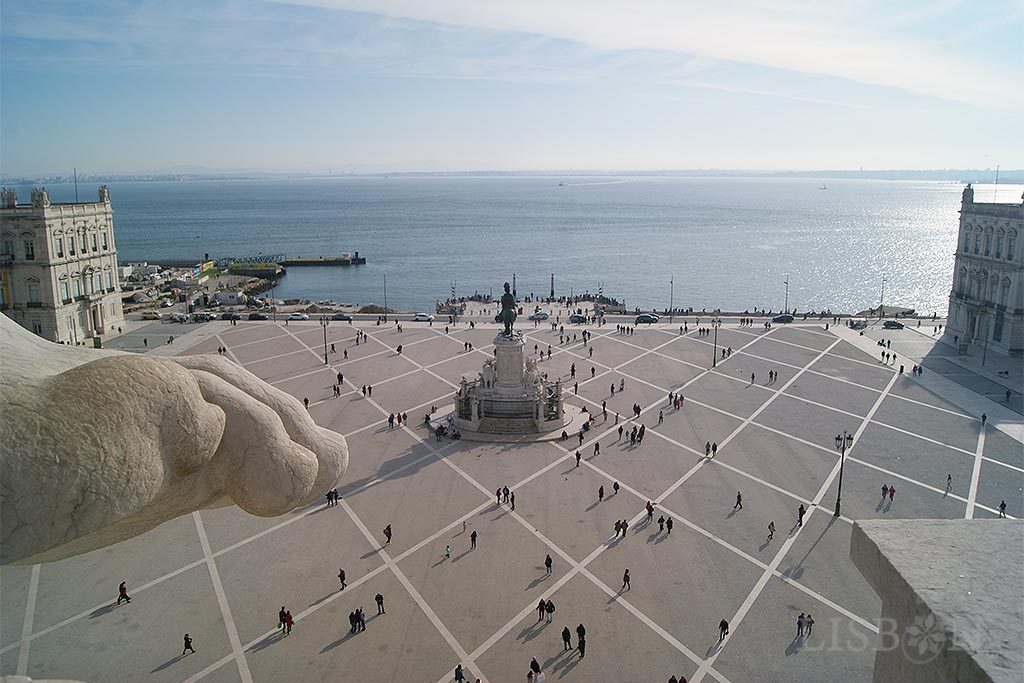
Praça do Comércio + Rua Augusta Arch
The grand riverfront square rebuilt after the 1755 earthquake — the square is free and always open, the natural starting point for Baixa. The Rua Augusta Arch frames the square from the shopping street behind it, though the arch's rooftop viewpoint charges admission.
historic
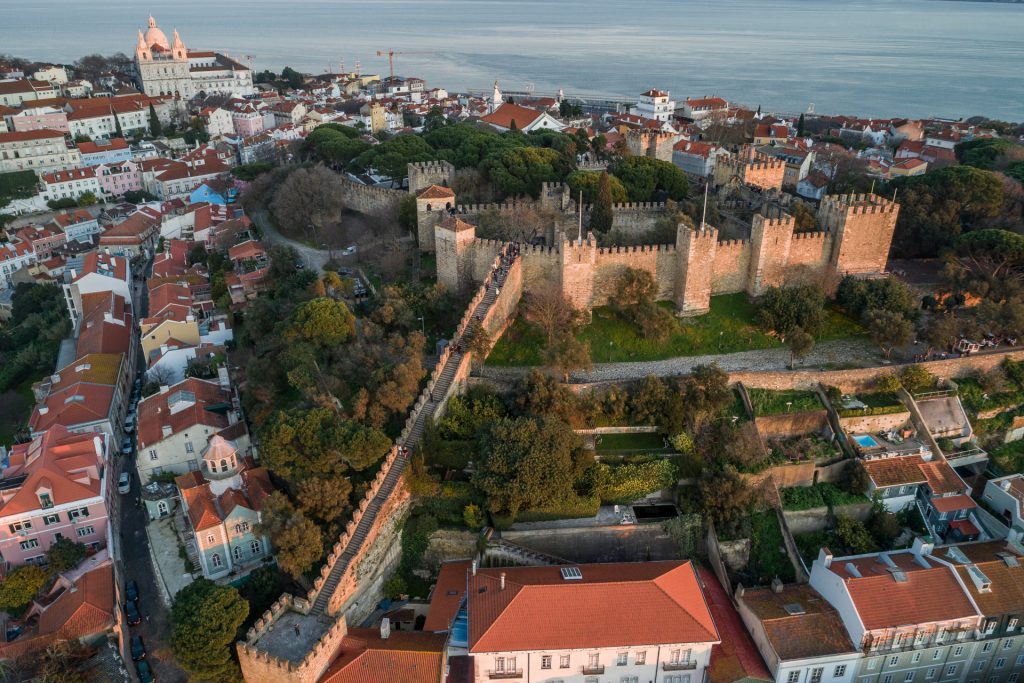
Castelo de São Jorge
Moorish castle walls above Alfama with the best free-ranging rampart views over the city and river. €17 adult (2026) — the honest note is you're paying mostly for the view and the walls, not a furnished palace.
historic
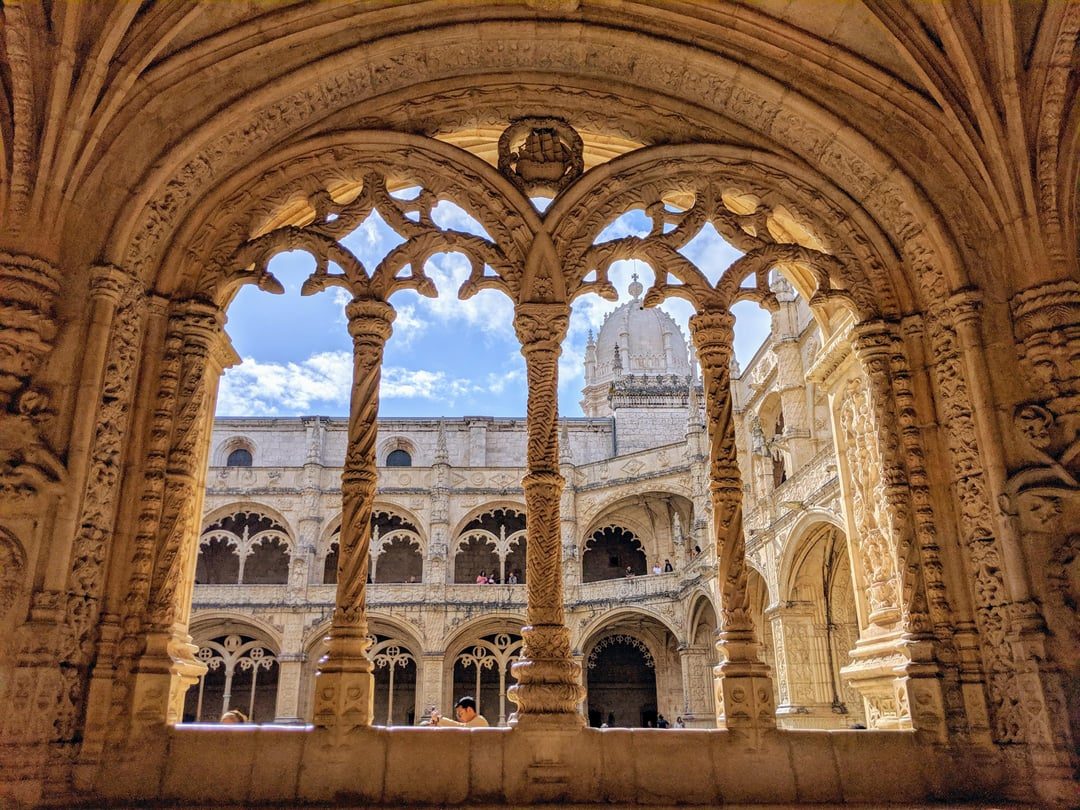
Mosteiro dos Jerónimos
The Manueline cloister here is the single most impressive interior in Lisbon. €18 adult (the church itself is free, on a separate line); closed Monday. Arrive at opening or book online — midday lines run long.
historic
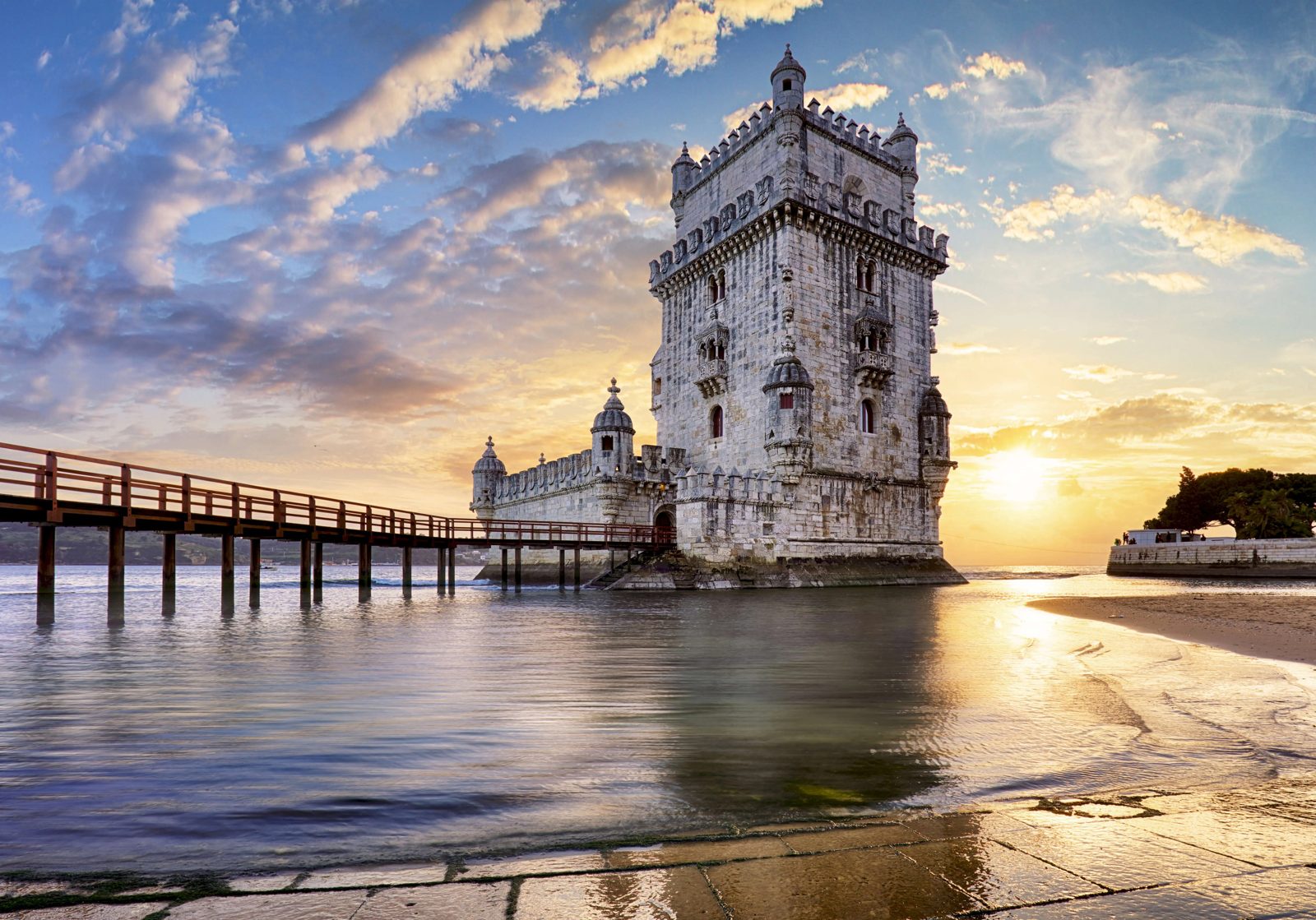
Torre de Belém
A riverfront tower whose exterior and riverside view are free — and the main draw for most visitors anyway. €8 adult for the interior, which has seen intermittent restoration-related closures; confirm access before you go.
food
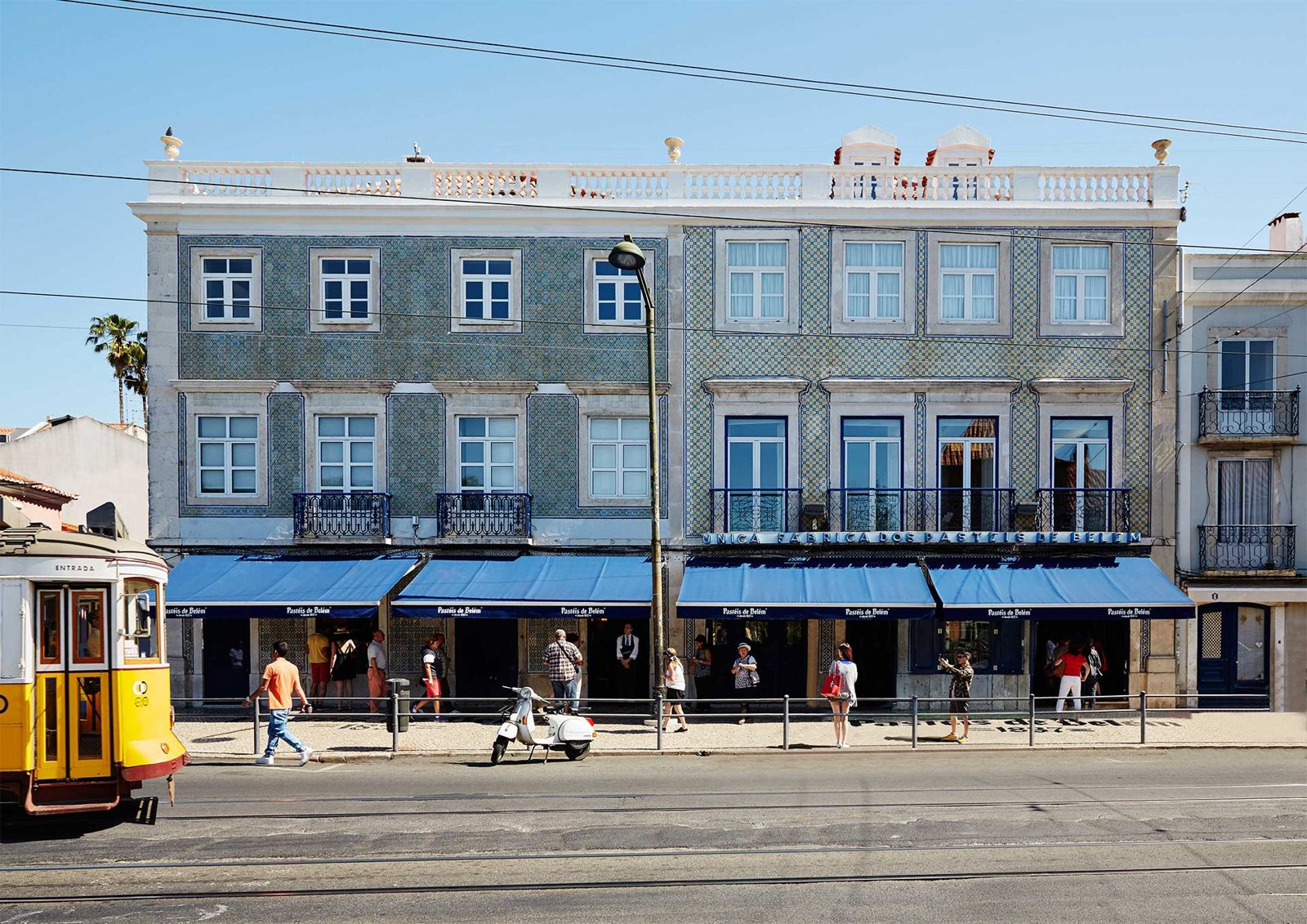
Pastéis de Belém (the original pastelaria)
The 1837 birthplace of the pastel de nata, still baking from the original recipe — named best pastry in the world by TasteAtlas (2026). The takeaway line moves fast; the sit-down rooms inside are bigger than the street queue suggests.
scenic
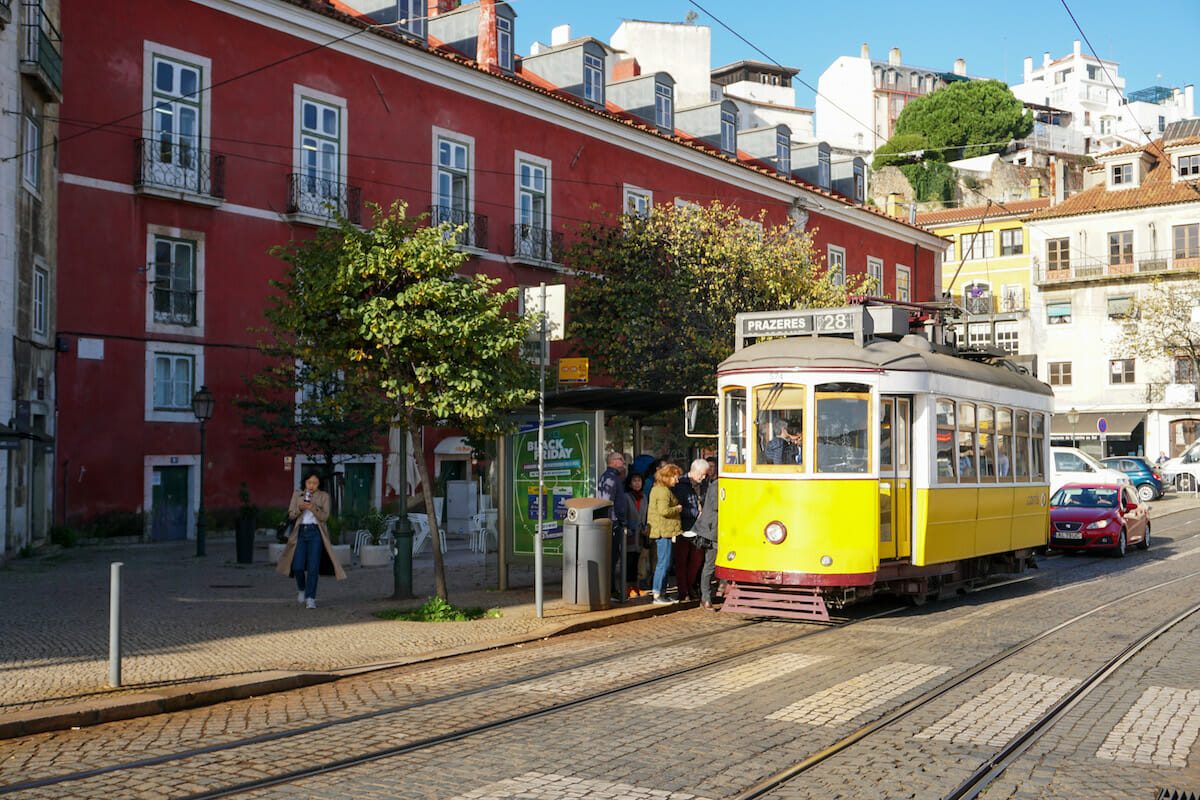
Tram 28 (Martim Moniz → Campo de Ourique)
The classic wooden tram through Graça, Alfama, Baixa and Estrela — €3.30 on board, about €1.90 with a transit card. It's also Lisbon's #1 pickpocket hotspot: bag worn in front, phone away while boarding, especially on the steep bends.
scenic
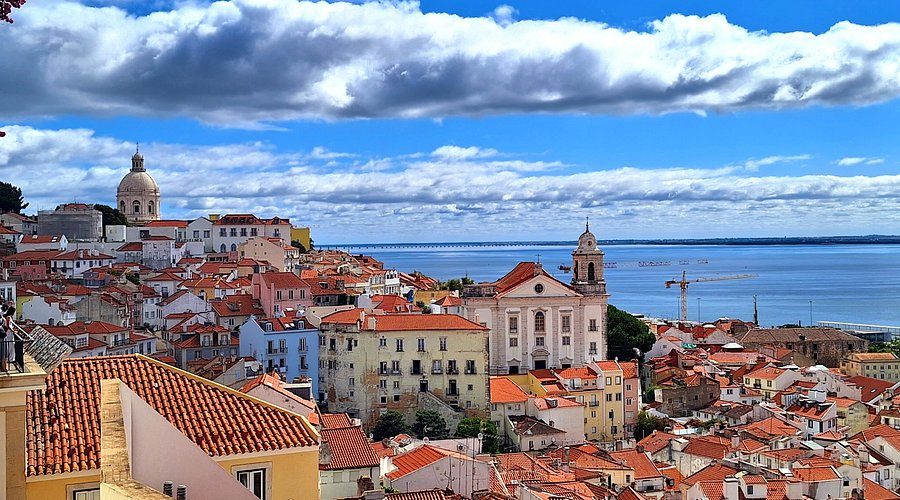
Alfama (walking neighborhood) + Miradouro das Portas do Sol / Santa Luzia
The pre-earthquake medieval maze below the castle, with two adjacent miradouros giving the postcard view over the rooftops to the river. Free, no hours — go deliberately lost.
scenic
Miradouro da Senhora do Monte
The highest viewpoint in central Lisbon and the sunset spot locals actually use, with a wide view over the castle, Baixa and the bridge. Free, always open.
cultural
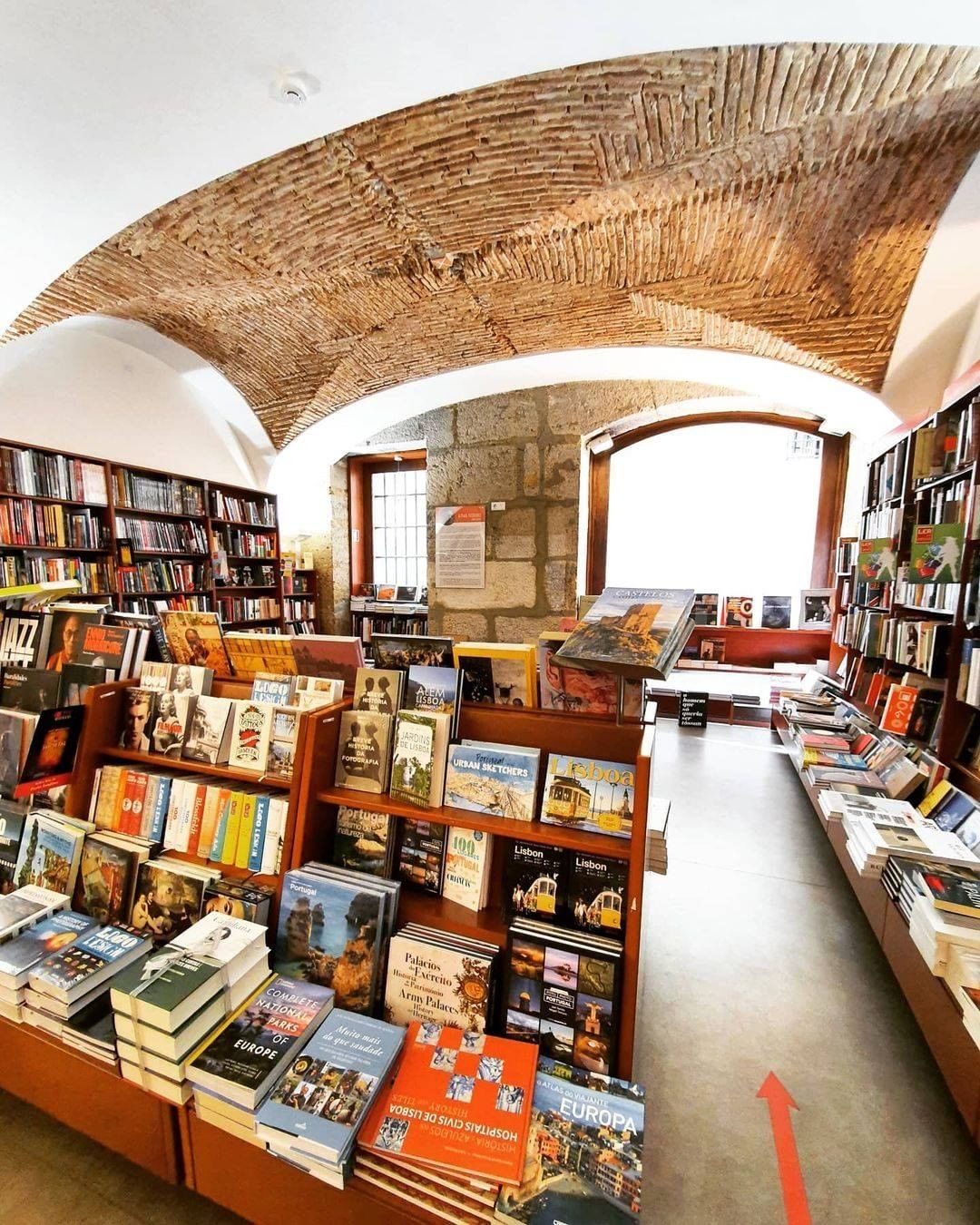
Livraria Bertrand
Guinness-certified as the oldest operating bookstore in the world, founded in 1732 — buy any book and they'll stamp it with the oldest-bookstore seal. Free entry.
scenic
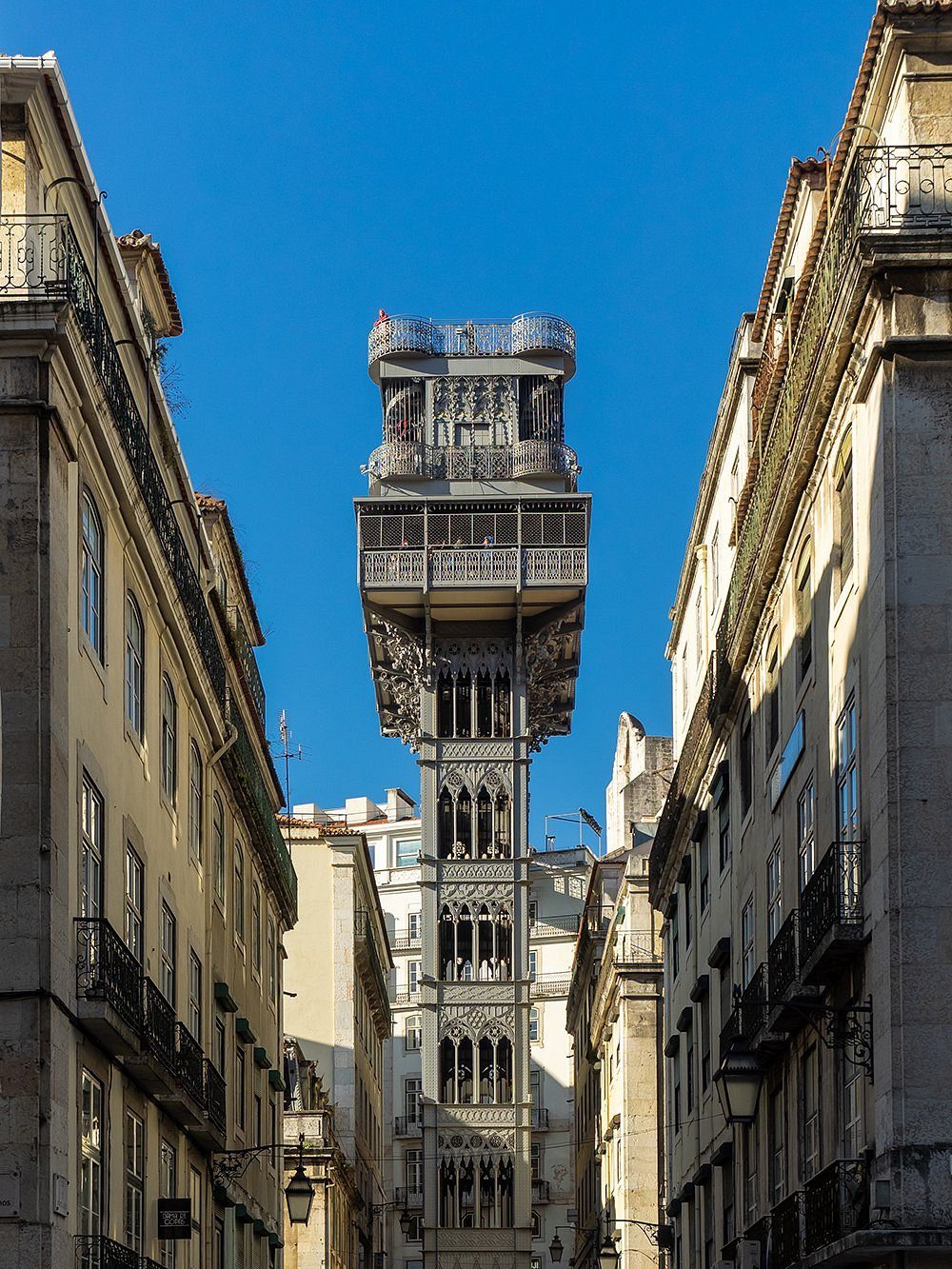
Elevador de Santa Justa
A cast-iron lift linking Baixa to Chiado; €5.30 for the ride and walkway if bought on the spot, but it's covered by the 24-hour transit pass — skip the long paid queue and either use the pass or walk up through Chiado to the free upper walkway entrance.
scenic
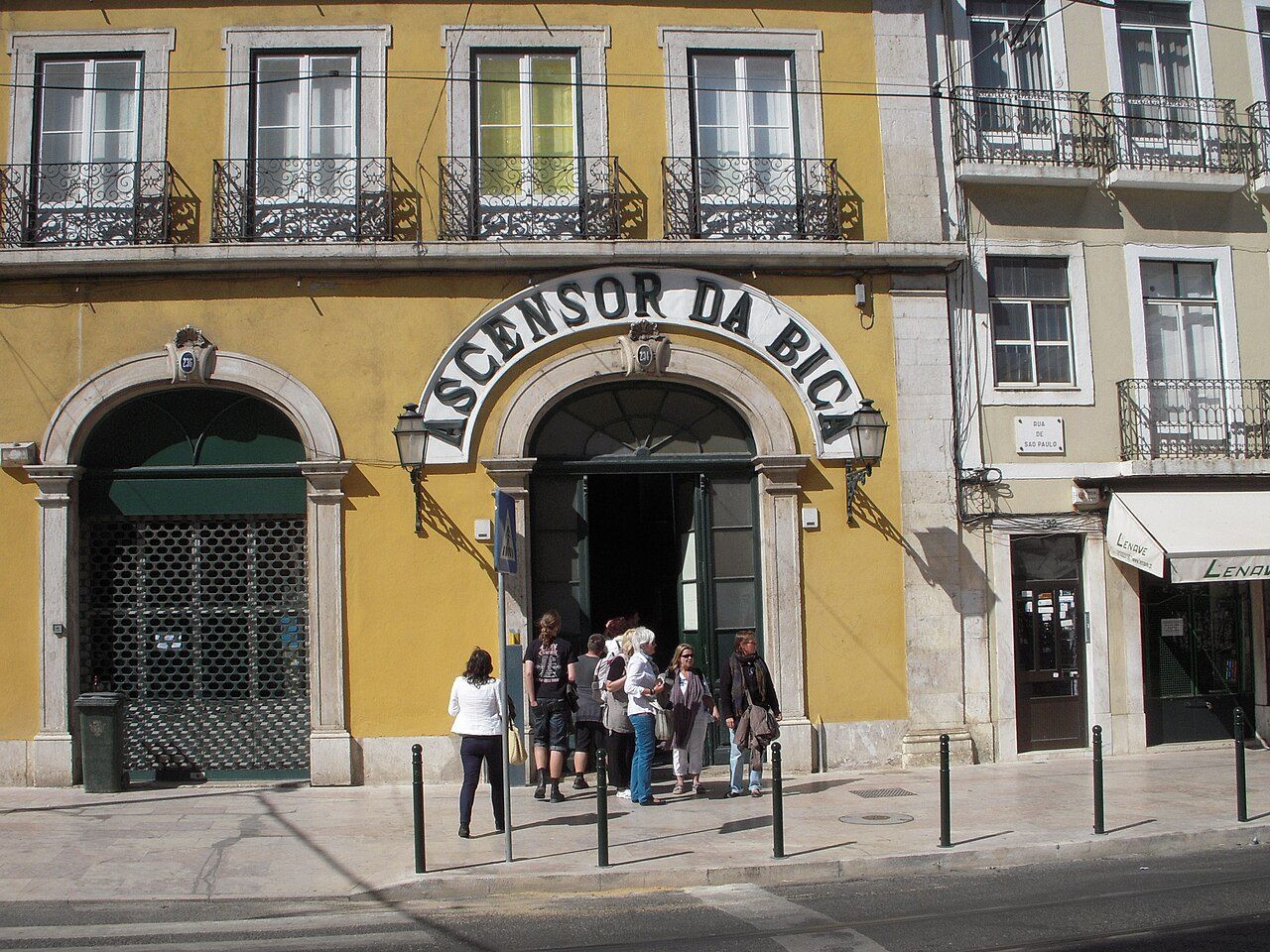
Funiculars: Elevador da Glória and Elevador da Bica
Glória climbs from Restauradores to a fine free viewpoint at Miradouro de São Pedro de Alcântara; Bica is the most-photographed street in Lisbon and genuine transport up from Rua de São Paulo. €4 single, covered by the day pass — use them as hill-skipping transit.
cultural
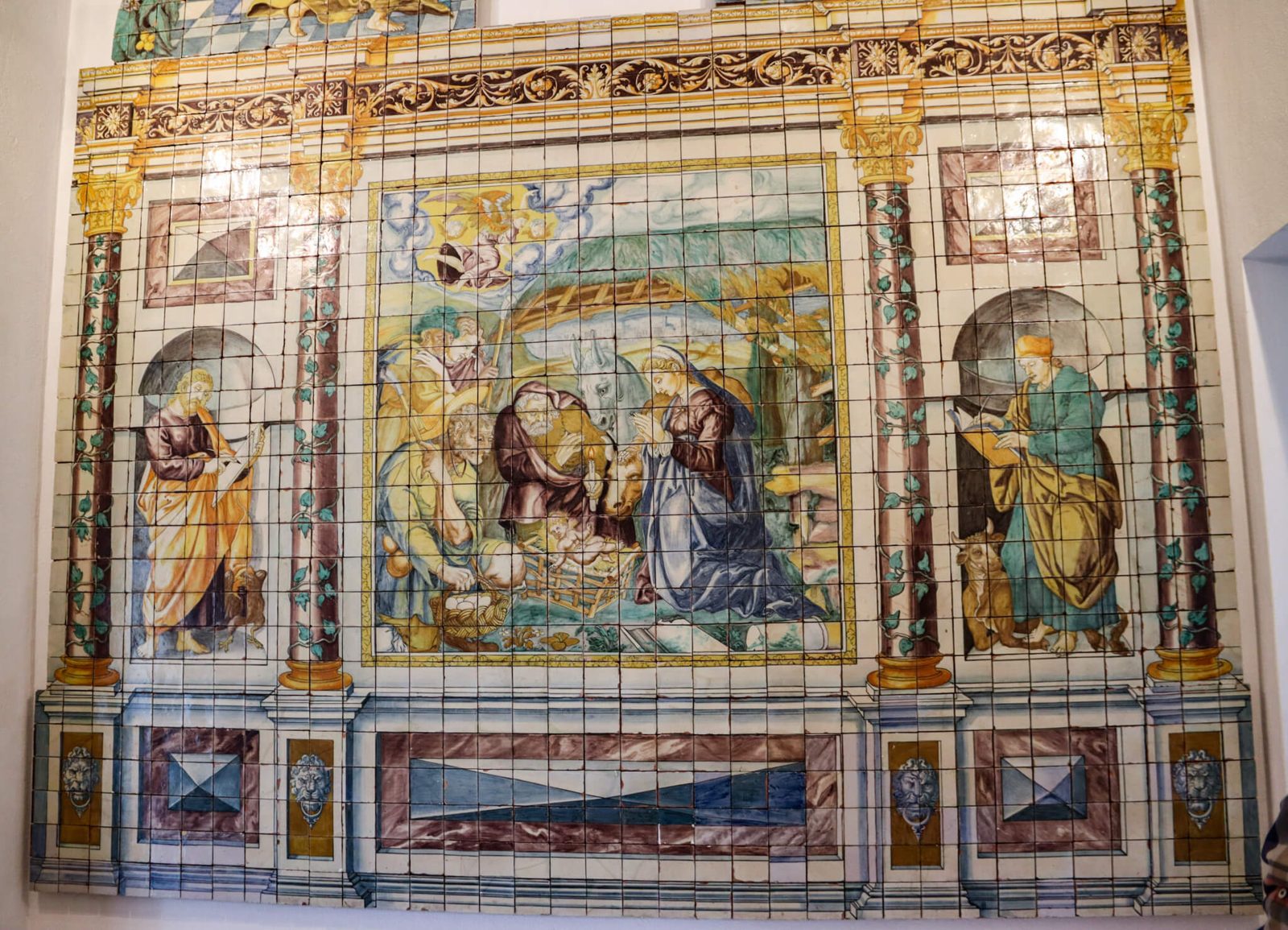
Museu Nacional do Azulejo (National Tile Museum)
Five centuries of Portuguese tile art inside a former convent, including a 23-metre panorama of pre-earthquake Lisbon. Closed Monday; free on the first Sunday of the month.
cultural
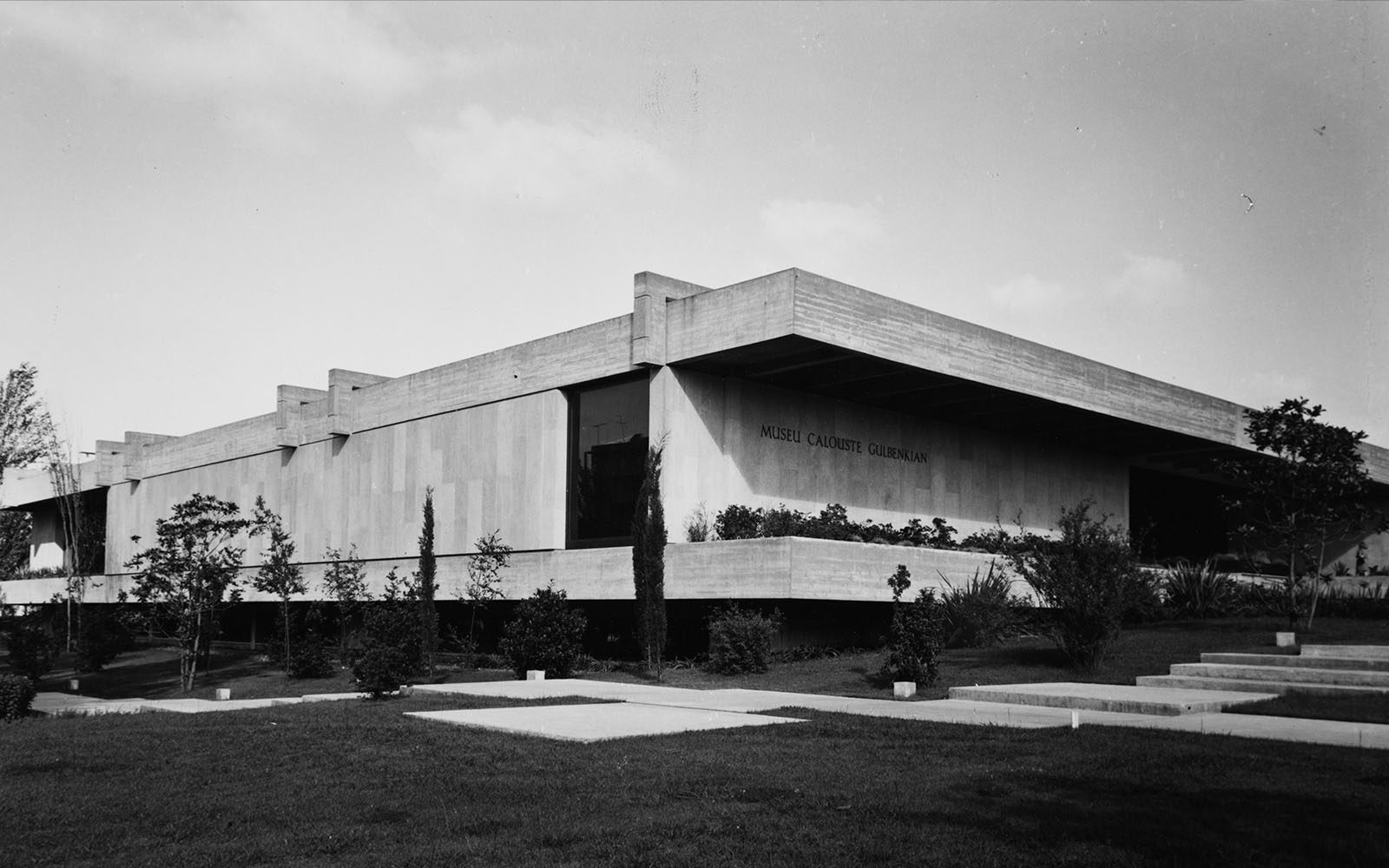
Museu Calouste Gulbenkian
A world-class private collection running Egyptian to Lalique, plus a garden worth the trip alone. €16 combined Founder's Collection + CAM (€18 all-inclusive); free under 18 and for everyone on Sundays from 14:00. Closed Tuesday, not Monday — the Founder's Collection building reopened in July 2026 after a 16-month renovation.
cultural
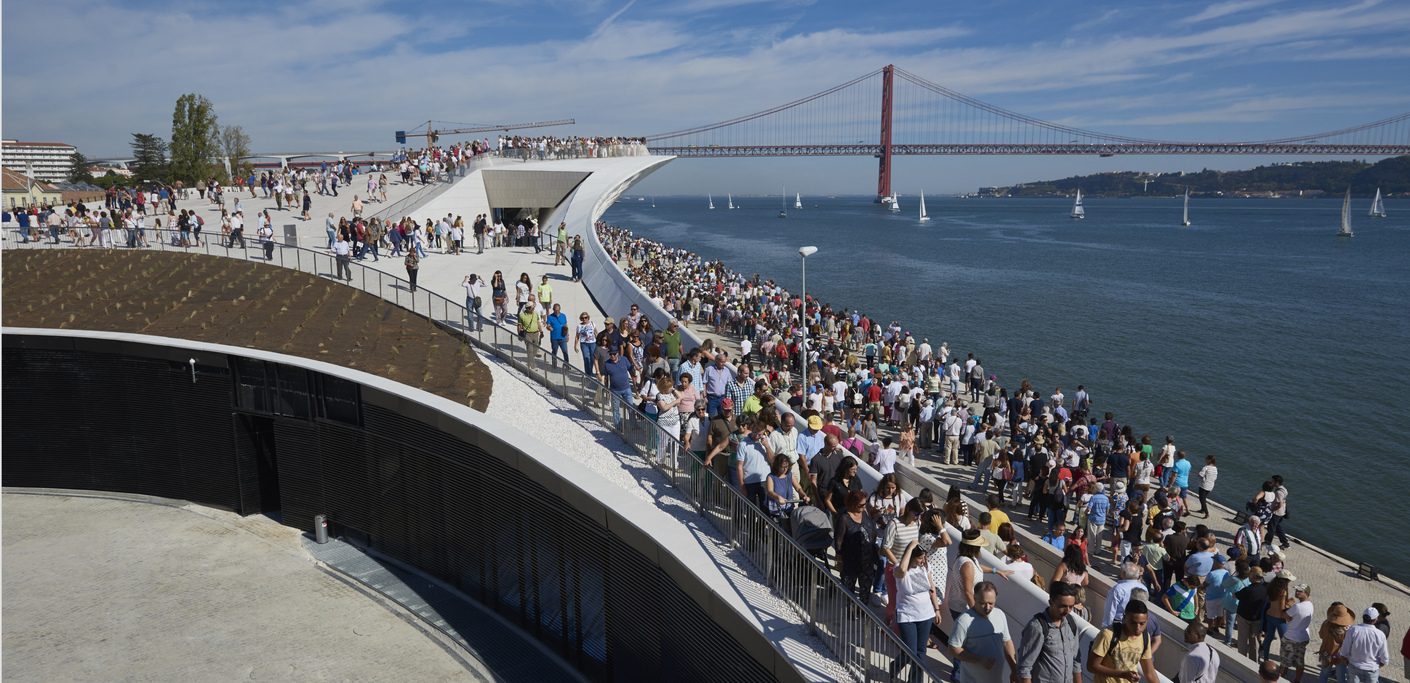
MAAT (Museum of Art, Architecture and Technology)
A wave-shaped riverside building whose free walkable roof is a river viewpoint in its own right. €11 adult, €5.50 youth/senior, under 13 free; free on the first Sunday of the month. Closed Tuesday.
cultural
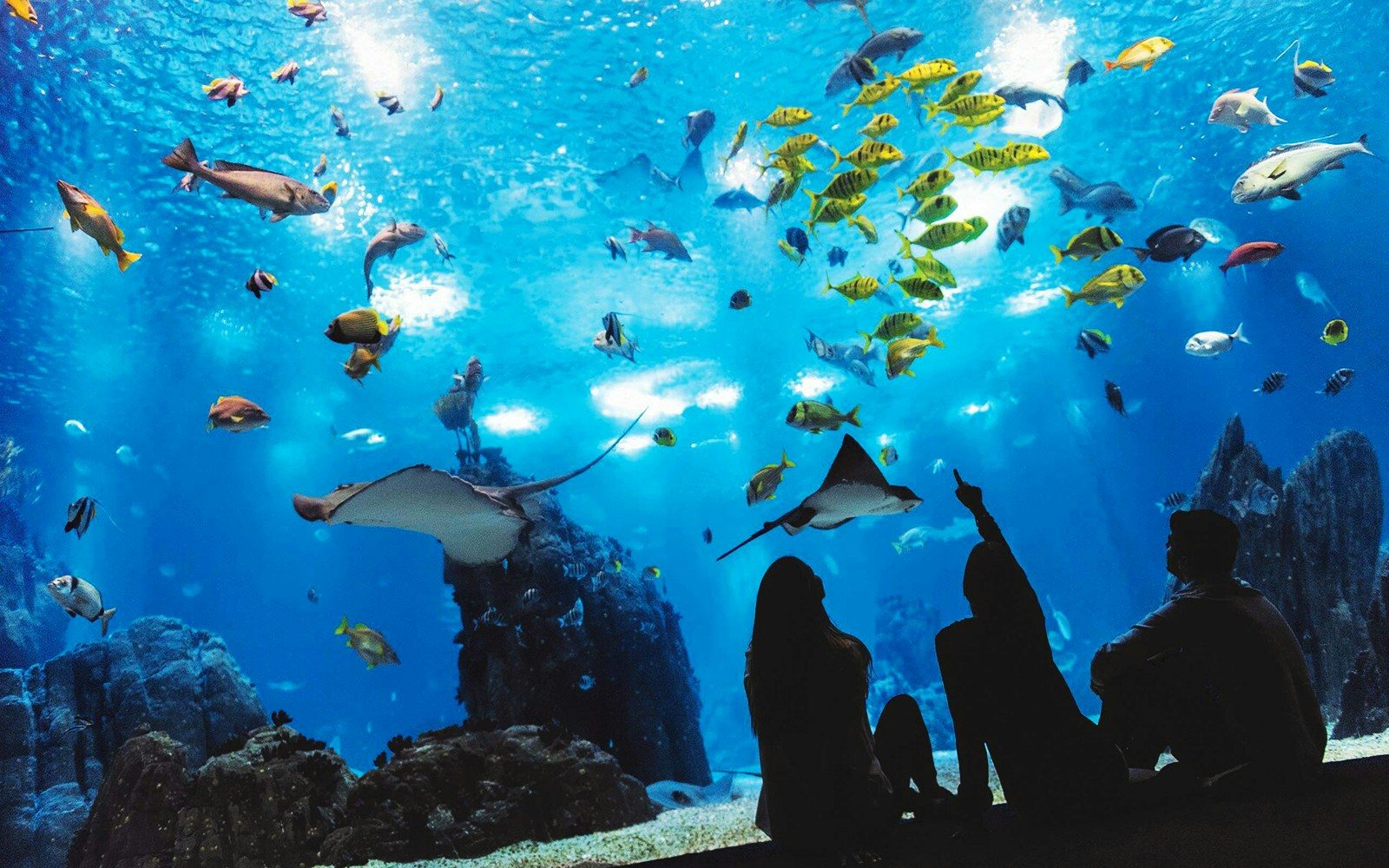
Oceanário de Lisboa
One of the world’s best aquariums, built around a single vast central tank. Adult tickets run €25-29 (cheapest after 16:00); open daily, last entry 19:00 — the reliable rain-day and with-children anchor.
food
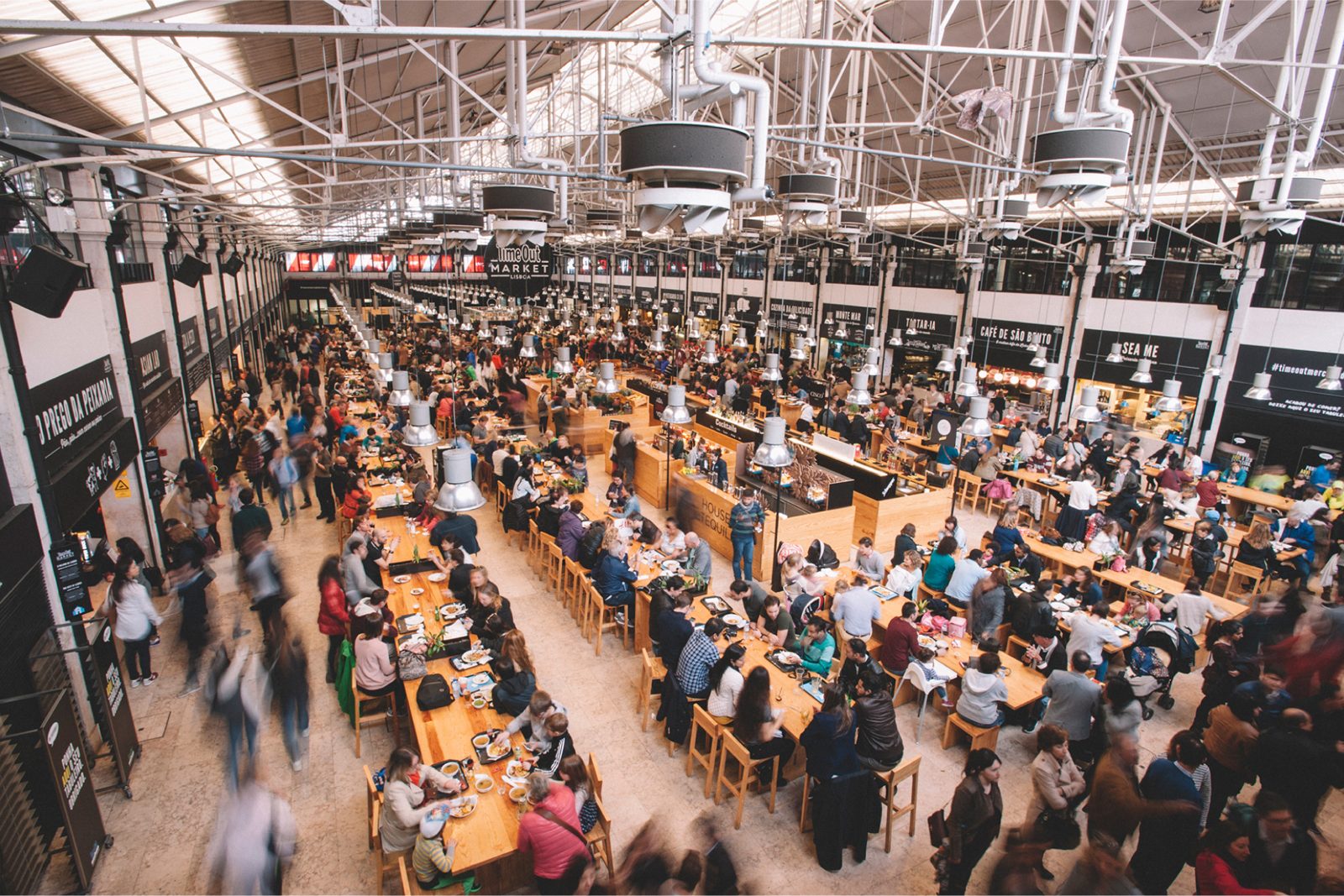
Time Out Market (Mercado da Ribeira)
About 40 curated stalls of Lisbon chefs and classics under one roof — the easy answer when a group can't agree on a restaurant. Free entry, pay per stall; prices run above a neighborhood tasca and peak-hour tables are hard to find.
food
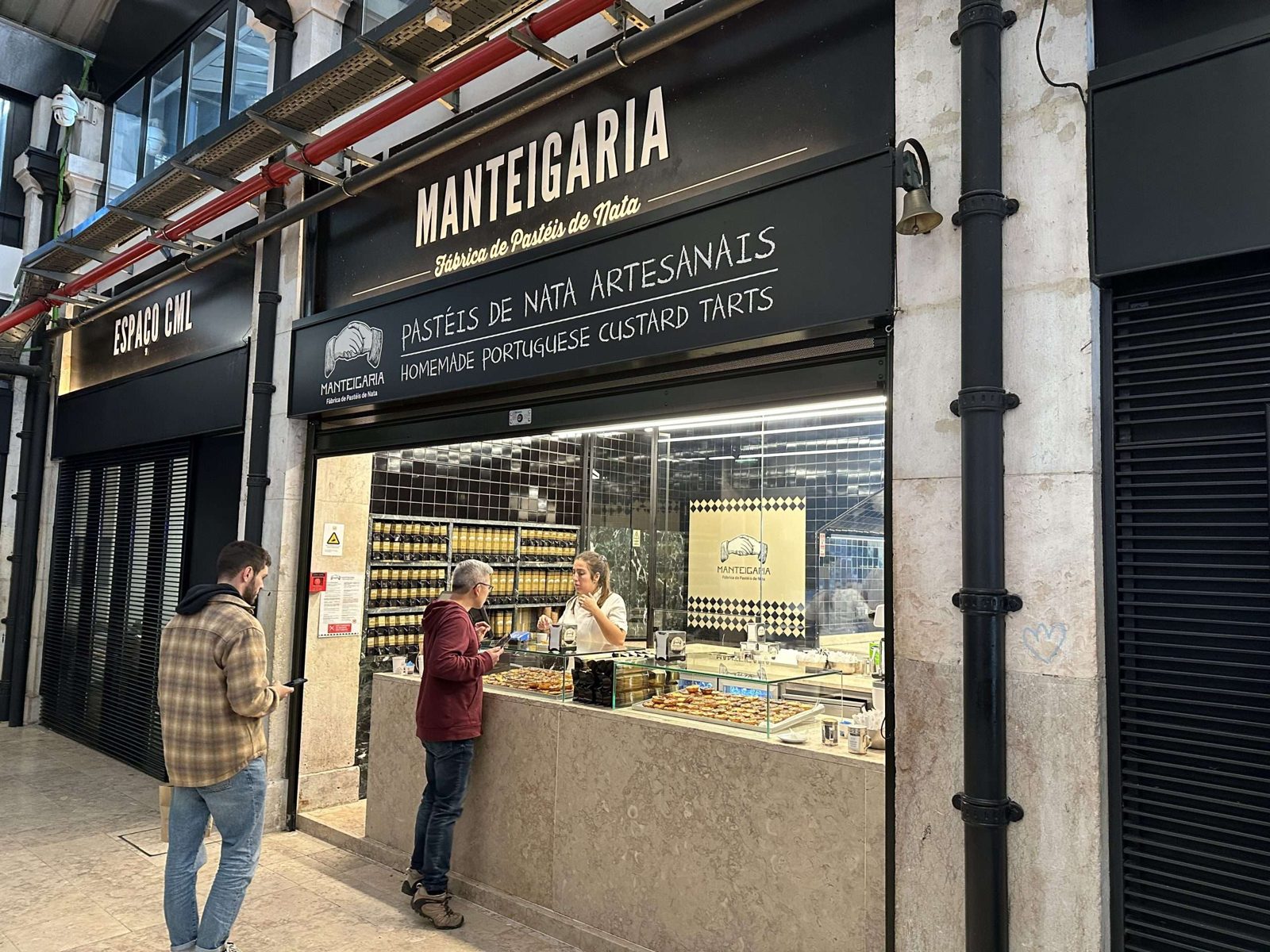
Pastelarias: Manteigaria and neighborhood counters
A pastel de nata at a city pastelaria, warm, eaten standing at the counter with a shake of cinnamon — trying one from more than one shop, Belém's original against a Chiado or Time Out counter, is a legitimate taste test.
cultural
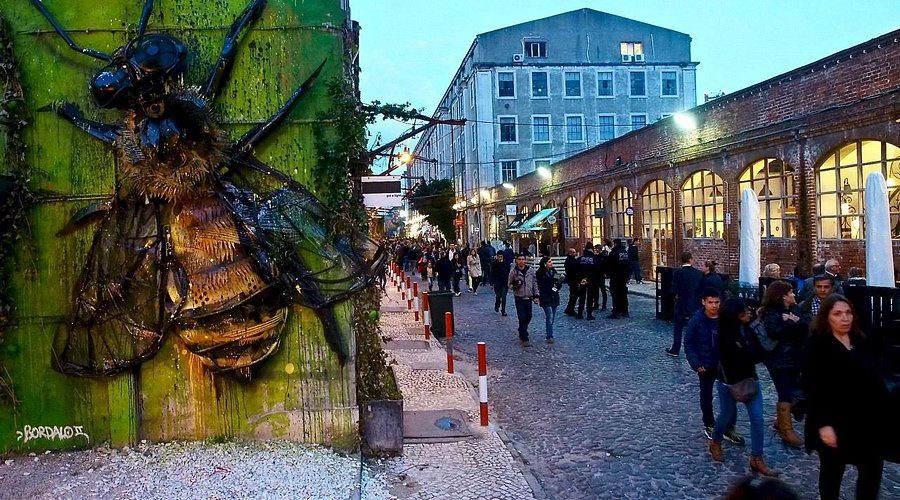
LX Factory
A converted industrial strip under the 25 de Abril bridge, now bookshops, design stores and cafés — a relaxed half-afternoon between Belém and the center. Free to wander; a Sunday flea and craft market runs roughly 10:00-18:00.
historic
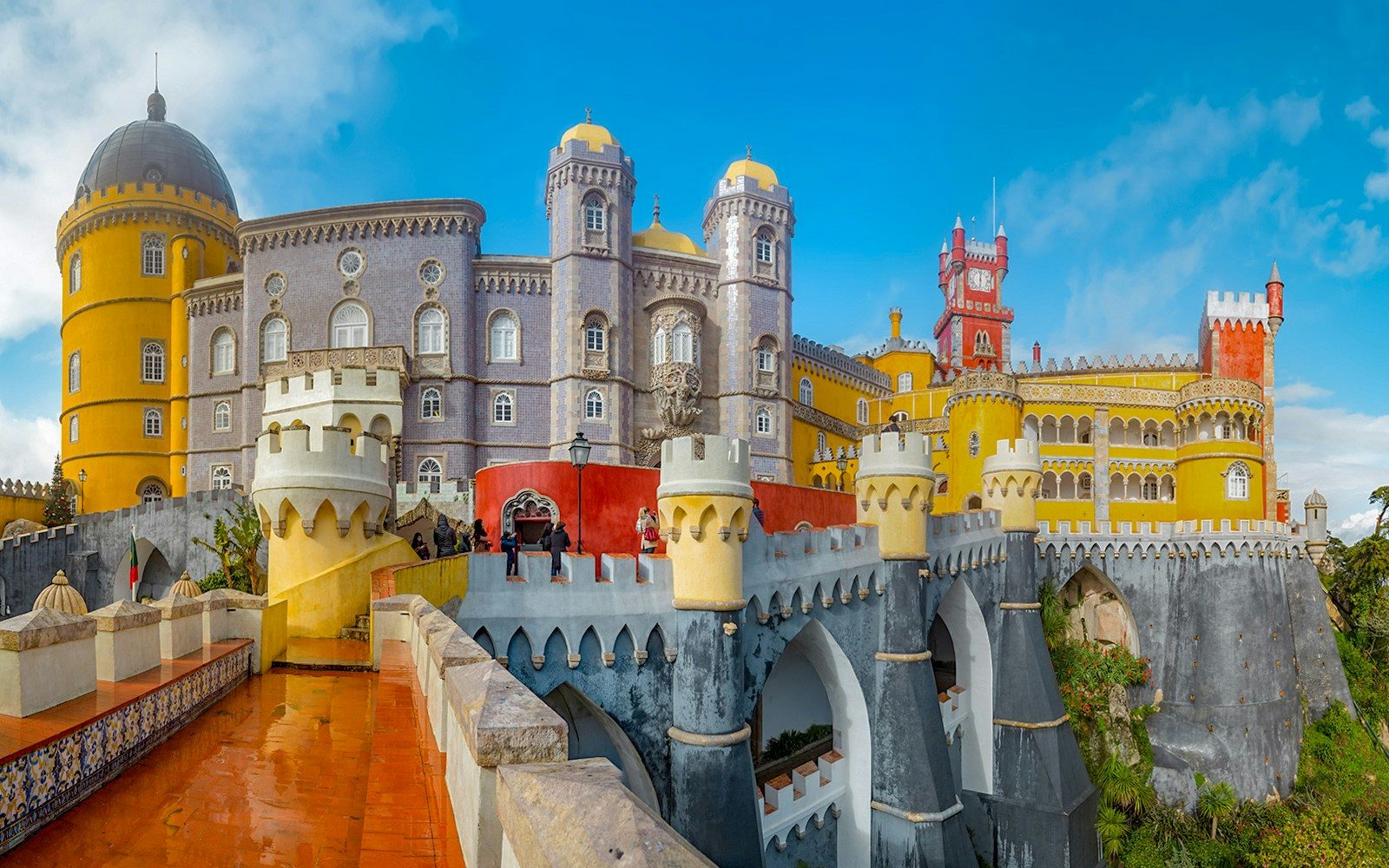
Pena Palace (Sintra)
A brightly painted 19th-century Romanticist palace on a Sintra hilltop. €14 palace and park (park only €10); timed entry is mandatory for the interior and summer slots sell out ahead — book online before you go.
historic
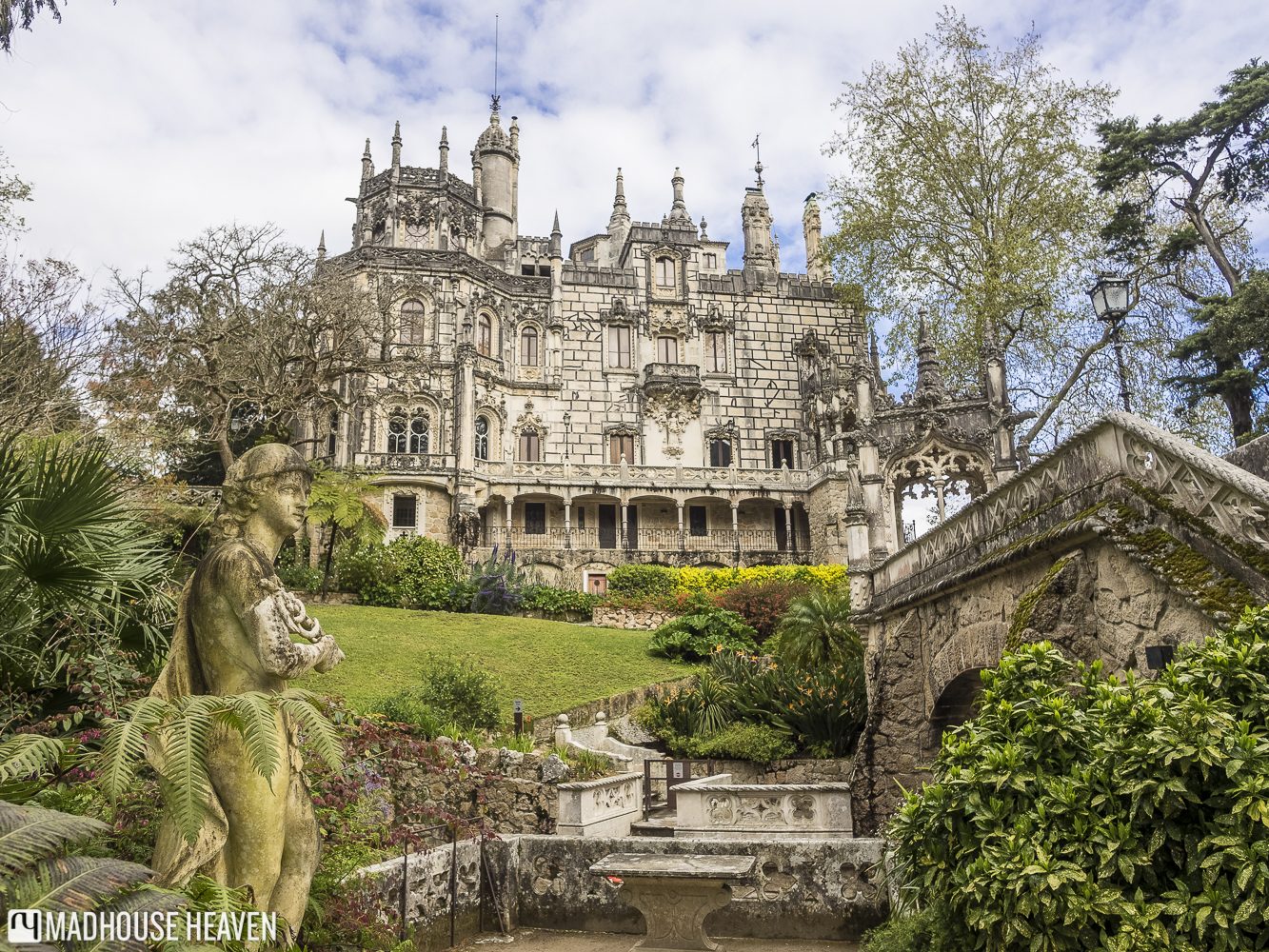
Quinta da Regaleira (Sintra)
A Gothic-Revival estate whose Initiation Well is the draw — a spiral stairway sunk into the ground. €20 adult, timed slots; morning slots sell out, so plan on an afternoon visit after Pena.
nature
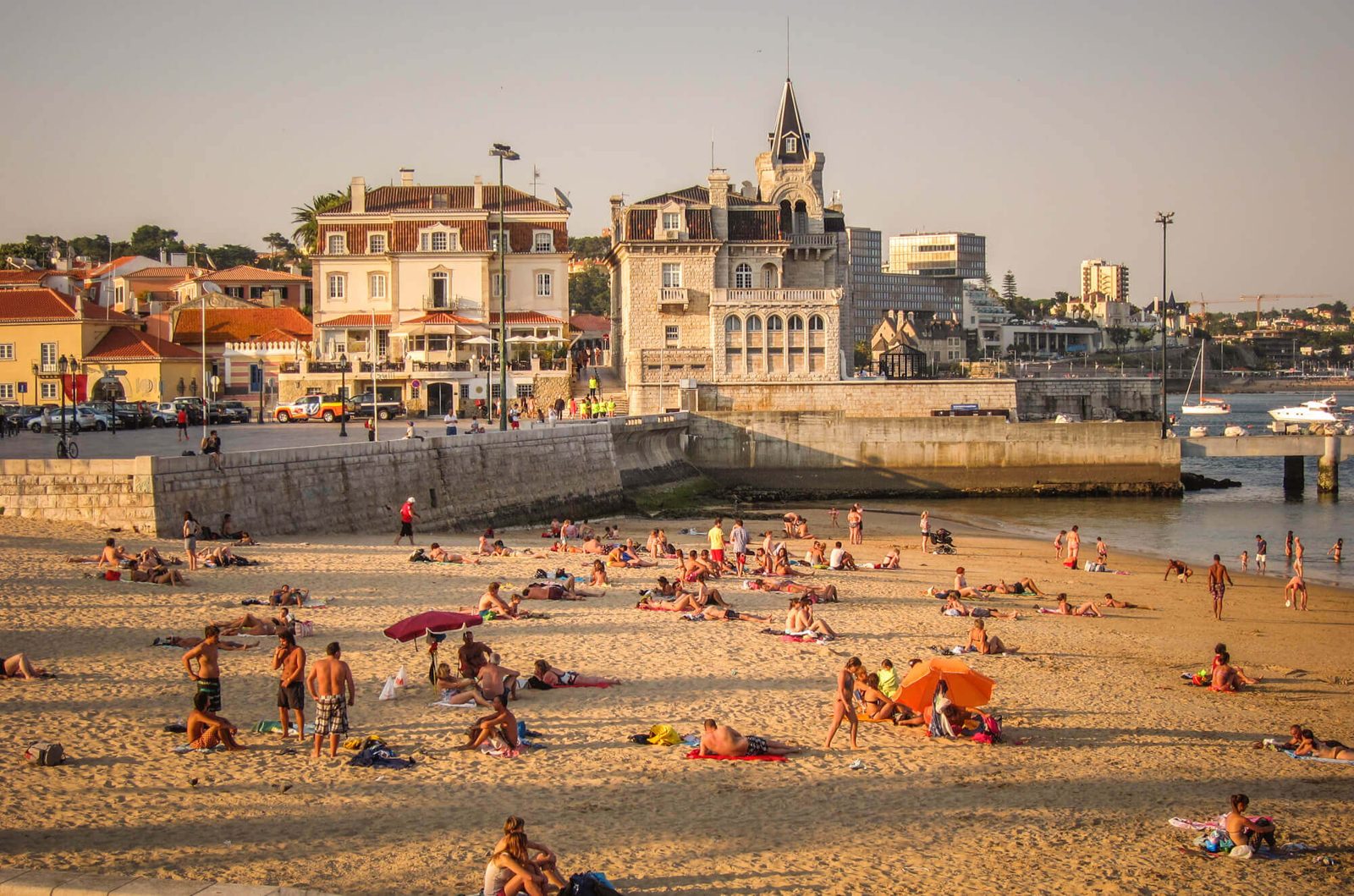
Cascais
A flat seaside promenade town with beaches and the Boca do Inferno sea cliffs, plus an easy bike path to Guincho beach. About 33-45 minutes by train from Cais do Sodré (€2.55 each way) — the low-logistics day trip when Sintra’s crowds or booking hurdles rule it out.
The guide
Three Days in Lisbon: Hills, Trams, and the Day Trip You Have to Book Ahead
· 9 min read · Written by the PoppaTrip editors
Day one is hills, and that is the whole point
Start flat, in the grid of Baixa: the wide riverfront Praça do Comércio, rebuilt after the 1755 earthquake, then the Rua Augusta Arch leading up into the shopping street behind it. A coffee-and-pastry stop in Chiado is the natural next move, and Livraria Bertrand is worth five minutes even if you buy nothing — it's the Guinness-certified oldest operating bookstore in the world, founded in 1732.
Then the climb starts. Take tram 28 or just walk up through the lanes into Alfama, the pre-earthquake medieval maze below Castelo de São Jorge. Go deliberately lost — the neighborhood is the sight, not a list of stops inside it. The castle's Moorish ramparts (€17 adult in 2026) are honestly priced for the view and the walls more than any furnished interior, and that view is the best free-ranging one in the city.
Save the sunset for a miradouro — Portas do Sol and Santa Luzia sit right beside the castle, or climb a little further to Miradouro da Senhora do Monte, the highest viewpoint in central Lisbon and the spot locals actually use. Both are free, no hours.
The standing caveat for the whole day: central Lisbon is steep hills and polished limestone cobbles, slick when wet and hard work for anyone with knee or mobility issues. Wear real shoes, budget time for stairs, and treat the funiculars as transport rather than a photo op.
Praça do Comércio + Rua Augusta Arch — The grand riverfront square rebuilt after the 1755 earthquake — the square is free and always open, the natural starting point for Baixa. The Rua Augusta Arch frames the square from the shopping street behind it, though the arch's rooftop viewpoint charges admission.Castelo de São Jorge — Moorish castle walls above Alfama with the best free-ranging rampart views over the city and river. €17 adult (2026) — the honest note is you're paying mostly for the view and the walls, not a furnished palace.Alfama (walking neighborhood) + Miradouro das Portas do Sol / Santa Luzia — The pre-earthquake medieval maze below the castle, with two adjacent miradouros giving the postcard view over the rooftops to the river. Free, no hours — go deliberately lost.Miradouro da Senhora do Monte — The highest viewpoint in central Lisbon and the sunset spot locals actually use, with a wide view over the castle, Baixa and the bridge. Free, always open.Livraria Bertrand — Guinness-certified as the oldest operating bookstore in the world, founded in 1732 — buy any book and they'll stamp it with the oldest-bookstore seal. Free entry.
Belém is flat, and after day one that matters
Go to Mosteiro dos Jerónimos first, at opening — it's closed Monday, and the Manueline cloister inside is the single most impressive interior in Lisbon, not hype. €18 adult (the church itself is free, on a separate line); book online or arrive at 9:30, because midday queues run long.
Torre de Belém, along the river, is largely a view stop right now — the exterior and riverside view are free and the main draw for most visitors, while the interior has seen intermittent closures during ongoing restoration work, so confirm access before you commit an hour to the queue. €8 adult when the interior is open.
Pastéis de Belém, the 1837 original, is a few minutes' walk away — still baking from the original recipe, and named best pastry in the world by TasteAtlas in 2026. The takeaway line moves fast; the sit-down rooms inside are roomier than the street queue suggests.
If there's appetite for one more stop, MAAT sits on the Belém riverfront in a wave-shaped building whose free walkable roof is a river view in its own right — €11 adult, closed Tuesday.
Mosteiro dos Jerónimos — The Manueline cloister here is the single most impressive interior in Lisbon. €18 adult (the church itself is free, on a separate line); closed Monday. Arrive at opening or book online — midday lines run long.Torre de Belém — A riverfront tower whose exterior and riverside view are free — and the main draw for most visitors anyway. €8 adult for the interior, which has seen intermittent restoration-related closures; confirm access before you go.Pastéis de Belém (the original pastelaria) — The 1837 birthplace of the pastel de nata, still baking from the original recipe — named best pastry in the world by TasteAtlas (2026). The takeaway line moves fast; the sit-down rooms inside are bigger than the street queue suggests.MAAT (Museum of Art, Architecture and Technology) — A wave-shaped riverside building whose free walkable roof is a river viewpoint in its own right. €11 adult, €5.50 youth/senior, under 13 free; free on the first Sunday of the month. Closed Tuesday.
The trams and lifts are transit, not a ride
Tram 28 is the classic route — Graça, Alfama, Baixa, Estrela — and it is also Lisbon's number-one pickpocket hotspot: packed at all hours, with the steep bends and the boarding crush the moments to watch a bag and a phone. Ride early morning or after about 7pm, or board at the Martim Moniz terminus for a seat. €3.30 on board, about €1.90 with a transit card.
Elevador de Santa Justa, the cast-iron lift linking Baixa and Chiado, charges €5.30 for the ride and walkway if bought on the spot — but it's covered by the 24-hour pass, and the honest move is to skip the long paid queue and either use the pass or walk up through Chiado to the free upper walkway entrance.
The funiculars — Glória, up from Restauradores to a fine free viewpoint, and Bica, the most-photographed street in the city and genuine transport from Rua de São Paulo — run €4 a ride, also covered by the pass.
Buy a navegante card (€0.50) at any metro machine, then either load per-ride credit or the €7.25 24-hour pass, which covers metro, trams, funiculars and the Santa Justa lift — it pays for itself with one funicular plus a couple of rides, and the same card works on the Sintra and Cascais trains too.
Tram 28 (Martim Moniz → Campo de Ourique) — The classic wooden tram through Graça, Alfama, Baixa and Estrela — €3.30 on board, about €1.90 with a transit card. It's also Lisbon's #1 pickpocket hotspot: bag worn in front, phone away while boarding, especially on the steep bends.Elevador de Santa Justa — A cast-iron lift linking Baixa to Chiado; €5.30 for the ride and walkway if bought on the spot, but it's covered by the 24-hour transit pass — skip the long paid queue and either use the pass or walk up through Chiado to the free upper walkway entrance.Funiculars: Elevador da Glória and Elevador da Bica — Glória climbs from Restauradores to a fine free viewpoint at Miradouro de São Pedro de Alcântara; Bica is the most-photographed street in Lisbon and genuine transport up from Rua de São Paulo. €4 single, covered by the day pass — use them as hill-skipping transit.
Two museums, and two different closing days
Museu Nacional do Azulejo, out in Xabregas, is the single best 'understand the tiles you've been walking past' stop — five centuries of Portuguese tile art in a former convent, including a 23-metre panorama of pre-earthquake Lisbon. Closed Monday; free on the first Sunday of the month.
Museu Calouste Gulbenkian is the other direction entirely: a world-class private collection running Egyptian to Lalique, plus a garden worth the trip alone. €16 combined, €18 all-inclusive; free under 18 and for everyone on Sundays from 14:00. It closed for a 16-month renovation and its Founder's Collection building reopened in July 2026.
The one planning detail worth carrying: Jerónimos and the Tile Museum close Monday, while the Gulbenkian and MAAT close Tuesday. The castle, the Oceanário and the miradouros are open daily, which makes Monday a natural castle-and-Belém-exteriors day.
LX Factory, under the 25 de Abril bridge, is the relaxed pairing for a half-afternoon between Belém and the center — a converted industrial strip of bookshops, design stores and cafés, free to wander, with a Sunday flea and craft market running roughly 10:00 to 18:00.
Museu Nacional do Azulejo (National Tile Museum) — Five centuries of Portuguese tile art inside a former convent, including a 23-metre panorama of pre-earthquake Lisbon. Closed Monday; free on the first Sunday of the month.Museu Calouste Gulbenkian — A world-class private collection running Egyptian to Lalique, plus a garden worth the trip alone. €16 combined Founder's Collection + CAM (€18 all-inclusive); free under 18 and for everyone on Sundays from 14:00. Closed Tuesday, not Monday — the Founder's Collection building reopened in July 2026 after a 16-month renovation.LX Factory — A converted industrial strip under the 25 de Abril bridge, now bookshops, design stores and cafés — a relaxed half-afternoon between Belém and the center. Free to wander; a Sunday flea and craft market runs roughly 10:00-18:00.
Sintra needs its own day, and honest math on how much fits
Sintra is the required day trip, and the one hard rule is booking Pena Palace ahead: the palace interior runs on timed entry, and summer slots sell out hours to days in advance. €14 covers palace and park, €10 for the park alone.
Take the earliest practical train from Rossio, before 9:00 if you can, to beat the queue at the ticket hall — there are no seat reservations. Quinta da Regaleira, with its Initiation Well sunk as a spiral stair into the ground, is €20 and also runs timed slots; morning slots sell out, so an afternoon visit after Pena is the realistic pairing.
Two headline sites is a full, honest day — 8 to 10 hours door to door. Adding a third or fourth palace on top genuinely needs an overnight or a second day; this guide won't promise four palaces before dinner.
If Sintra's crowds or booking hurdles rule it out, Cascais is the low-logistics alternative: about 33-45 minutes by train from Cais do Sodré, a flat seaside promenade, beaches, the Boca do Inferno cliffs and an easy bike path to Guincho — no booking required.
Pena Palace (Sintra) — A brightly painted 19th-century Romanticist palace on a Sintra hilltop. €14 palace and park (park only €10); timed entry is mandatory for the interior and summer slots sell out ahead — book online before you go.Quinta da Regaleira (Sintra) — A Gothic-Revival estate whose Initiation Well is the draw — a spiral stairway sunk into the ground. €20 adult, timed slots; morning slots sell out, so plan on an afternoon visit after Pena.Cascais — A flat seaside promenade town with beaches and the Boca do Inferno sea cliffs, plus an easy bike path to Guincho beach. About 33-45 minutes by train from Cais do Sodré (€2.55 each way) — the low-logistics day trip when Sintra’s crowds or booking hurdles rule it out.
Eating standing up, and the rain-day fallback
The pastel de nata is worth a small crawl of its own: eat them warm, standing at the counter with a shake of cinnamon, and compare more than one shop — Pastéis de Belém's original against a Chiado or Time Out Market counter is a legitimate taste test, not just a tourist errand.
Time Out Market, at Cais do Sodré, is the easy answer when a group can't agree on a restaurant — around 40 stalls of Lisbon chefs and classics under one roof. It runs above neighborhood-tasca prices and peak-hour tables are genuinely hard to find, so go outside the lunch and dinner rush if you can.
For a rain day, or a day built around kids, Oceanário de Lisboa is the reliable anchor — one of the world's best aquariums, built around a single vast central tank. Tickets are cheapest after 16:00; open daily, last entry at 19:00.
Oceanário de Lisboa — One of the world’s best aquariums, built around a single vast central tank. Adult tickets run €25-29 (cheapest after 16:00); open daily, last entry 19:00 — the reliable rain-day and with-children anchor.Time Out Market (Mercado da Ribeira) — About 40 curated stalls of Lisbon chefs and classics under one roof — the easy answer when a group can't agree on a restaurant. Free entry, pay per stall; prices run above a neighborhood tasca and peak-hour tables are hard to find.Pastelarias: Manteigaria and neighborhood counters — A pastel de nata at a city pastelaria, warm, eaten standing at the counter with a shake of cinnamon — trying one from more than one shop, Belém's original against a Chiado or Time Out counter, is a legitimate taste test.
The short answers
How many days do you need in Lisbon?
Three days covers this guide comfortably: day one is Baixa, Chiado and Alfama; day two is the flat recovery day in Belém plus an afternoon back in town at the Tile Museum or the Gulbenkian; day three is the Sintra day trip, or Oceanário and a Cascais afternoon if you skip it.
When should you go to Lisbon, and when should you not?
May and September-October are the sweet spot — warm, sunny, and hotel prices 25-40% below the July-August peak, with the miradouro and terrace life in full swing without peak crowds. The one concrete standing rule: avoid July-August if you can, with 28-35°C heat on shadeless hills, peak prices, and many family-run restaurants and shops closing for some or all of August. June is a special case — the Santos Populares festival (June 12-13) fills Alfama's lanes with a street party, the city's best night if crowds are the point and the worst if they aren't. November is the wettest month and among the cheapest; winter overall is mild and quiet, fine for a museum-weighted trip, but wet cobblestones are genuinely slippery.
How bad are the hills, really?
Central Lisbon is built on steep hills paved with polished limestone cobbles — slick when wet, hostile to wheeled luggage, and hard work for anyone with knee or mobility issues. Base in flat Baixa/Chiado or on Avenida da Liberdade, use the funiculars (Glória, Bica) and the Santa Justa lift as actual transit — all covered by the €7.25 day pass — plan Belém and Parque das Nações (both flat) as recovery days, and go downhill through Alfama rather than up.
Do I need to book anything in advance?
Two hard yeses: Pena Palace in Sintra, where timed entry slots sell out hours to days ahead in summer, and, in high season, Quinta da Regaleira. Jerónimos is queue-managed rather than sold out — book online or arrive at the 9:30 opening. Most everything else, including the castle, the museums and the Oceanário, sells at the door, though booking online skips lines in summer.
How do I get from the airport to the center?
The metro red line runs from inside the airport to the center for €1.90 in about 20-30 minutes, with one change for Baixa. Taxis, Uber and Bolt run about €10-20 and take 15-25 minutes. The old Aerobus no longer exists — it was discontinued in 2022.
What transport card should I get?
Buy a navegante (Viva Viagem) card for €0.50 at any metro machine, then either load per-ride credit (each ride runs roughly €1.72-1.90) or the €7.25 24-hour pass, which covers unlimited metro, trams, funiculars and the Santa Justa lift — it pays for itself with one funicular plus a couple of rides. The same card also covers the Sintra (€2.45) and Cascais (€2.55) train fares. One card per person; they can't be shared.
Is Lisbon safe?
Yes — violent crime against tourists is rare, and the tourist core is walkable at night. The one real, everyday risk is pickpocketing on Tram 28 and in crowded miradouro and Baixa crowds: wear your bag in front, keep nothing in back pockets, and keep your phone away while boarding. Also decline unsolicited street sellers in Baixa — a firm no and walking on ends it.
How much should I tip?
Tipping is appreciated, not expected — leaving nothing is not rude. Locals round up or leave small change at a neighborhood spot; 5-10% is generous at a sit-down restaurant for service you liked. For taxis, round up. Skip US-style percentages.
Is one day enough for Sintra?
Yes for two headline sites, no for more. A realistic day is an early train, Pena Palace on a booked slot plus its park, Quinta da Regaleira, a walk through the town center, and the return train — that is a full 8-10 hours. Adding a third site honestly needs an overnight or a second day.
When are museums closed?
Split pattern worth planning around: Jerónimos, the Tile Museum and most state museums close Monday; the Gulbenkian and MAAT close Tuesday. The castle, the Oceanário and the miradouros are open daily — which makes Monday a natural castle-and-Belém-exteriors day.
Who does Lisbon especially suit?
Travelers who rate views and atmosphere over checklists — the best moments here are free miradouros, tram rides and pastry counters, not big-ticket entries. It suits city-break travelers on a mid budget, since transit runs about €2 a ride, the day pass is €7.25 and a world-class pastry costs about €1.30-1.60, and it suits shoulder-season planners heading in May or September-October. It suits less well travelers with limited mobility or heavy luggage, since the hills, stairs and slick cobbles are real, and anyone locked into July-August who dislikes heat and crowds.
Written by hand and fact-checked on 2026-08-27. Opening hours, ticketing and prices
change — check them before you rely on them.
FAQ
Questions about Lisbon, Portugal
How many days do you need in Lisbon?
Three days covers this guide comfortably: day one is Baixa, Chiado and Alfama; day two is the flat recovery day in Belém plus an afternoon back in town at the Tile Museum or the Gulbenkian; day three is the Sintra day trip, or Oceanário and a Cascais afternoon if you skip it.
When should you go to Lisbon, and when should you not?
May and September-October are the sweet spot — warm, sunny, and hotel prices 25-40% below the July-August peak, with the miradouro and terrace life in full swing without peak crowds. The one concrete standing rule: avoid July-August if you can, with 28-35°C heat on shadeless hills, peak prices, and many family-run restaurants and shops closing for some or all of August. June is a special case — the Santos Populares festival (June 12-13) fills Alfama's lanes with a street party, the city's best night if crowds are the point and the worst if they aren't. November is the wettest month and among the cheapest; winter overall is mild and quiet, fine for a museum-weighted trip, but wet cobblestones are genuinely slippery.
How bad are the hills, really?
Central Lisbon is built on steep hills paved with polished limestone cobbles — slick when wet, hostile to wheeled luggage, and hard work for anyone with knee or mobility issues. Base in flat Baixa/Chiado or on Avenida da Liberdade, use the funiculars (Glória, Bica) and the Santa Justa lift as actual transit — all covered by the €7.25 day pass — plan Belém and Parque das Nações (both flat) as recovery days, and go downhill through Alfama rather than up.
Do I need to book anything in advance?
Two hard yeses: Pena Palace in Sintra, where timed entry slots sell out hours to days ahead in summer, and, in high season, Quinta da Regaleira. Jerónimos is queue-managed rather than sold out — book online or arrive at the 9:30 opening. Most everything else, including the castle, the museums and the Oceanário, sells at the door, though booking online skips lines in summer.
How do I get from the airport to the center?
The metro red line runs from inside the airport to the center for €1.90 in about 20-30 minutes, with one change for Baixa. Taxis, Uber and Bolt run about €10-20 and take 15-25 minutes. The old Aerobus no longer exists — it was discontinued in 2022.
What transport card should I get?
Buy a navegante (Viva Viagem) card for €0.50 at any metro machine, then either load per-ride credit (each ride runs roughly €1.72-1.90) or the €7.25 24-hour pass, which covers unlimited metro, trams, funiculars and the Santa Justa lift — it pays for itself with one funicular plus a couple of rides. The same card also covers the Sintra (€2.45) and Cascais (€2.55) train fares. One card per person; they can't be shared.
Is Lisbon safe?
Yes — violent crime against tourists is rare, and the tourist core is walkable at night. The one real, everyday risk is pickpocketing on Tram 28 and in crowded miradouro and Baixa crowds: wear your bag in front, keep nothing in back pockets, and keep your phone away while boarding. Also decline unsolicited street sellers in Baixa — a firm no and walking on ends it.
How much should I tip?
Tipping is appreciated, not expected — leaving nothing is not rude. Locals round up or leave small change at a neighborhood spot; 5-10% is generous at a sit-down restaurant for service you liked. For taxis, round up. Skip US-style percentages.
Is one day enough for Sintra?
Yes for two headline sites, no for more. A realistic day is an early train, Pena Palace on a booked slot plus its park, Quinta da Regaleira, a walk through the town center, and the return train — that is a full 8-10 hours. Adding a third site honestly needs an overnight or a second day.
When are museums closed?
Split pattern worth planning around: Jerónimos, the Tile Museum and most state museums close Monday; the Gulbenkian and MAAT close Tuesday. The castle, the Oceanário and the miradouros are open daily — which makes Monday a natural castle-and-Belém-exteriors day.
Who does Lisbon especially suit?
Travelers who rate views and atmosphere over checklists — the best moments here are free miradouros, tram rides and pastry counters, not big-ticket entries. It suits city-break travelers on a mid budget, since transit runs about €2 a ride, the day pass is €7.25 and a world-class pastry costs about €1.30-1.60, and it suits shoulder-season planners heading in May or September-October. It suits less well travelers with limited mobility or heavy luggage, since the hills, stairs and slick cobbles are real, and anyone locked into July-August who dislikes heat and crowds.
How many places are in this Lisbon, Portugal guide?
21 curated places, each with a real photo, a category, and a short description.
What categories does it cover?
historic, food, scenic, cultural, nature.
Do the photos show the real venues?
Yes — every photo is a real photo of that specific place, never a stock image.
How do I plan a full trip to Lisbon, Portugal?
Tell PoppaTrip your travel style in the wizard and we'll build a day-by-day itinerary with hotels, routing, and booking links. Answering the wizard and previewing your destination is free; building and unlocking your complete trip is a one-time $9.99.
Ready to plan your Lisbon, Portugal trip?
Lisbon rewards planning around its hills and its two hard bookings — Pena Palace and, in high season, Quinta da Regaleira — more than almost anywhere else in Europe.

 historic