
historic
Machu Picchu Citadel
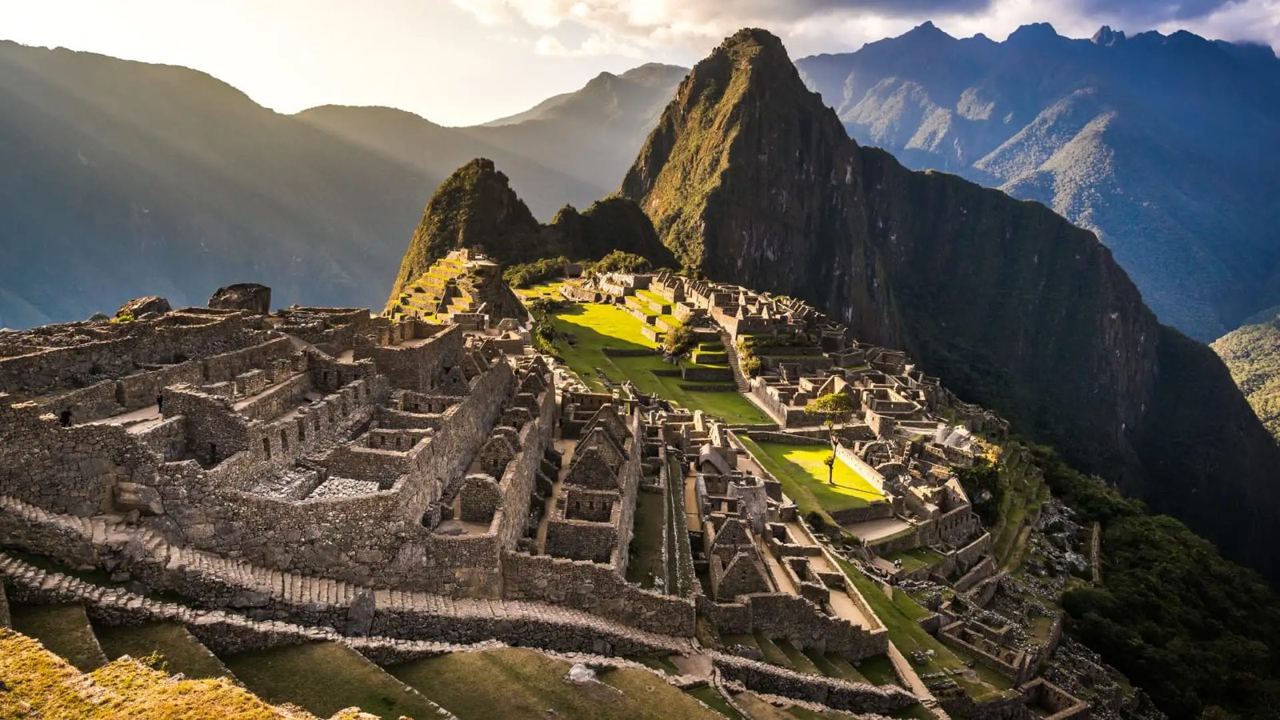
Ancient Inca citadel perched dramatically on a mountain ridge.
Everyone photographs the citadel from the same terrace. The trip that stays with you is built around what happens before sunrise and after the crowds leave.
6 places we would actually send someone to, across 4 categories. Photos are in the written guide below, and every photo is of that specific place.
Ancient Inca citadel perched dramatically on a mountain ridge.
Steep mountain trail offering breathtaking views of the citadel.
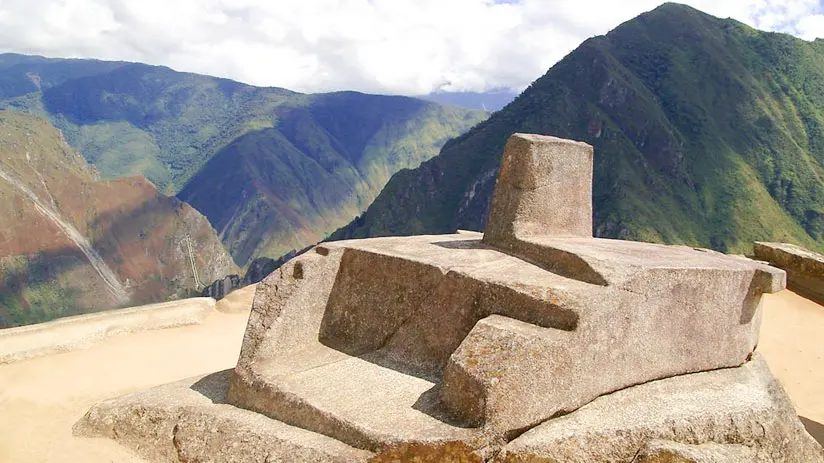
Sacred Incan stone with astronomical and ceremonial significance.
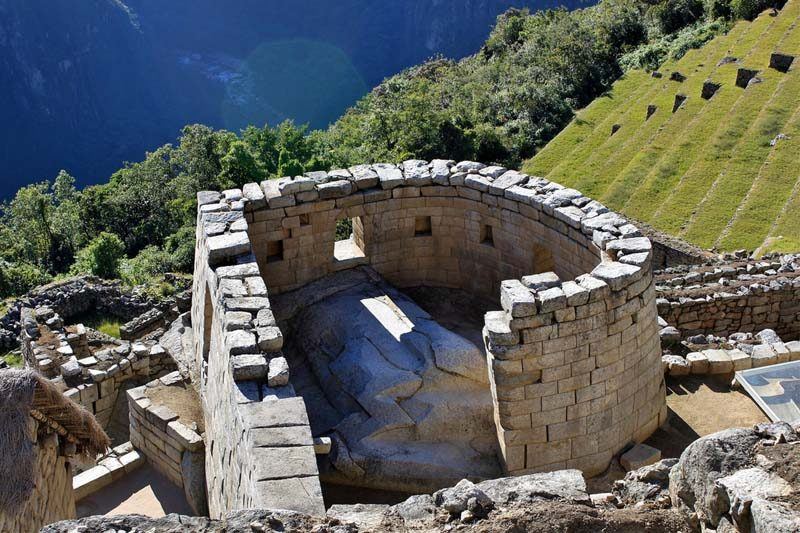
Beautifully preserved circular temple with intricate stonework craftsmanship.
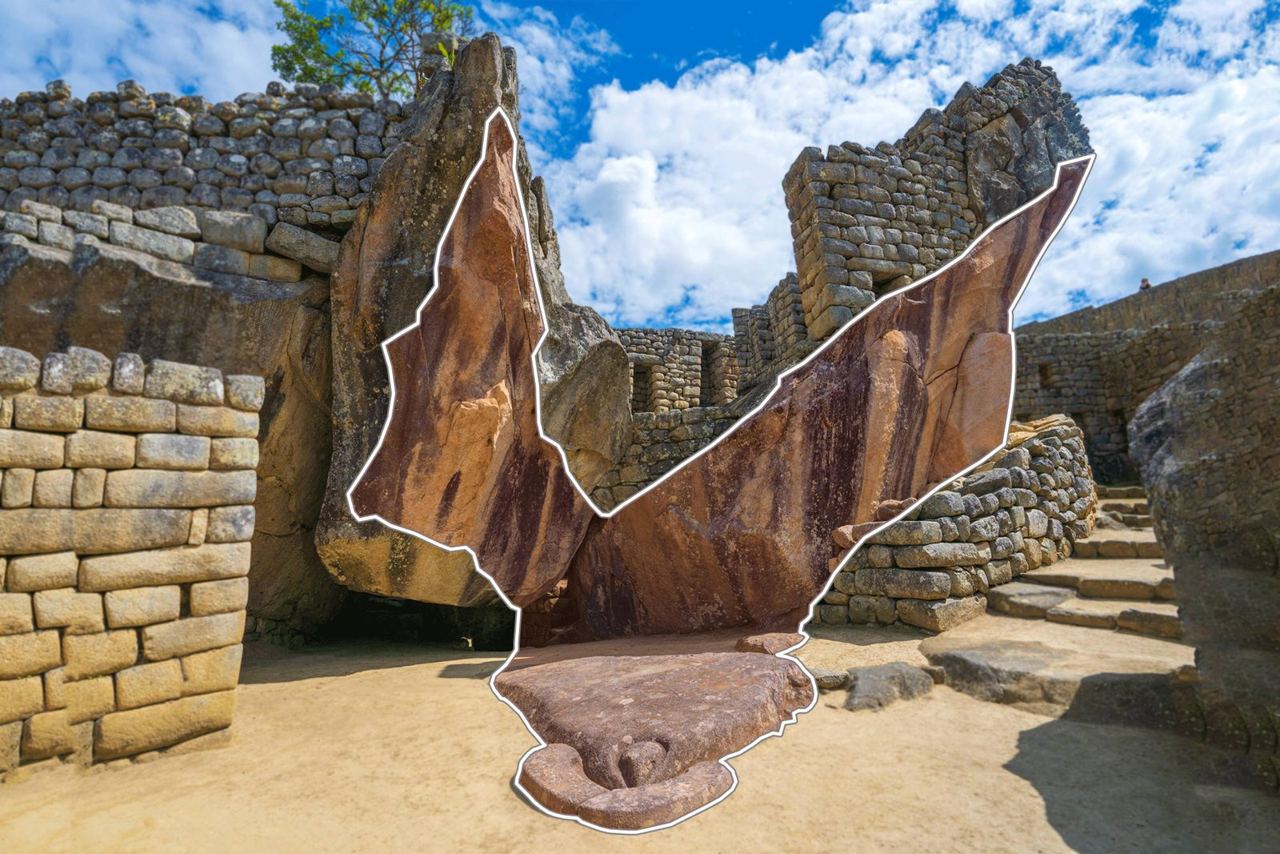
Sacred temple featuring a stone carving shaped like a soaring condor.
Natural thermal springs in the mountain village at the citadel's base.
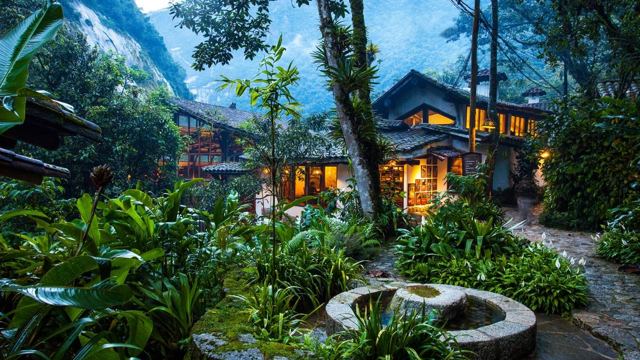 Our base for this trip
The practical case for basing yourself in Aguas Calientes rather than day-tripping from Cusco is simple: it puts you at the front of the first bus. Inkaterra is the town's long-established choice — a set of casitas spread through cloud-forest gardens by the river, far enough from the tracks that the night trains do not become part of your stay. Book early for the high season, and confirm the current rate directly; this is one of the few places in the valley where availability, not price, is the binding constraint.
Aguas Calientes, at the edge of town along the river
There is no road to Machu Picchu. Not a bad road, not a long road — none. Whatever you do, however much you spend, at some point you get on a train that runs along a river at the bottom of a gorge, because that is the only way in. I find this genuinely wonderful. In an age when you can drive to the rim of almost every wonder on earth and photograph it through a windshield, this one still makes you travel to it.
The train leaves from Ollantaytambo and takes about ninety minutes. Sit on the left. The Urubamba river runs brown and fast and very close on one side, and the walls of the gorge climb up out of sight on the other, and the vegetation thickens the whole way — dry Andean scrub at the start, dripping cloud forest by the end, with bromeliads growing out of the rock and the occasional flash of an orchid. You are descending the entire time, which is the part nobody warns you about pleasantly enough.
Cusco sits at 3,400 meters. Machu Picchu sits at 2,430. You are going down almost a kilometer, and your lungs will file a formal note of thanks. This is a rare case of traveling toward the famous thing and finding it easier to breathe than the town you left. Give yourself two nights in Cusco or, better, in the Sacred Valley first anyway — altitude does not negotiate, and there is no version of this trip that improves by arriving breathless.
It is five in the morning in Aguas Calientes and there is already a line down the street. People in rain shells holding paper cups of coca tea, nobody talking much. The buses start before dawn and grind up a series of switchbacks so tight that the road appears to be arguing with the mountain. Twenty-five minutes, thirteen or fourteen hairpins, a lot of engine noise.
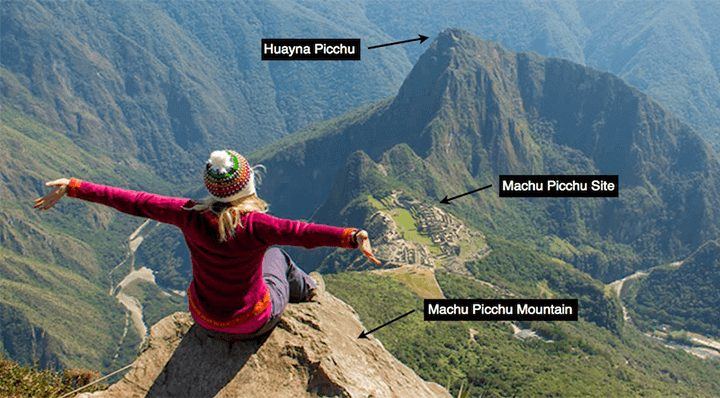
Then you are through the gate and walking up, and — if the morning is kind — the cloud is still sitting in the valley below you, so the first thing you see is not the citadel but the top of Huayna Picchu poking out of a white sea. It burns off in twenty minutes, sometimes ten, and it does it from the top down, so the ruins arrive in pieces: a terrace, then a wall, then a whole quarter of the city, then all of it at once. People go quiet. I have been in crowds of three hundred people that made almost no sound at all.
What you are looking at was built in the middle of the fifteenth century, probably as an estate for the emperor Pachacuti, abandoned about a hundred years later, and never found by the Spanish — which is why it is still standing. Local farming families knew exactly where it was the whole time. Hiram Bingham, who is usually credited with 'discovering' it in 1911, was led there by an eleven-year-old boy.
Go down among the buildings once the light is up, and look at the stonework properly. The Temple of the Sun is a curved wall of granite blocks fitted without mortar so precisely that you cannot get a fingernail between them, built around a rock the builders decided not to move. On the June solstice, sunlight comes through a window and lands on that stone. They did that with no iron, no wheel, no written language.
The citadel is ticketed by circuit and by entry hour, and no single circuit shows you everything. Almost everyone comes for one morning, walks the famous terrace, photographs the postcard and leaves — and I understand why, but the second visit is where the place stops being a photograph and starts being a city.
Because on the second day you are not chasing the view. You are standing in front of the Intihuatana stone, a carved granite outcrop whose angles line up with the surrounding peaks and the sun's path, watching a guide explain that at midday around the equinoxes it casts almost no shadow at all. You are ducking into the Temple of the Condor, where two natural rock faces form spread wings above a carved head on the floor, and someone in your group is quietly saying 'oh' as it resolves.
You notice the drainage channels. You notice that the terraces are not decorative but engineered — layers of rock, gravel and soil designed to keep two thousand millimeters of annual rain from washing the whole mountain into the river. You start to see a settlement rather than a ruin. That is worth a second ticket, and second tickets are cheap compared to the flight you took to get here.
Huayna Picchu is the sharp peak behind the citadel, and yes, you can climb it. Entries are capped at a few hundred a day in timed slots and they sell out weeks ahead in high season, so this is a decision you make when you book, not on the morning.
It is about an hour up. The path is steep, stepped, wet in places, and there are sections where the drop beside you is emphatic and the only handrail is a cable. If you are unbothered by heights it is exhilarating and the view down onto the citadel is the one that makes people say 'like a model'. If heights make you unhappy, skip it with a completely clear conscience — the view from the upper terraces is the one already in your head, and nobody at home will be able to tell the difference.
The gentler and, I would argue, more moving option is walking up to the Sun Gate. It is an hour of steady, unfrightening climbing along the old Inca road, and at the top there is a notch in the ridge where trekkers finishing the four-day trail get their first sight of the city below. Sit there a while and watch people arrive. They come over the rise filthy, exhausted and radiant, and some of them cry, and it is impossible to sit there without feeling that you have taken the easy way and also that you are very glad you did.
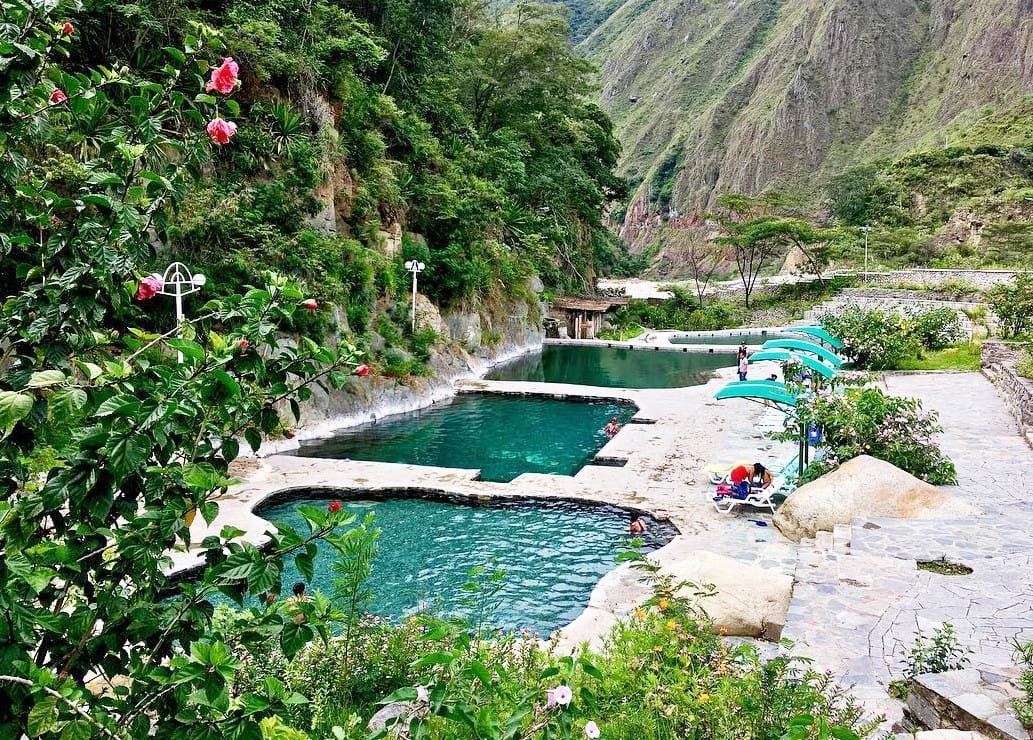
Aguas Calientes has a reputation as a place to be endured between trains: a small, steep, damp town of hotels and souvenir stalls jammed into a gorge, with a railway running through the middle of it. All true. It is also, if you let it be, a lovely evening.
The hot springs that give the town its name are a ten-minute walk uphill from the square — a set of thermal pools built into the mountainside, varying in temperature and, let us be honest, in clarity. Go late, when the day visitors have gone. You have spent a day walking up and down several hundred stone steps at altitude, and lowering yourself into hot water in the dark, in a gorge, with the river audible below and cloud forest above, is a specific and excellent kind of tired.
Then eat early and sleep early, because the line starts before dawn and you have already decided to be in it.
Two days at the citadel plus two nights acclimatising in Cusco or the Sacred Valley — four days minimum from Cusco.
Train from Ollantaytambo to Aguas Calientes (about 90 minutes), then a shuttle bus up the switchbacks. There is no road to the citadel.
Aguas Calientes, the town directly below the ruins — it puts you on the first bus before dawn.
The citadel sits at 2,430m, notably lower than Cusco at 3,400m.
Timed citadel entries by circuit, the train, and Huayna Picchu permits — all cap out weeks ahead in high season.
People willing to buy two days rather than one, since the second visit is where the ruins stop being a photograph and start being a city. It suits travelers happy to let a train and a shuttle bus do the work — there is no road to the citadel, and the whole trip runs on fixed timed entries booked weeks ahead. It does not suit anyone hoping to wing it: circuits, trains and Huayna Picchu permits all cap out in advance.
Tell PoppaTrip your travel style in the wizard and we'll build a day-by-day itinerary with hotels, routing, and booking links. Answering the wizard and previewing your destination is free; building and unlocking your complete trip is a one-time $9.99.
Yes — every photo is a real photo of that specific place, never a stock image.
Machu Picchu rewards a plan more than almost anywhere else on earth — entries are timed, trains are fixed, and the good hours are early.
Prices/photos from our trip-planning engine.
Every guide tells you the best time to visit. Almost none names the month that will actually spoil the trip, and for half these cities it is not the one you think.
Read the article →Seasons are too blunt to book with. Here is the week to buy and the week that quietly costs double in ten cities: the value windows, the trap weeks that look like shoulder season, and the 2027 holiday dates that move them.
Read the article →The same $50 is more than enough in Hanoi and doesn’t cover a day in New York. Here is what $50, $100 and $200 a day actually buys in twelve cities: meals, local transit, one attraction entry and a coffee. The hotel and flights are counted separately.
Read the article →Ten towns where the train comes once a day or less, and the timetable is the whole plan. One has no road at all. One is a flag stop in the Alaskan bush. One train runs once a week, and another runs eight weeks a year. For each: when it leaves, what it replaces, and how long you wait if you miss it.
Read the article →